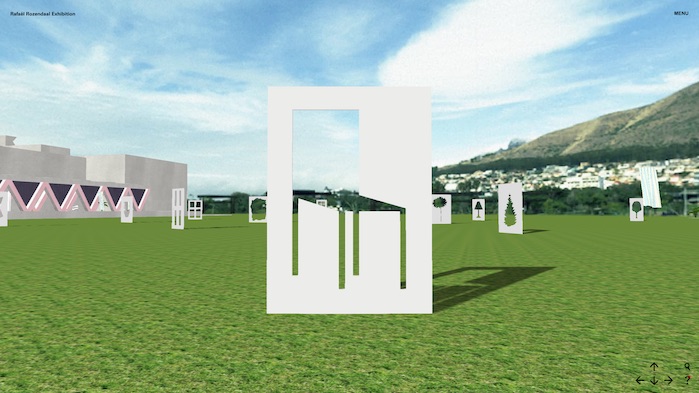
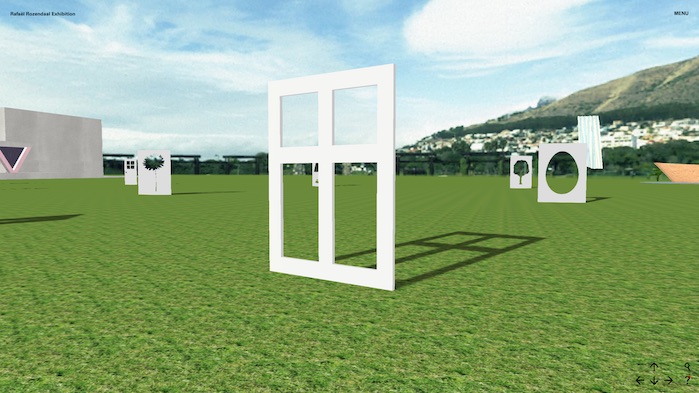
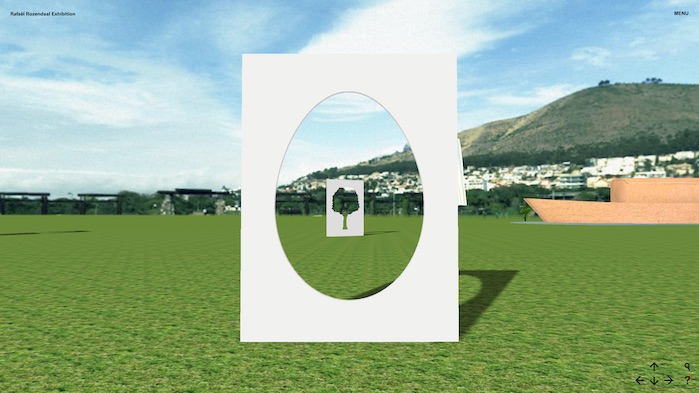
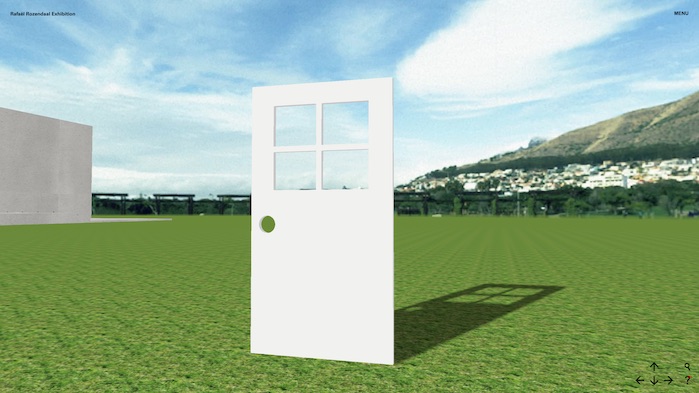
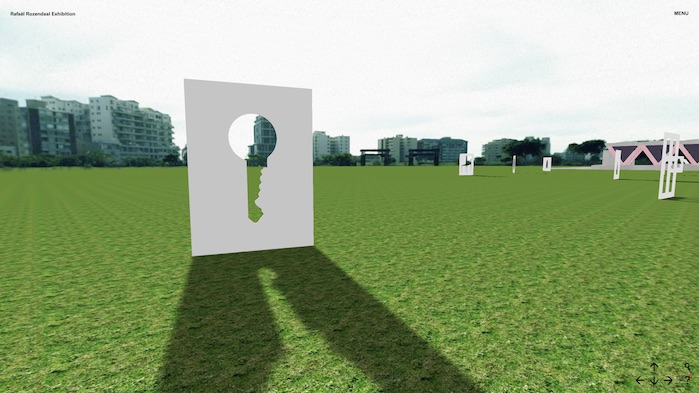
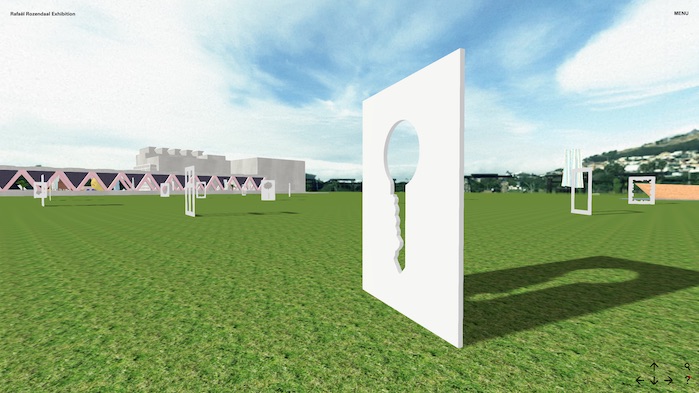
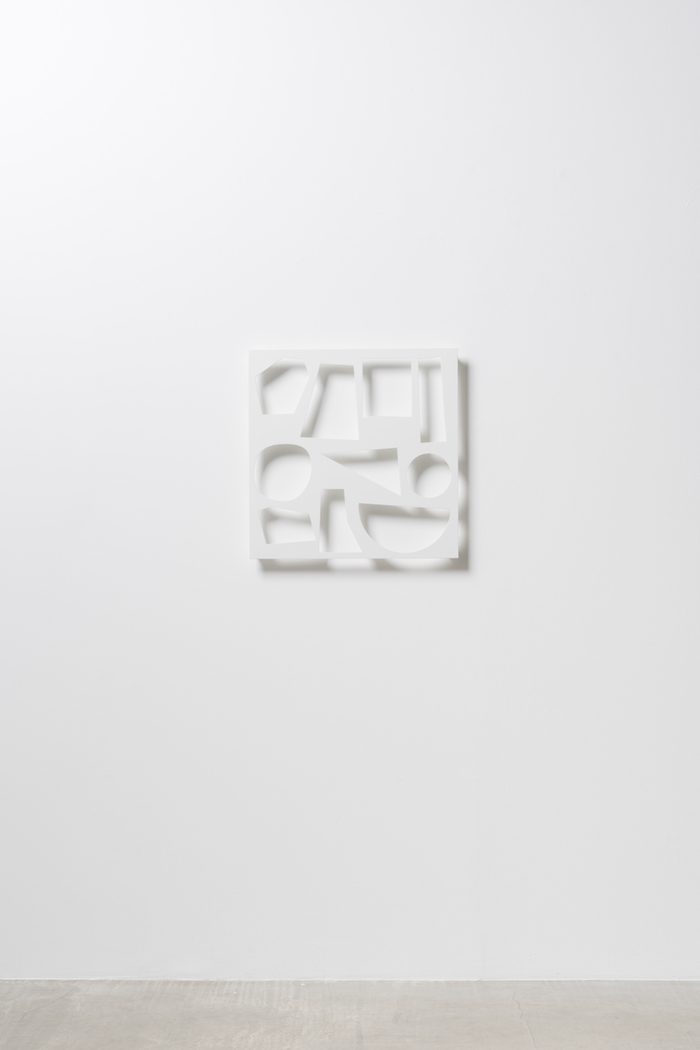
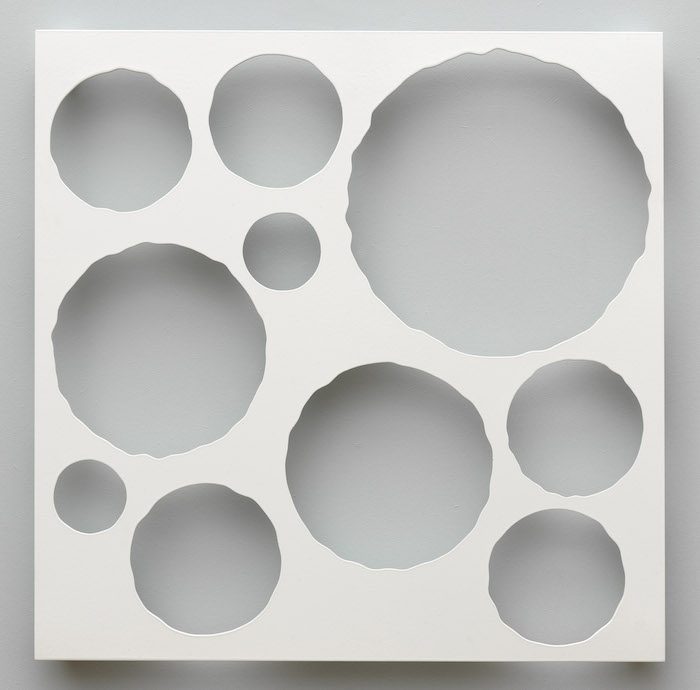
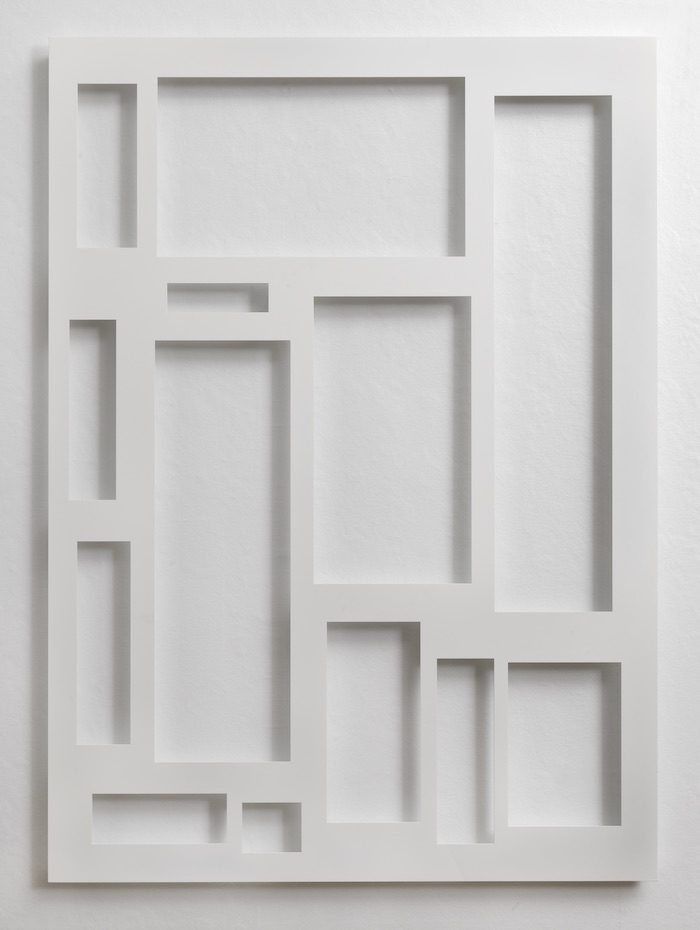
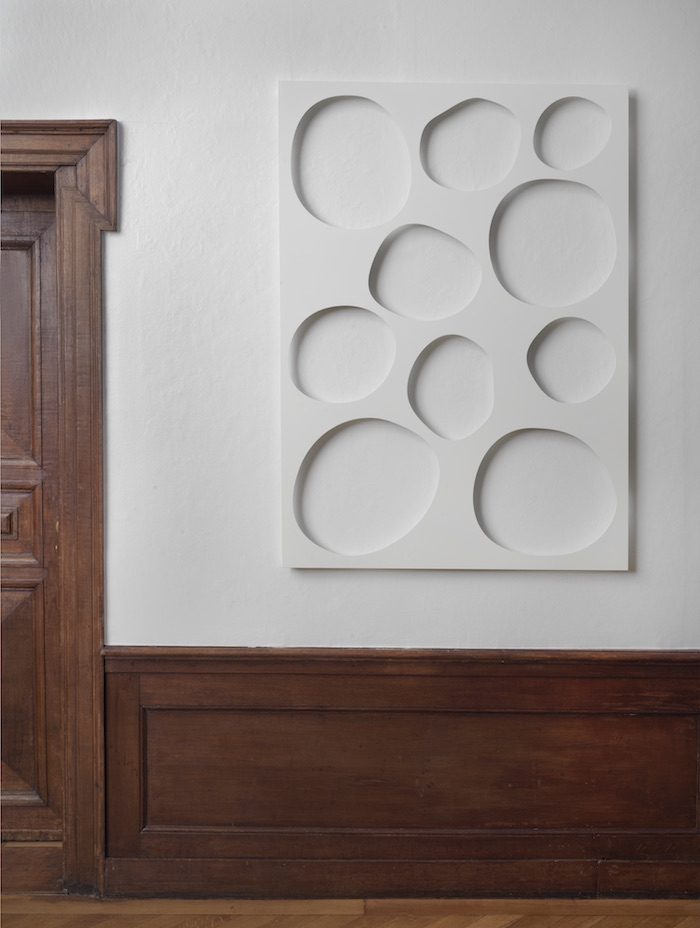
Attention
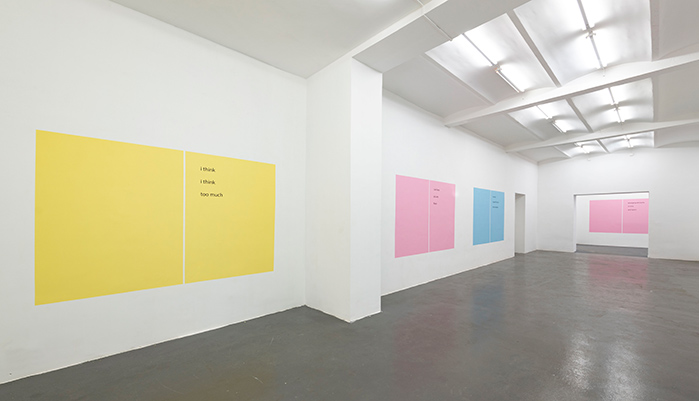
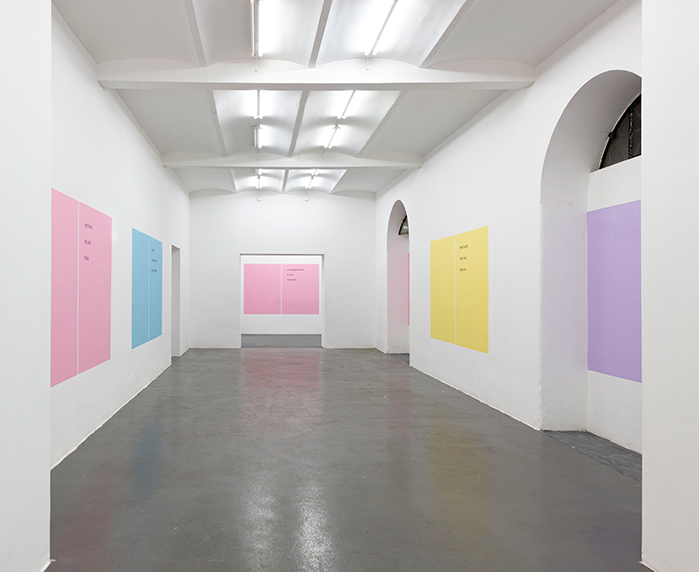
the internet used to feel like a new, empty space
today it feels more like a bad habit
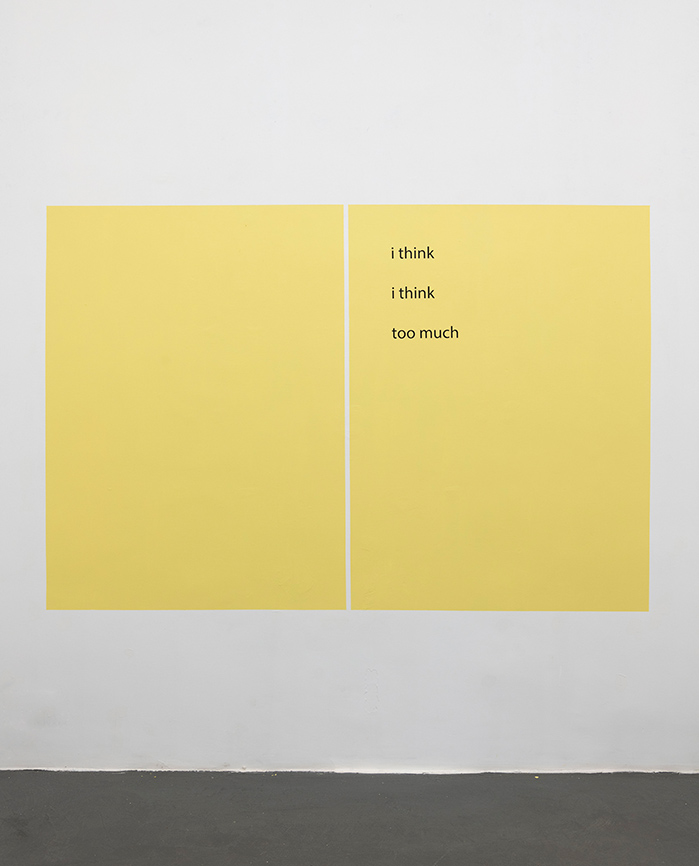
i have never been able to come up with anything while browsing the web
i need an empty room to find ideas
the internet is the opposite of an empty room
the internet used to feel like a new, empty space
today it feels more like a bad habit
i have never been able to come up with anything while browsing the web
i need an empty room to find ideas
the internet is the opposite of an empty room
to paint
or to paint
that is the question
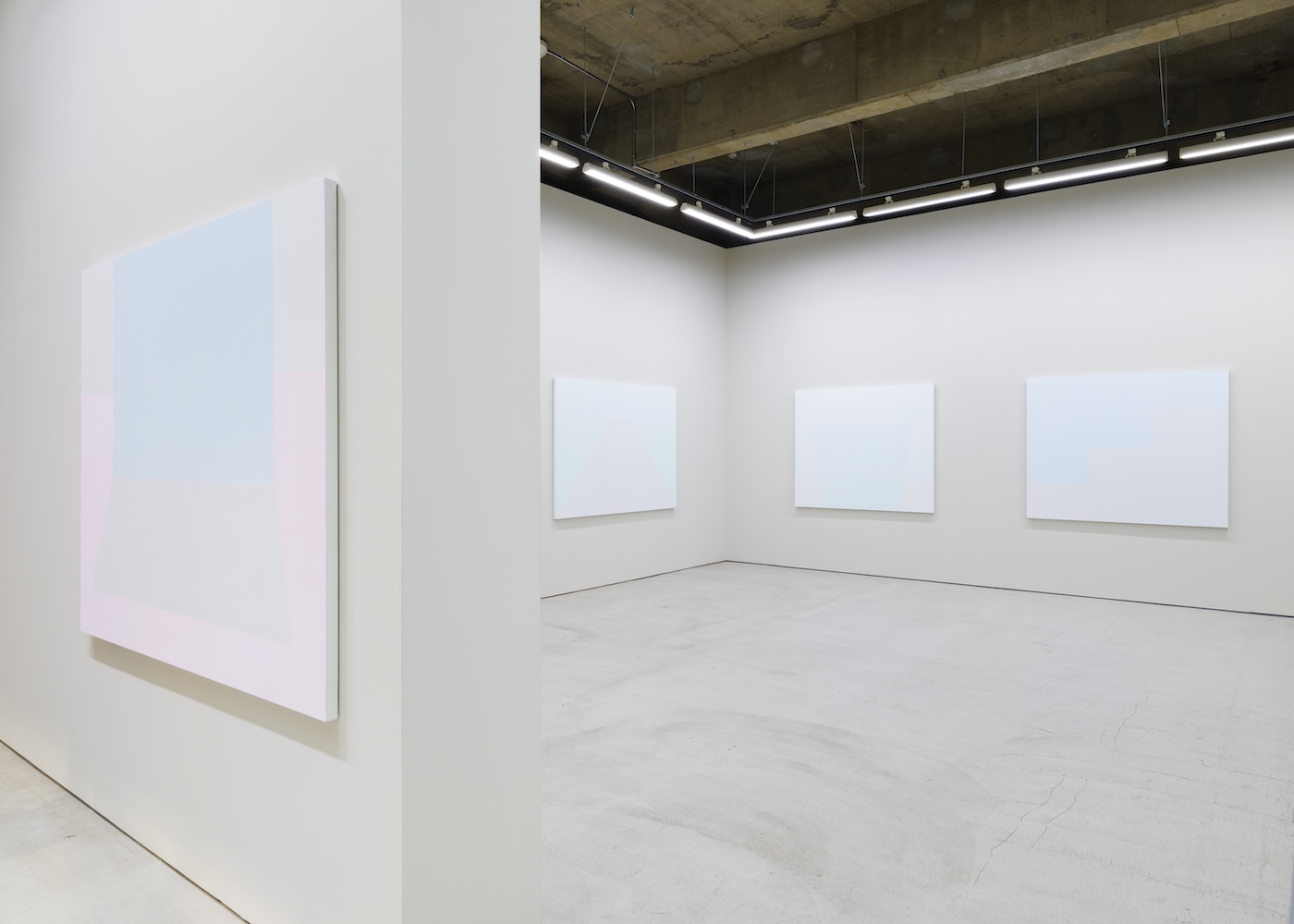
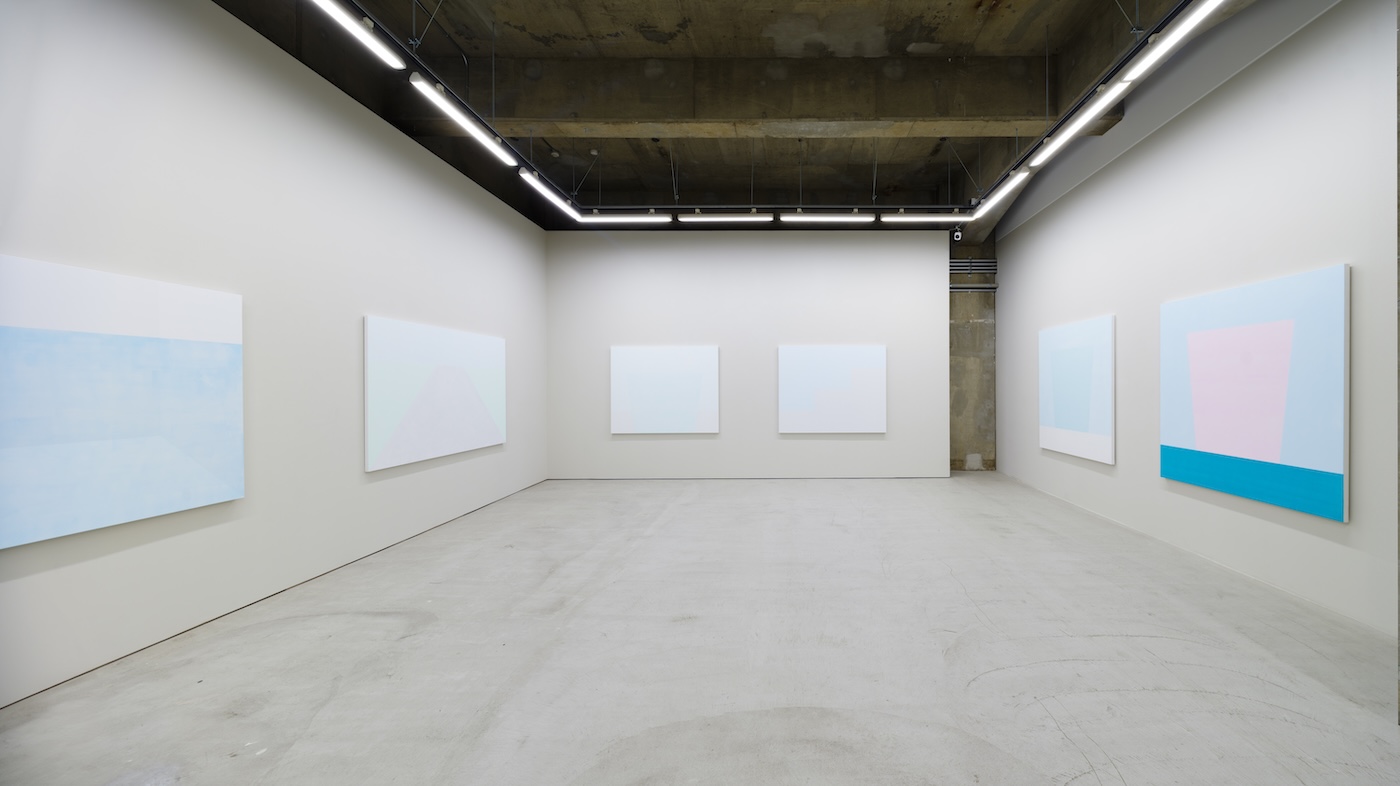
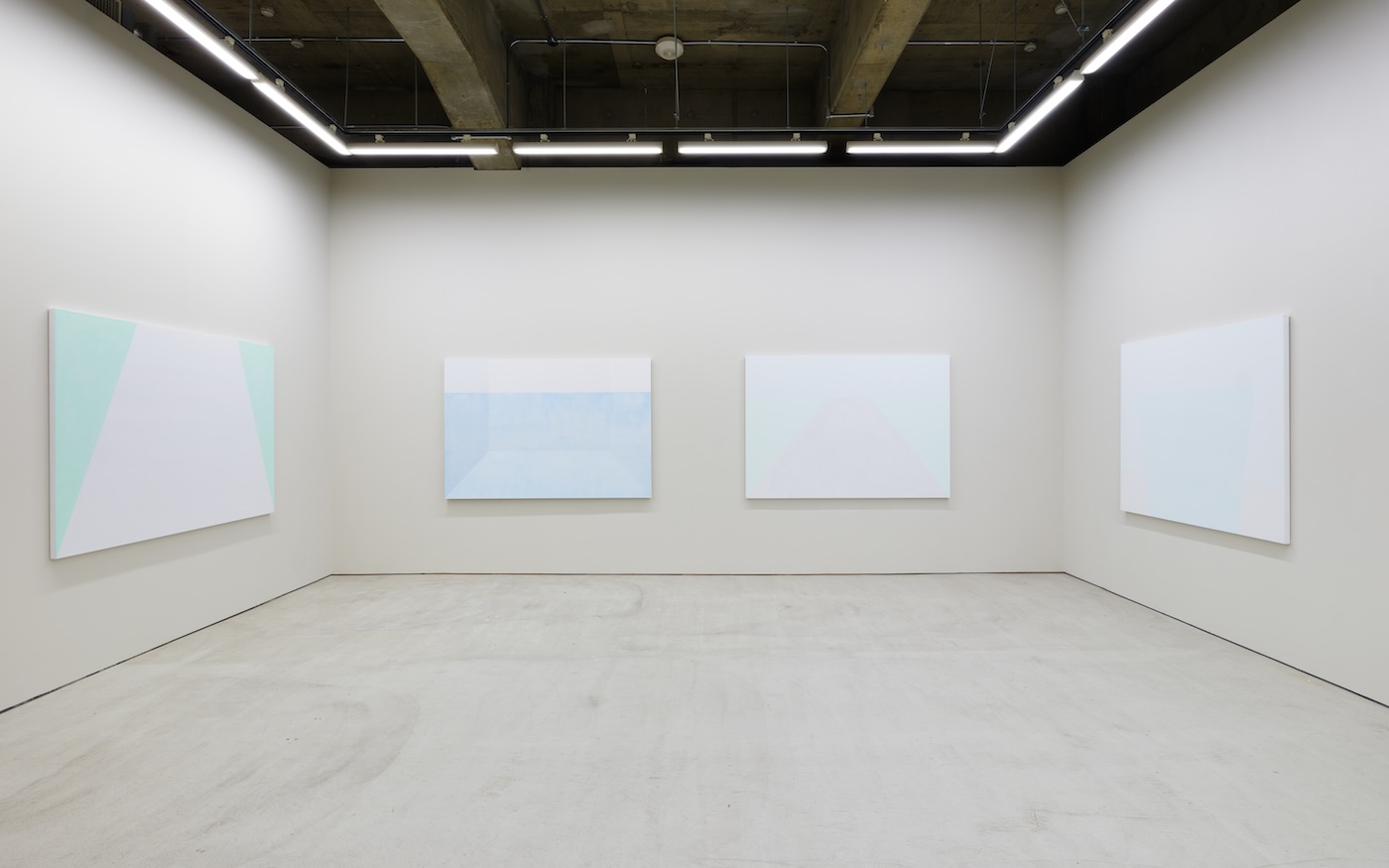
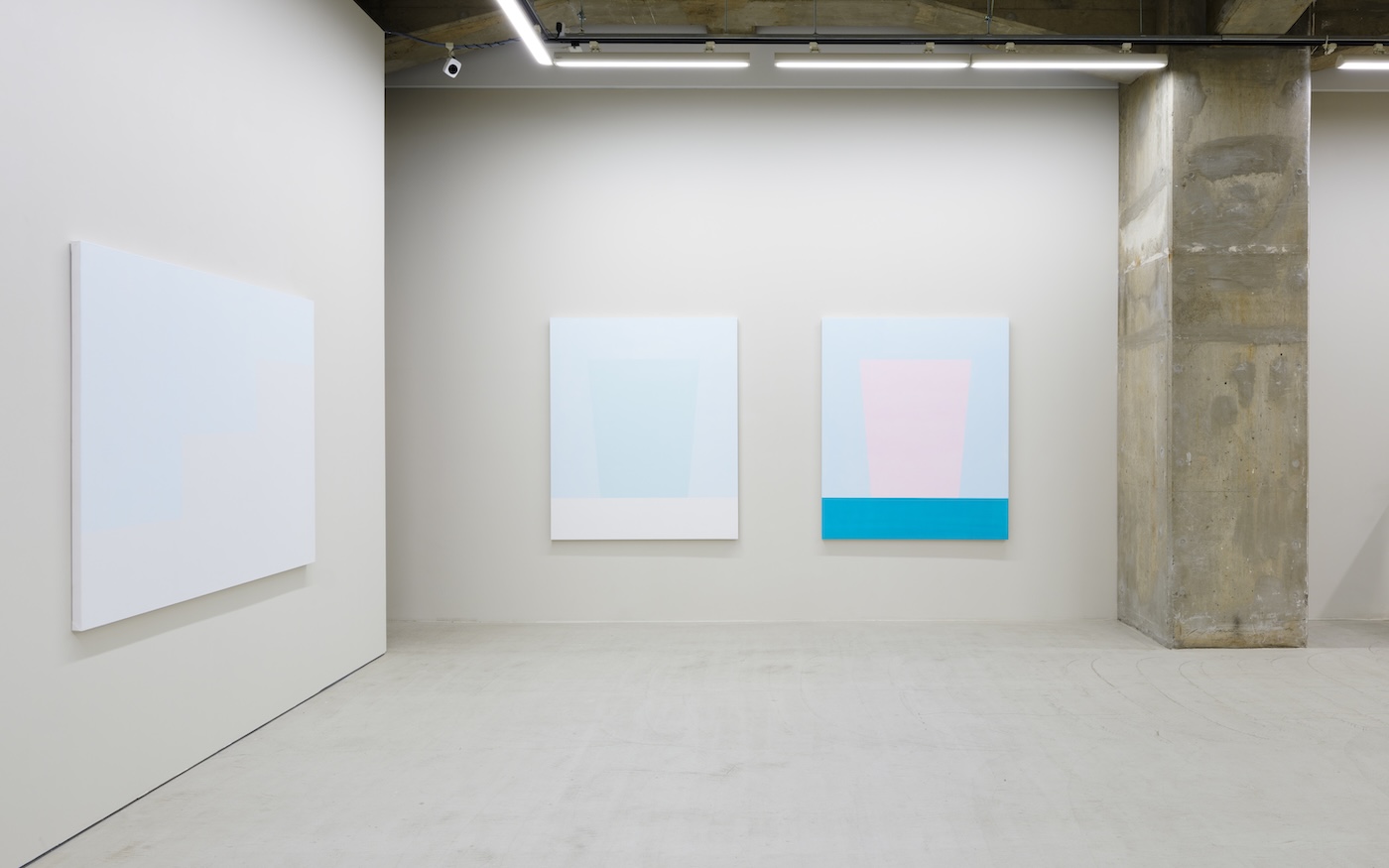
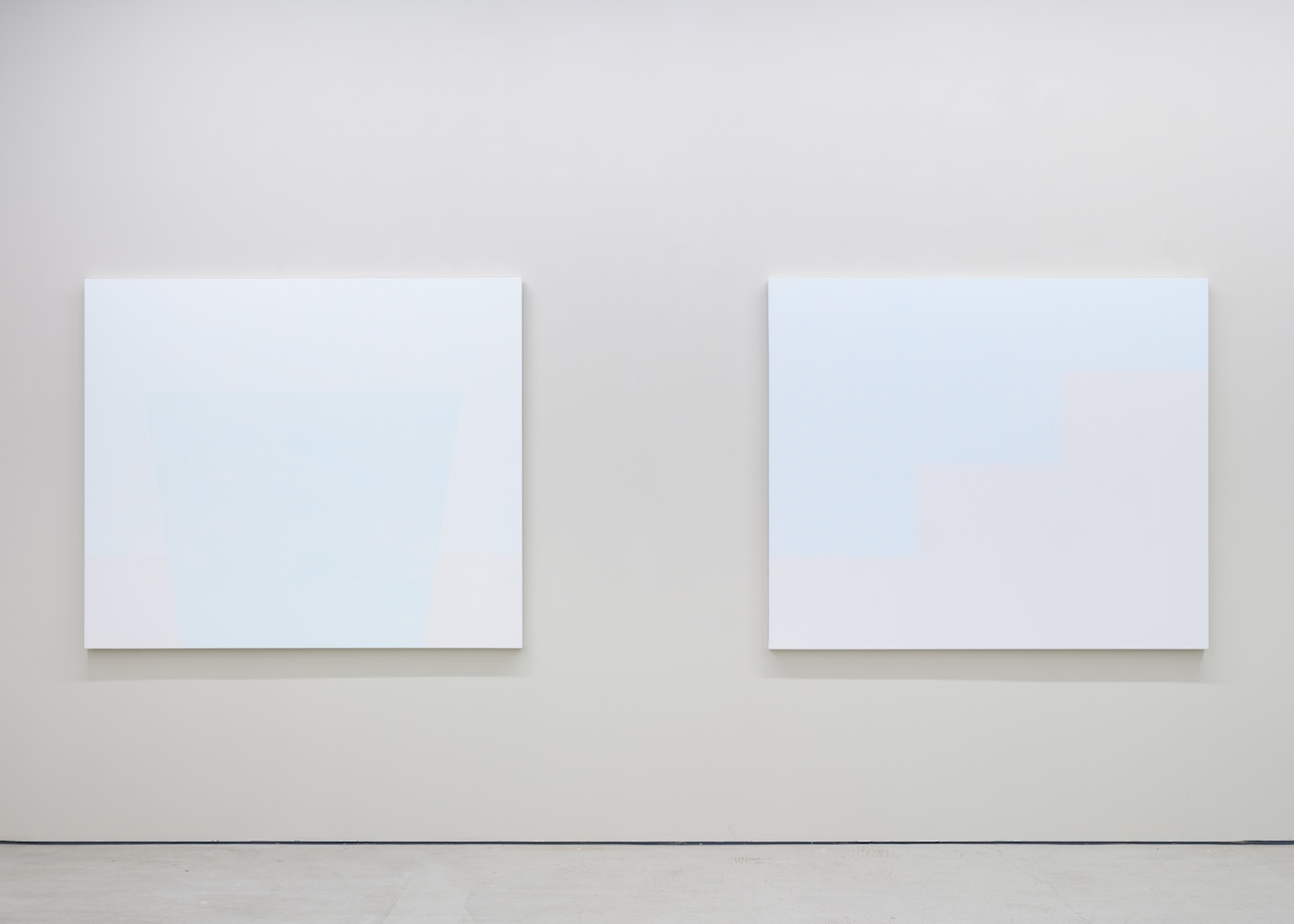
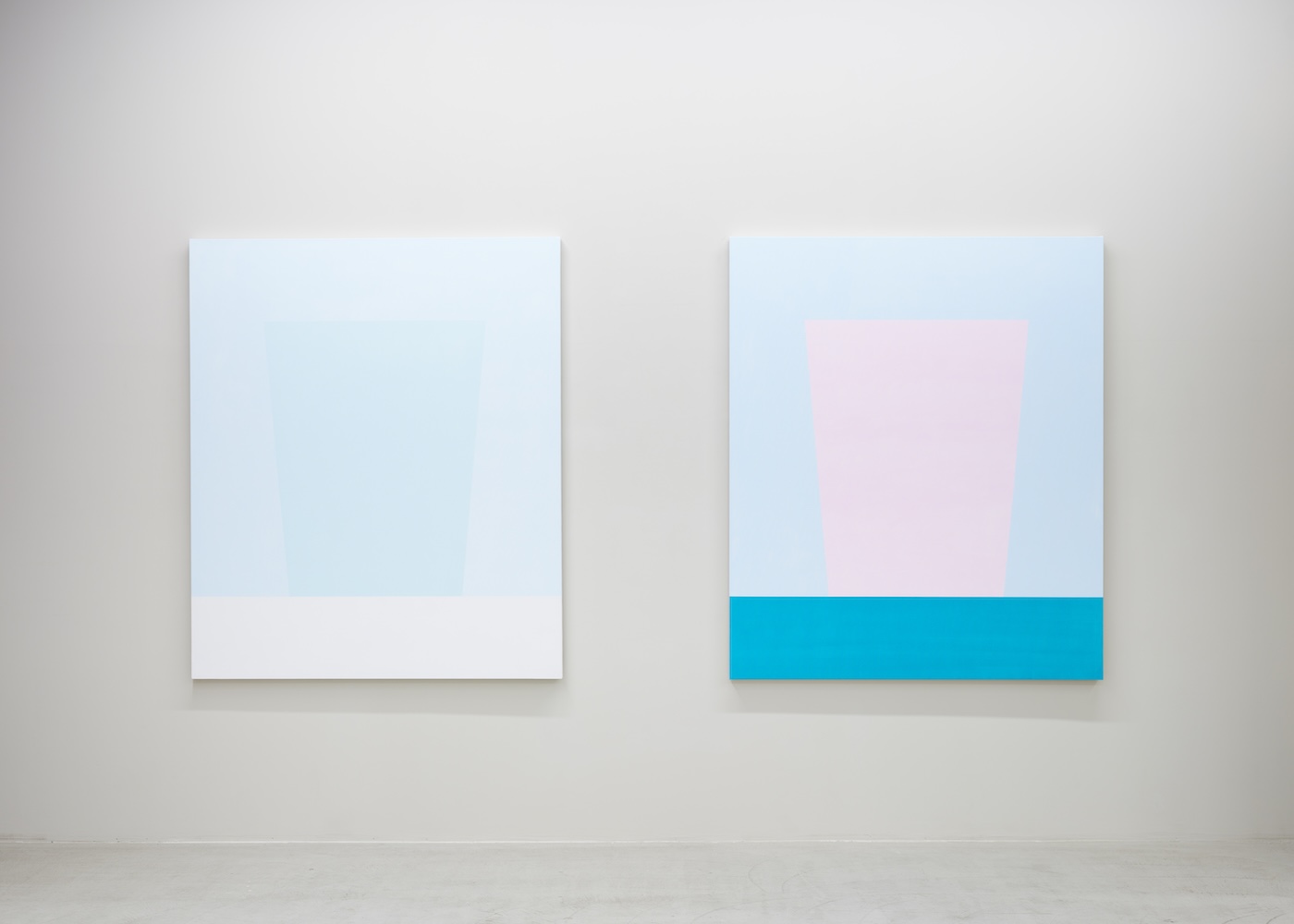
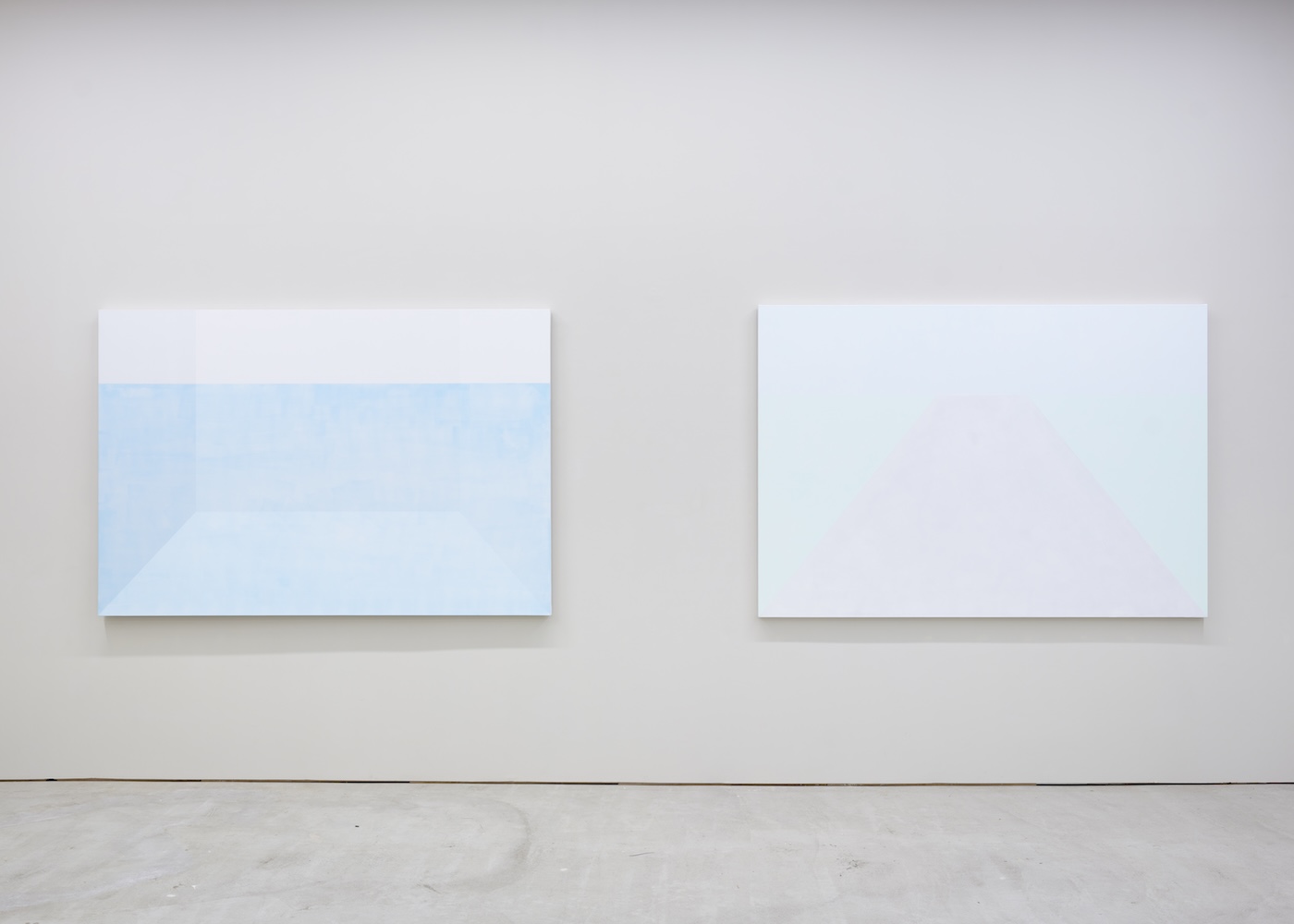
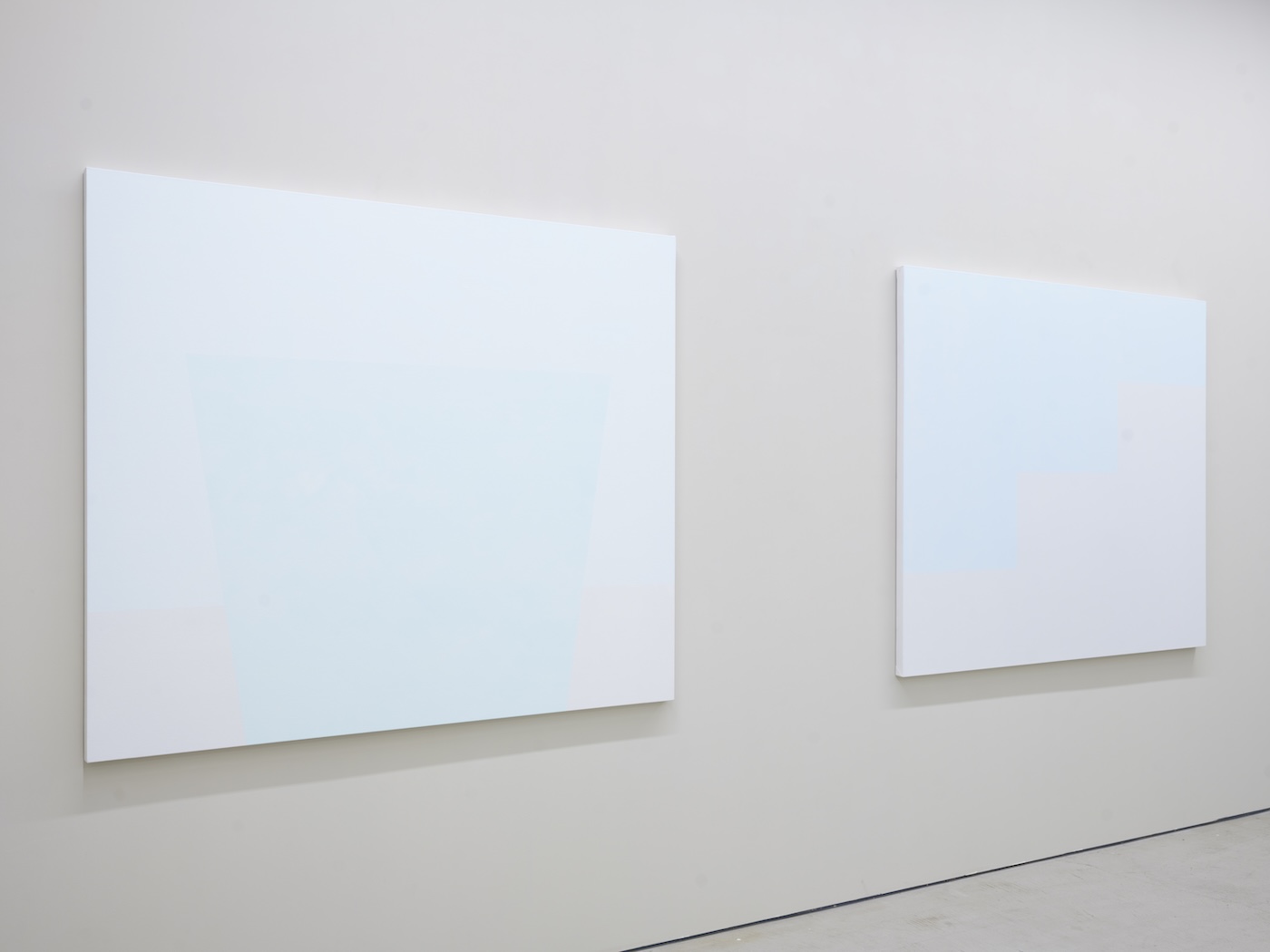
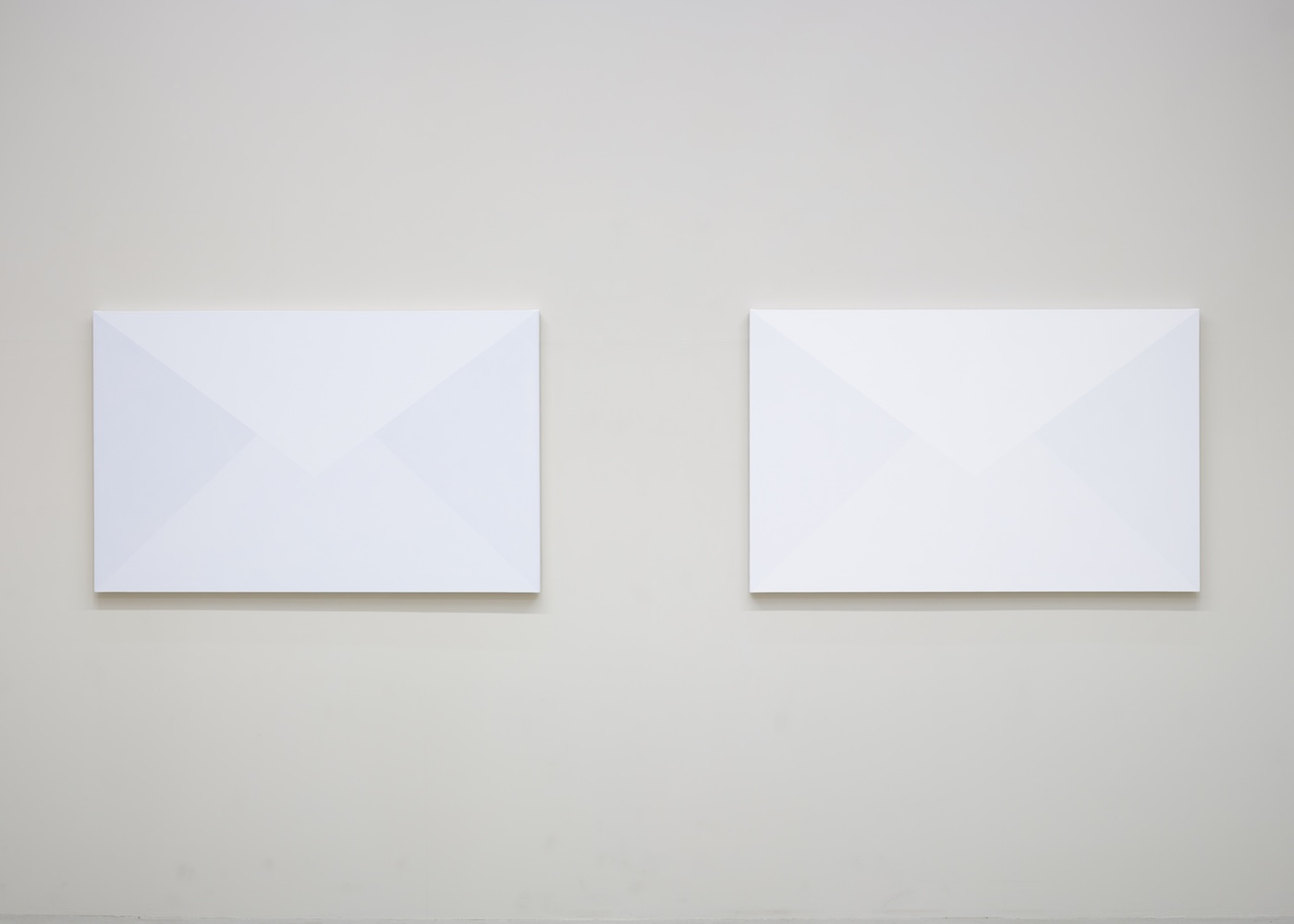
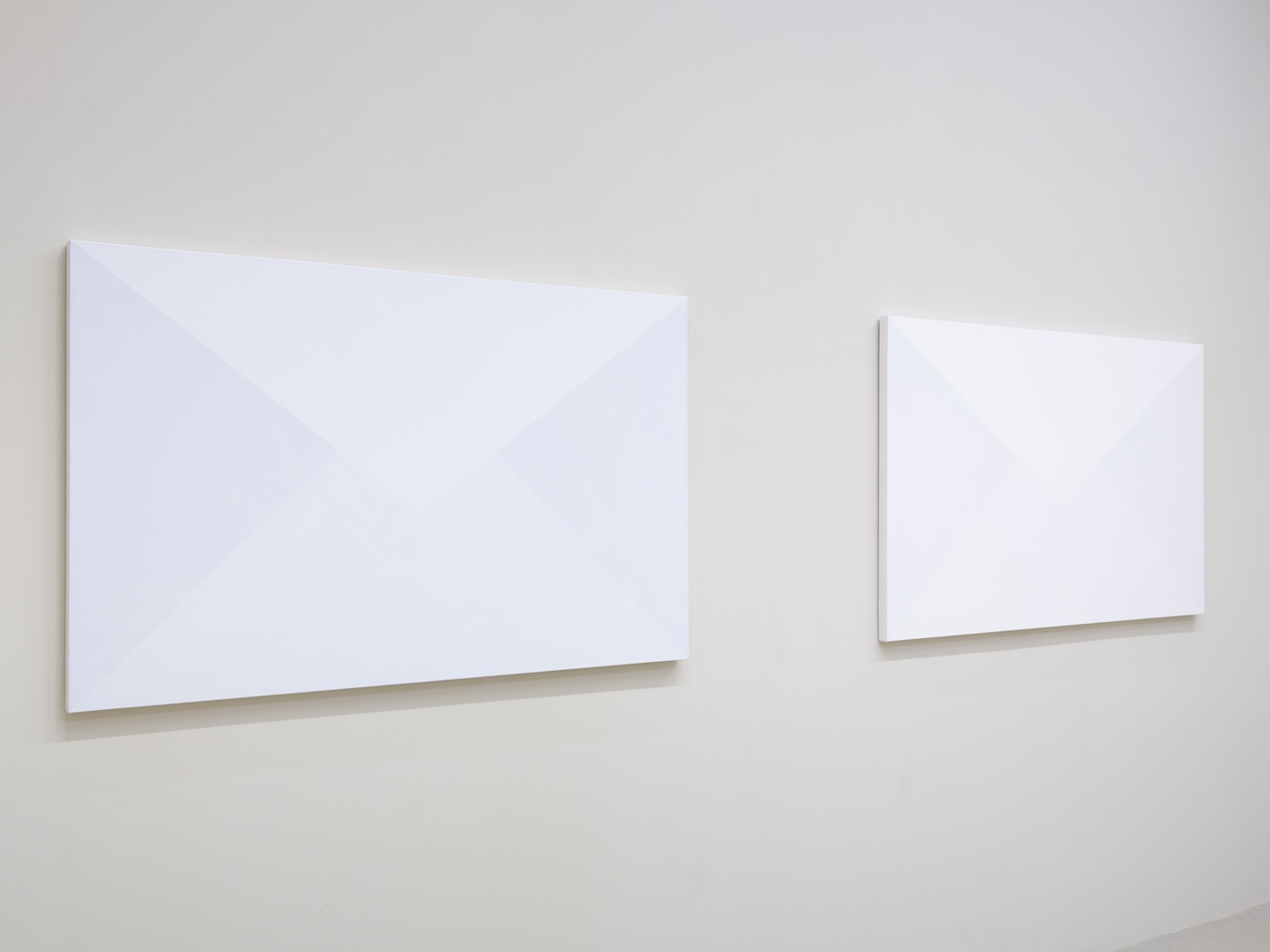
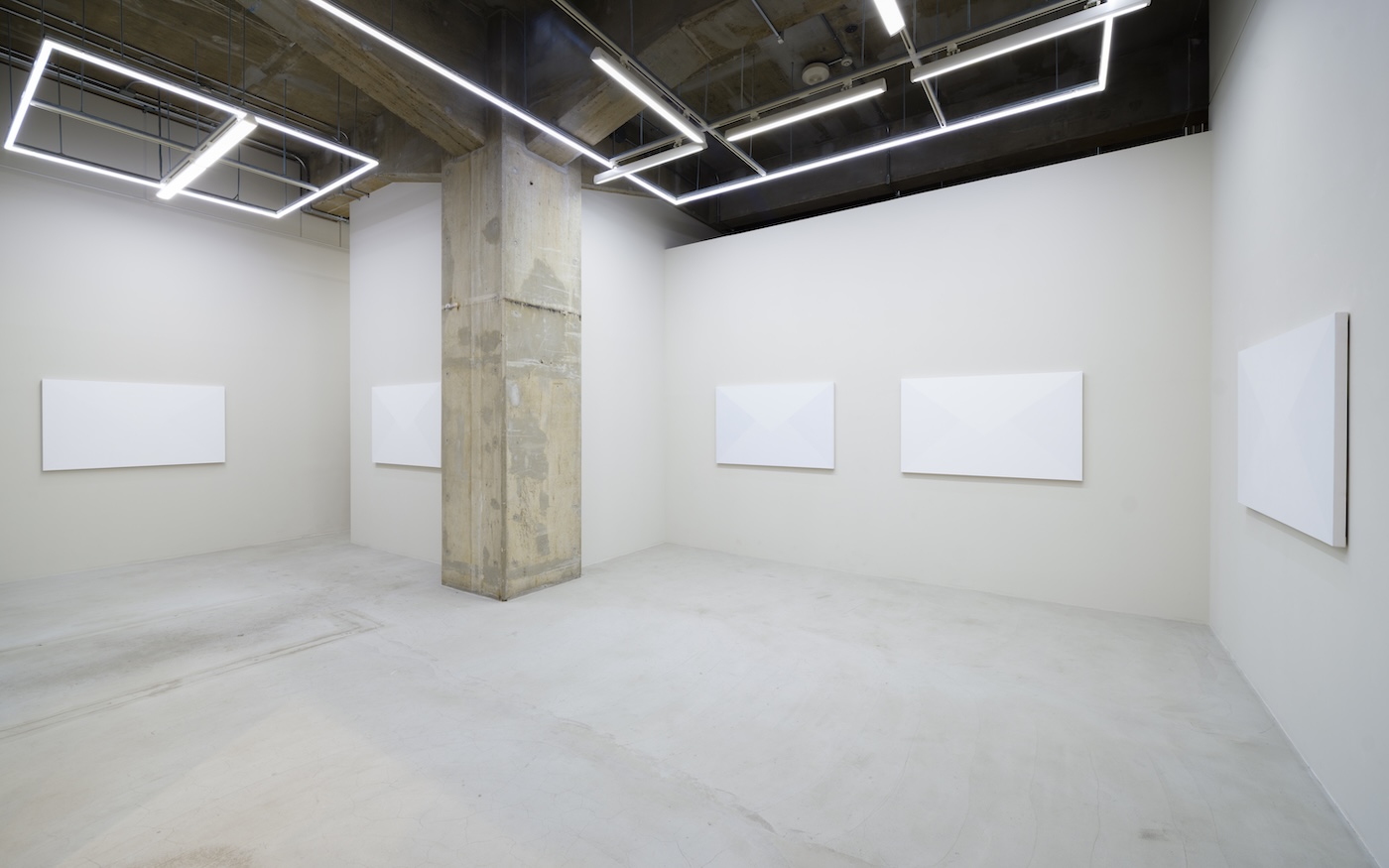
photos by Shu Nakagawa
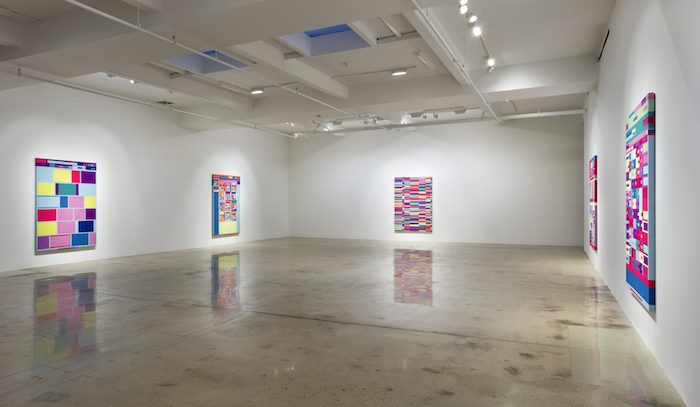
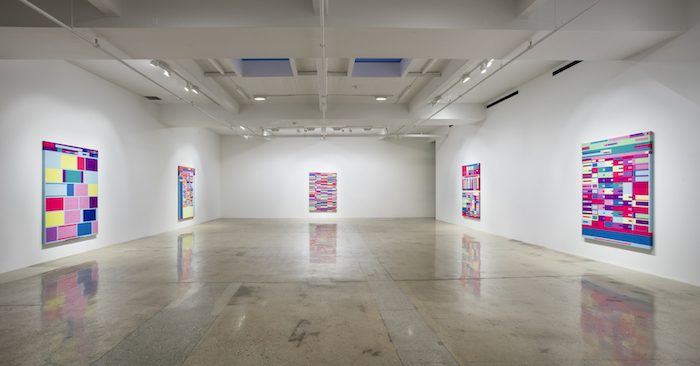
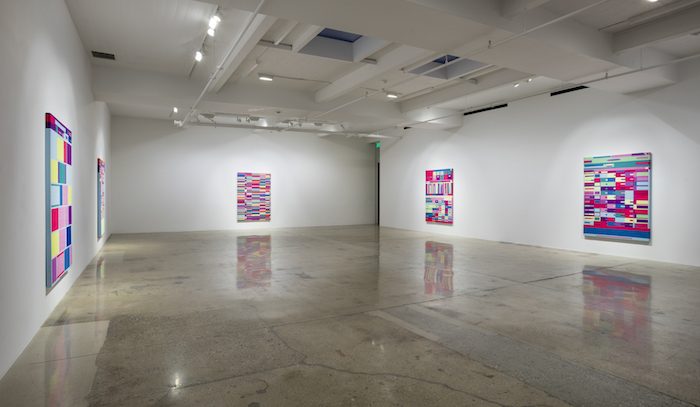
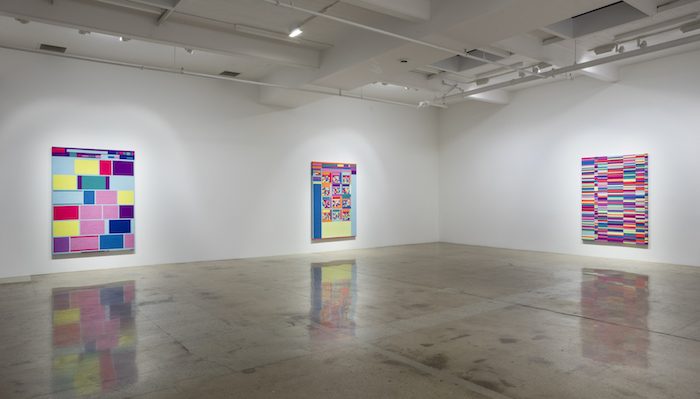
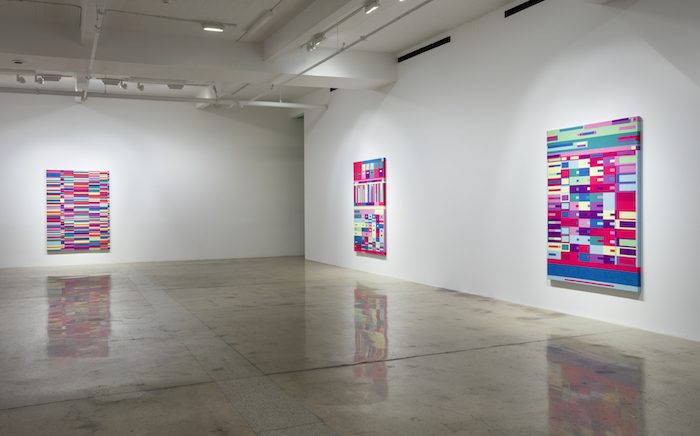
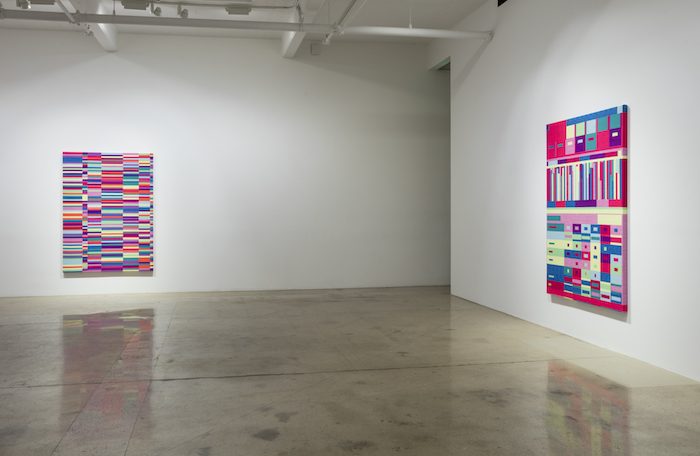
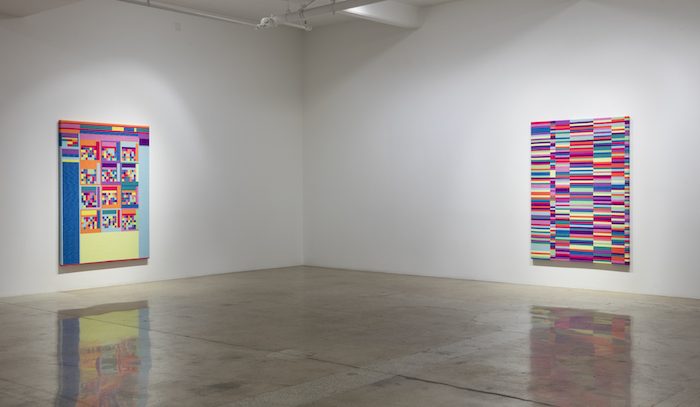
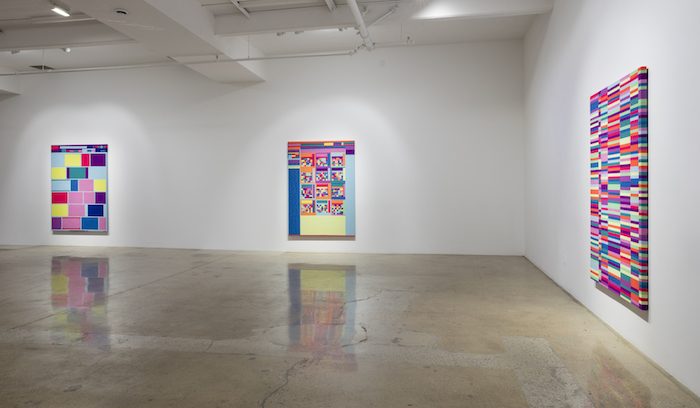
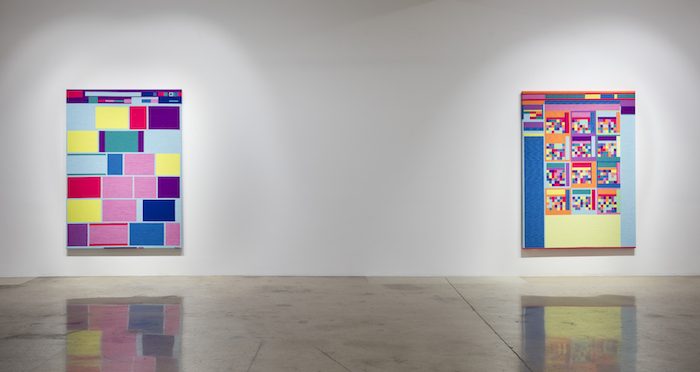
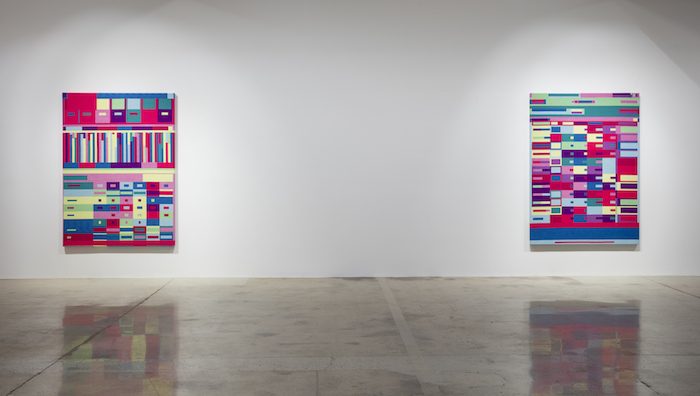
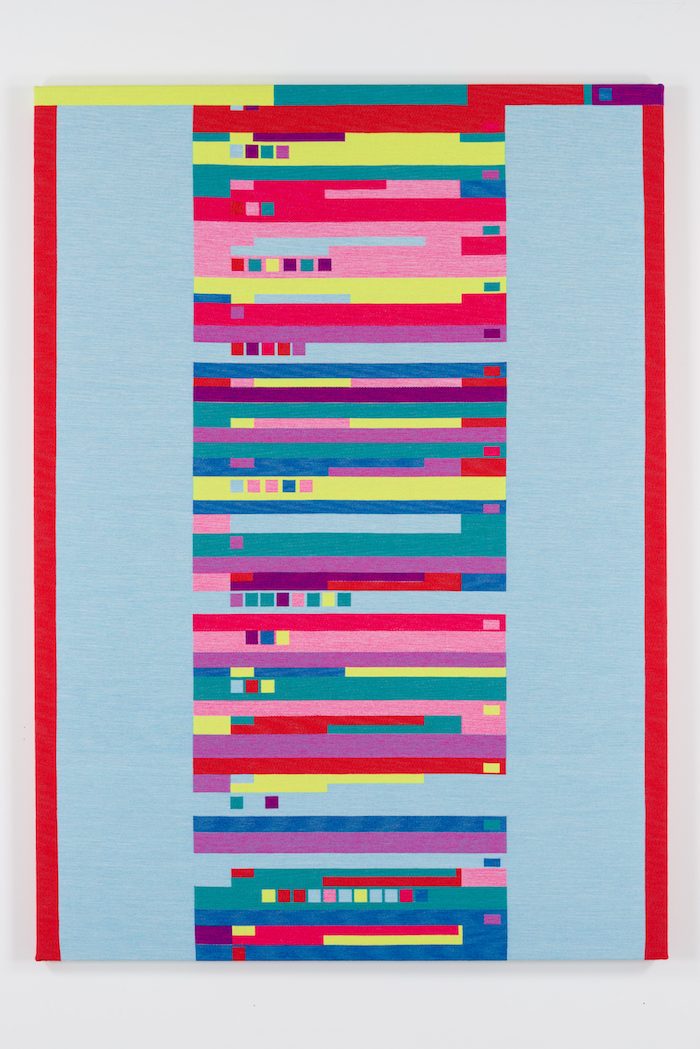
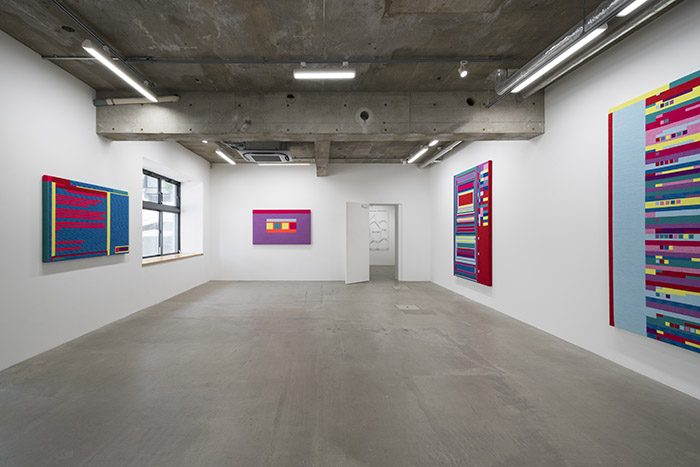
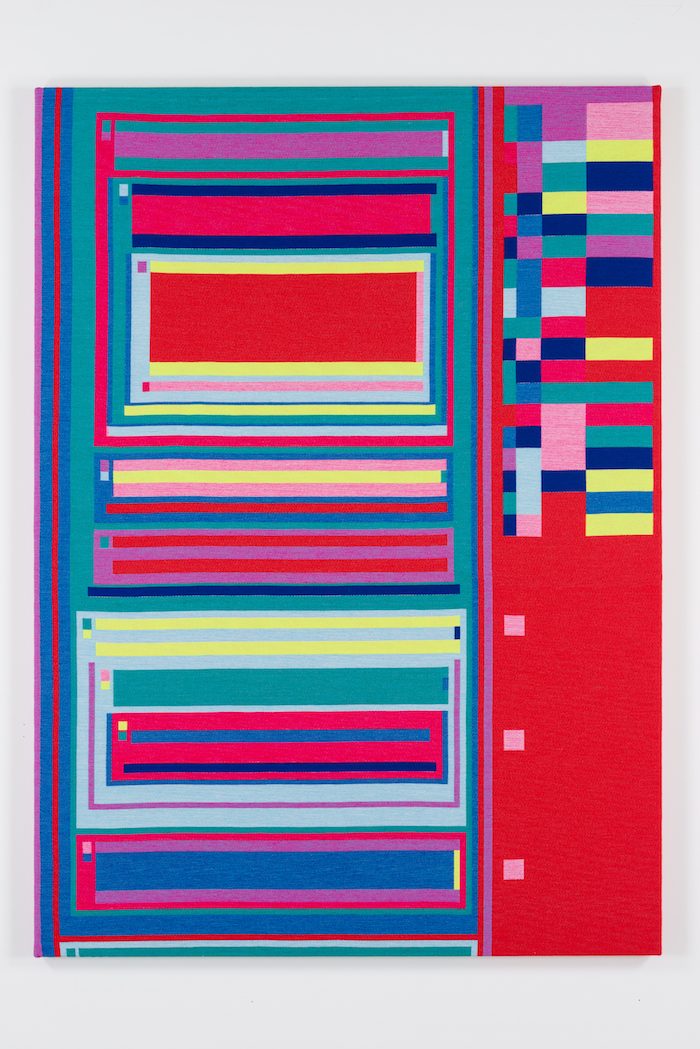
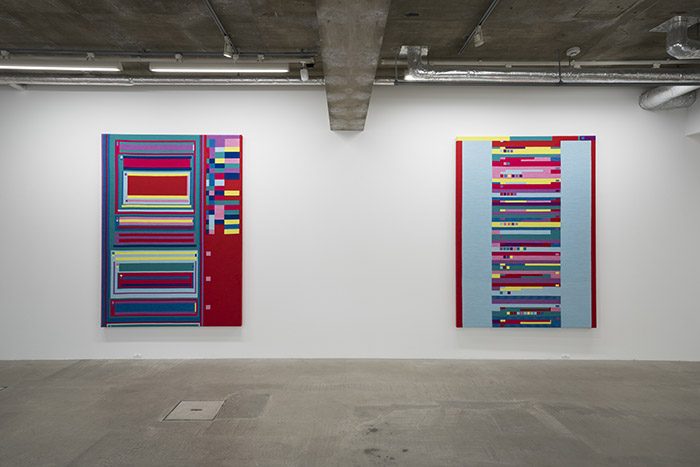
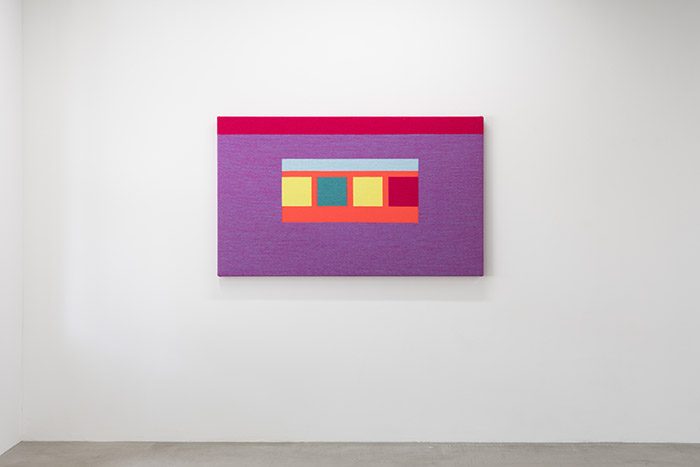
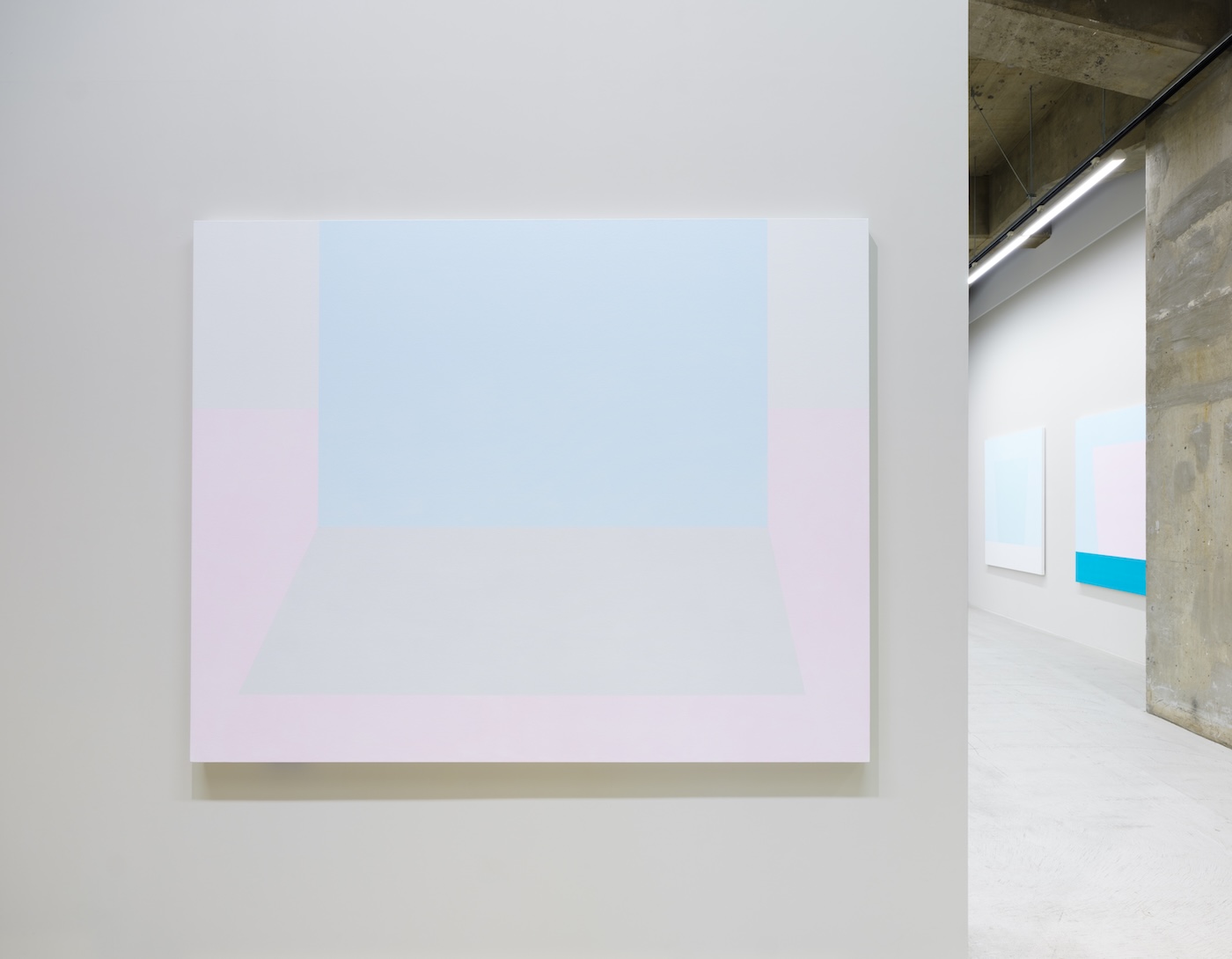
“Details”, exhibition at Takuro Someya in Tokyo.
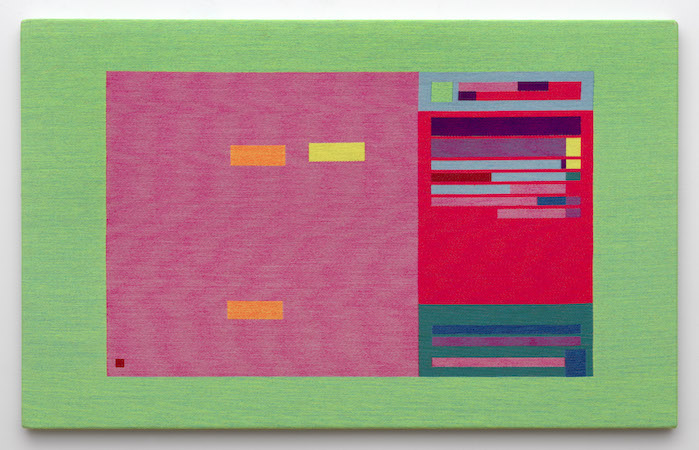
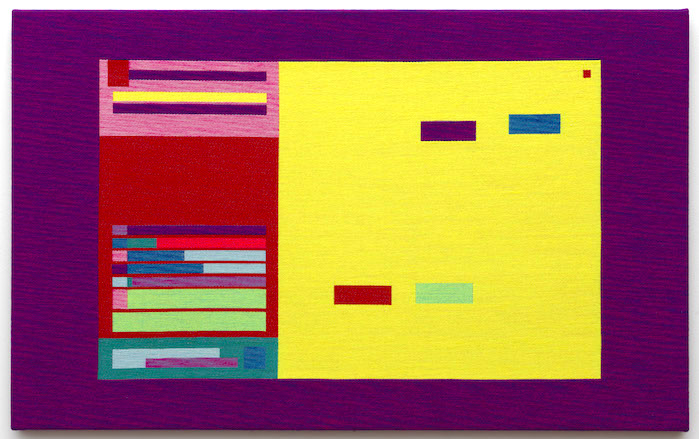
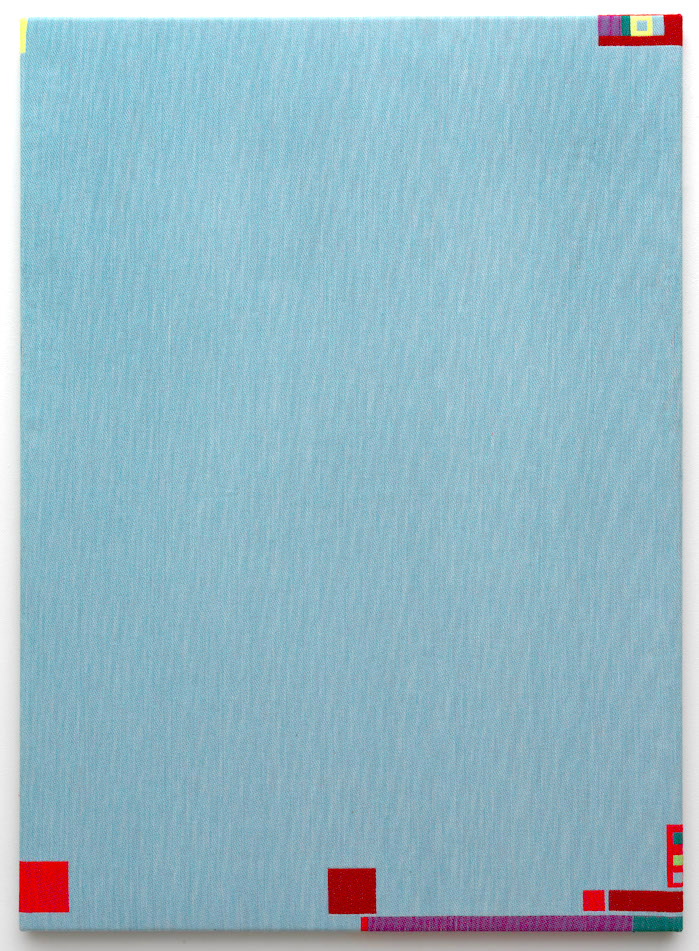
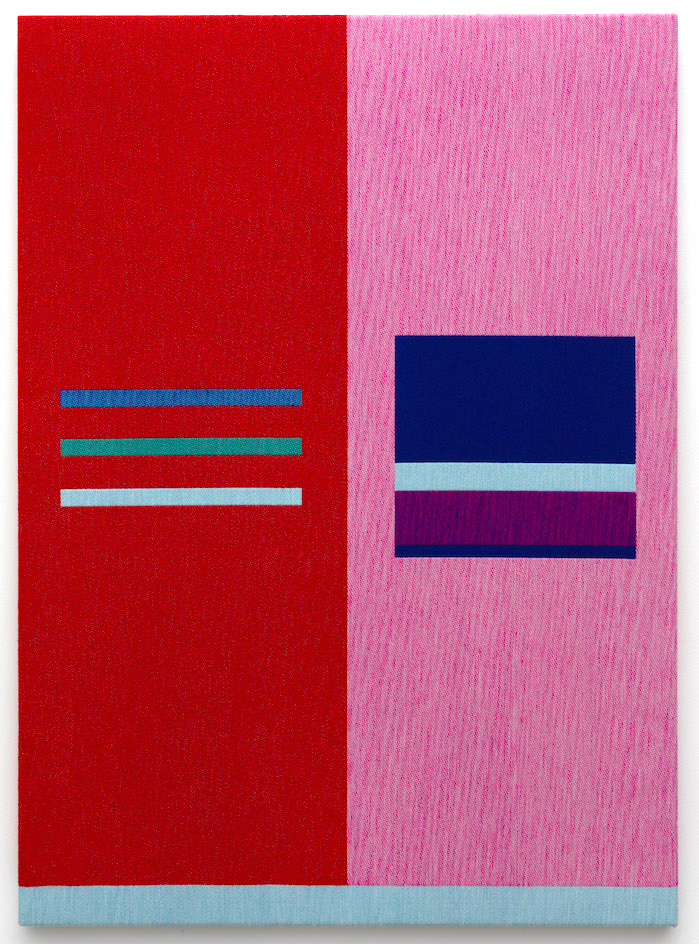
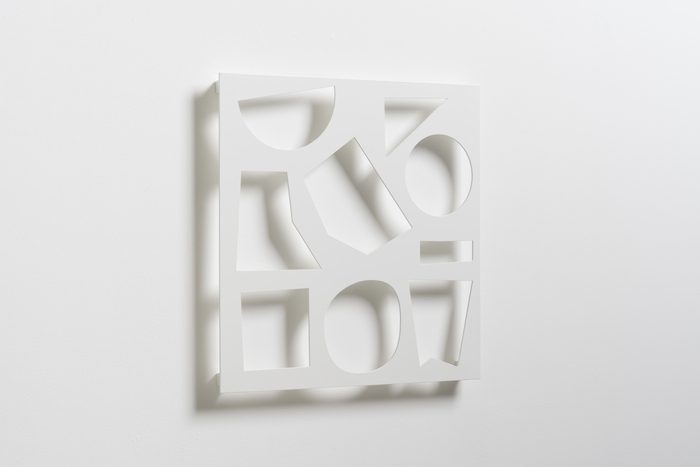
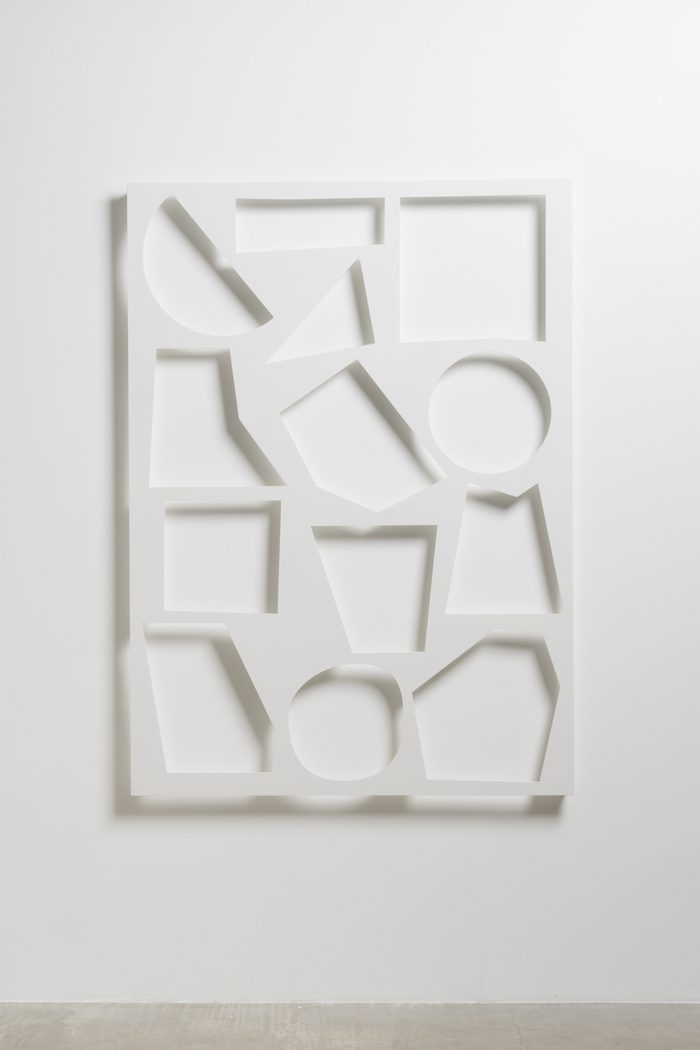
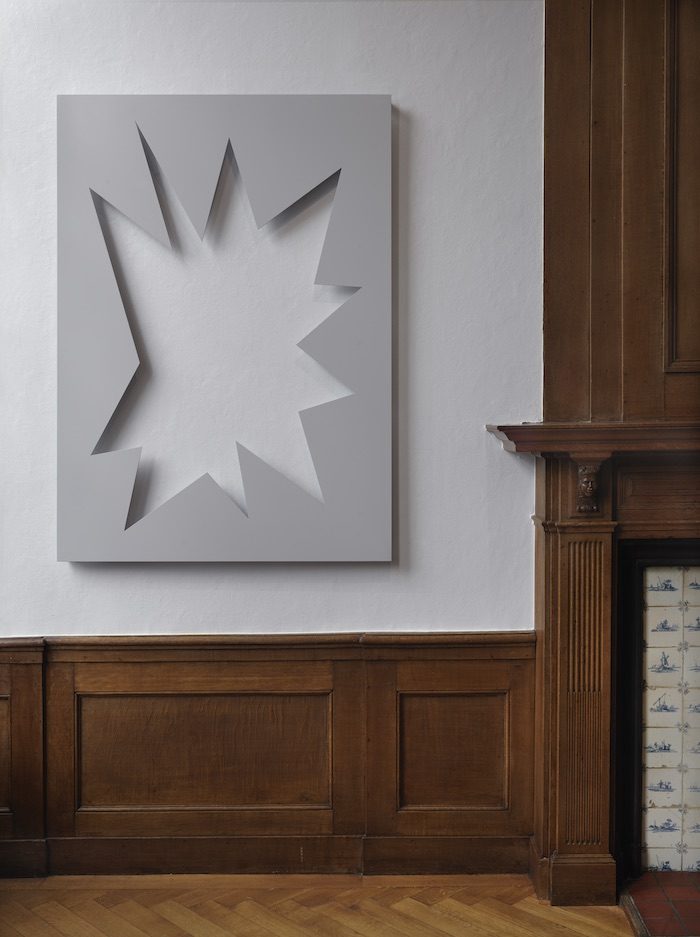
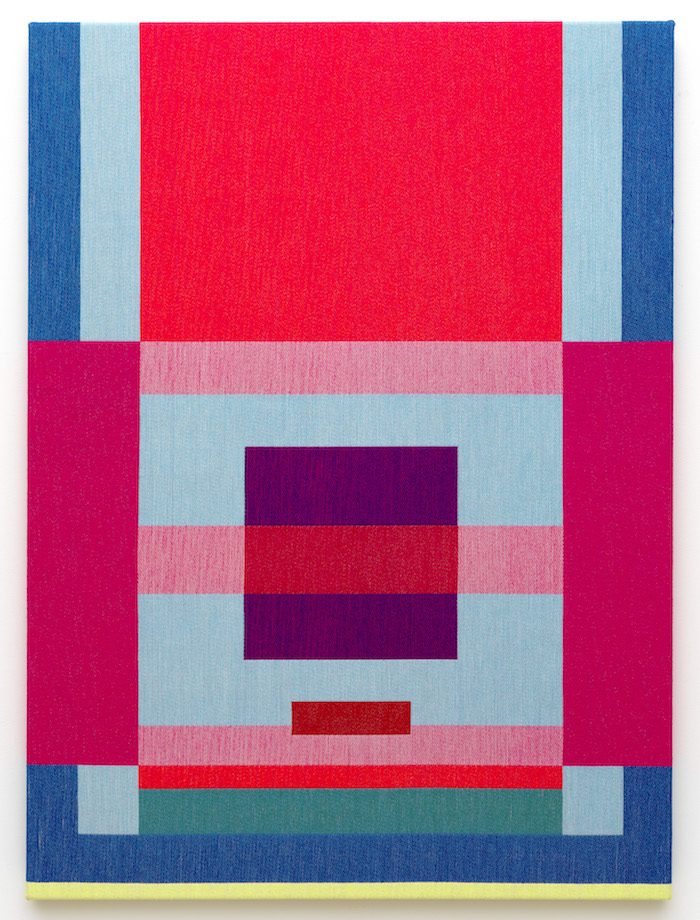
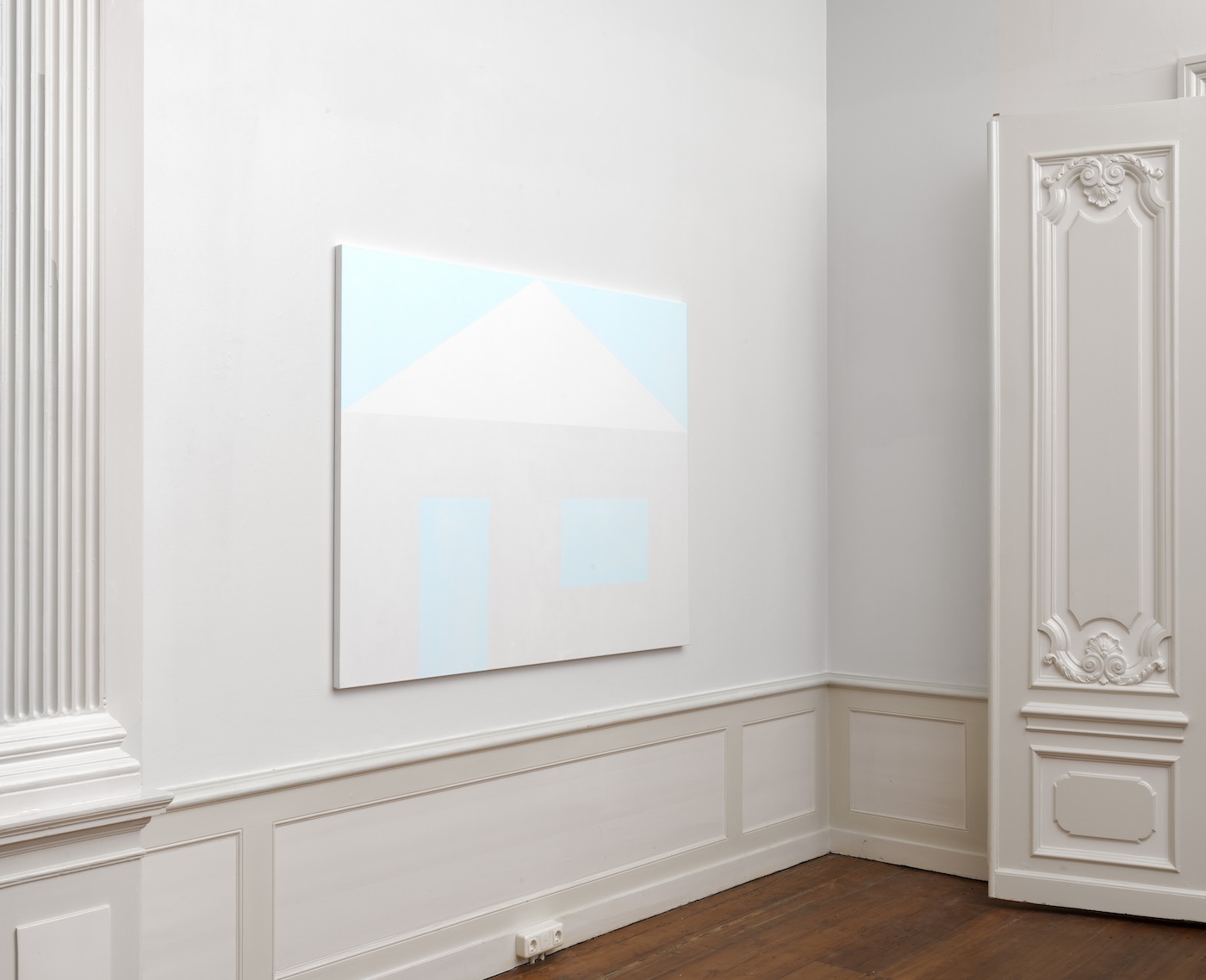
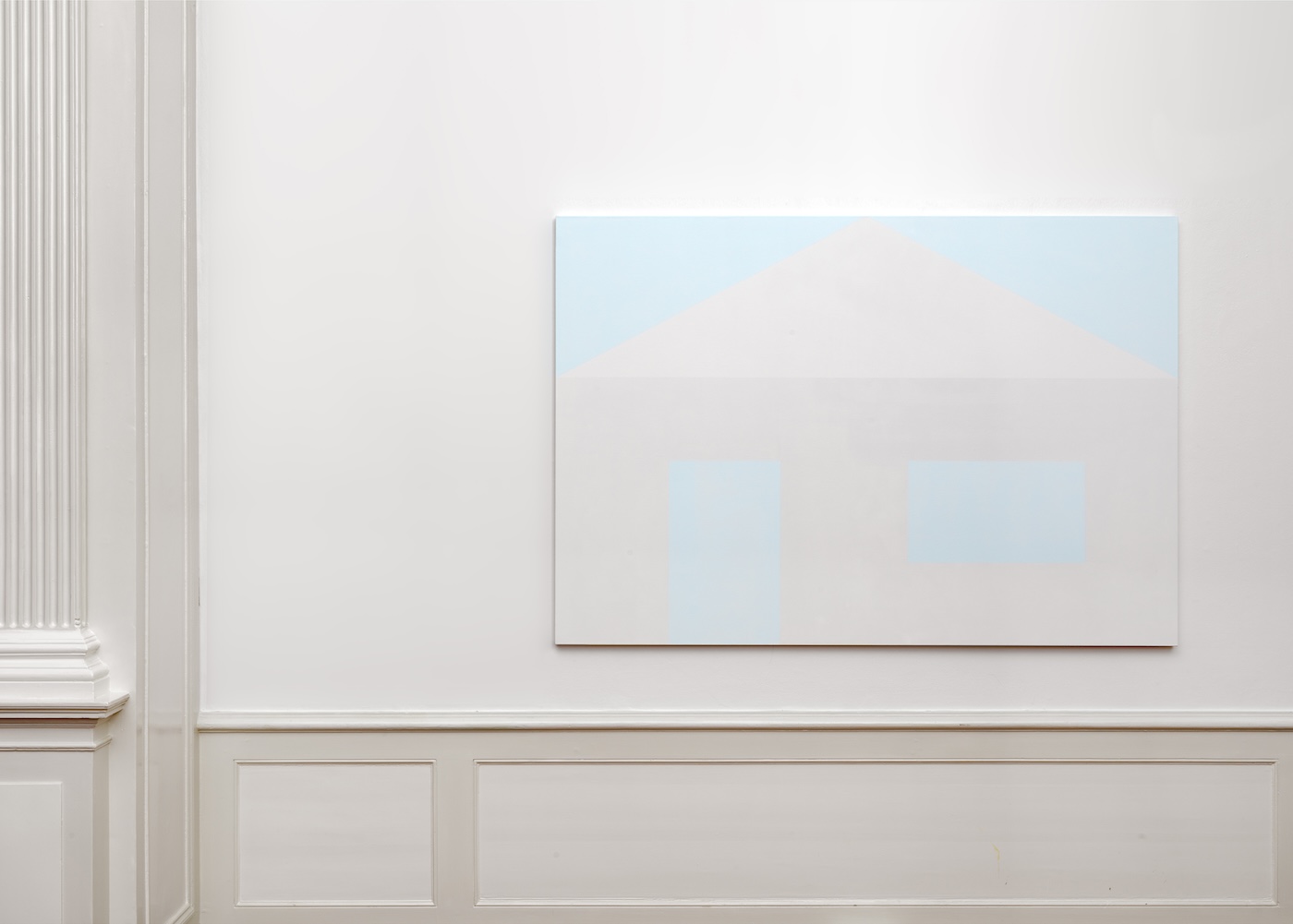
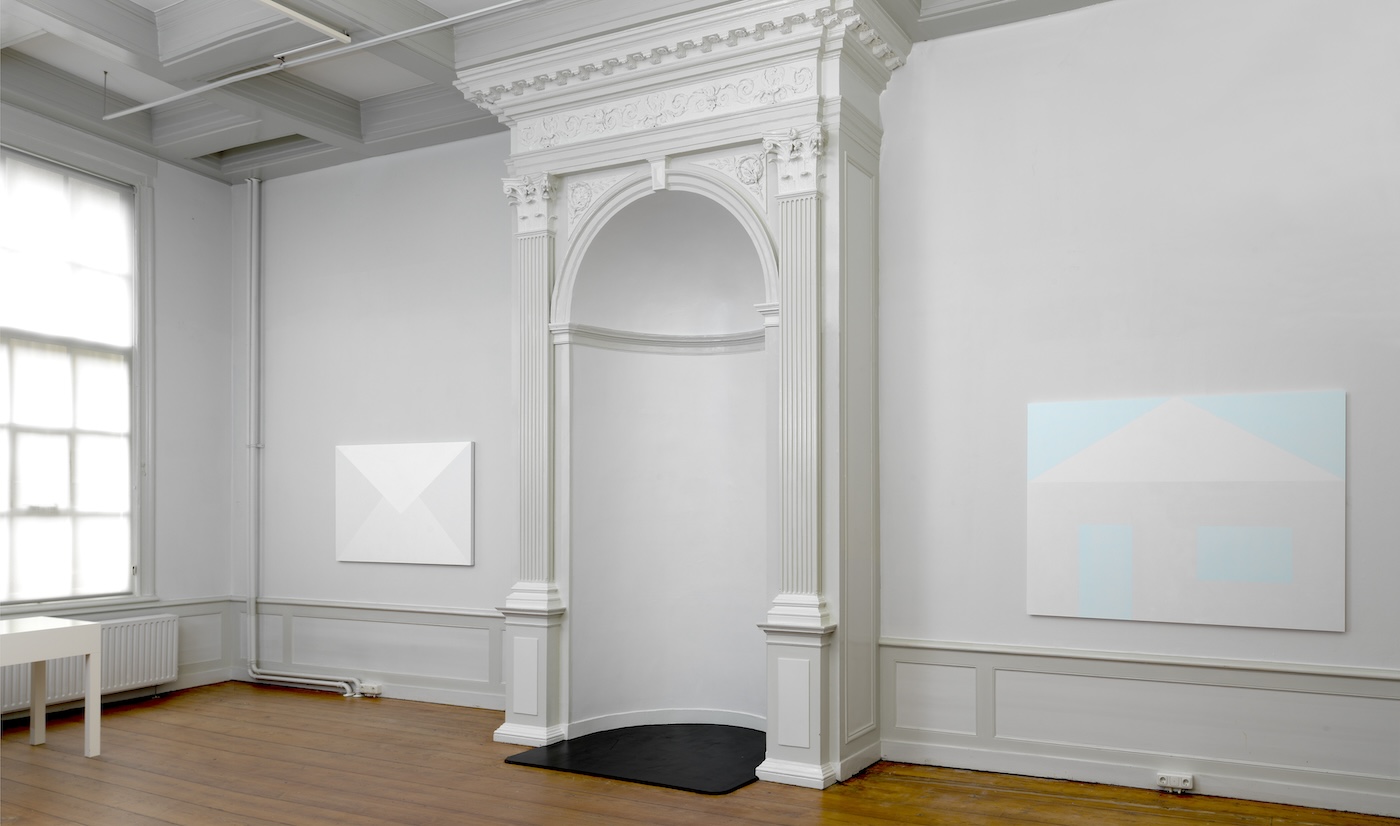
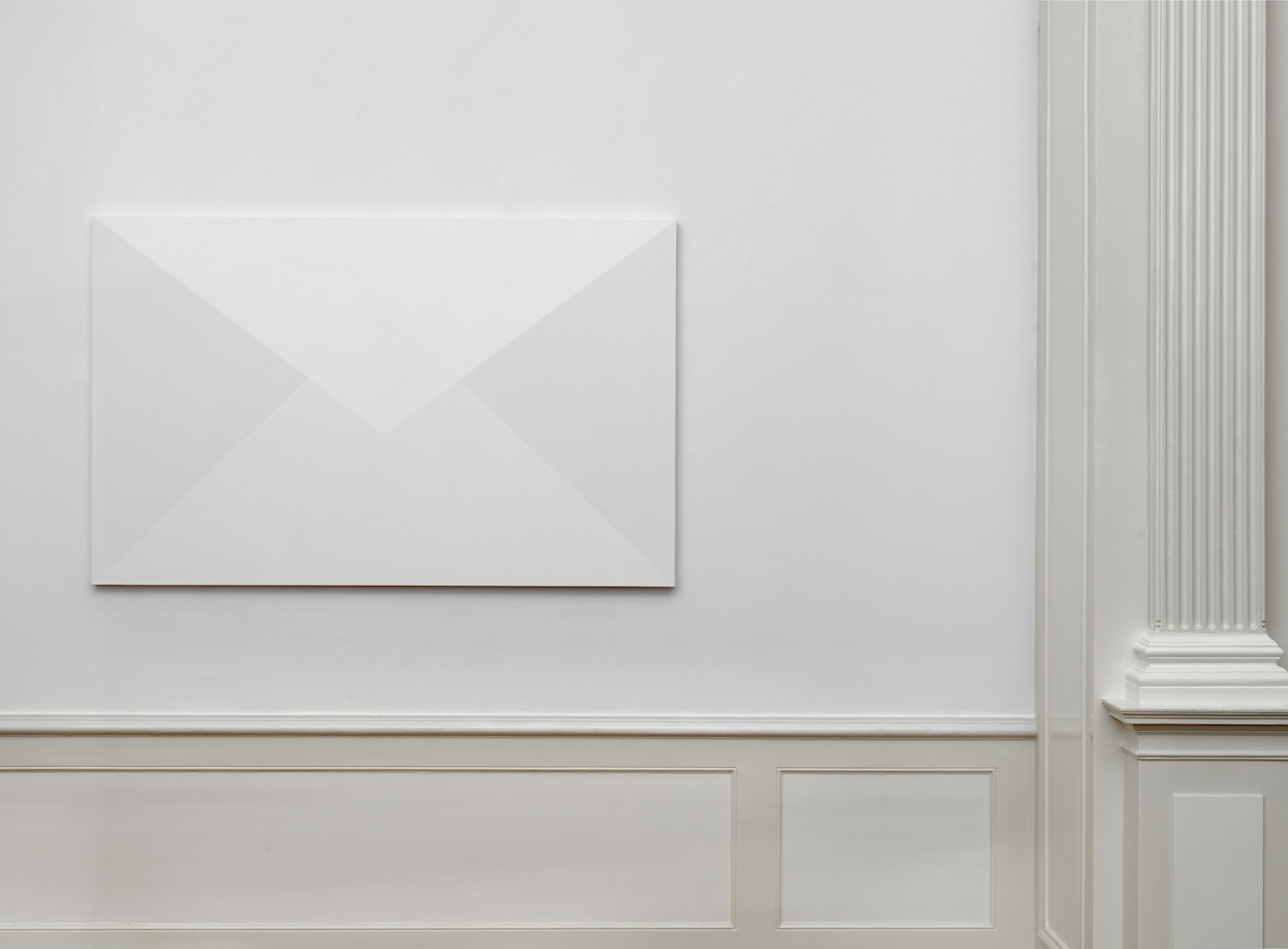
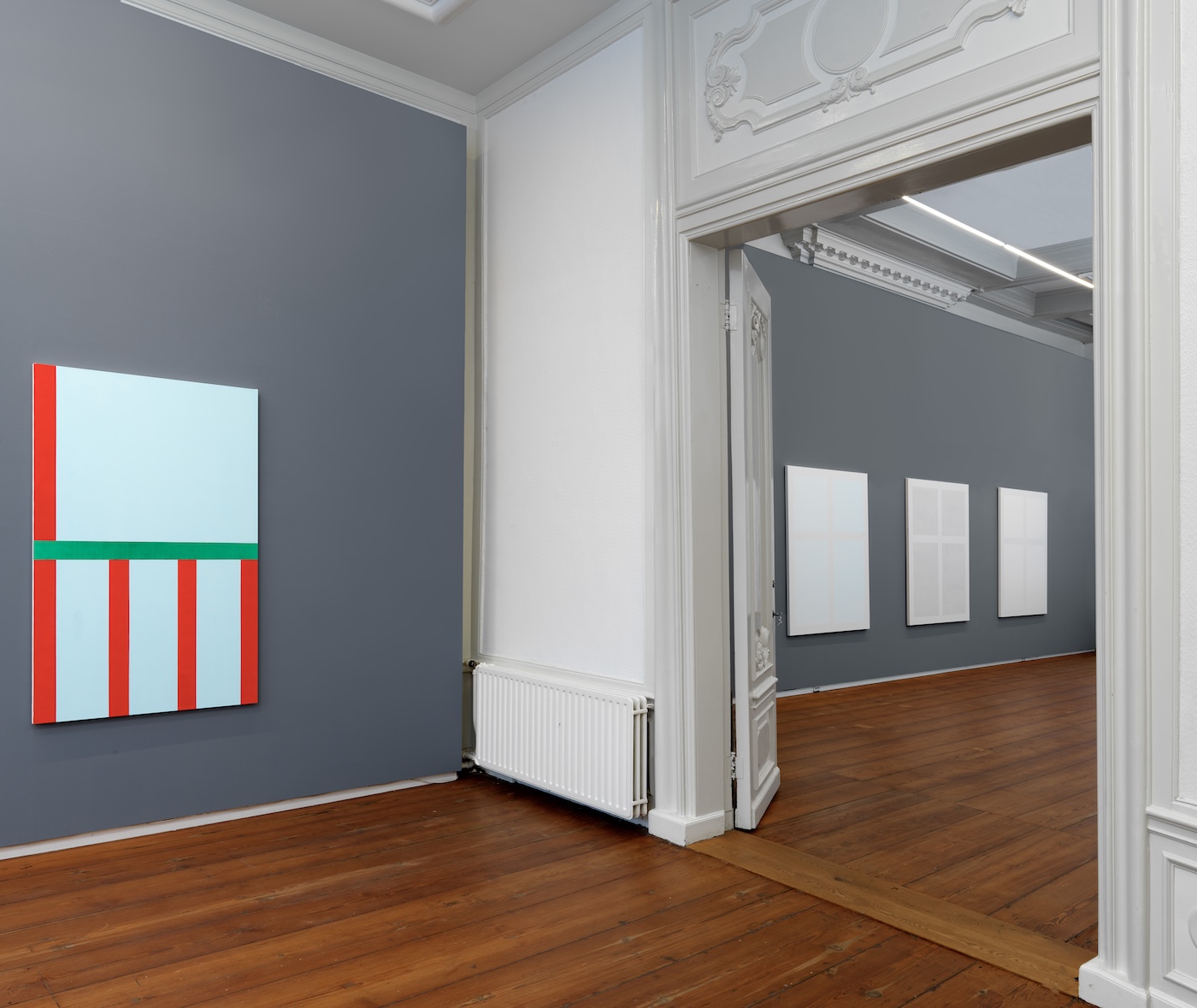
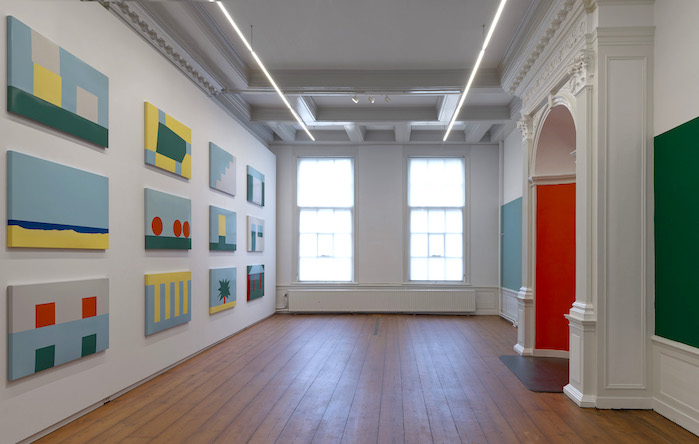
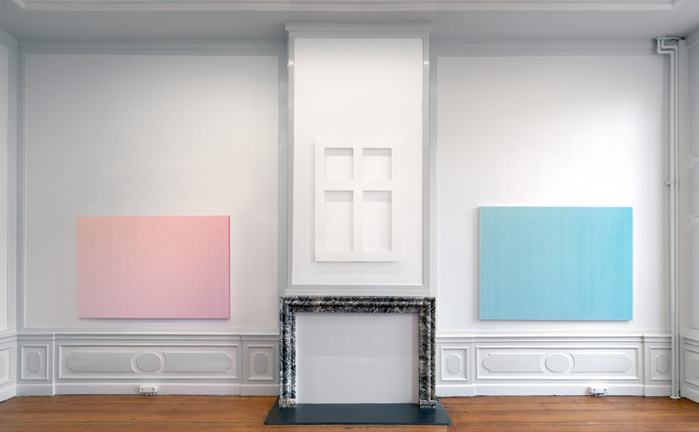
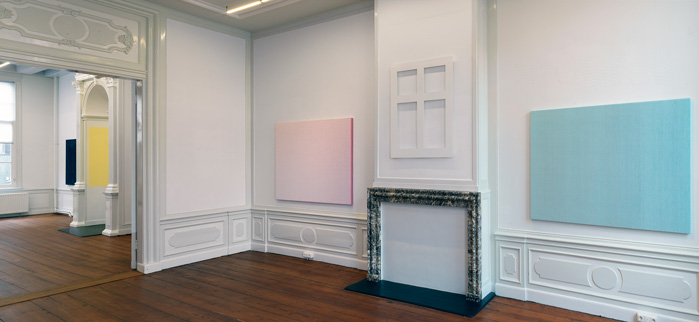
Thin washes of paint are layered and rolled in a methodical manner, replacing the pixelʼs clinical precision with surface variability. The series moves between flatness and spatial suggestion, anchored in consistently cool tones, which lend each form a sense of suspension and quiet fluctuation. His compositions minimal, diagrammatic, and open-ended, echo the logic of his web-based abstraction, but now speak through subtle hues, opacity, texture, and surface modulation. UI structures breathe again within the space of painting. Their language, once optimized digitally, returns in painterly form: modular, tactile, and deliberate. The paintings reframe familiar geometries as echoes of a larger visual history, aligning with presence. What begins as a system yields to sensation, where calibrated forms hover between historical resonances and immediacy. It is here that abstraction absorbs memory, and structure begins to feel like intuition. A diagram opens into a landscape of perception.
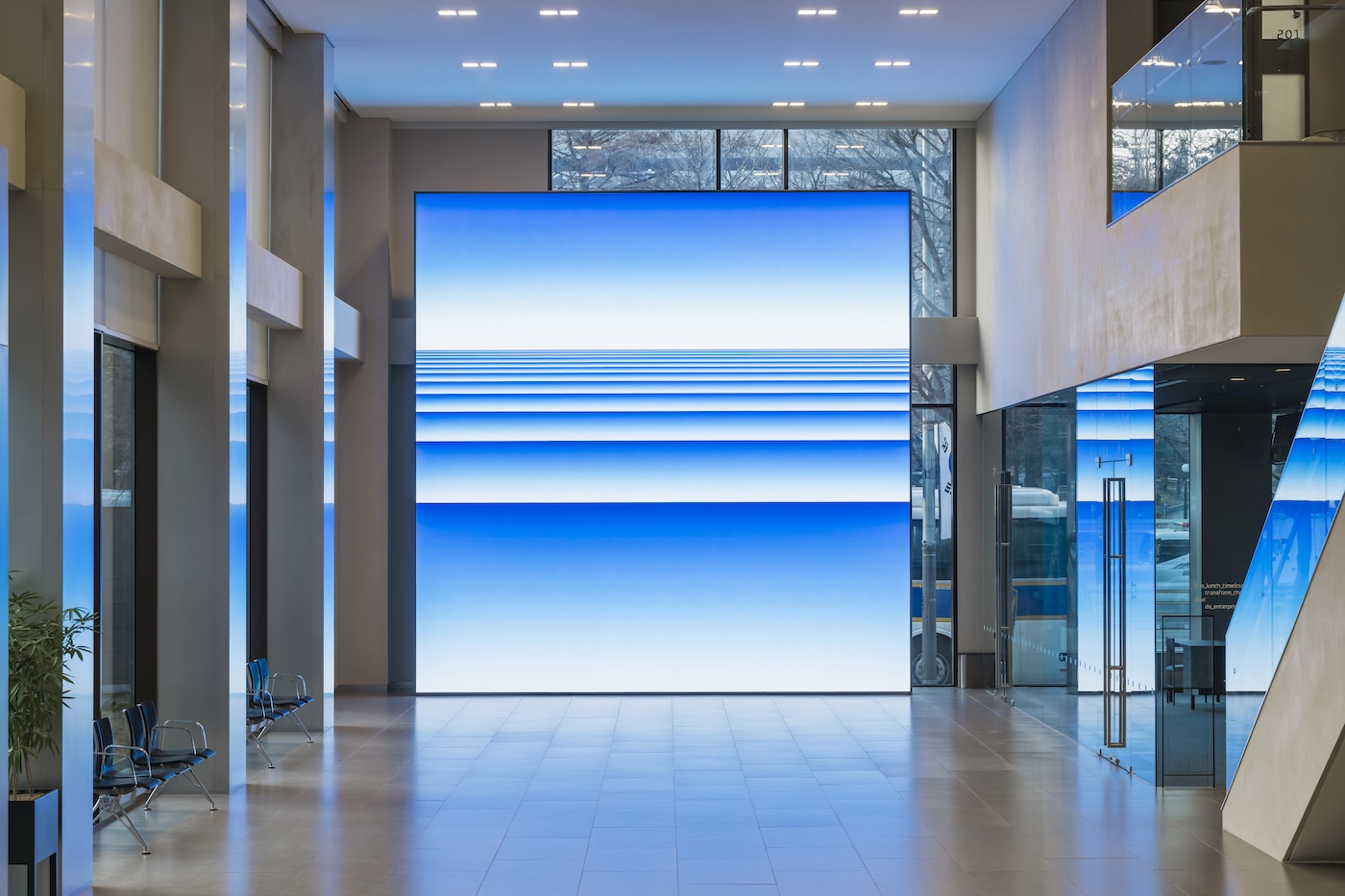
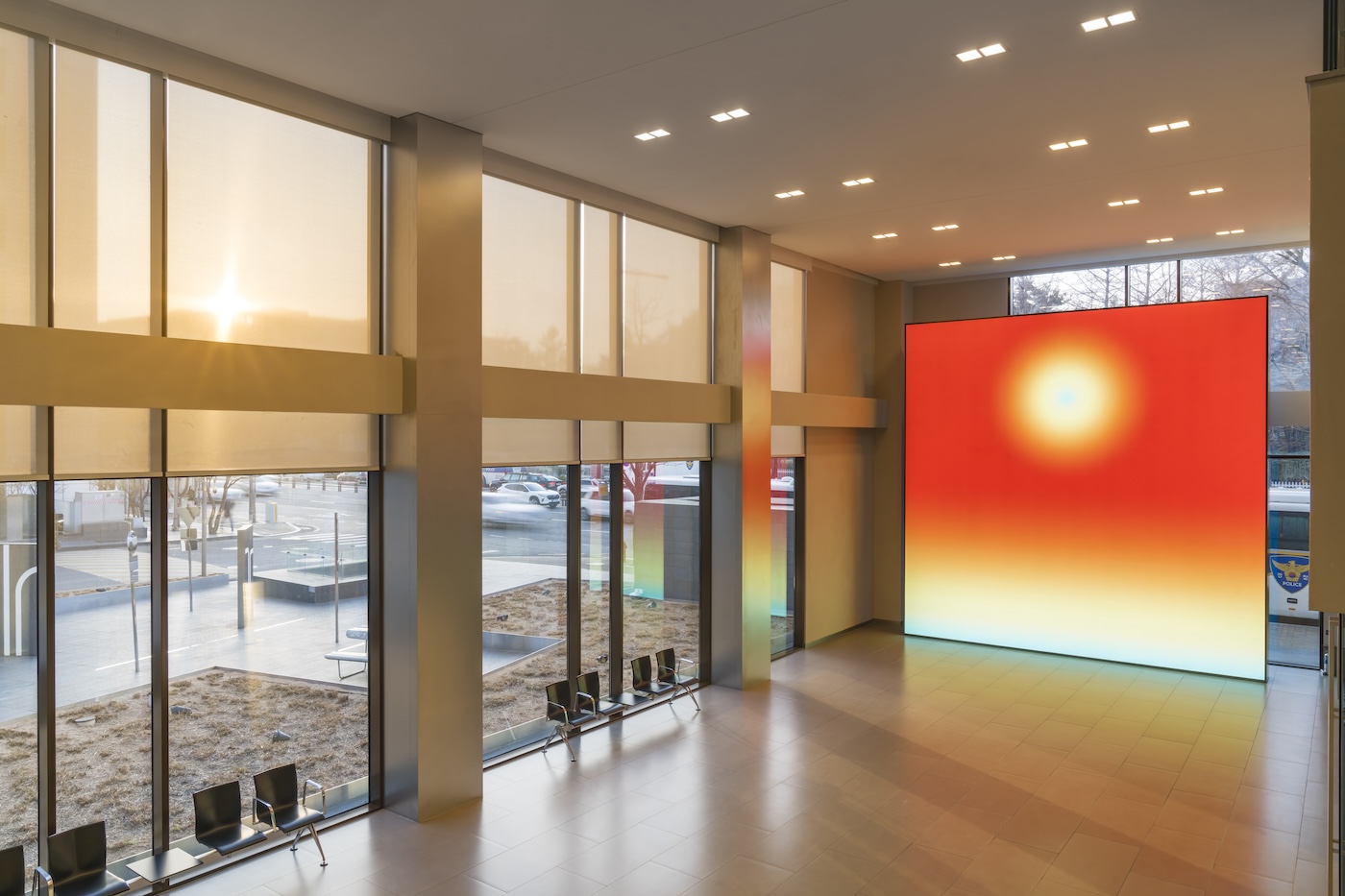
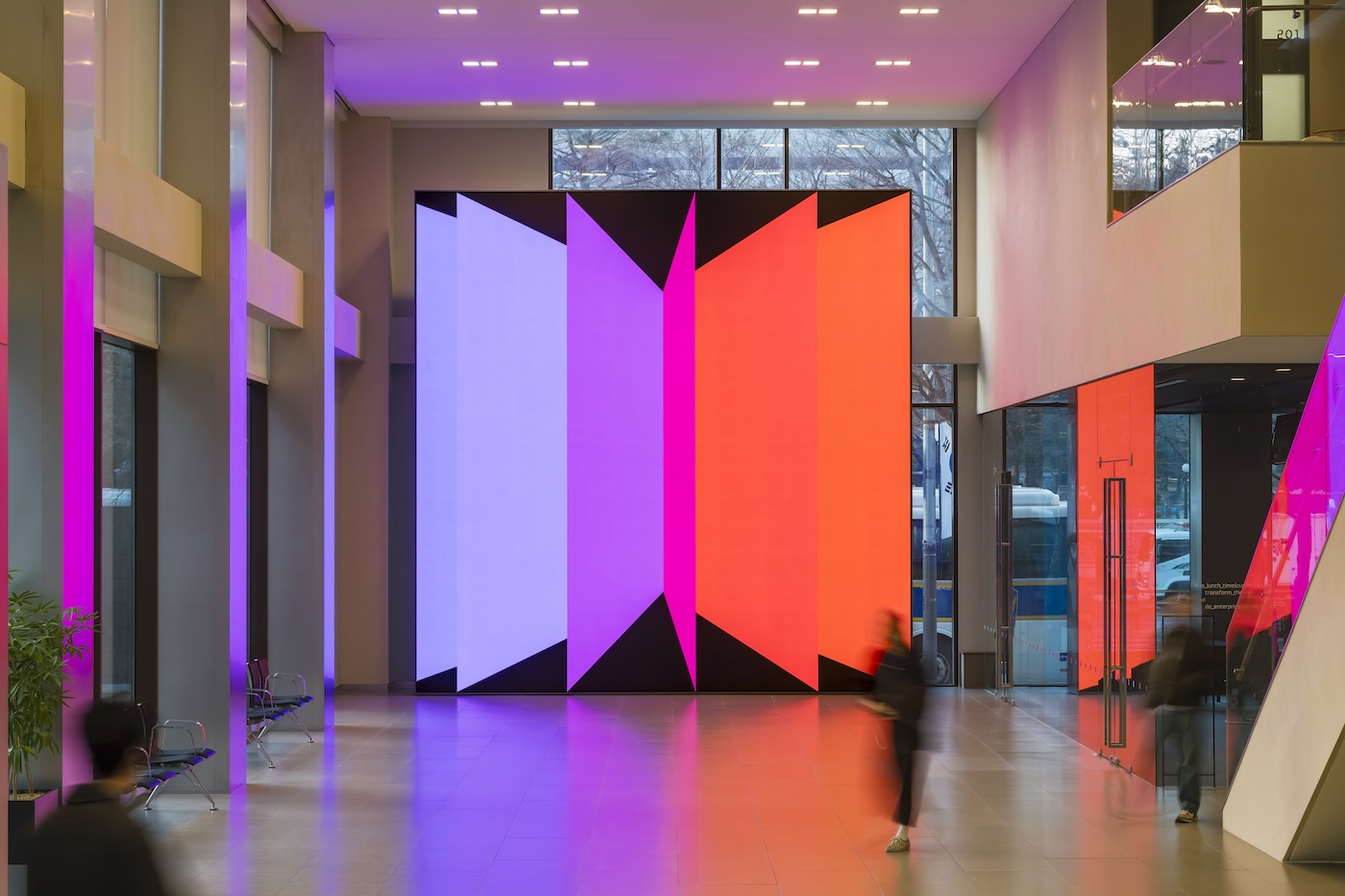
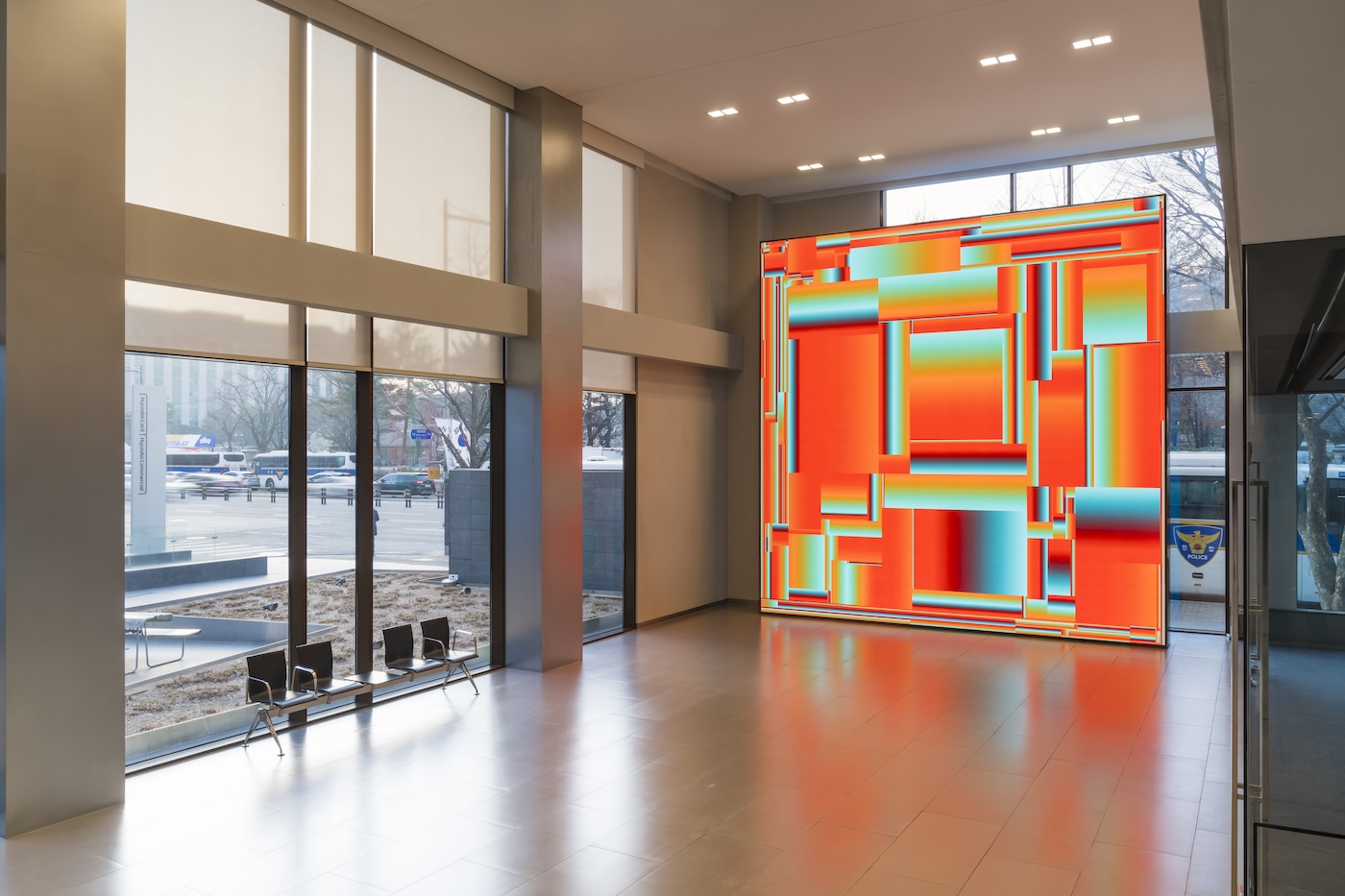
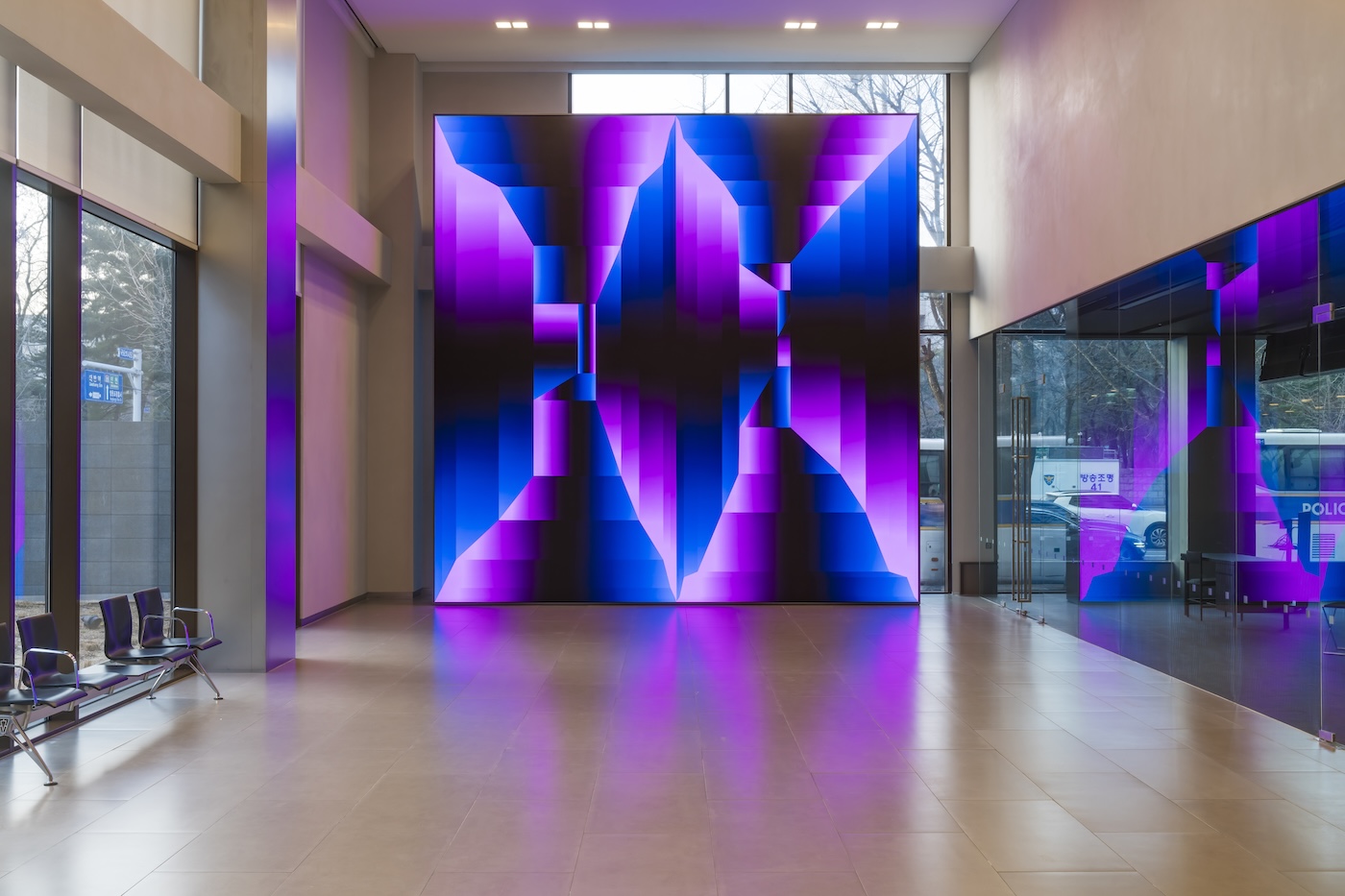
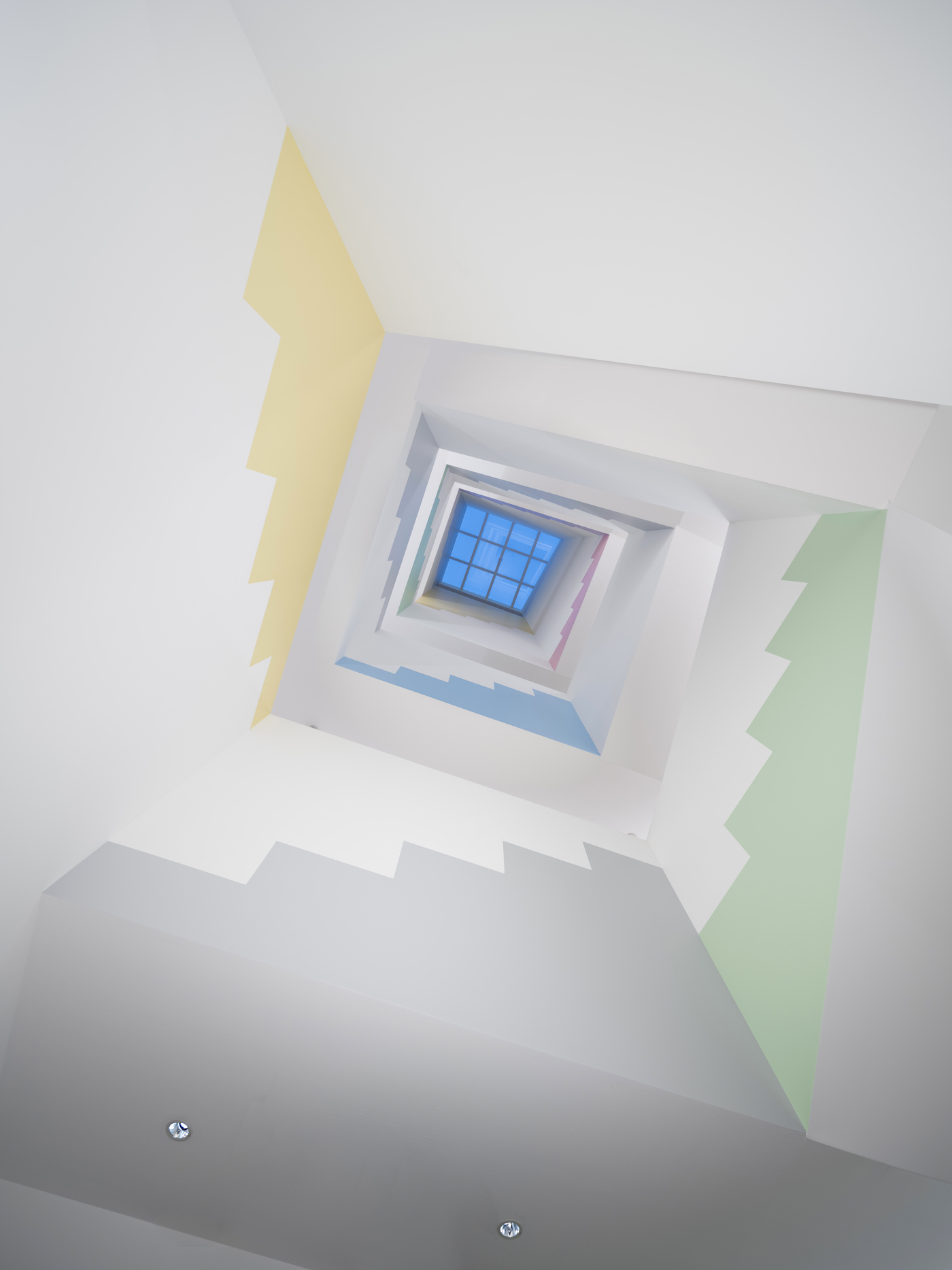
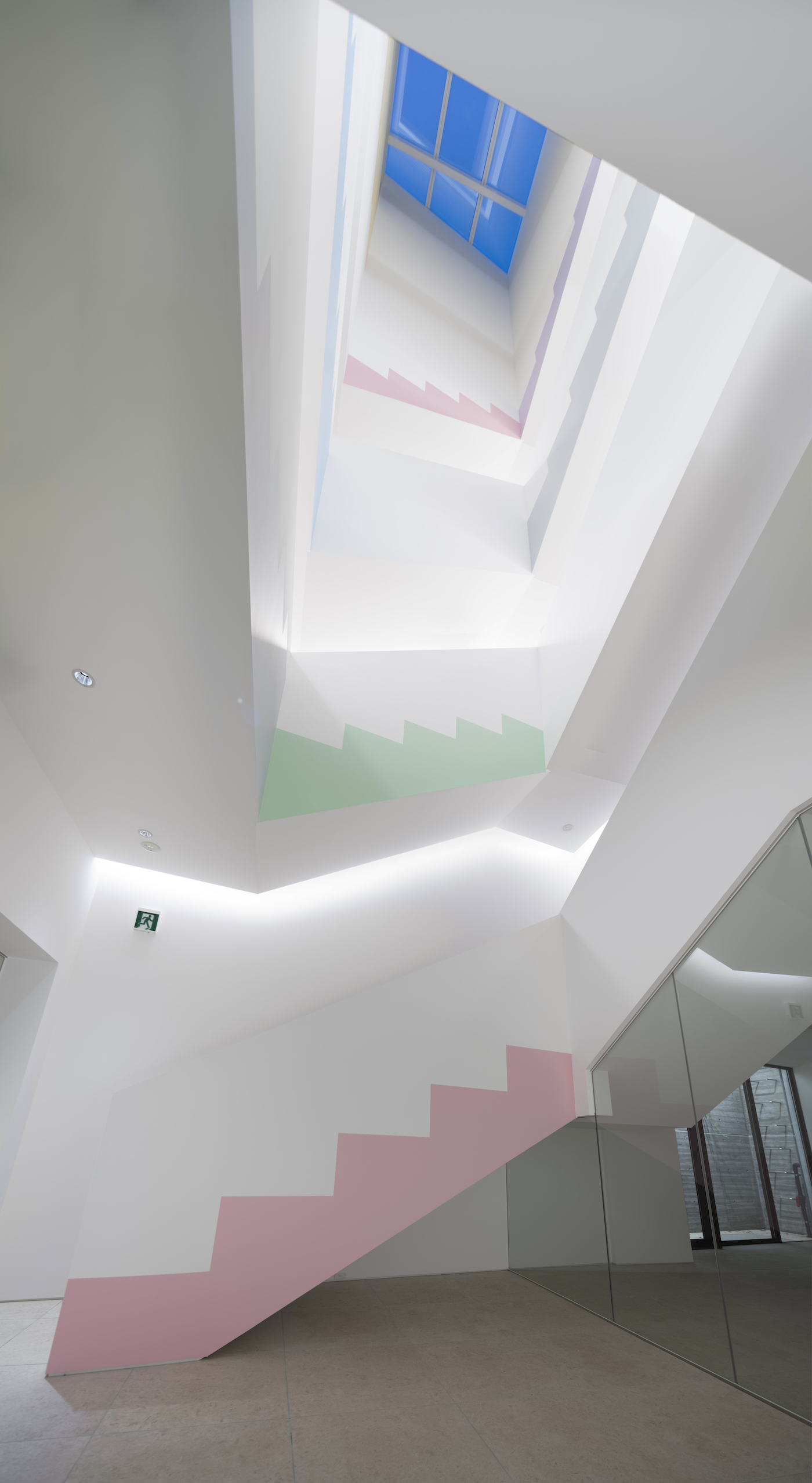
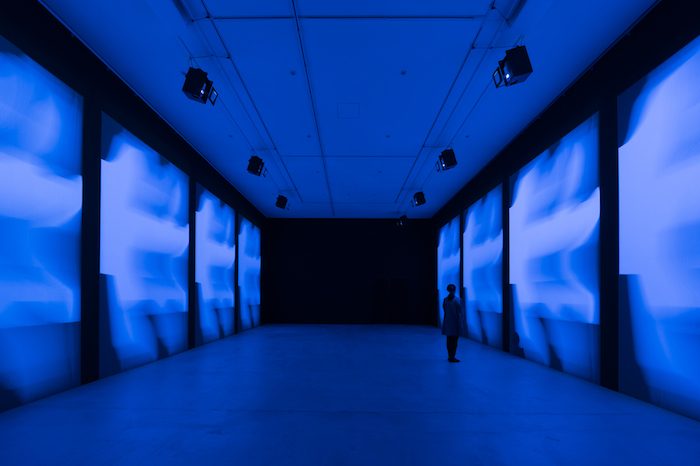
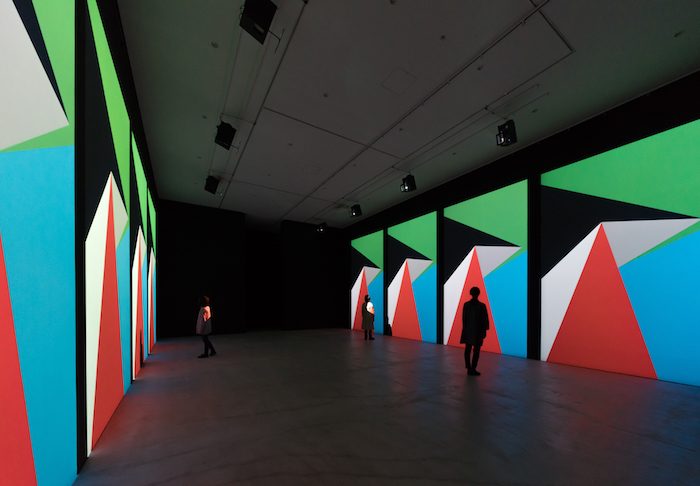
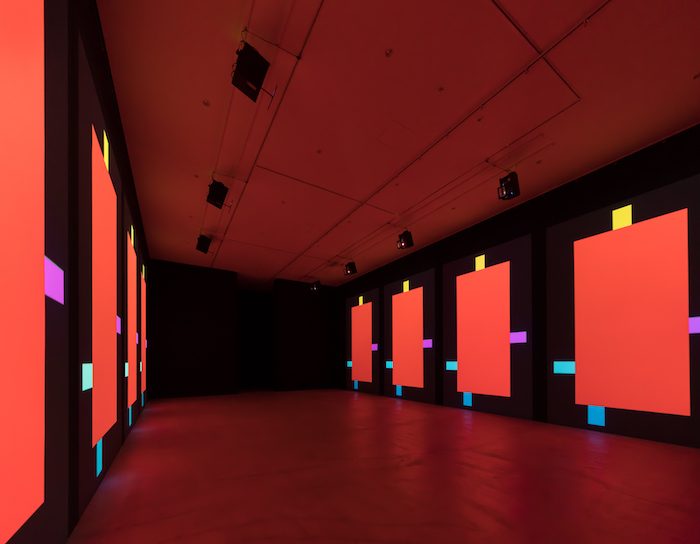
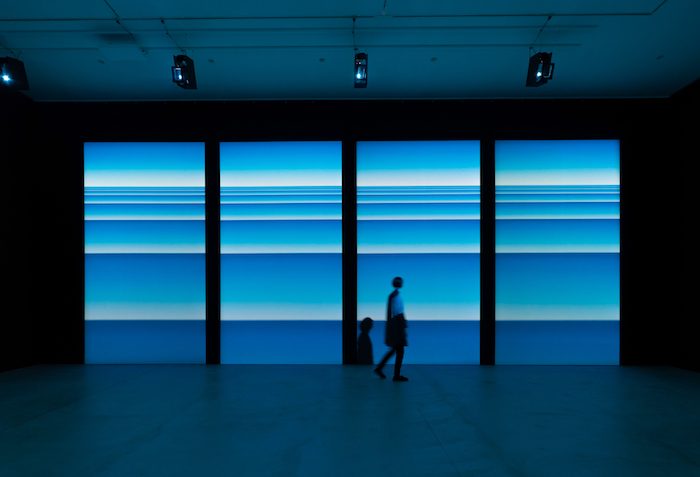
Light (Seoul)
An extension of the exhibition “Light” (MoMA) in collaboration with Hyundai Card
until fall 2025
Photography by: Byeongchul Chun
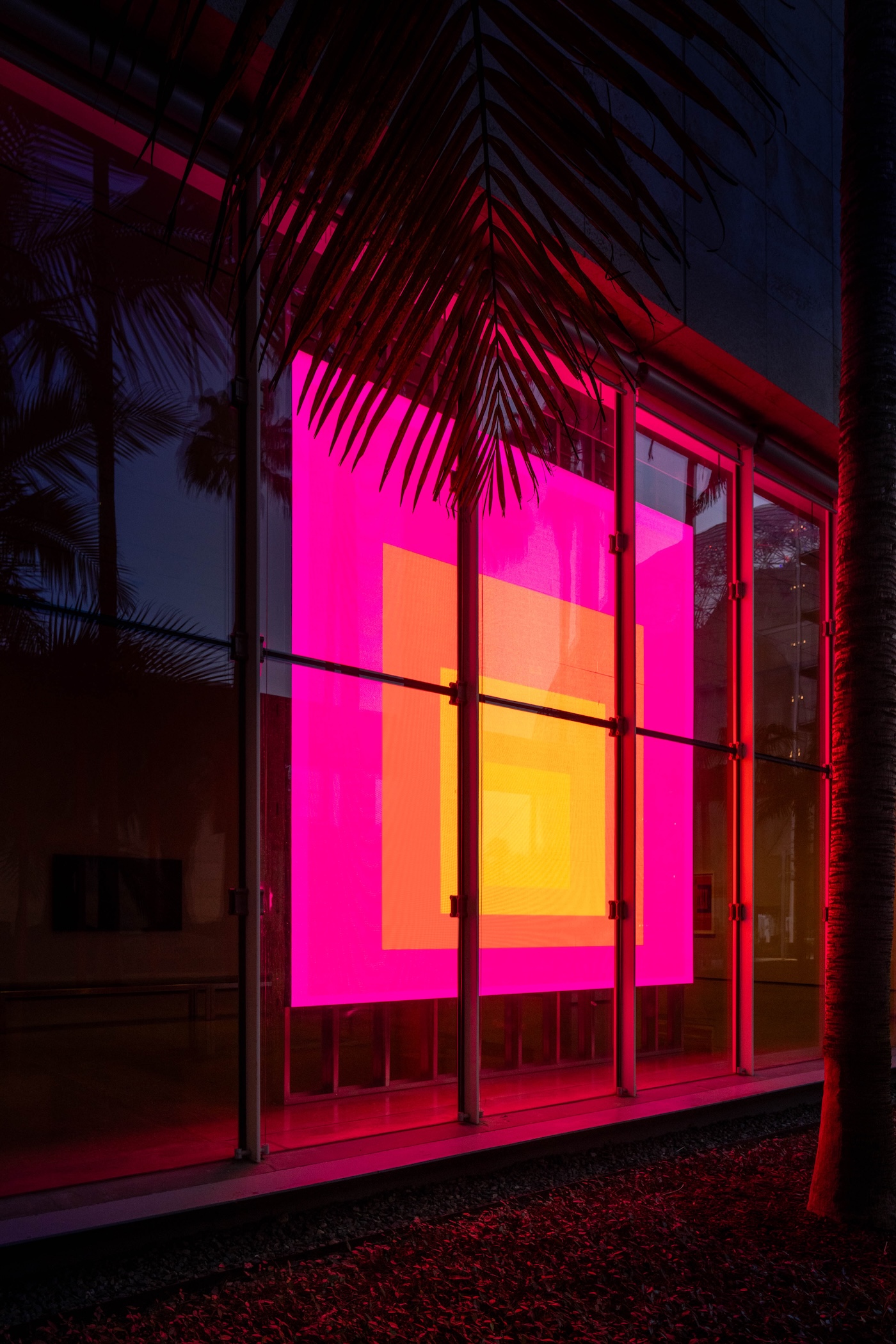
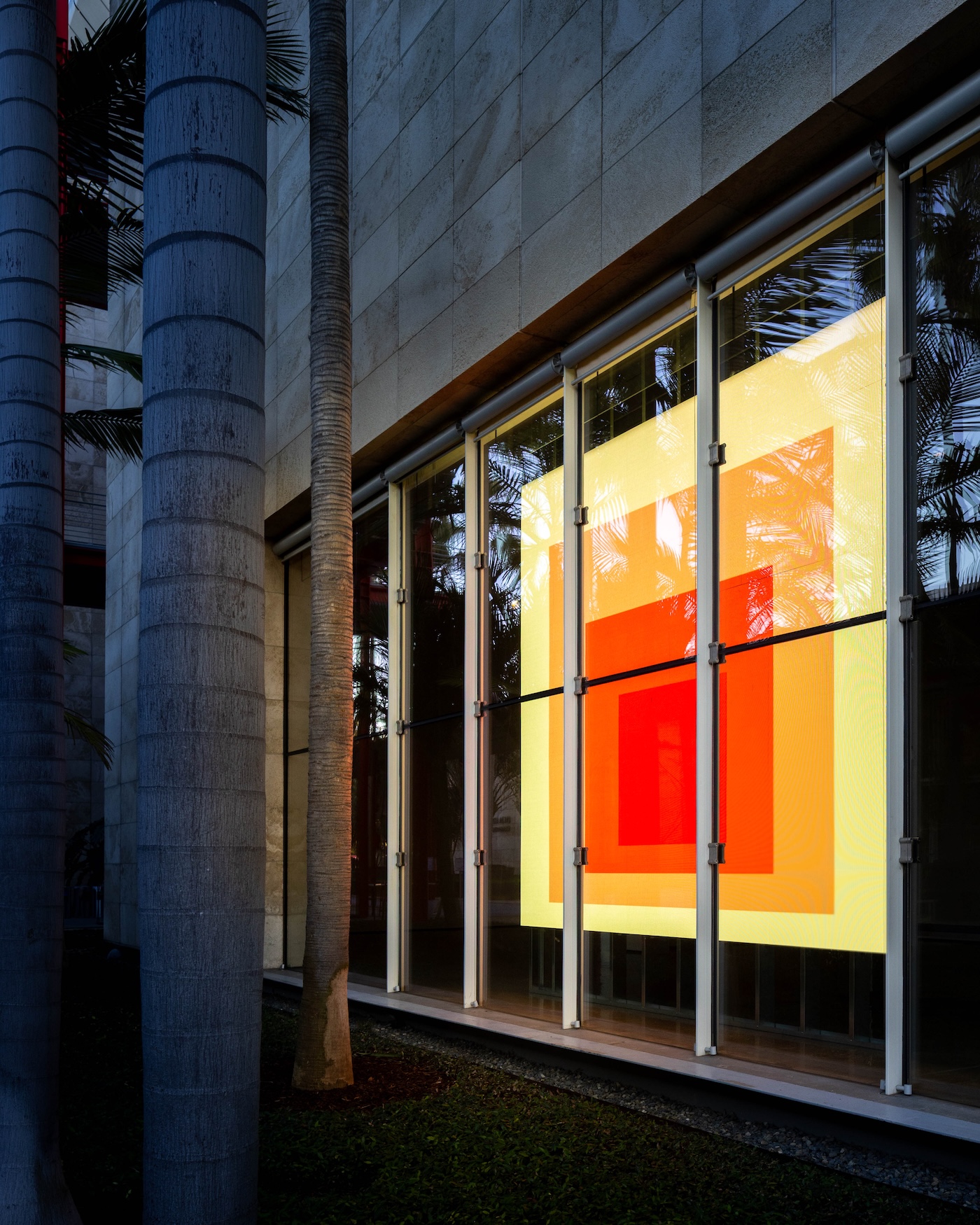
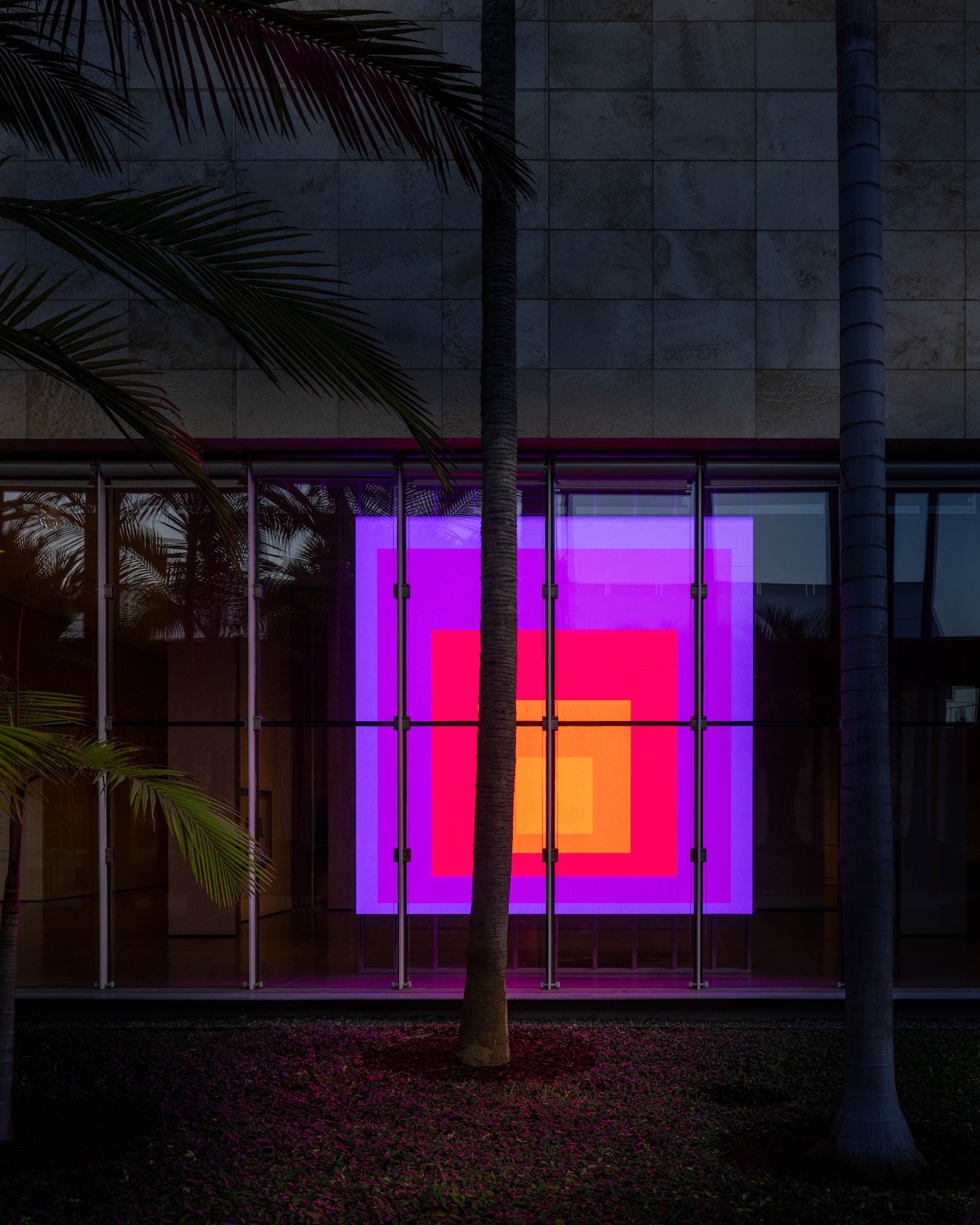
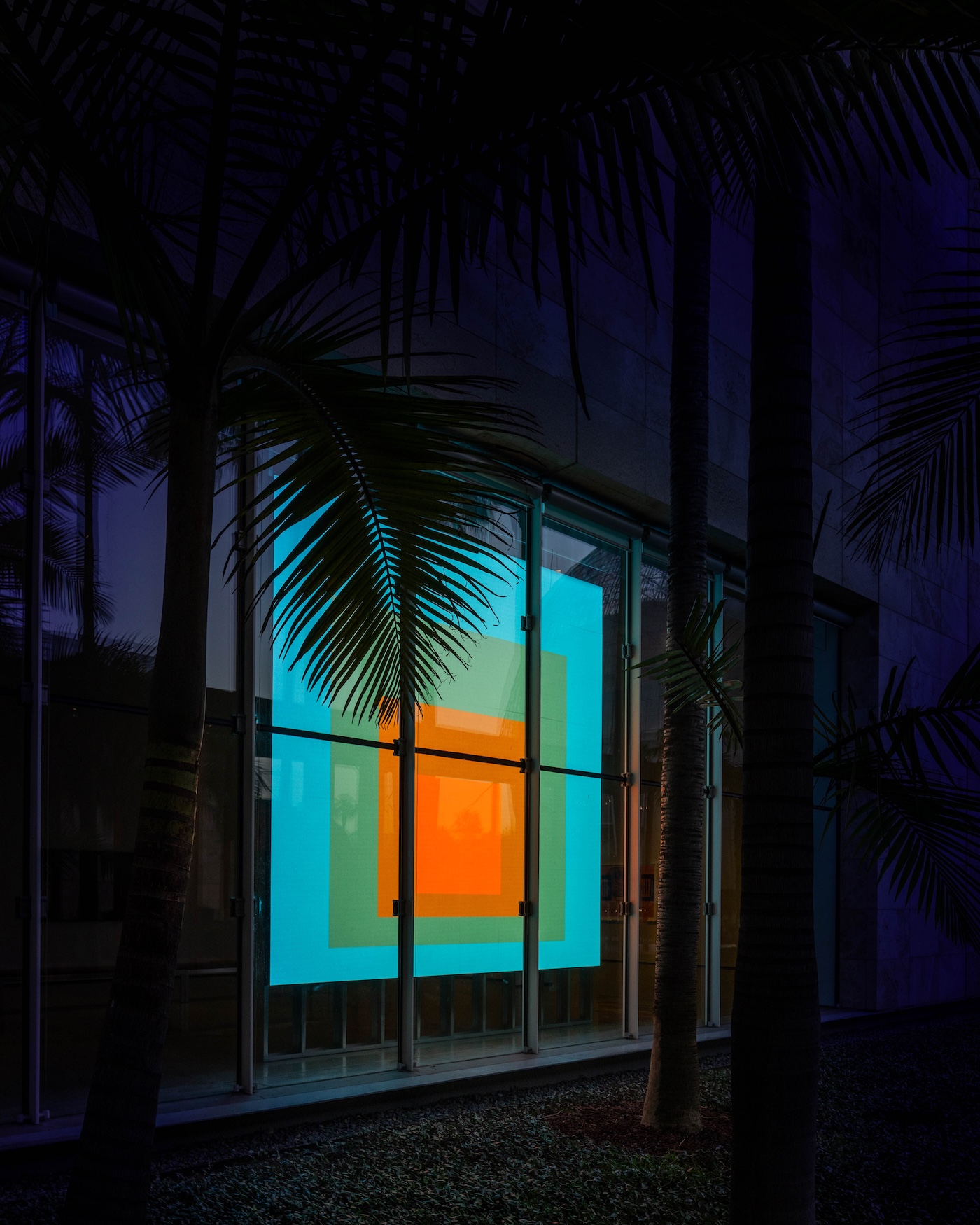
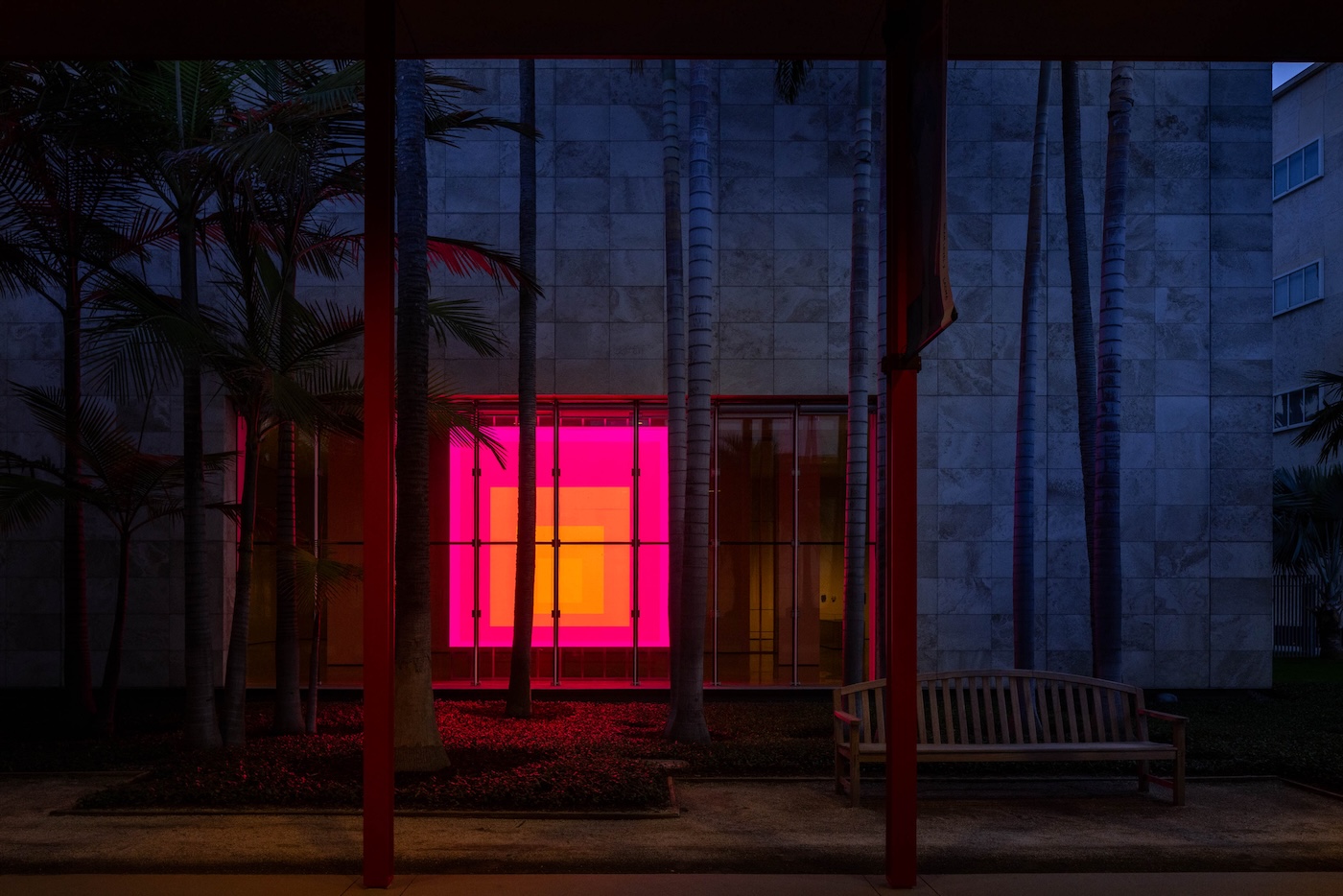
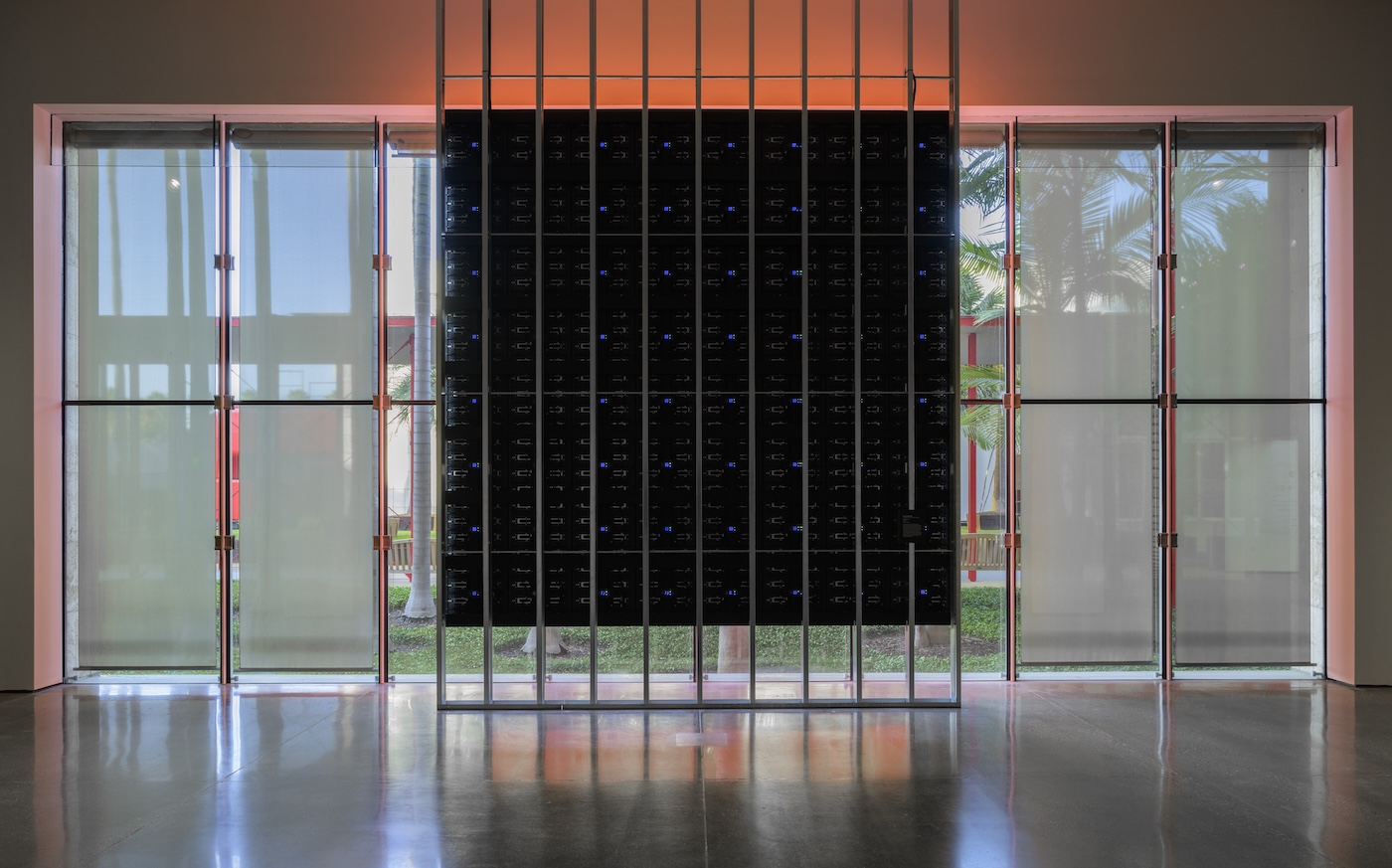
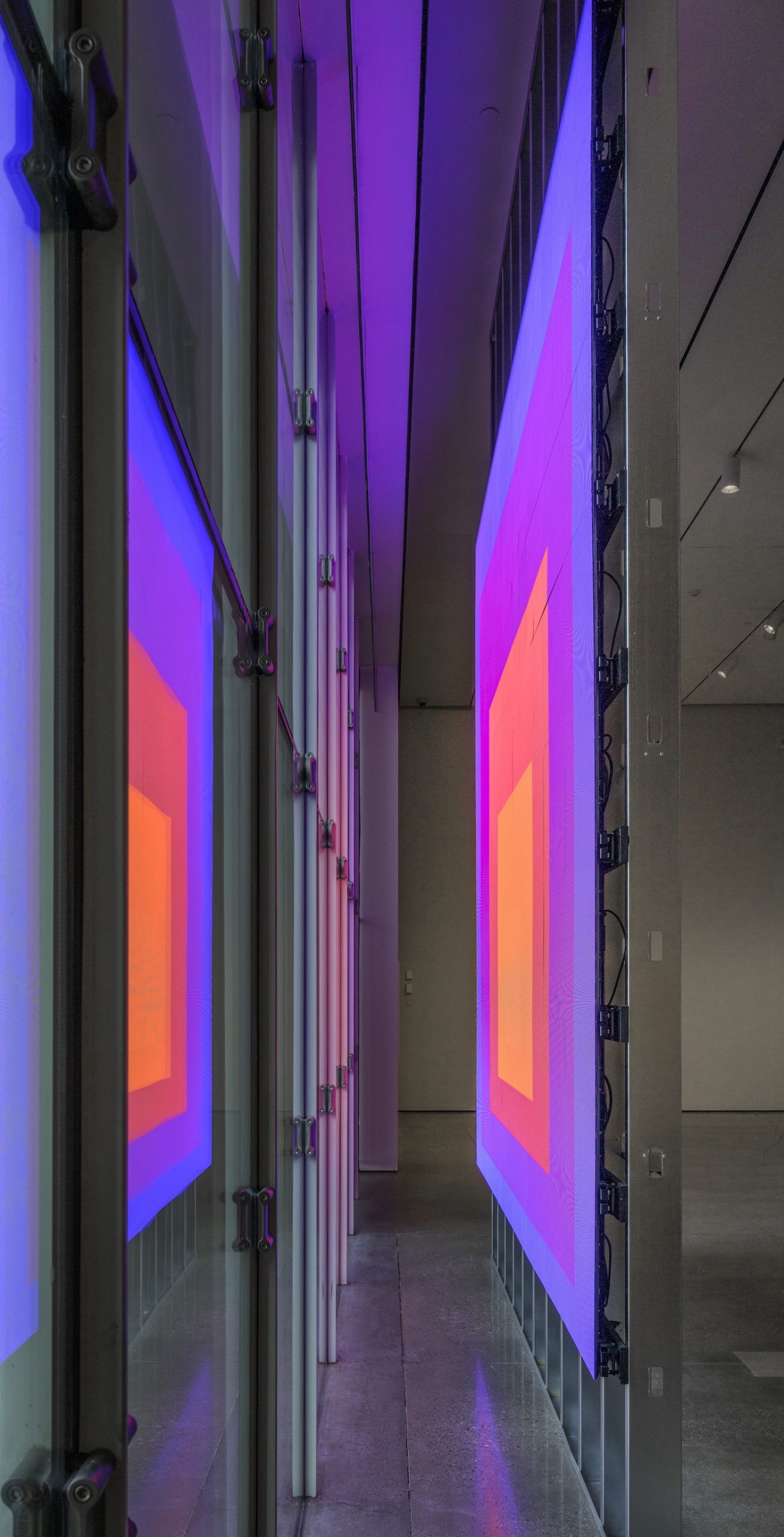
My project Homage is showing at Lacma until July 13, as part of the Digital Witness exhibition.
Photos by Michael Wells
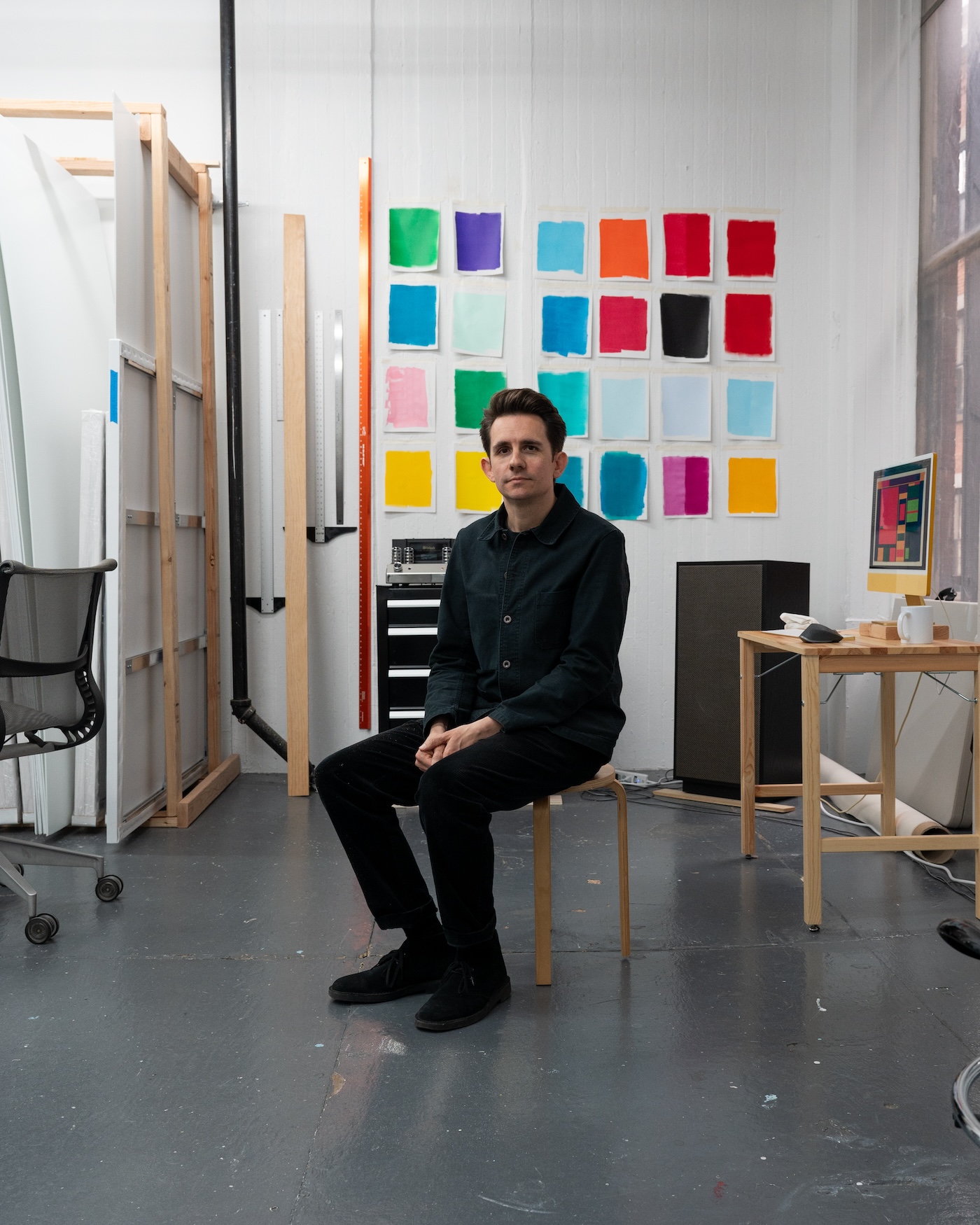
Photo by Naeem Douglas
Interview by Paola Antonelli, Amanda Forment & Prudence Pfeiffer. I worked closely with them for my exhibition at MoMA, and this interview is a culmination of many conversations about art, work, museums, cities, and the internet.
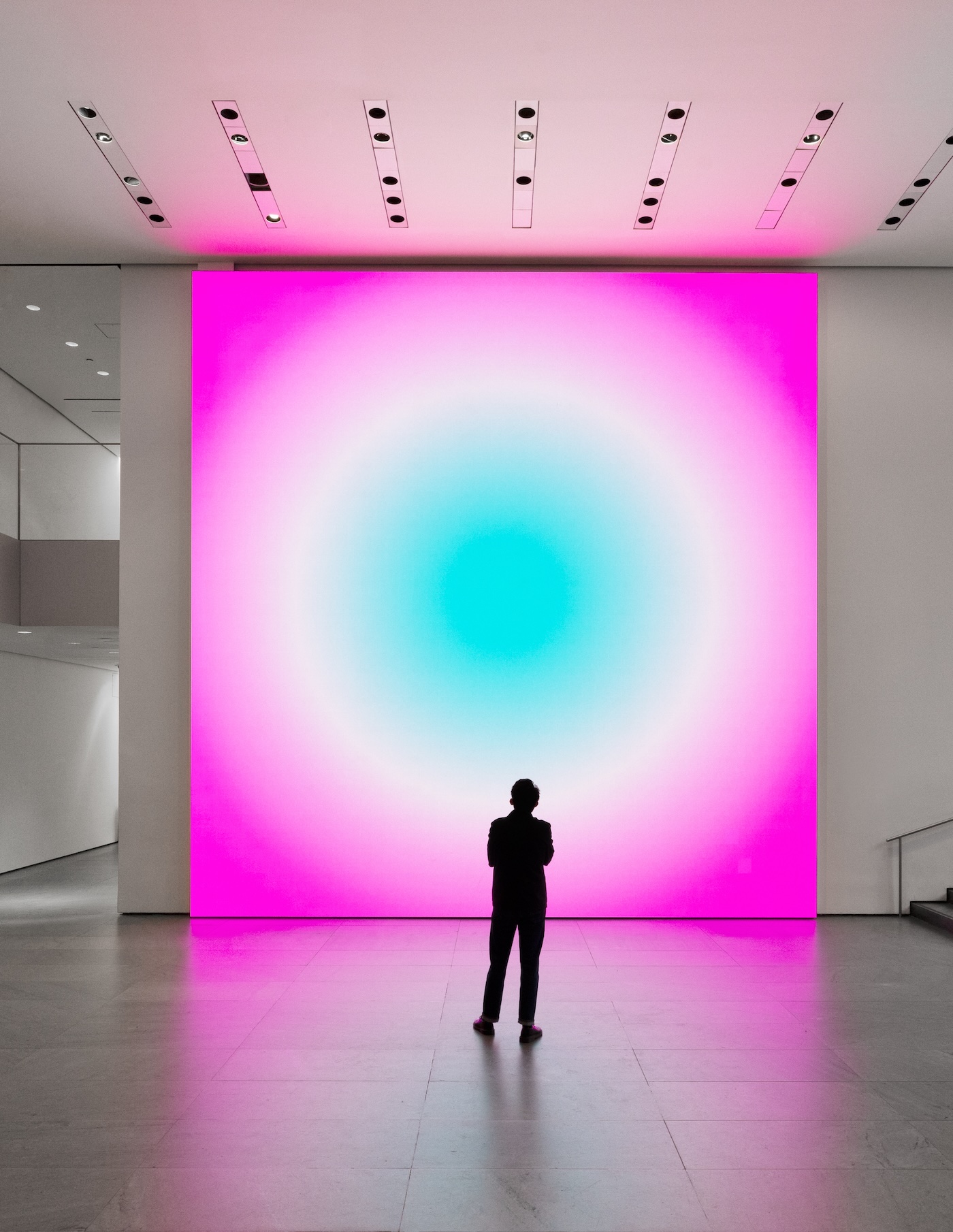
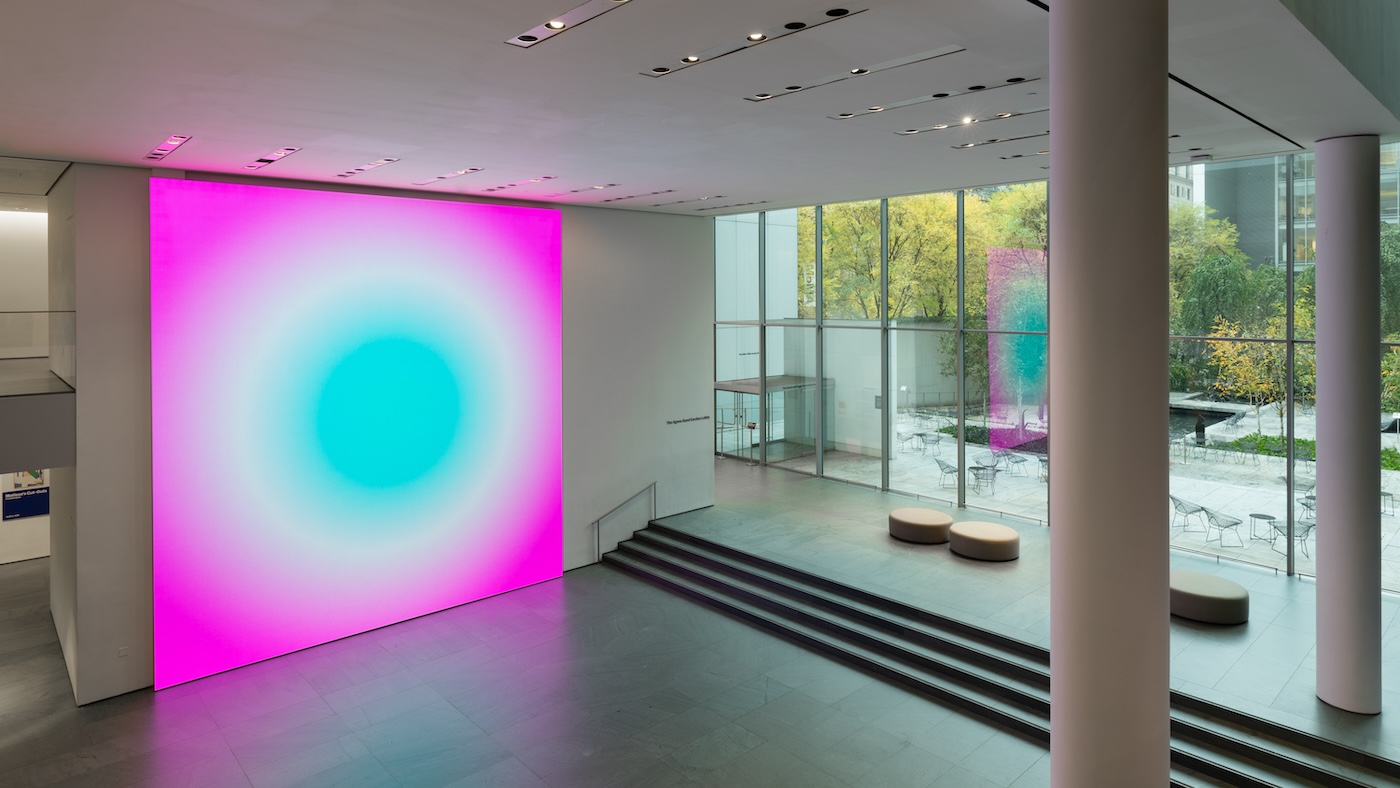
Light: Rafaël Rozendaal
Museum of Modern Art
November 16, 2024 – Spring 2025
Curated by Paola Antonelli
Photos by Jonathan Dorado
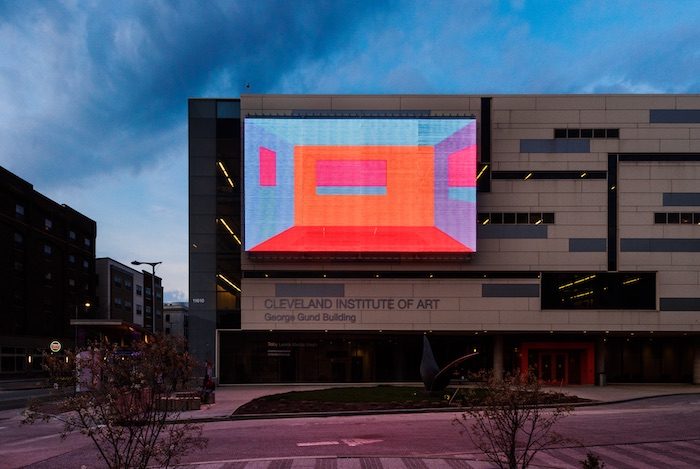
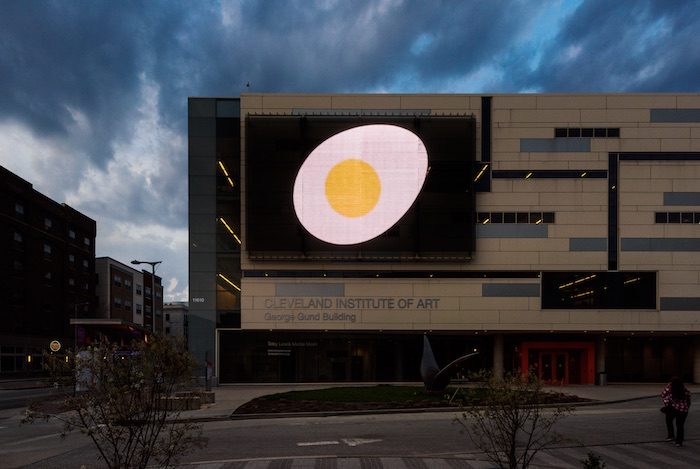
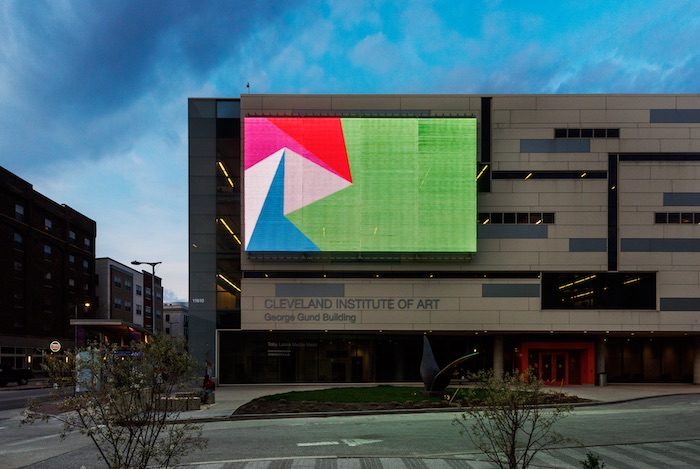
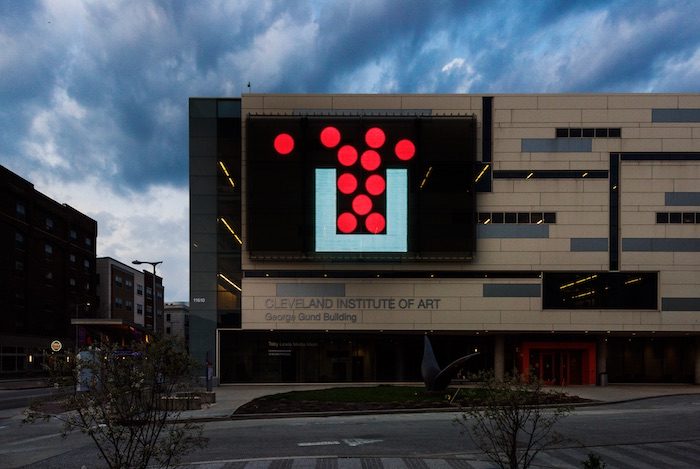
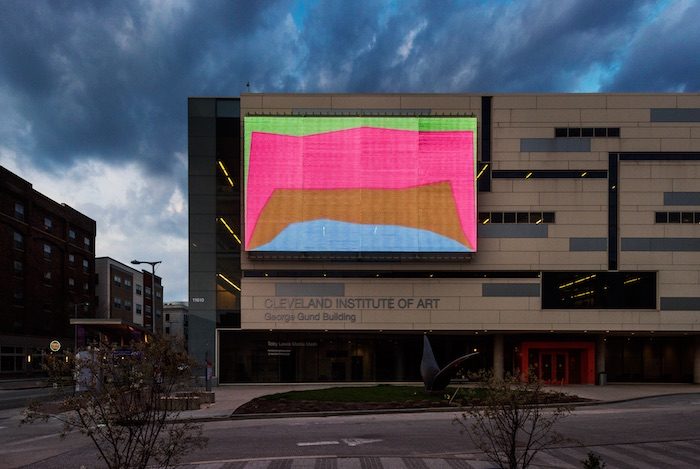
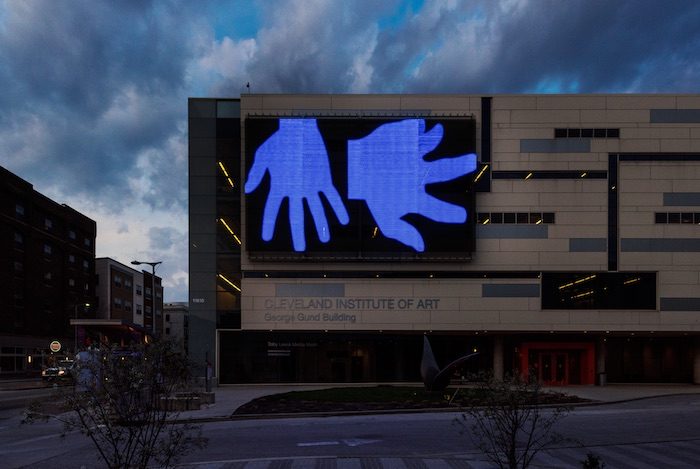
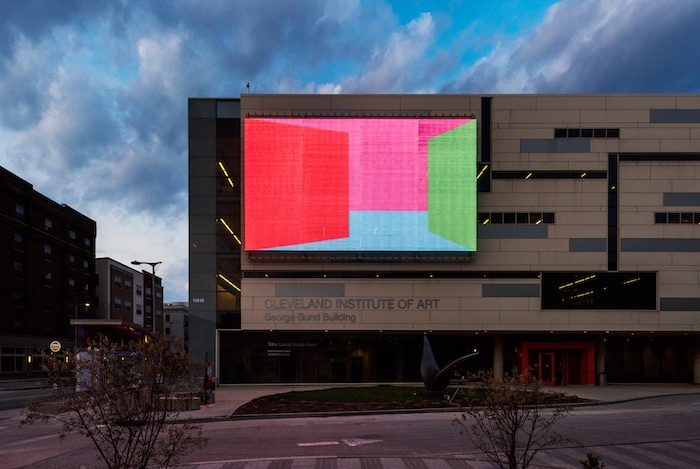
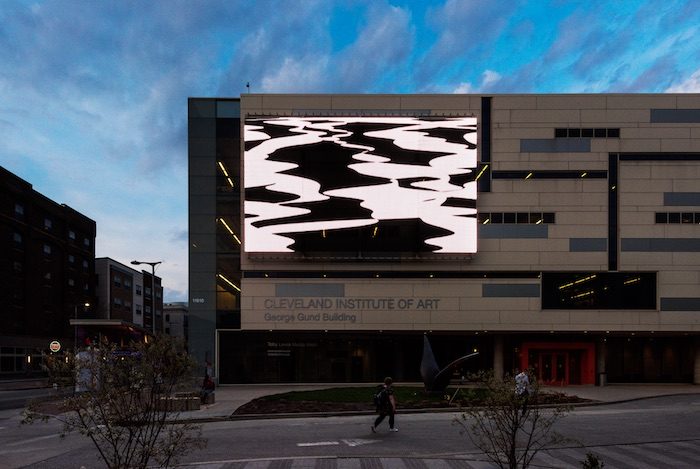
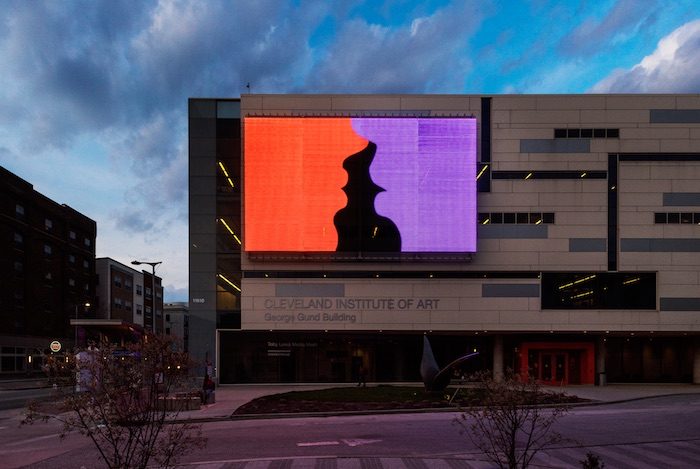
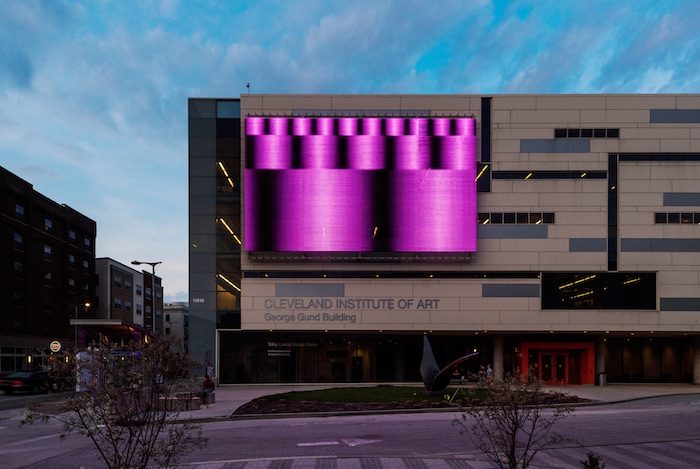
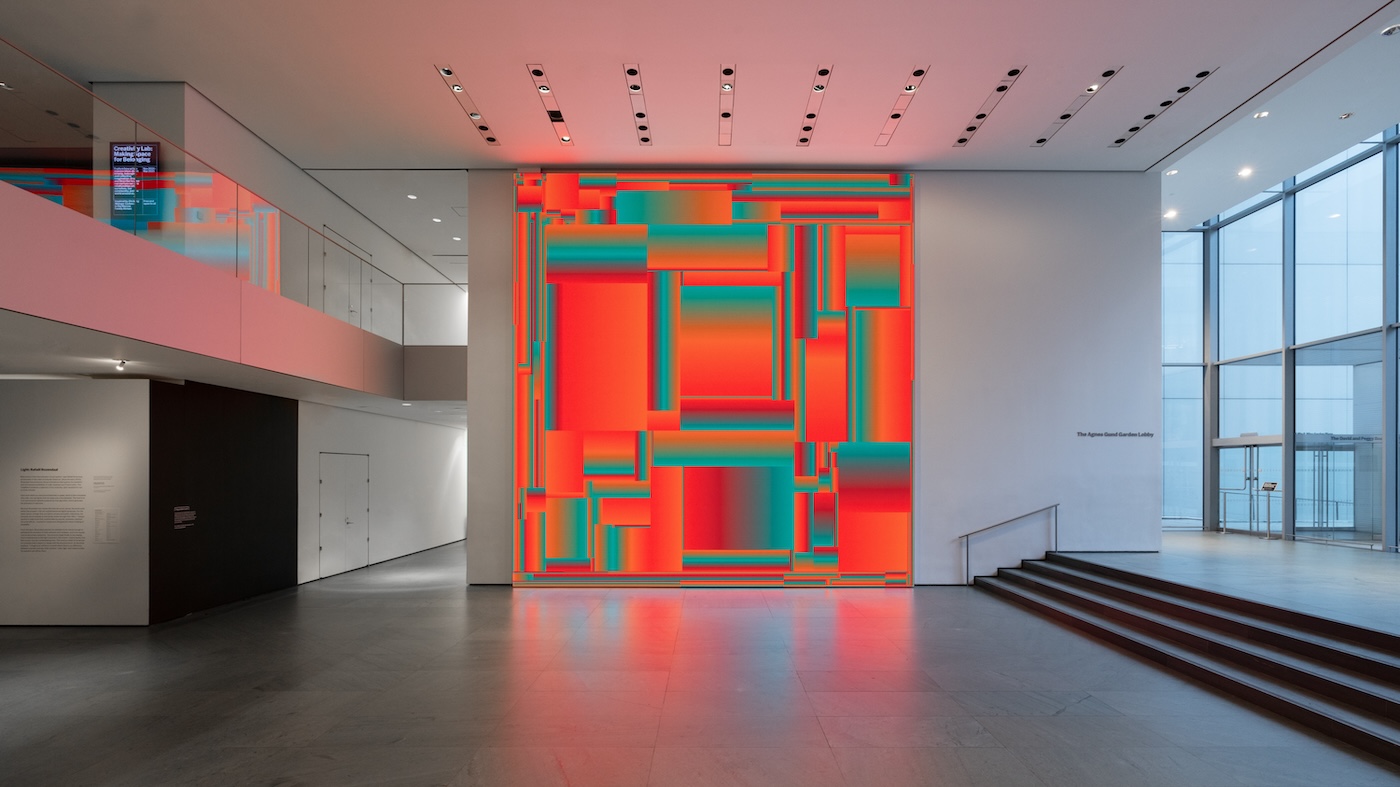
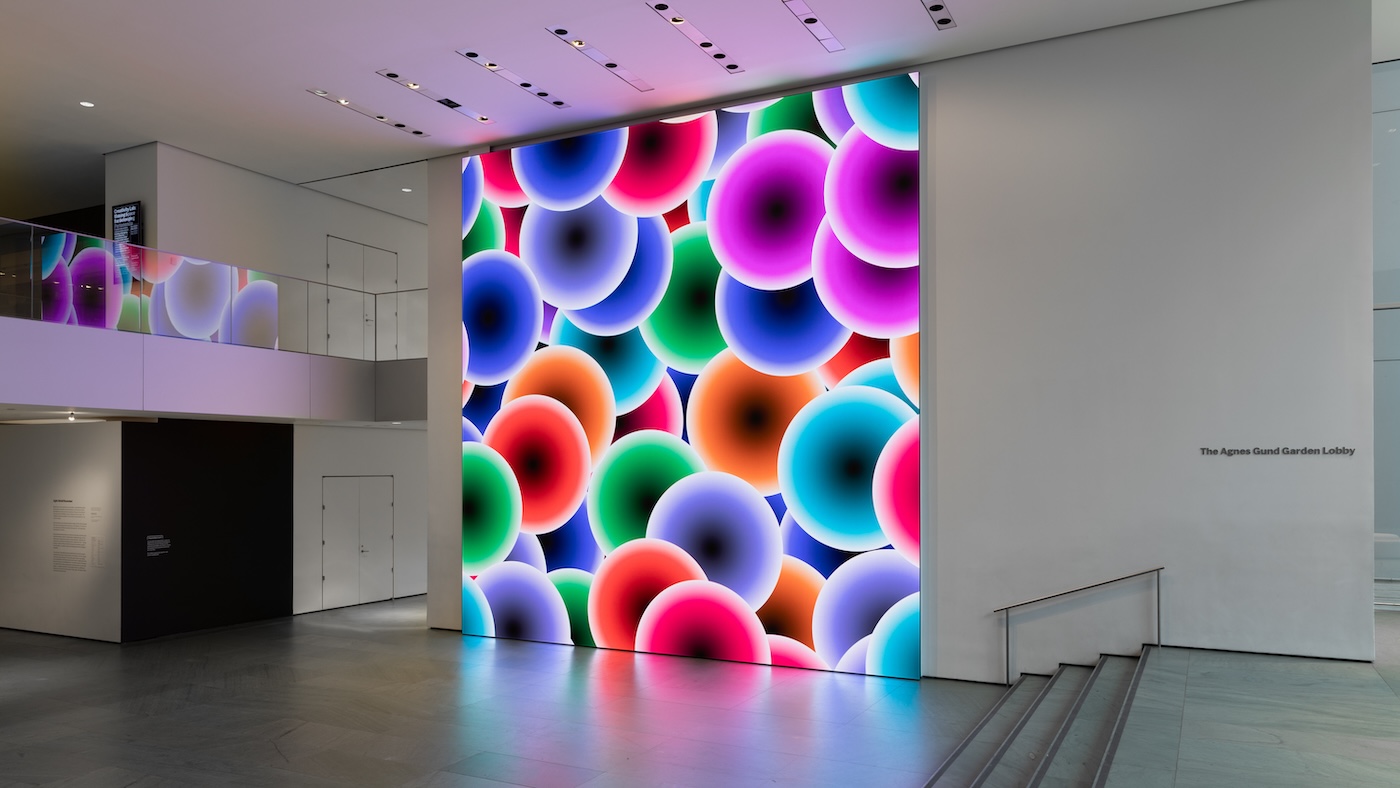
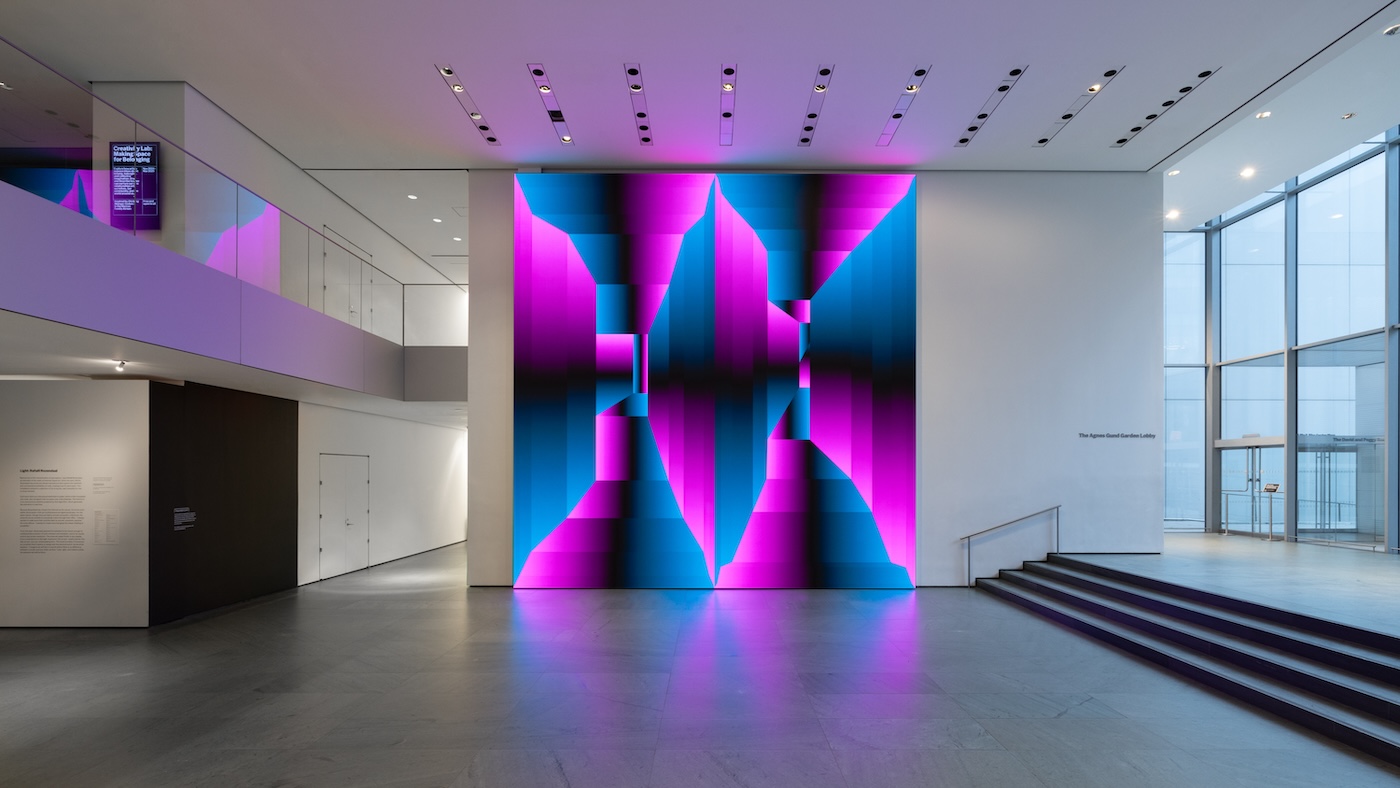
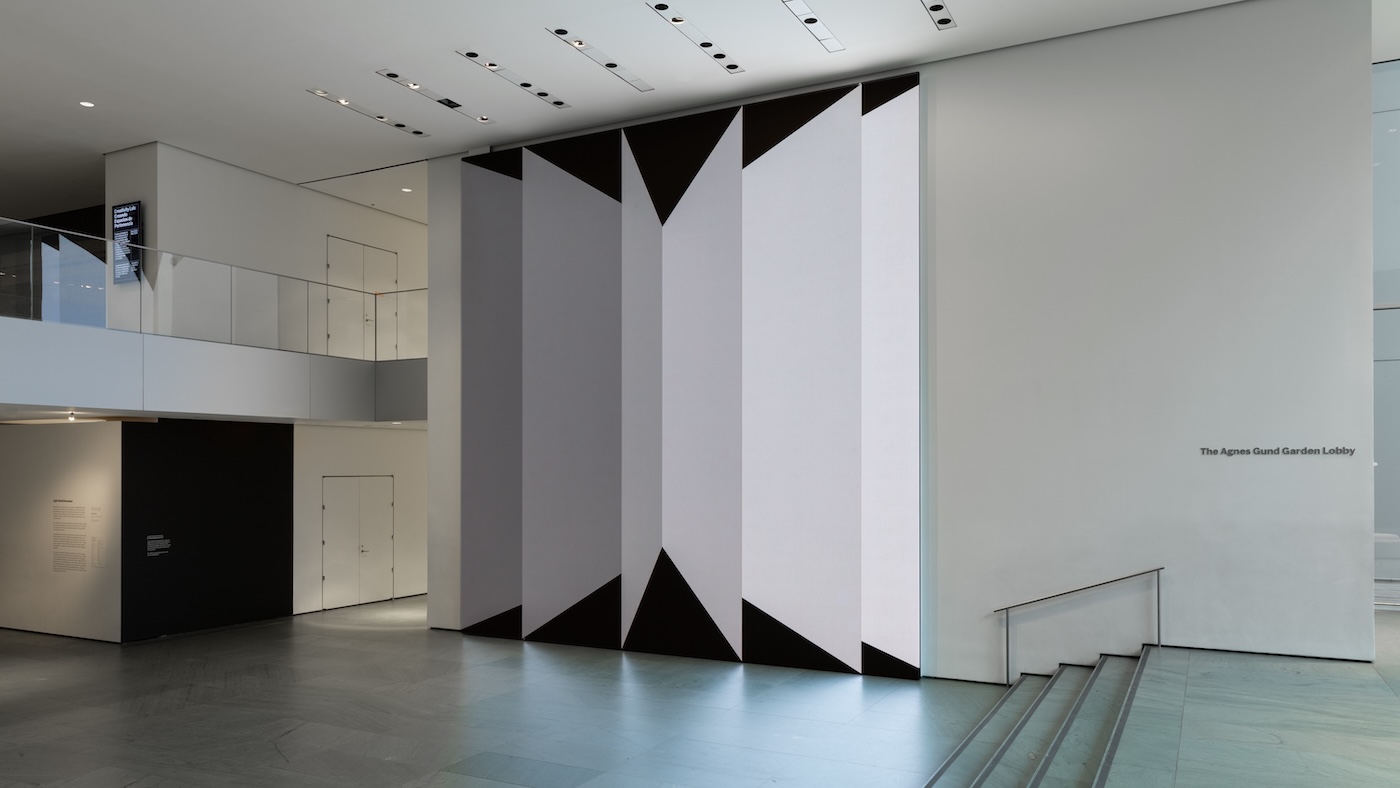
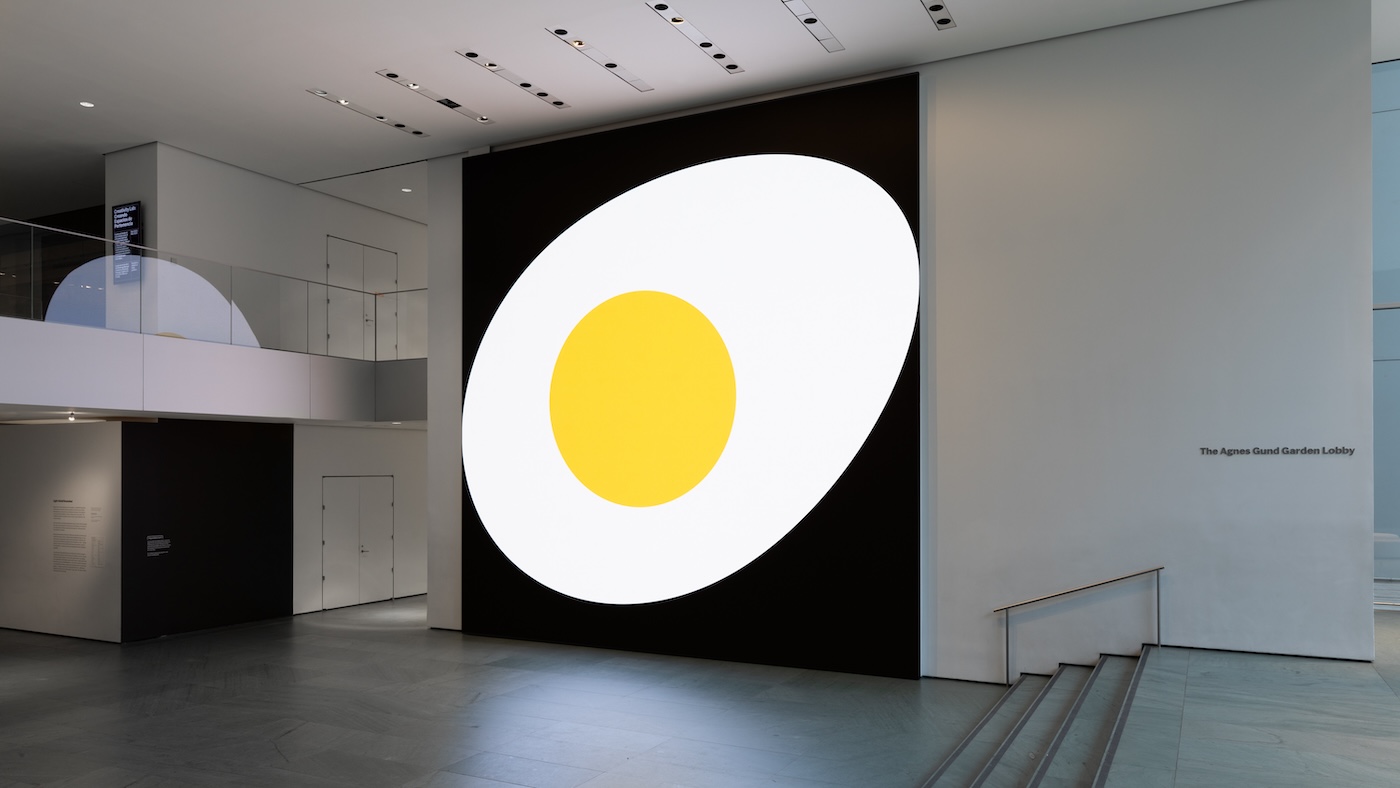
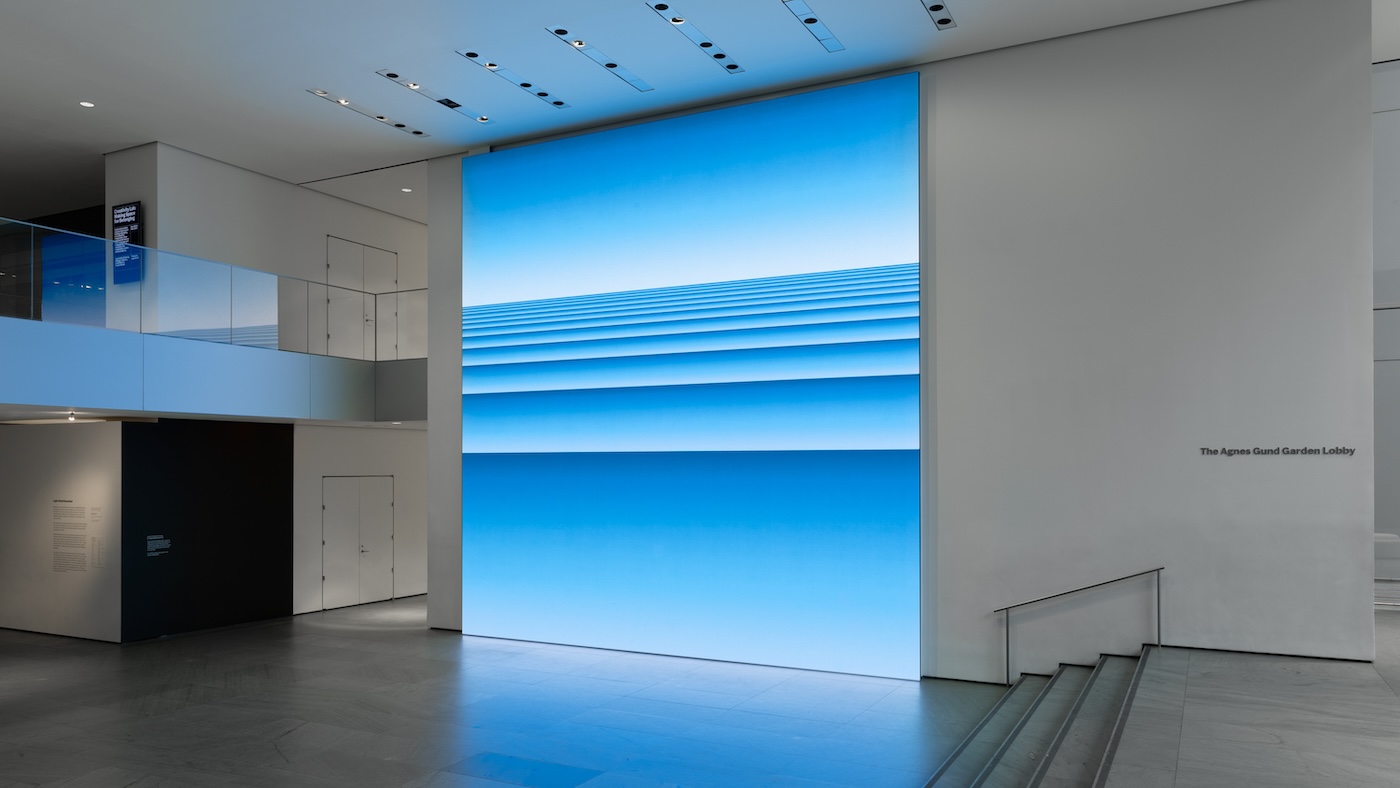
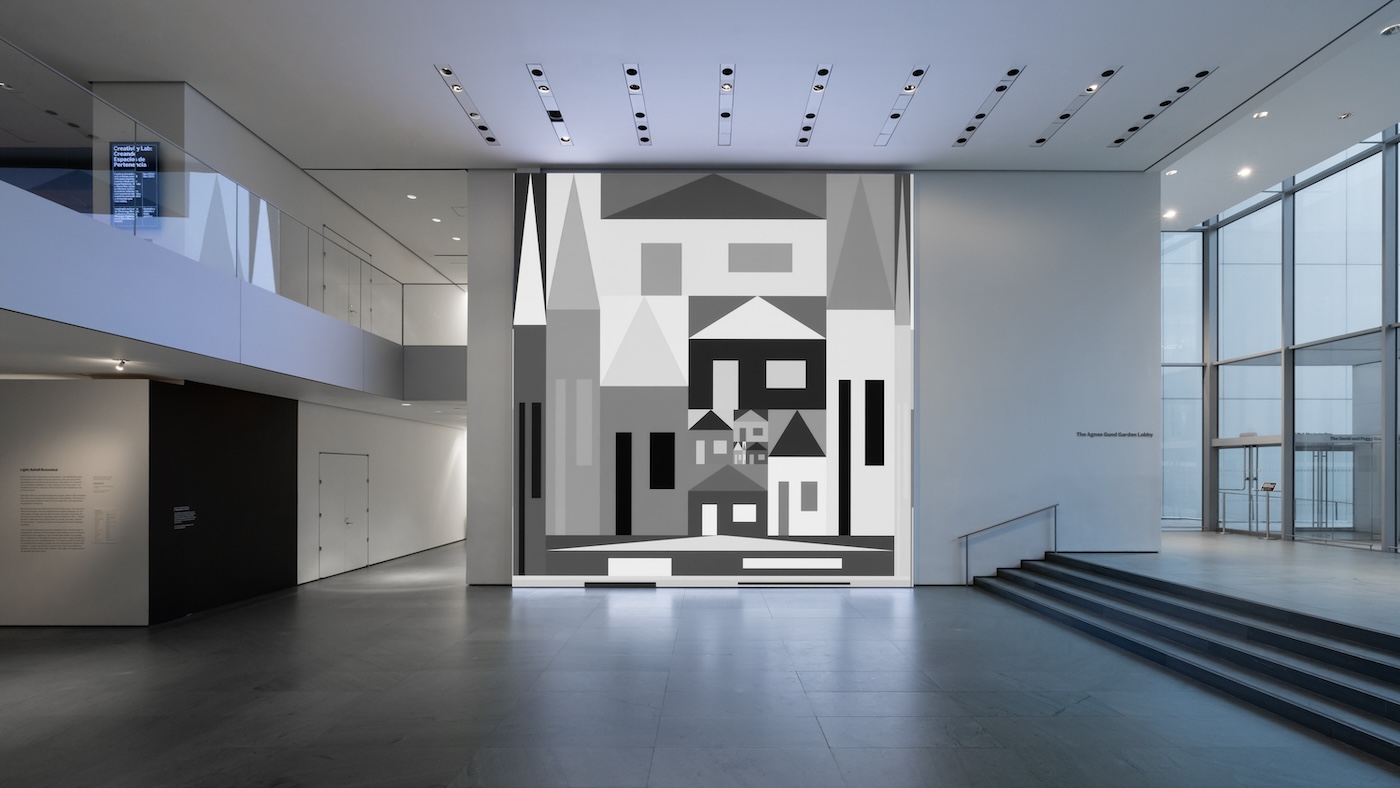
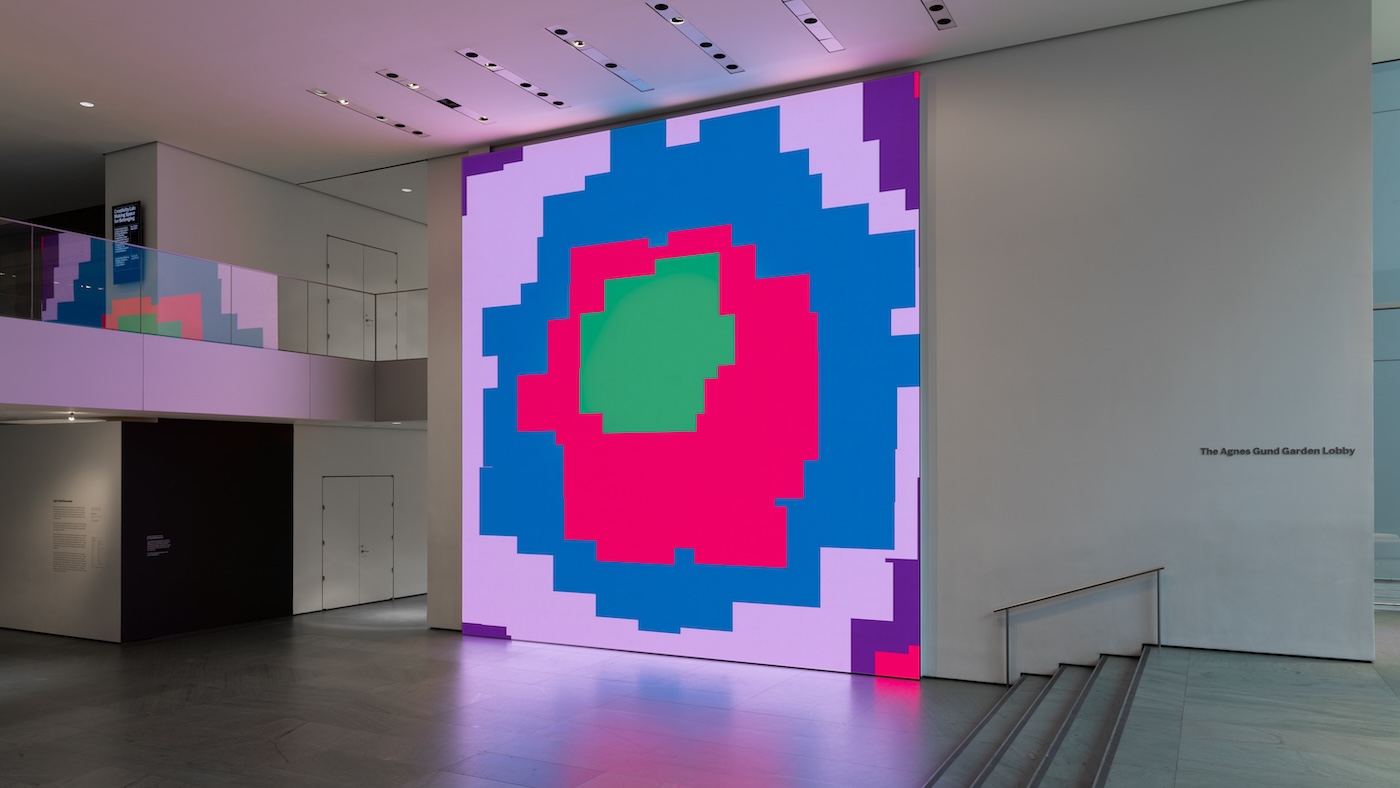
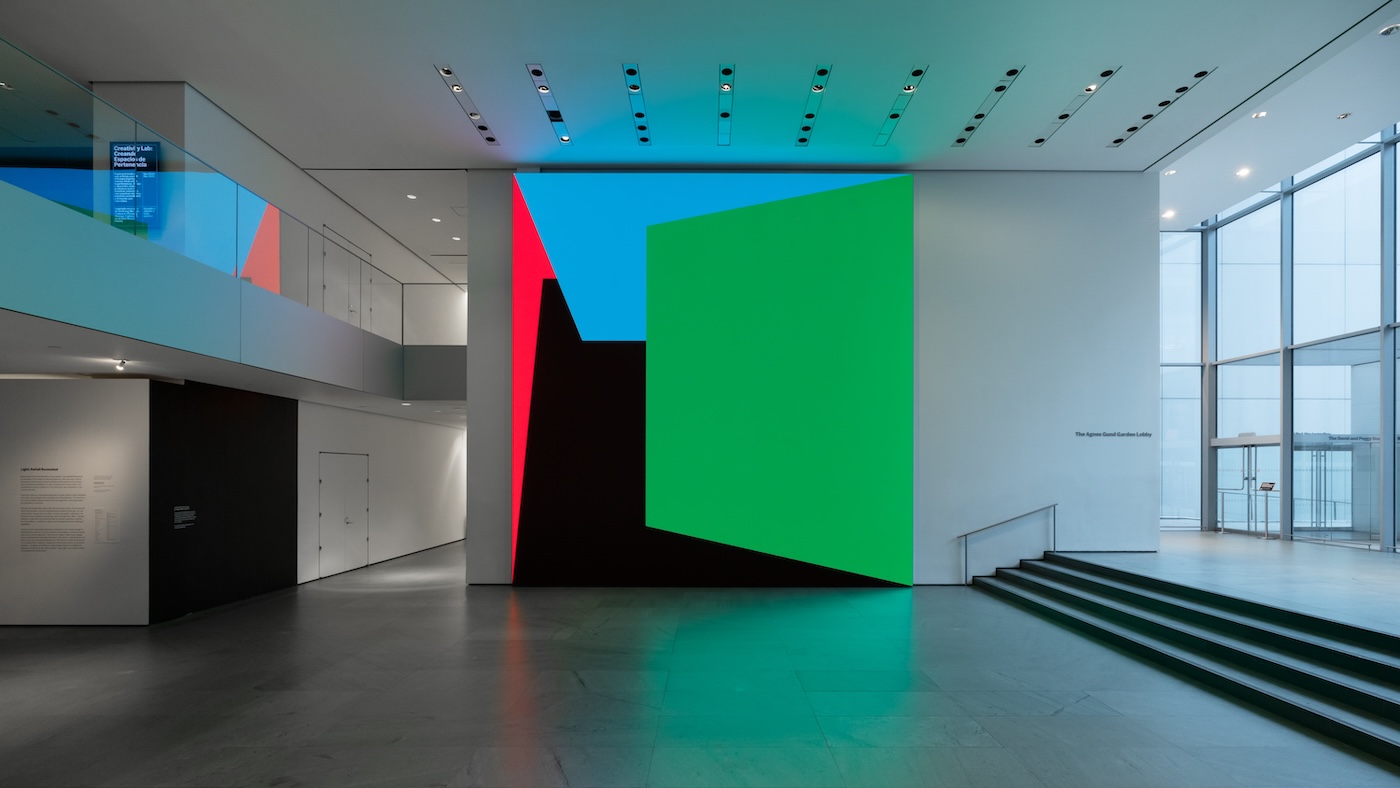
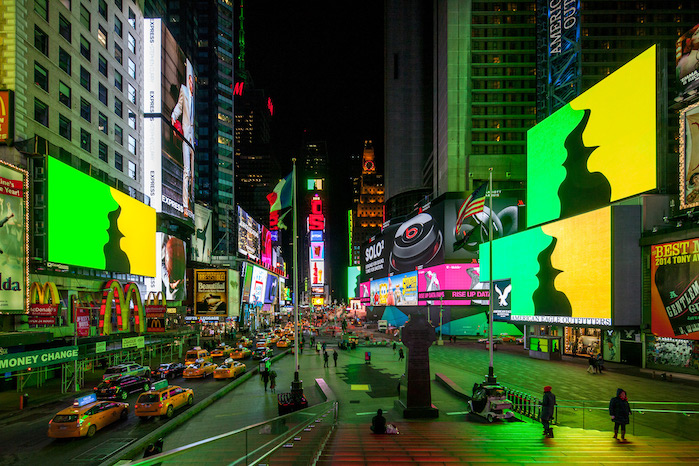
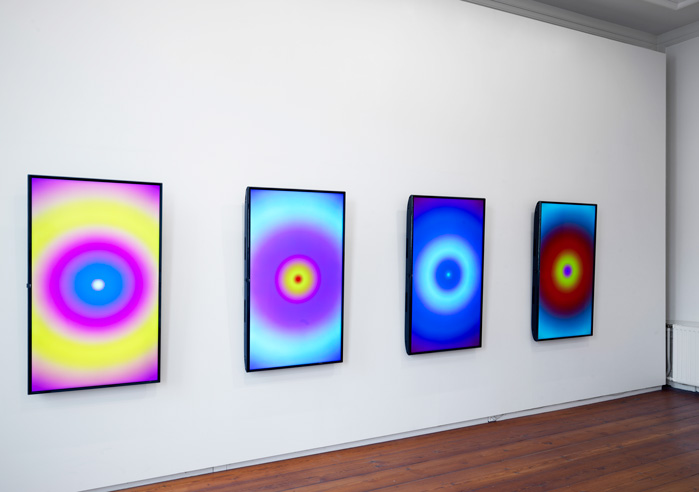
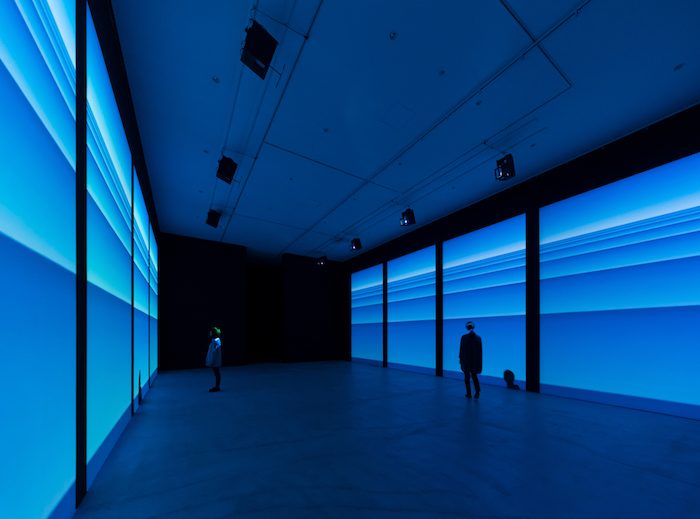
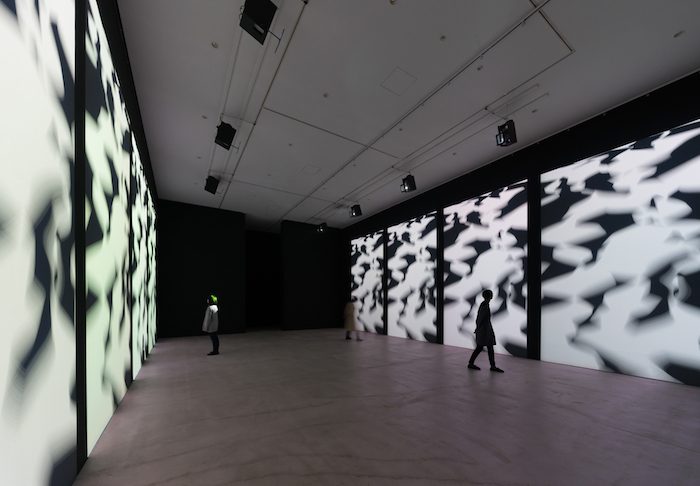
“Abstraction is the intensification of perception,” says Rafaël Rozendaal, an innovator in the realm of Internet-based art. Since the early 2000s, Rozendaal has produced vibrant animations that explore the aesthetic and conceptual possibilities of code, treating it as if it were paint. This installation presents a selection of his artworks, each sampled for two to three minutes.
Each work starts as a storyboard sketched on paper, which is then translated into code, into a program that occupies only a few kilobytes. The final form is an autonomous website powered by that algorithm, which generates the animation in real time.
Because Rozendaal has chosen the Internet as his canvas, his works exist within the browser’s flat yet multidimensional digital landscape. For the same reason, though they are held in private and public collections, his artworks are accessible to everybody online through their URLs. “I always wanted to make work that could be seen by anyone, anywhere, anytime,” the artist affirms. “I wanted to create work that gives the viewer a feeling of possibility.”
From the start, Rozendaal planned his websites to be robust enough to withstand the evolution of both software and hardware, and to be equally vivid at any screen resolution. The artworks adapt fluidly to any display, from a smartphone to the high-resolution LED screen—nearly twenty-five feet across—you are contemplating here. The result is a state of immersion so complete that it seems to merge with the physical world. As the artist explains, “I imagine we will live in a world where there is no difference
between a screen and any other surface.” Lean, light, and indestructible, his websites will still be there.
haiku tsurezure – #37
A dialogue between art and haiku
Rafaël Rozendaal + Yuzo Ono
September 2024
Yuzo Ono
YO: As an artist, you have been presenting your internet artwork for a long time, and have had many exhibitions, including one at the Towada Art Center in Japan. In the process, you encountered Japanese haiku and began to write your own haiku. You not only publish your haiku on your website but also exhibit them as artwork at exhibitions and even put together a book of your haiku. I would like to hear about these activities today.
(More…)
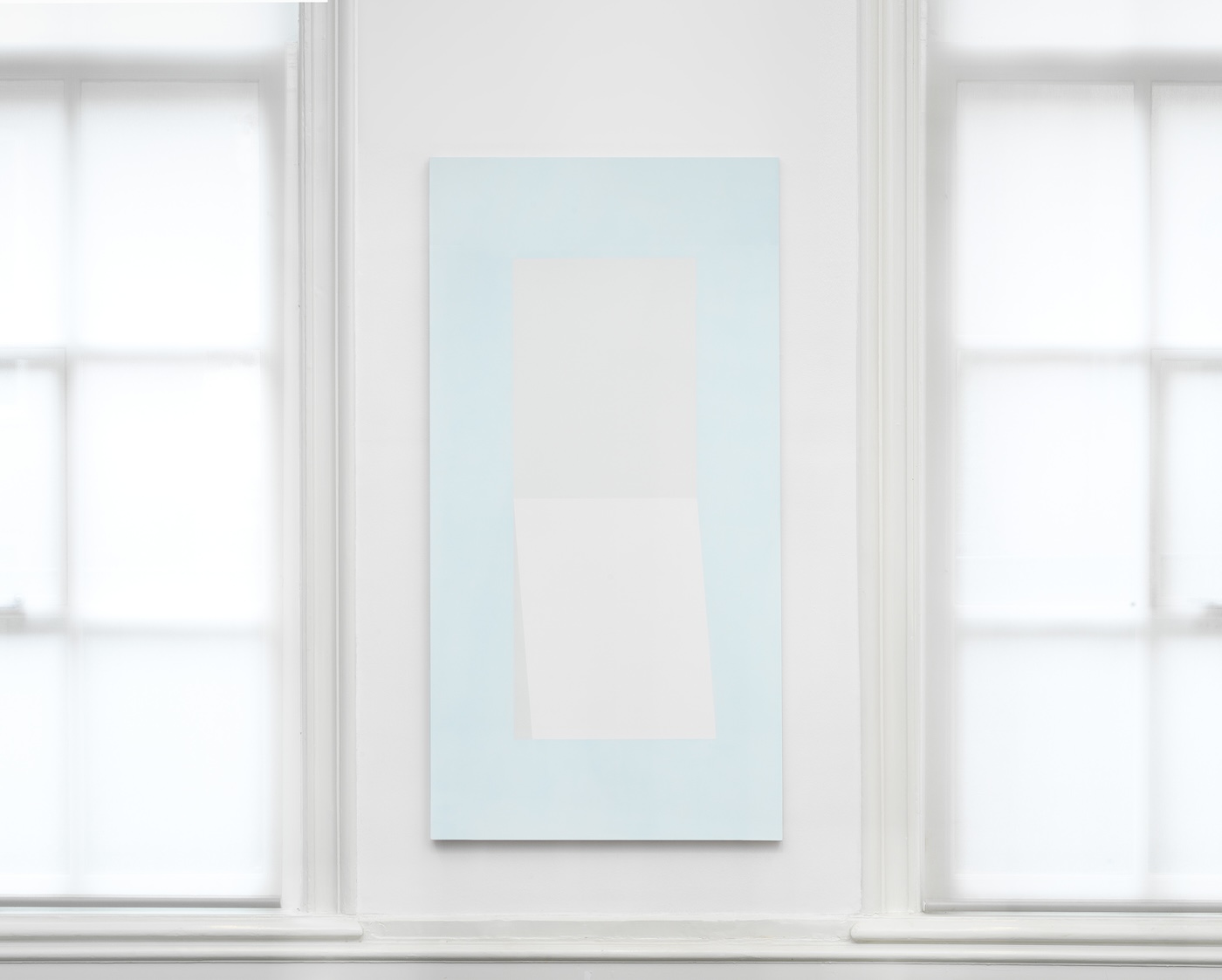
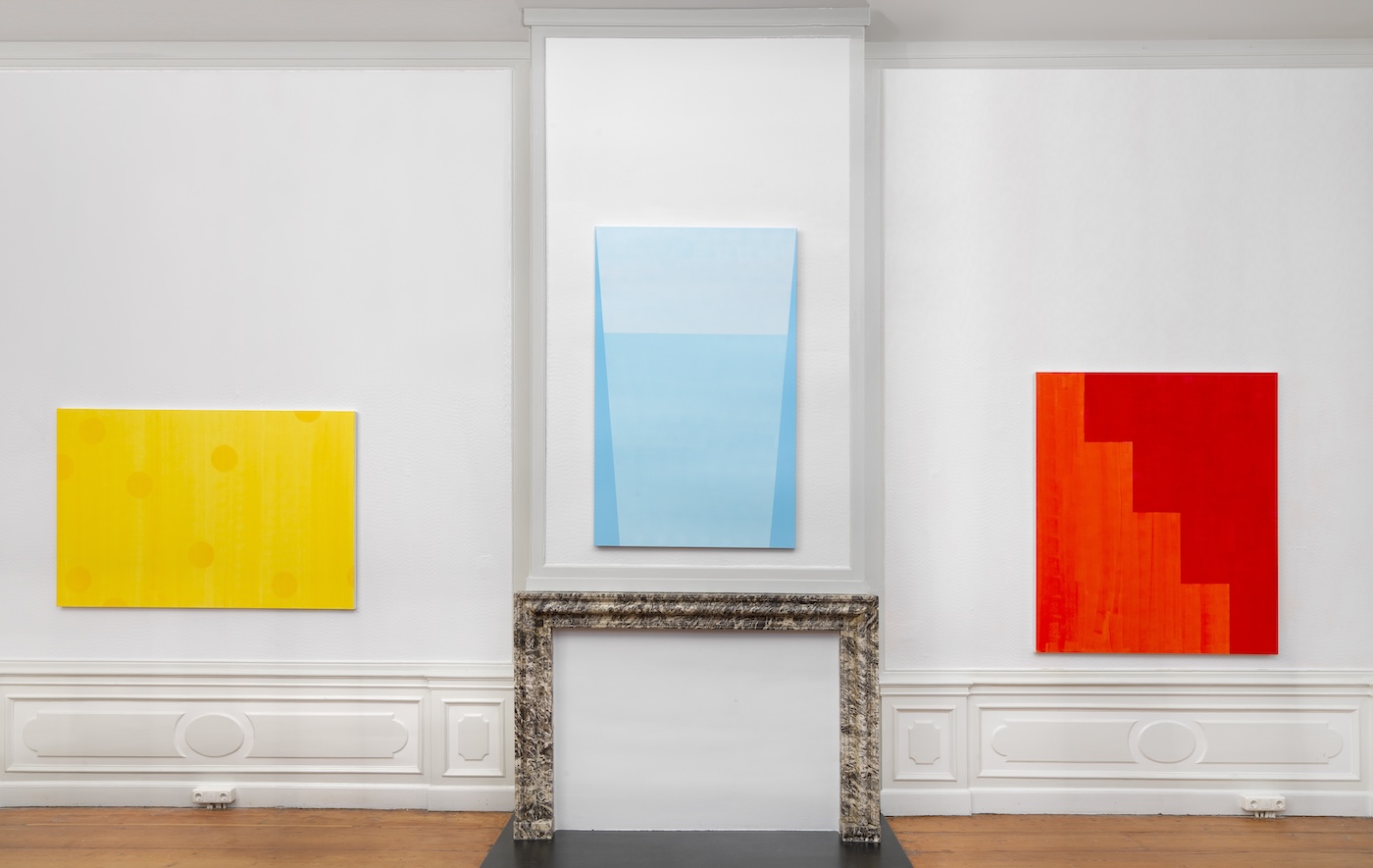
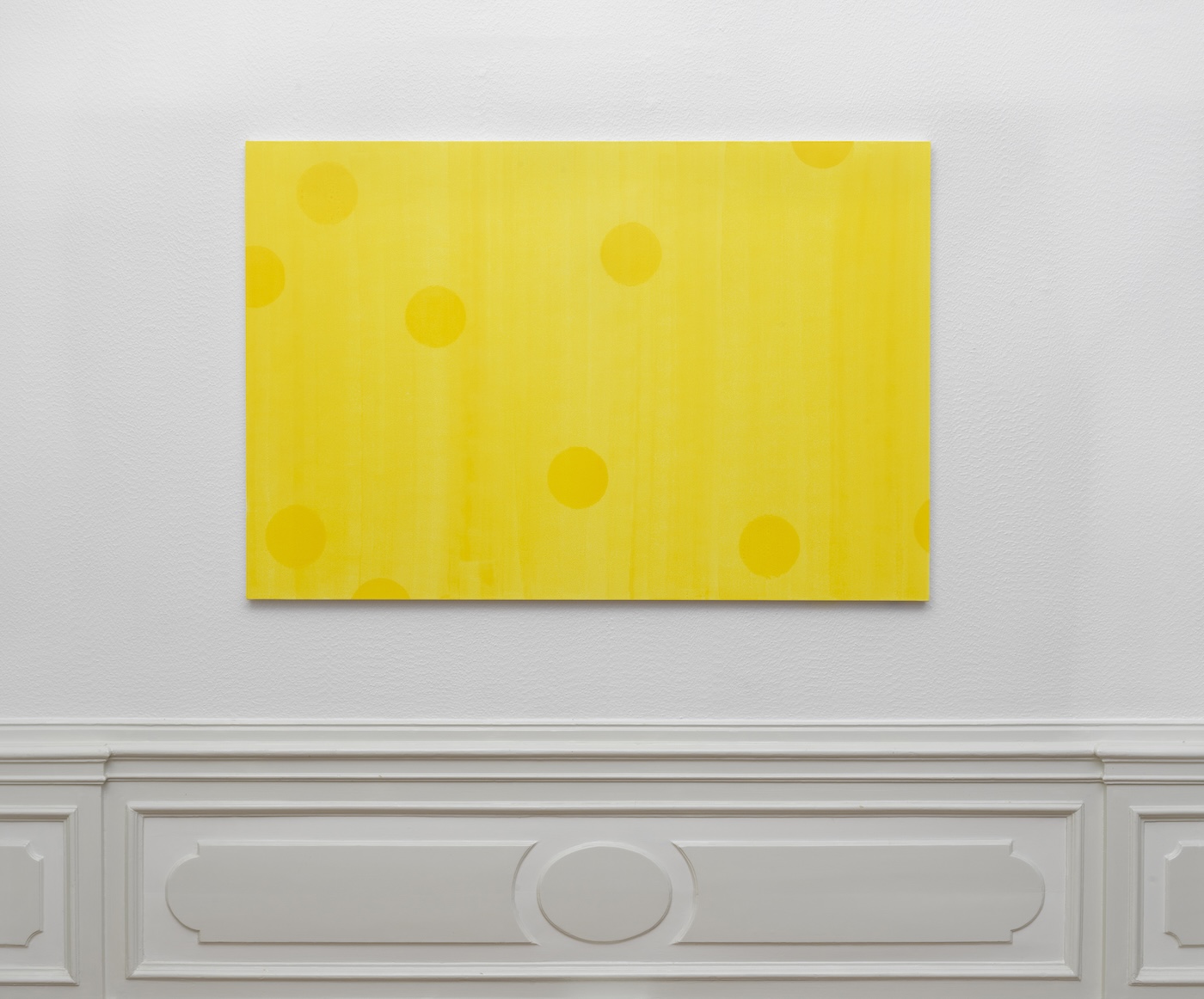
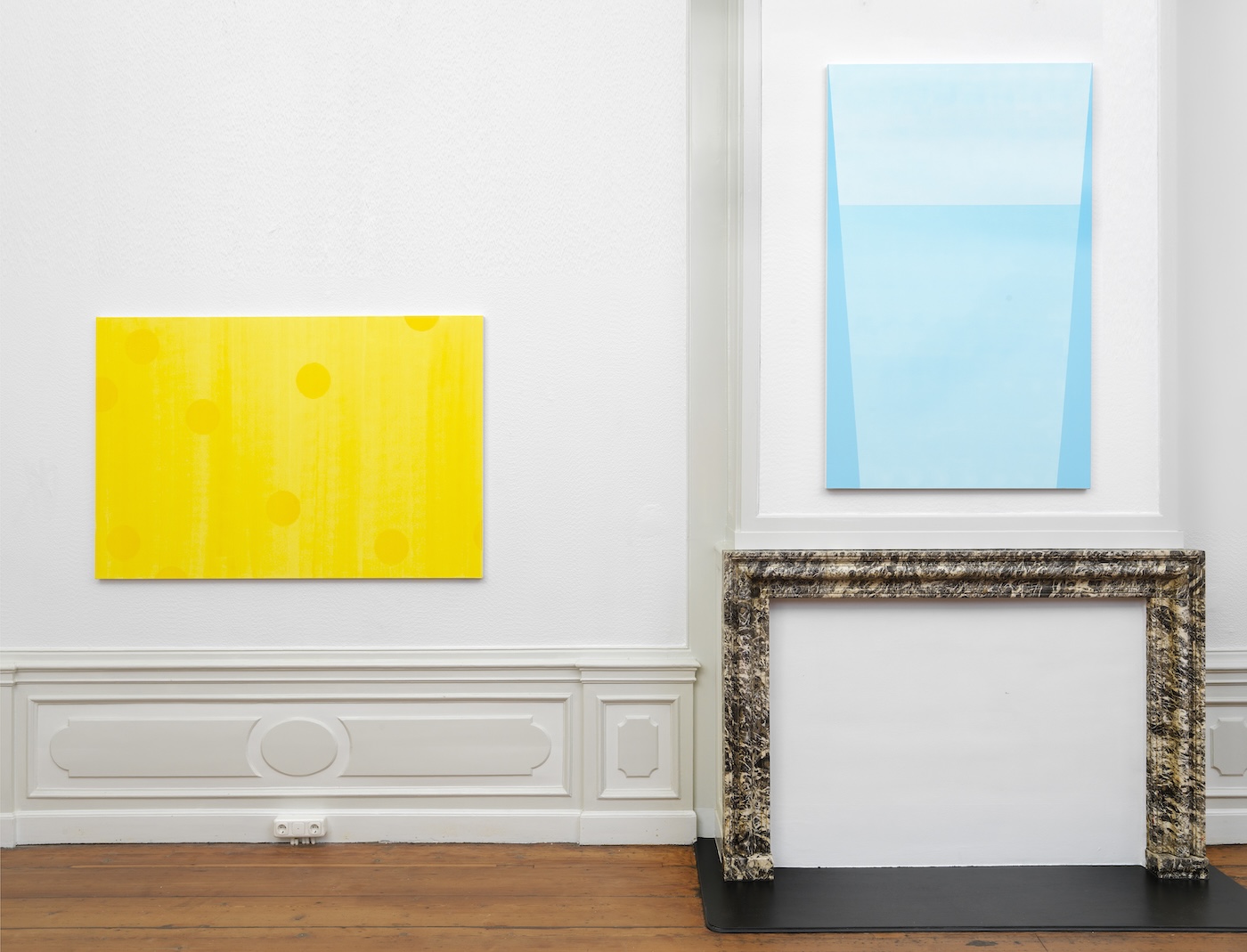
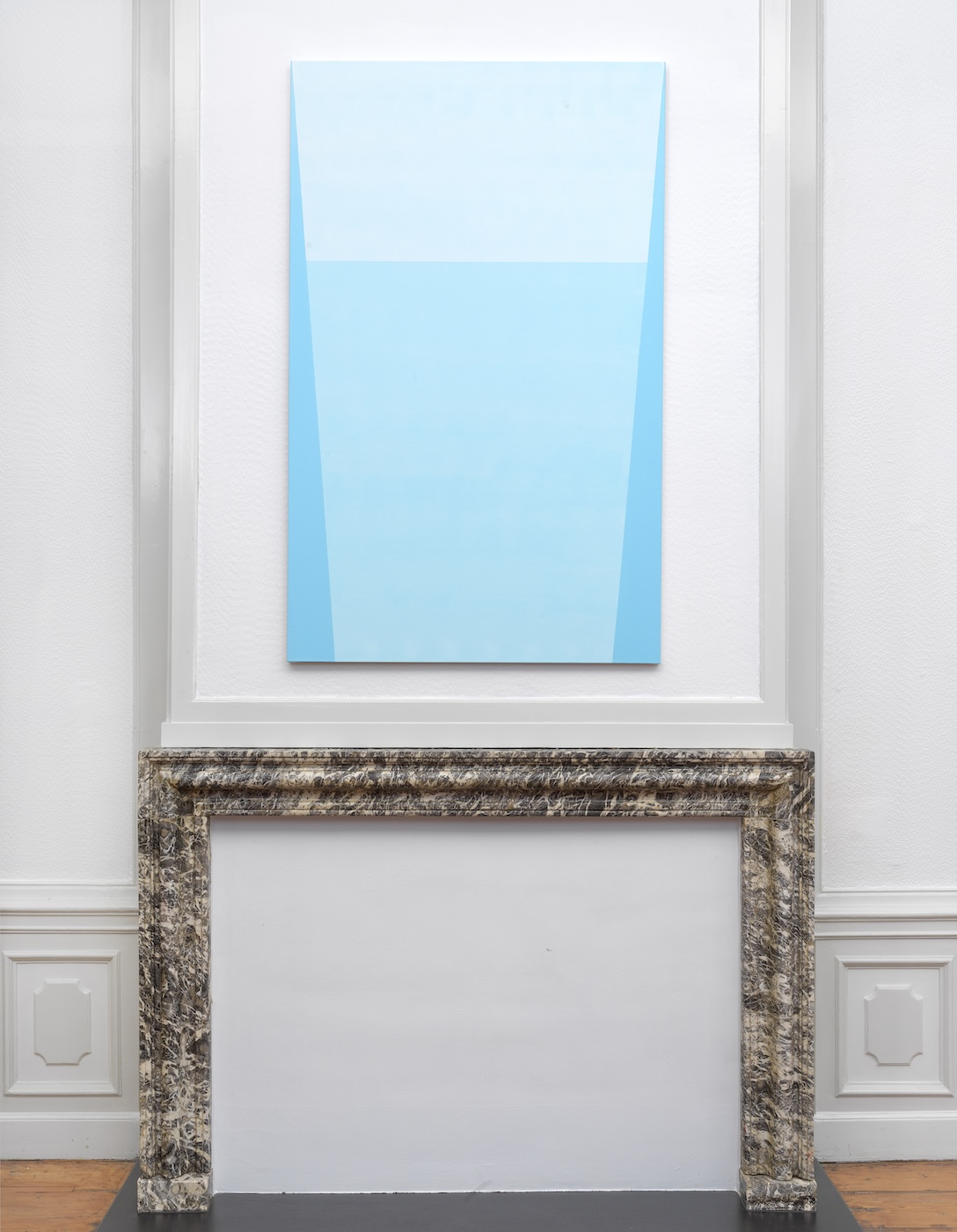
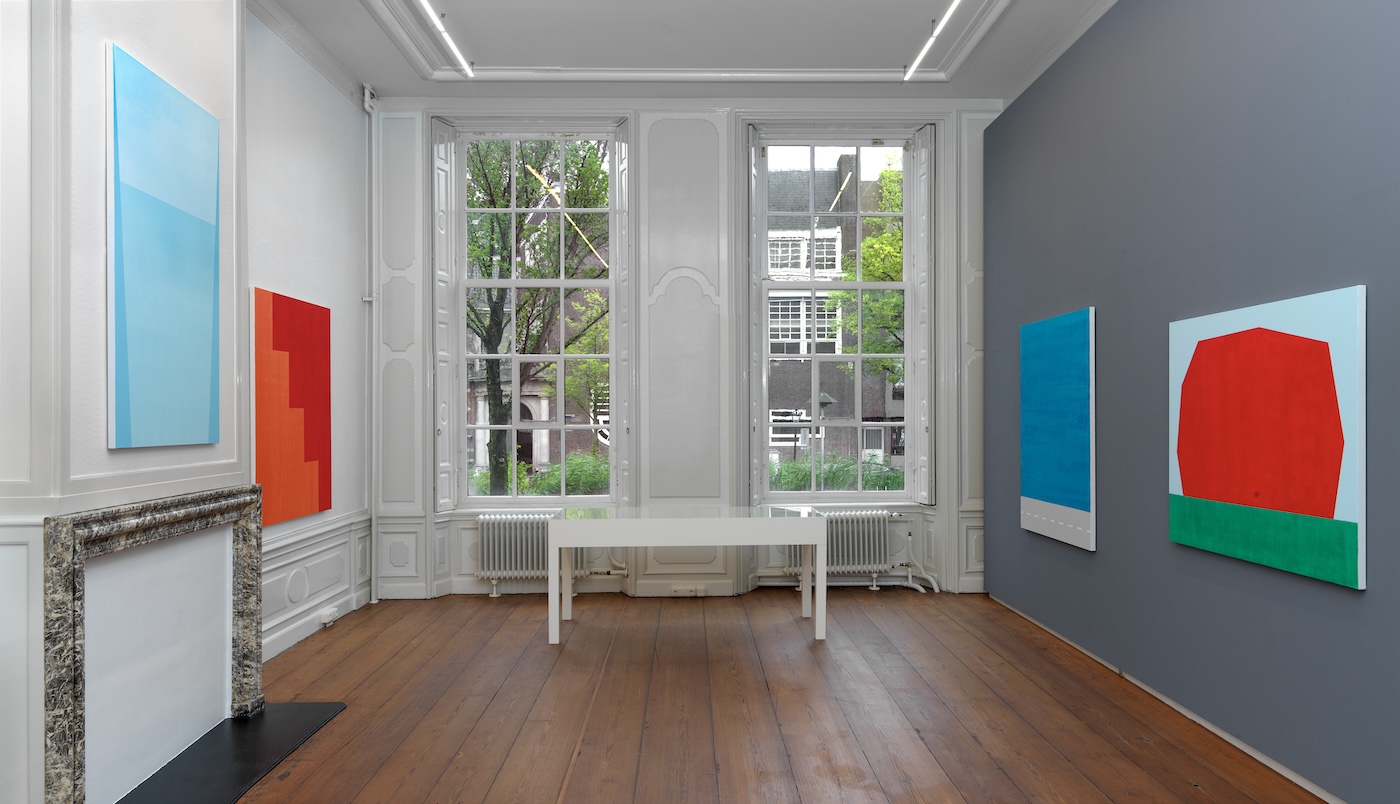
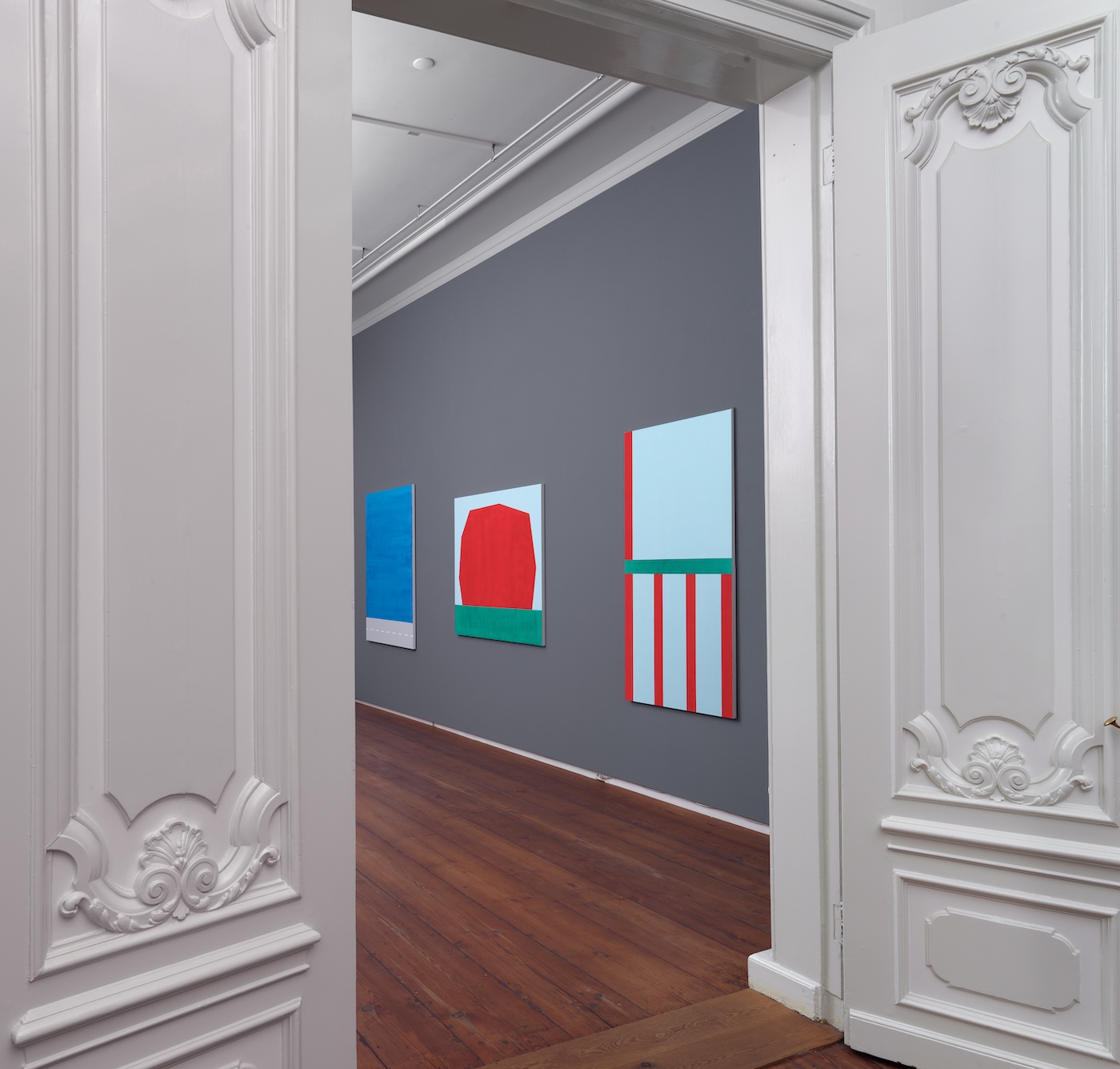
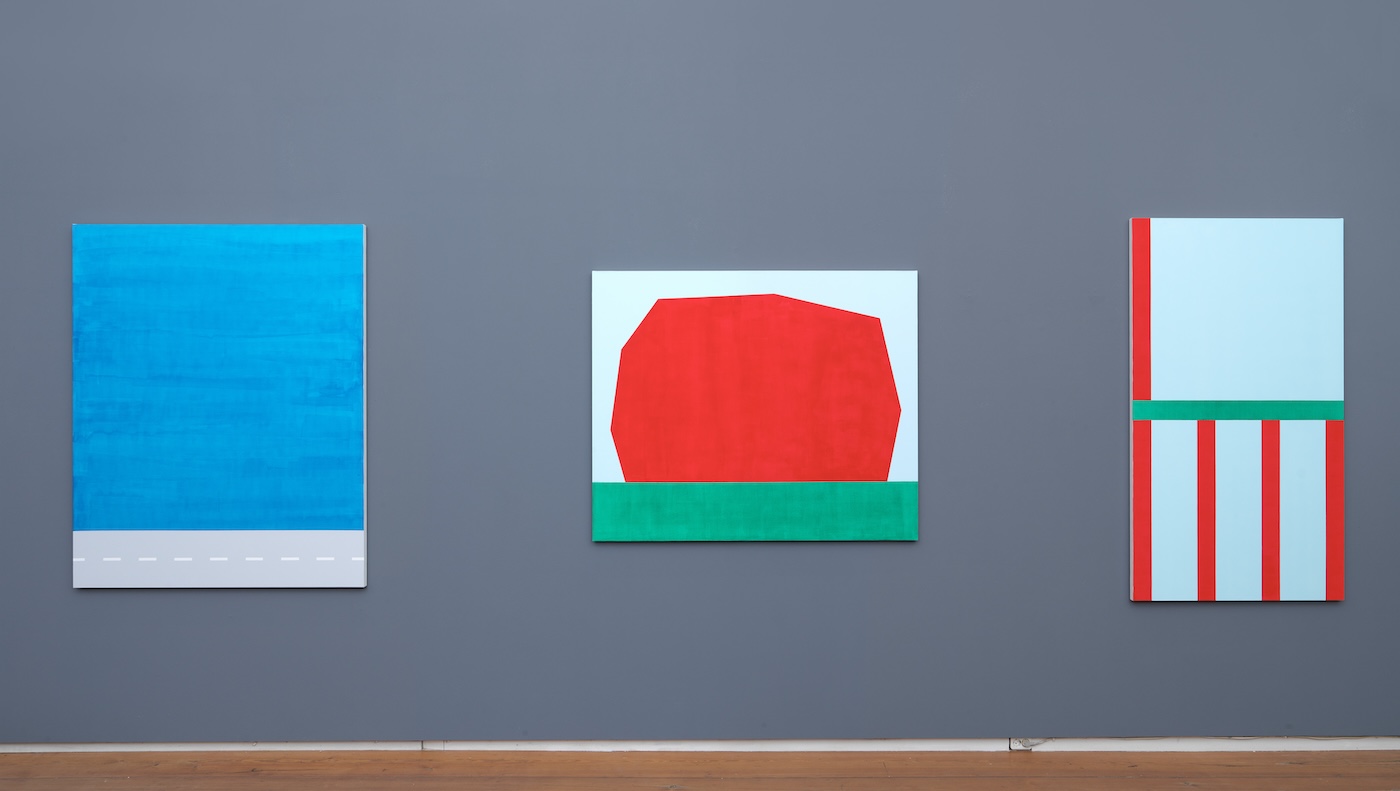
“Manual” at Upstream Gallery
August 31 – October 12, 2024
Photos by Gert-Jan van Rooij
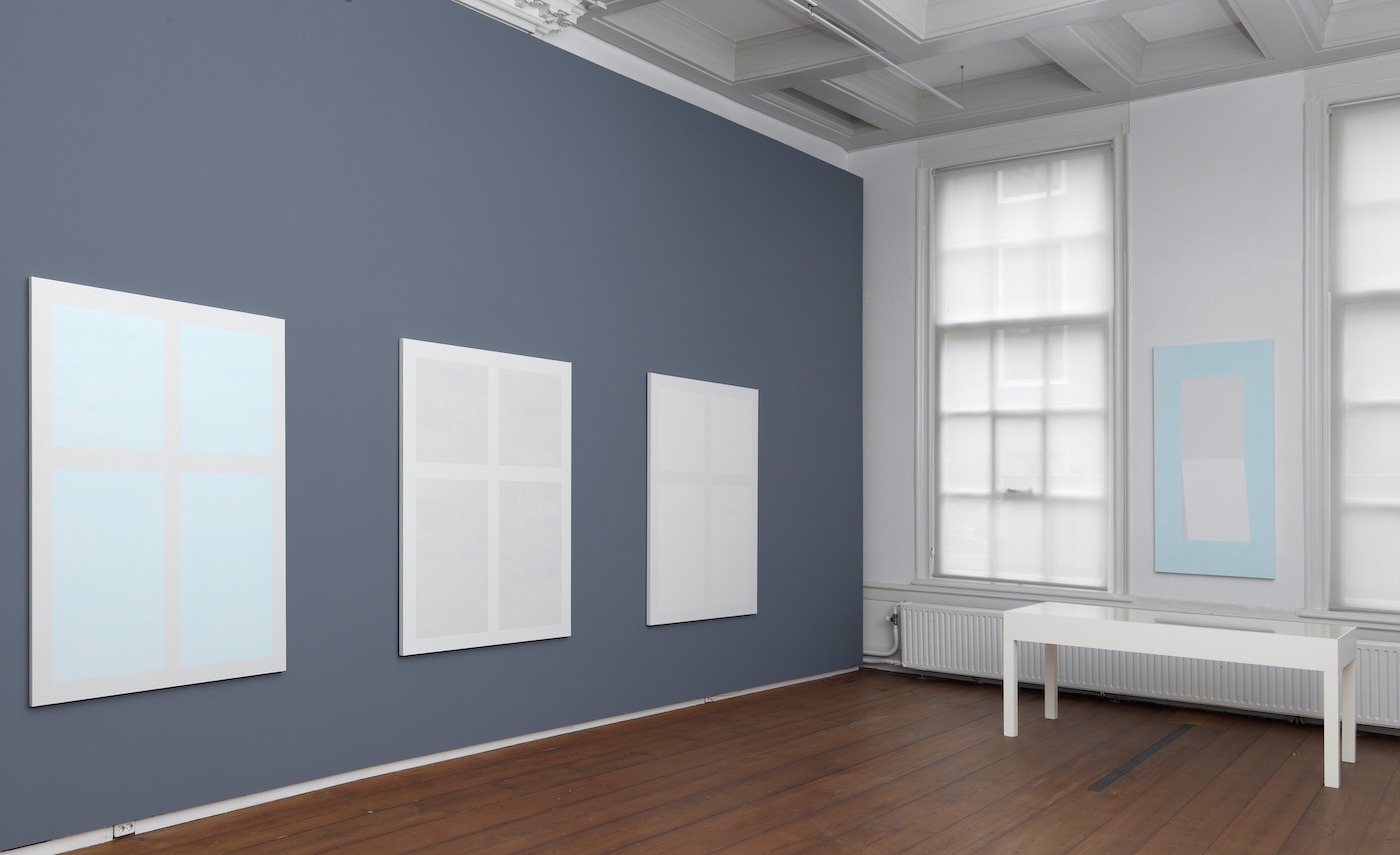
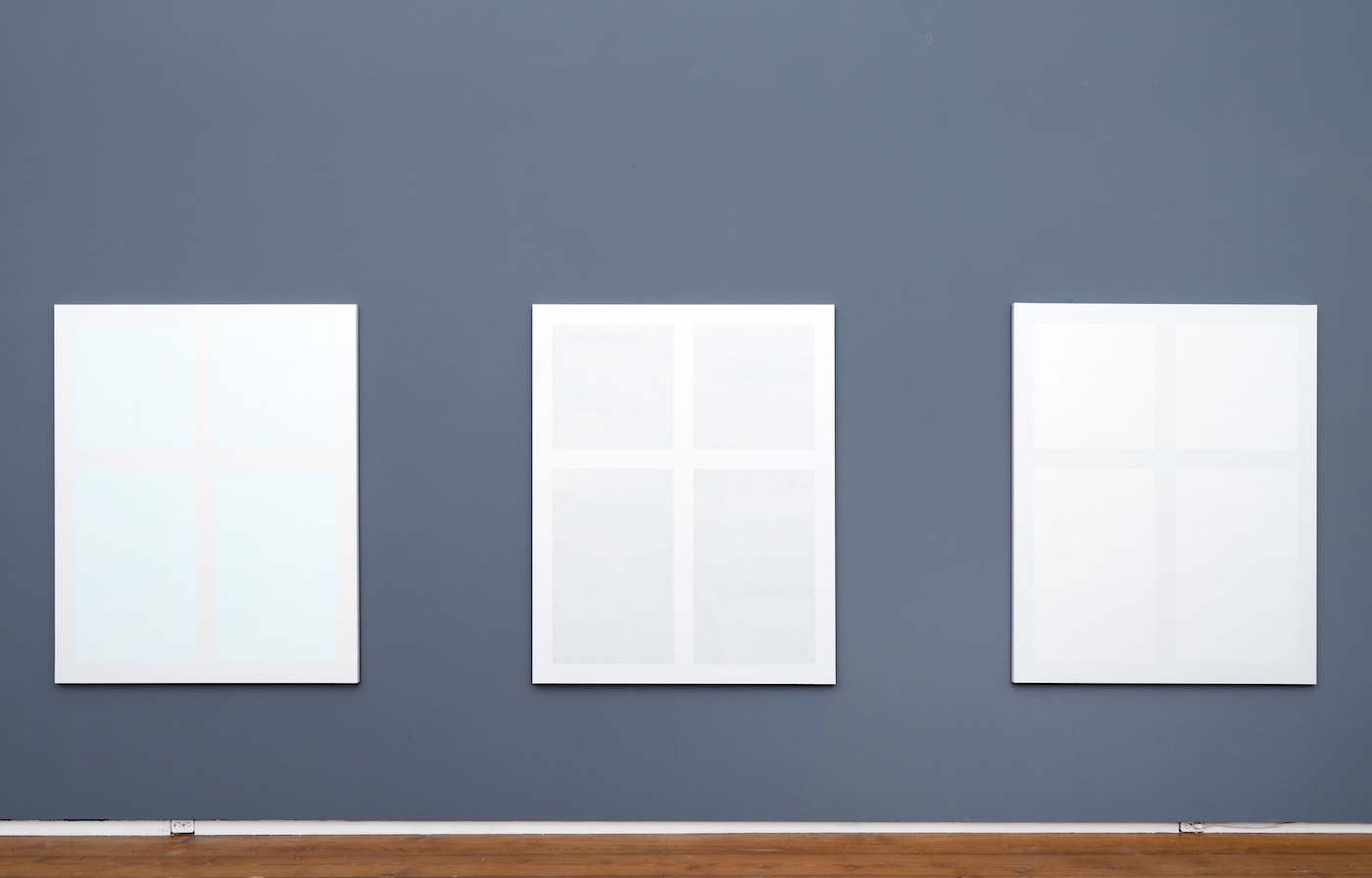
Upstream Gallery is proud to present Manual, an exhibition of new work by Rafaël Rozendaal. This marks Rozendaal’s fifth exhibition with the gallery and shows a remarkable shift in his practice. He gained recognition by using the internet as his canvas, but for his latest series of works, he turned his attention to the traditional canvas.
Rozendaal has been highly successful with his digital artworks, as well as his prints, tapestries, and other art objects that translate the digital into the physical world. His pioneering status was cemented with his first major solo museum exhibition at the Folkwang Museum in Essen in 2023. However, Rozendaal’s artistic journey is unpredictable and unconventional. Last year, for the first time in his career of 25 years, Rozendaal rented a studio (previously, he needed nothing more than a laptop) and started painting. His earlier works were produced from intensive collaborations with experts in fields such as coding, weaving, or printing, but now he is working “manually” for the first time—using his hands, acrylic paint, and canvas, working by hand results in a less controlled approach compared to his earlier works, which compels him to embrace accidents and enjoy the process. It seems like an unusual choice for one of the world’s most renowned digital artists. However, despite the new medium, his signature style is unmistakable, and his visual language is rooted in the digital world.
The exhibition features 12 of Rozendaal’s sketchbooks from the past six years, showing how his concepts take shape. For him, the creation of each new work begins by hand. Sketching is a method of thinking on paper for the artist, where lines replace words in shaping ideas. For years, these sketches were precursors to his digital works—pieces that are interactive, dynamic, or driven by chance, producing infinite, ever-evolving images. The fluidity of the digital medium allowed for continuous movement, where images never settled. Yet over time, Rozendaal’s work slowed. He began to create images that didn’t need animation. This shift led him to explore different materials, from enamel on steel (“Mechanical Paintings”) to colored plexiglass (“Extra Nervous”), ultimately arriving at painting.
Unlike the flat, textureless surface of a phone or computer screen, painting offers a tactile, imperfect experience. The ease of working digitally, where sketches could be transformed into colorful shapes without the constraints of physical space or materials, kept Rozendaal from painting for a long time. On a computer, he could experiment fearlessly; there was no need for storage or supplies, and every mark was easily undone. The digital space became an environment of infinite possibilities, a stream of consciousness without limits. But painting requires a different mindset. It is a constant negotiation with accidents—deciding which ones are valuable and which need to be discarded. Initially, Rozendaal approached painting with the idea of setting up a process that could be executed by anyone, like a factory. However, he quickly discovered that the joy of painting lay in the accidents and that spending time in the studio was more fulfilling. Painting became a source of joy, and the process of learning through exploration, rather than expertise, opened new doors in his practice.
Rozendaal quickly discovered a pleasing texture using a roller with very thin paint. The roller offered a more industrial, accidental quality compared to the nuanced variability of a brush. By applying multiple layers of diluted paint, he creates depth, with each additional layer contributing to a richer, more opaque color, in contrast to the transparency of a single layer. The colors Rozendaal uses are functional, in the sense that they serve the subject in the composition. But this does not mean that color is less important – he often chooses a color that appeals to him first and comes up with a subject later. In his digital work, he was used to working with very limited color systems. On the web, a color like red is defined by a simple hexadecimal code. In painting, the same color becomes a complex, multifaceted experience, where variations in hue, application, and surface can transform it entirely. This imperfection is what makes painting so intriguing for Rozendaal—colors interact with each other in ways that seem more dynamic than in other mediums. A red placed next to a blue strengthens both, while red next to orange creates a completely different experience.
Rozendaal’s use of figuration in the paintings is not meant to tell stories or make statements, but rather to explore abstraction. He seeks how few lines are needed to evoke familiar subjects, such as a landscape or a glass of water, something he calls “minimal figuration”. He reduces a subject or scene to a universal language, like diagrams. Rozendaal is fascinated by the tension between the recognizable and the physical reality of painting—where his subjects become a dialogue between the image and material.
Ultimately, Rozendaal views the essence of art as the encounter between personality and material. He learns from each medium and responds to it in his own way. His entire body of work—whether digital, woven, or painted—has always acted like painting in some form. He arrived at a language for painting that is shaped by his background as a digital artist and his beginner’s mindset, bringing a fresh and unconventional approach to the traditional medium.
in an attention economy, focus is the ultimate luxury
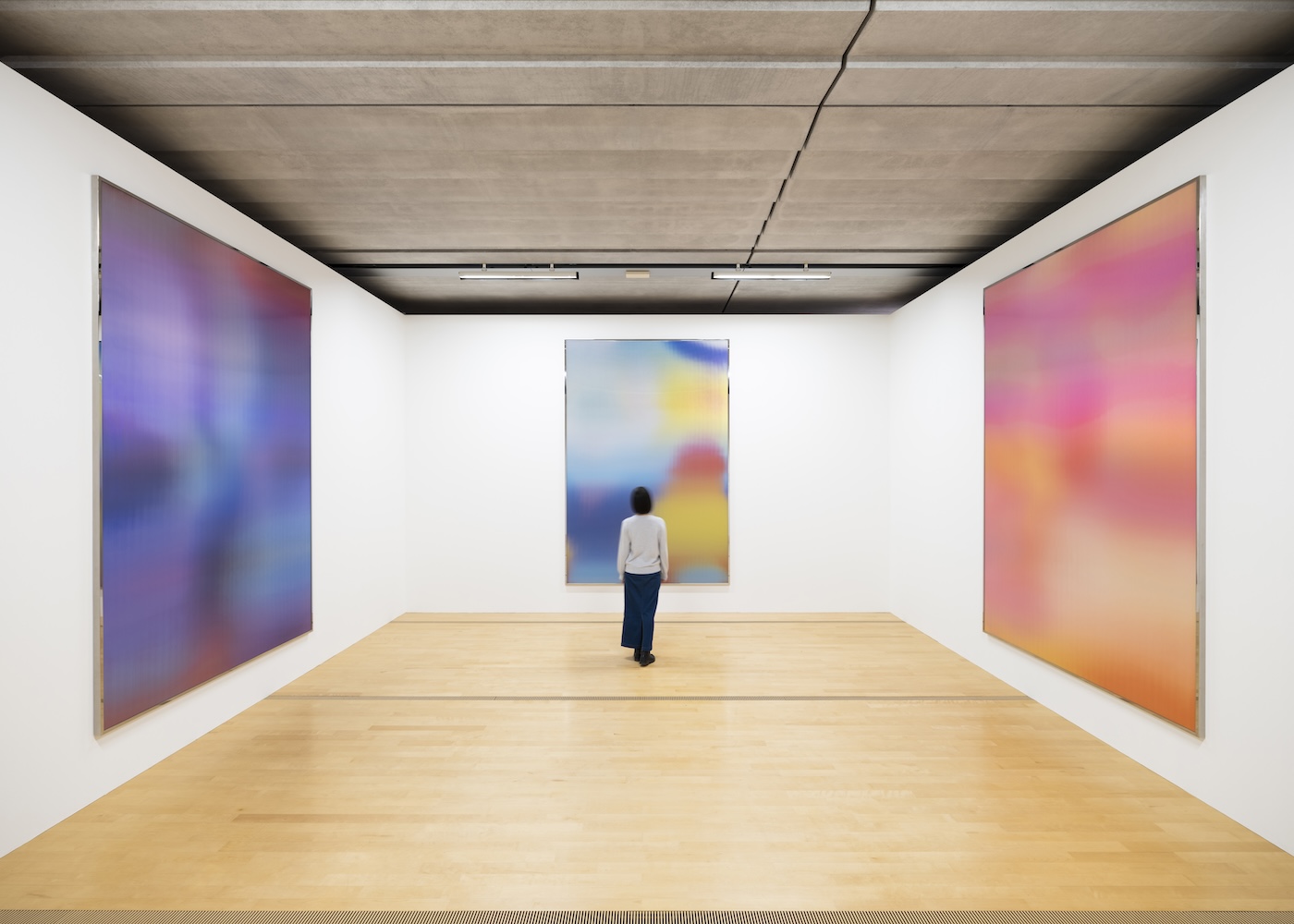
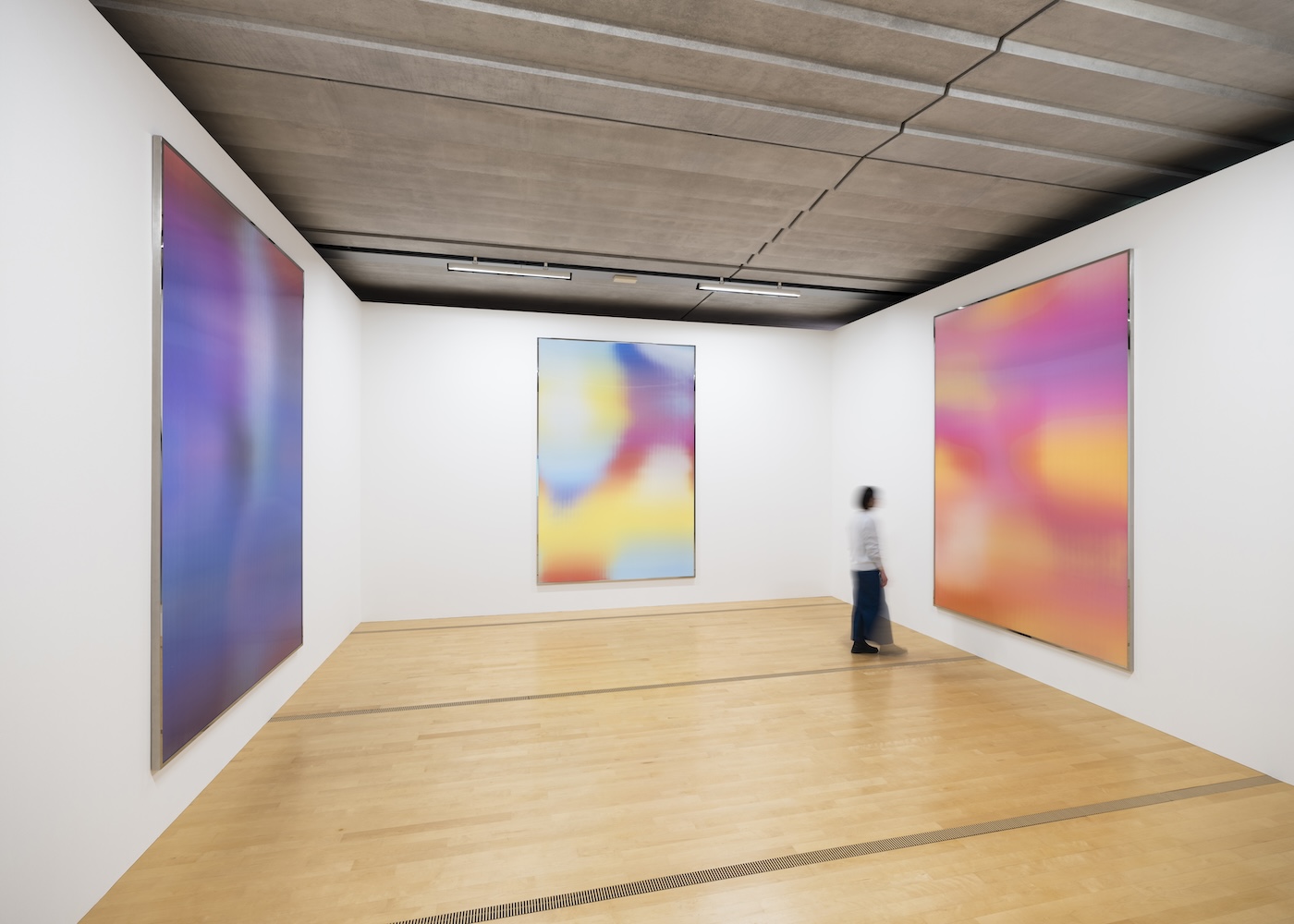
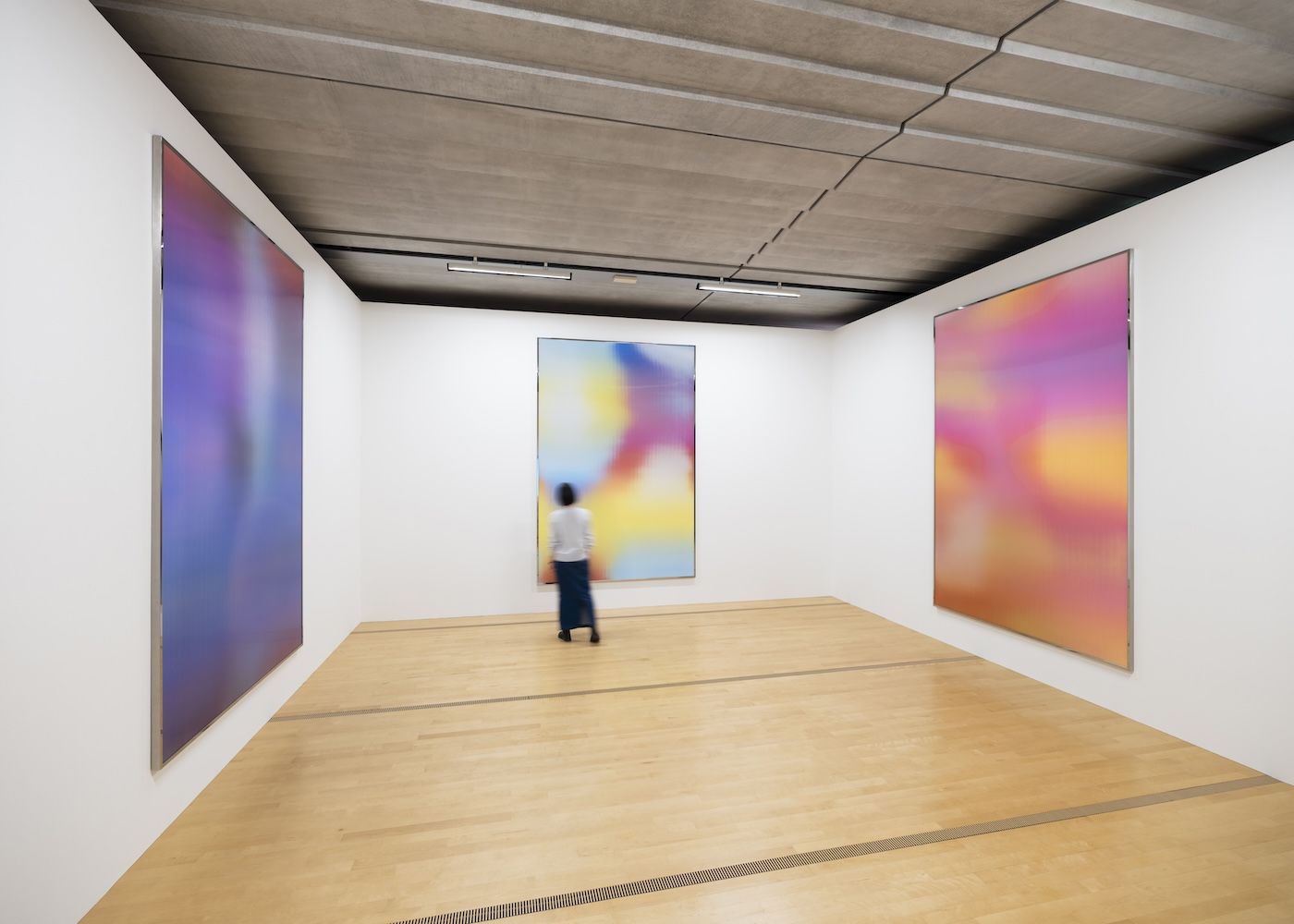
Pola Museum of Art, Hakone, Japan
Modern Times in Paris 1925 – Art and Design in the Machine-age
December 16, 2023 – May 19, 2024
© Rafaël Rozendaal
Courtesy of Takuro Someya Contemporary Art
Photos & video by Shu Nakagawa
don’t make art on the internet, that will never work
don’t show websites in museums, they belong online
don’t make gallery objects, you’re a web artist
don’t write poetry, you’re not a poet
don’t use blockchain, that’s for investors
don’t paint, that’s for painters
when you don’t like
the new
you feel old
if you don’t
understand it
you get it
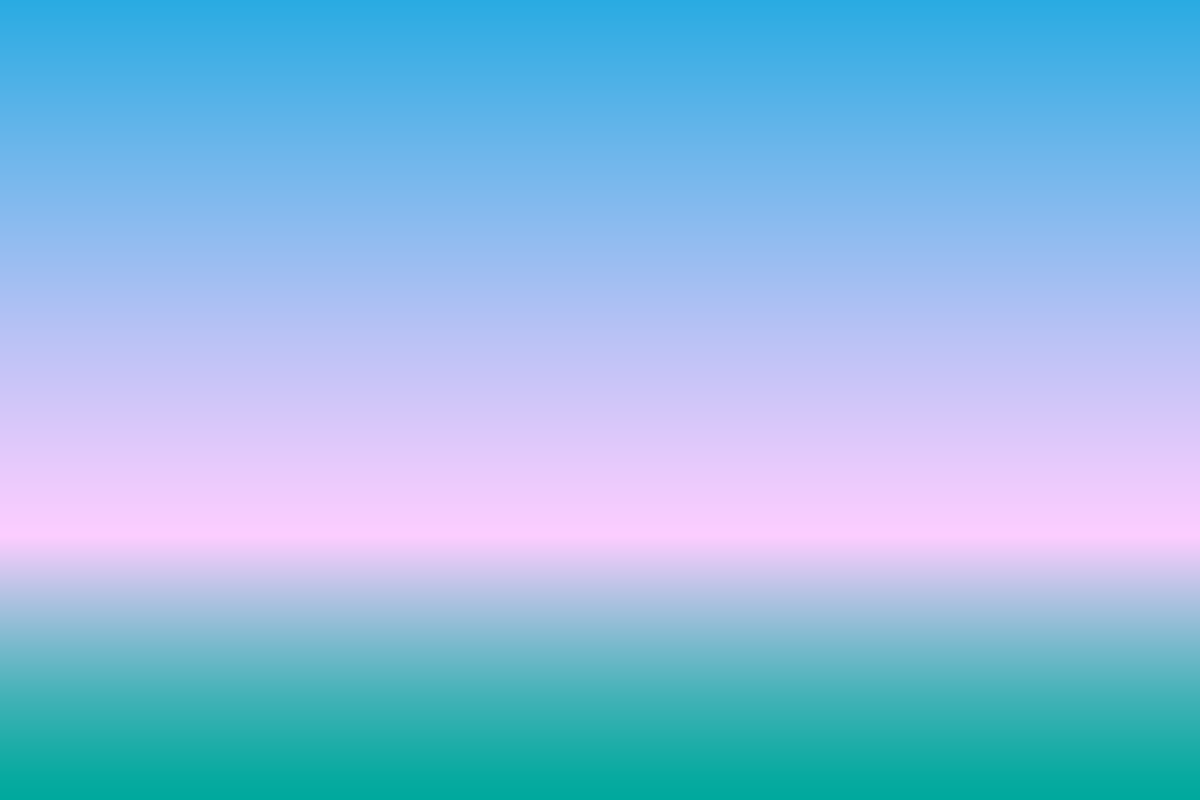


81 Landscapes is a new collection of 81 fully on-chain artworks.
Smart Contract by Alberto Granzotto.
This is not a generative project. All colors were manually chosen… human intuition.
This project will be “released” next year. I decided to mint them early, the works were ready, and I like the feeling of having a record when the work was first complete. But none of these are for sale till some time next year.
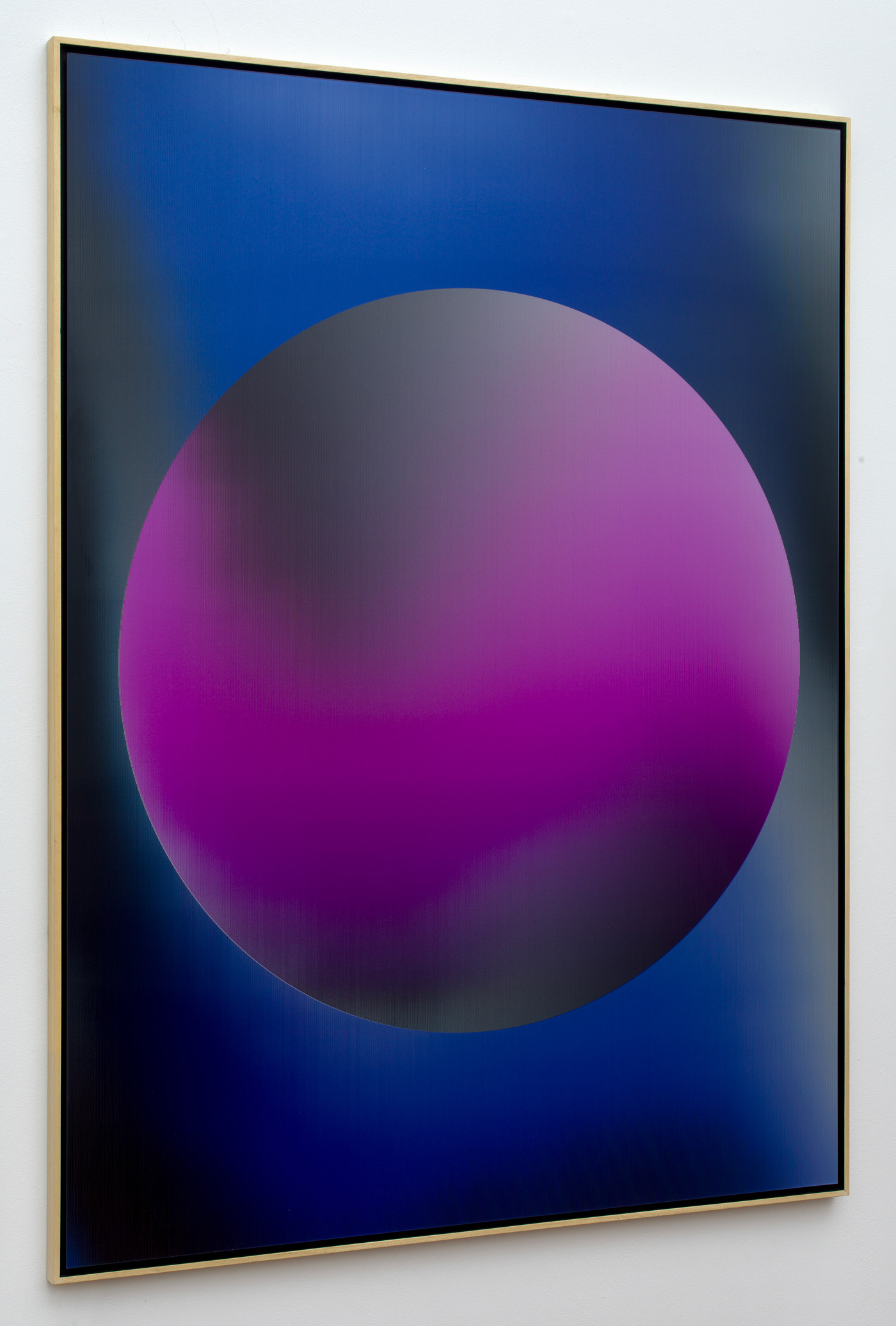
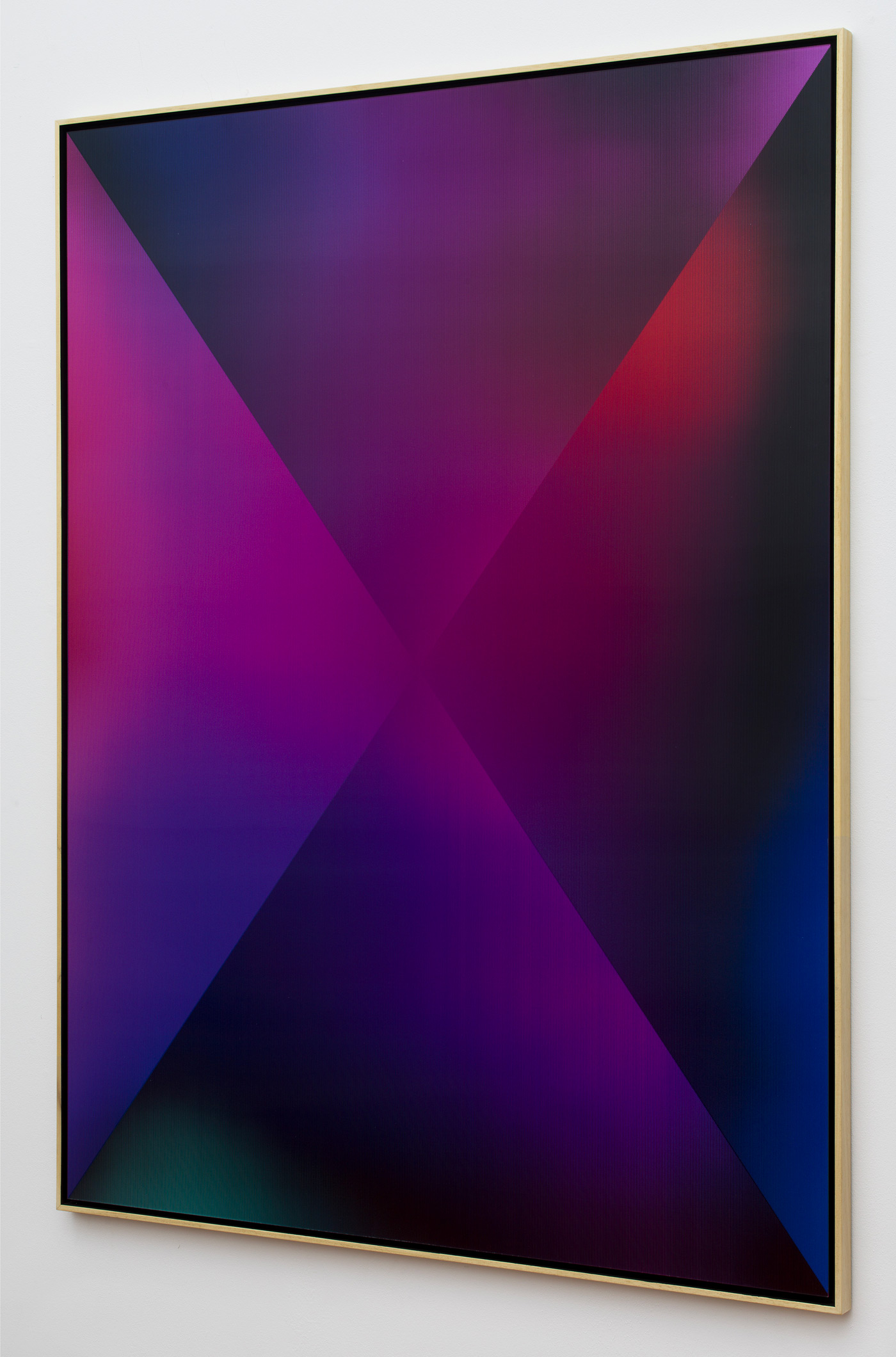
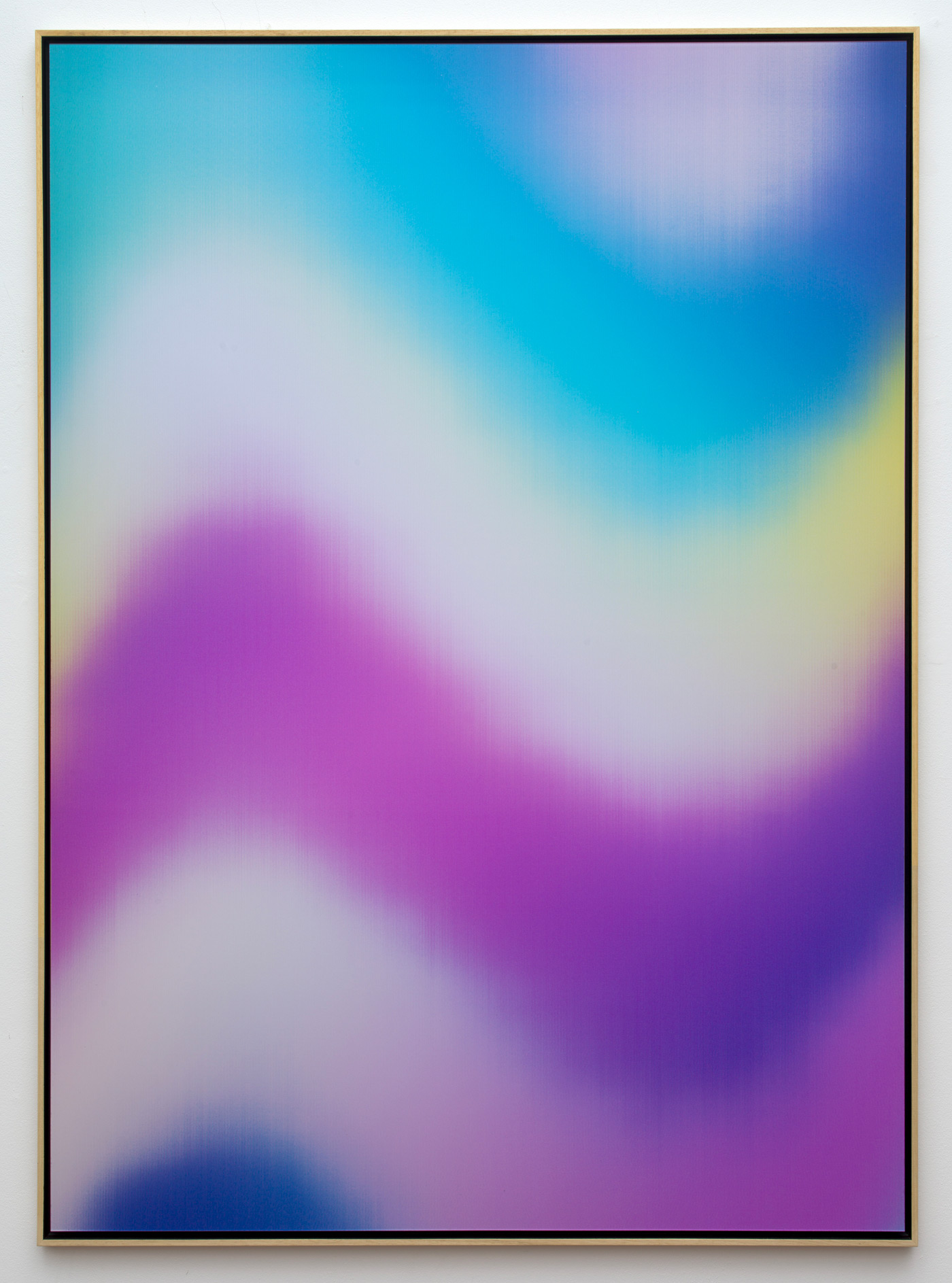
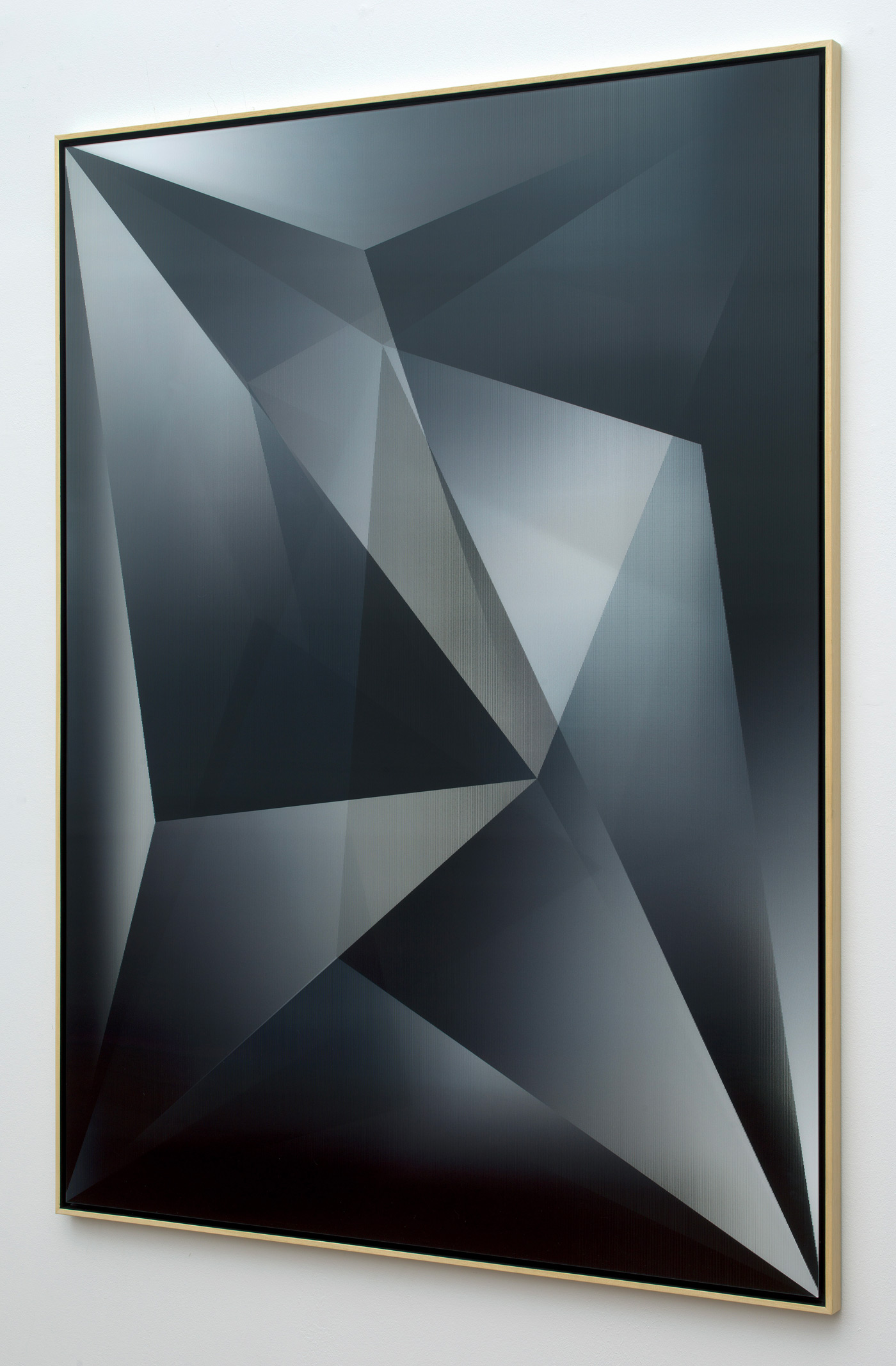
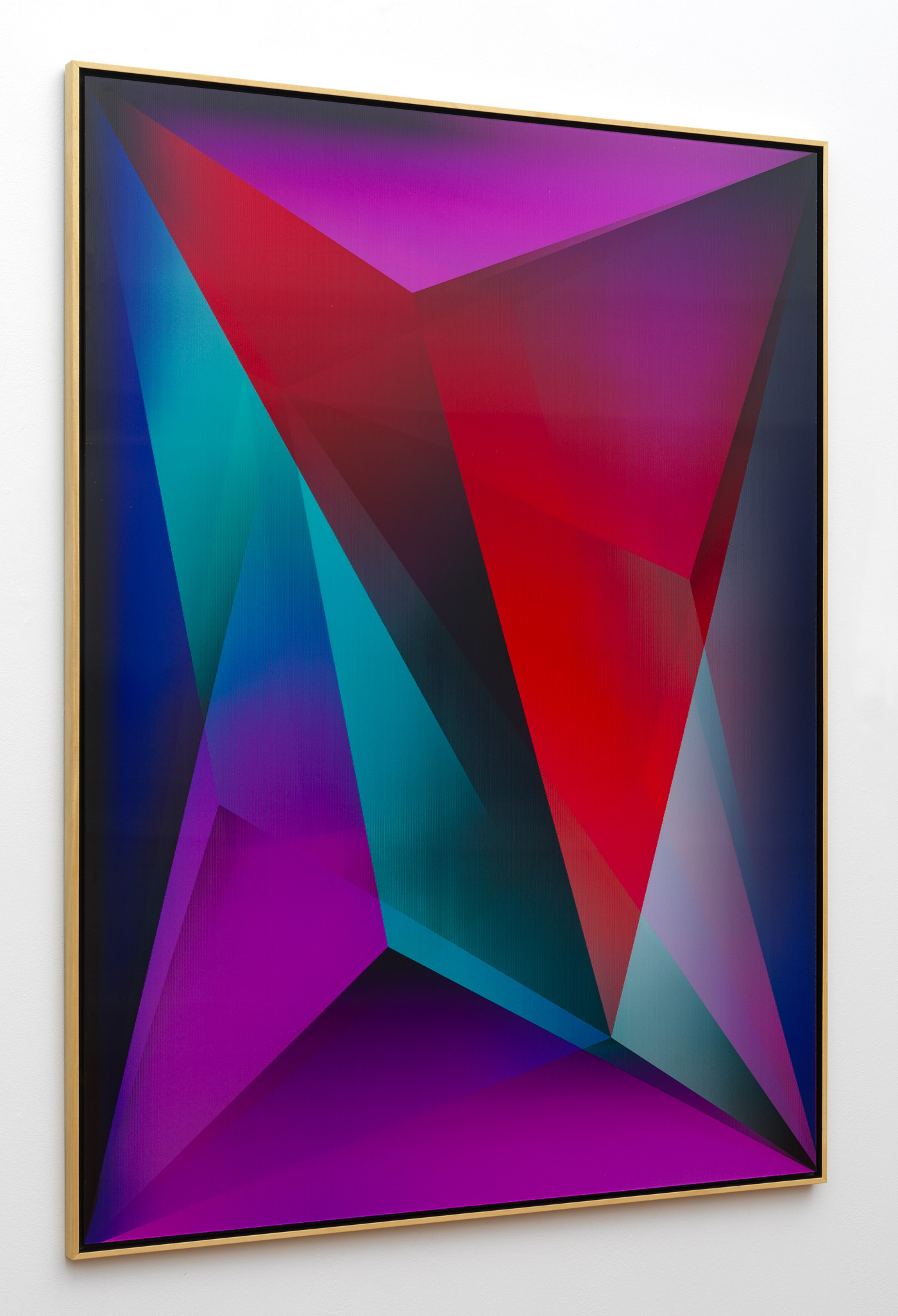
Into Time 22 10 series
Framed lenticular prints
160 x 120 cm
Courtesy of Upstream Gallery
Photos by Gert-Jan van Rooij
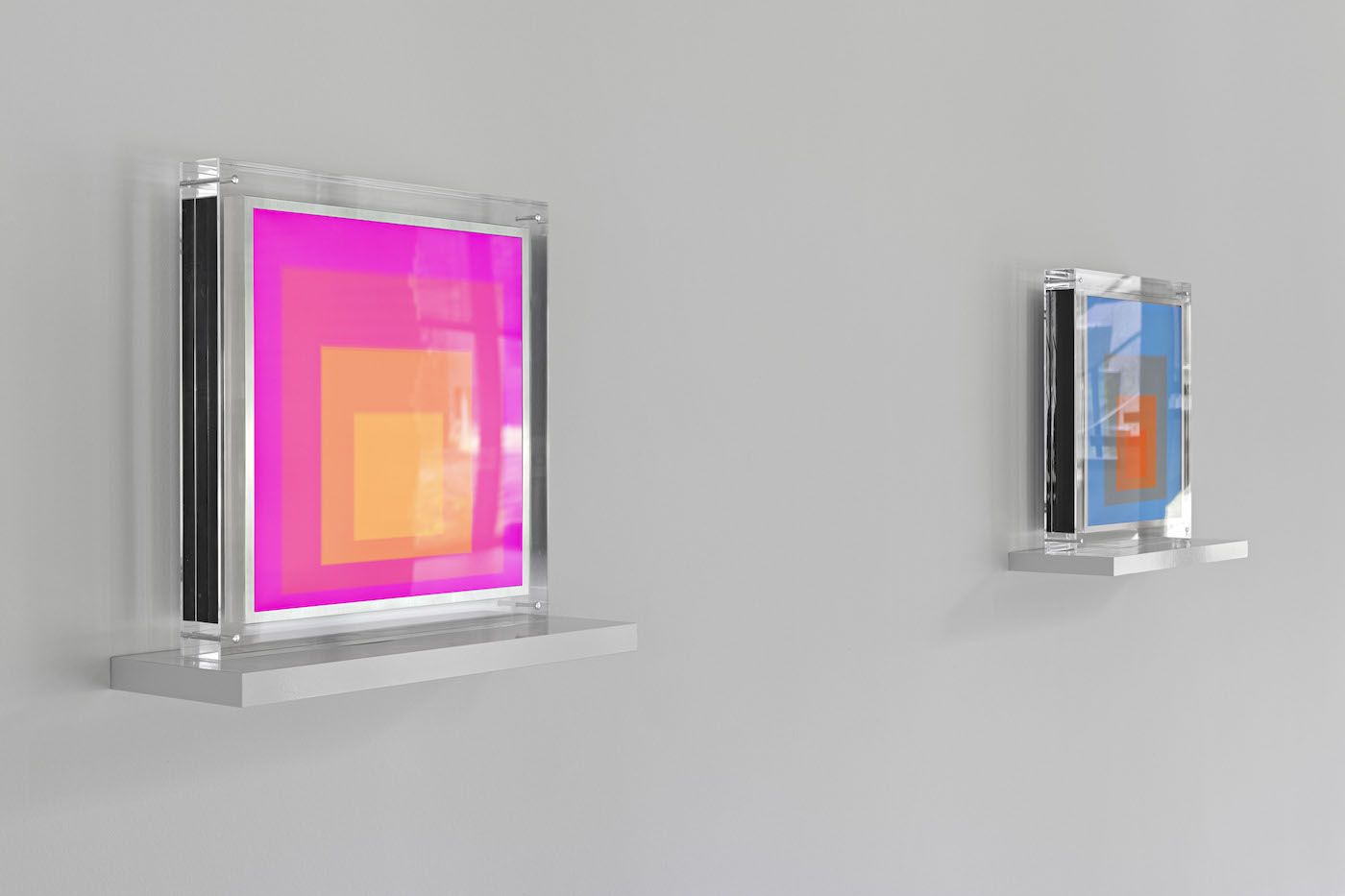
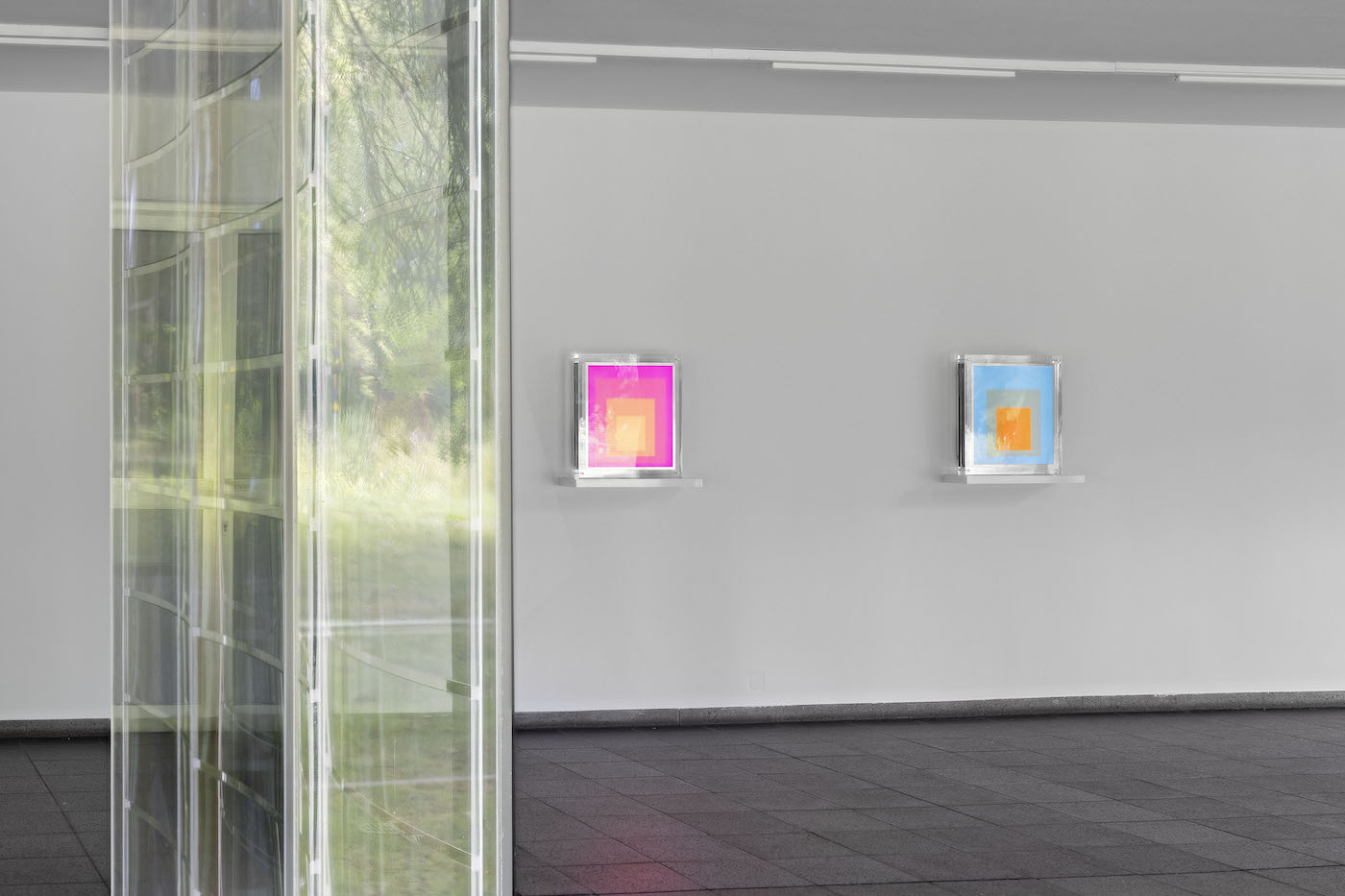
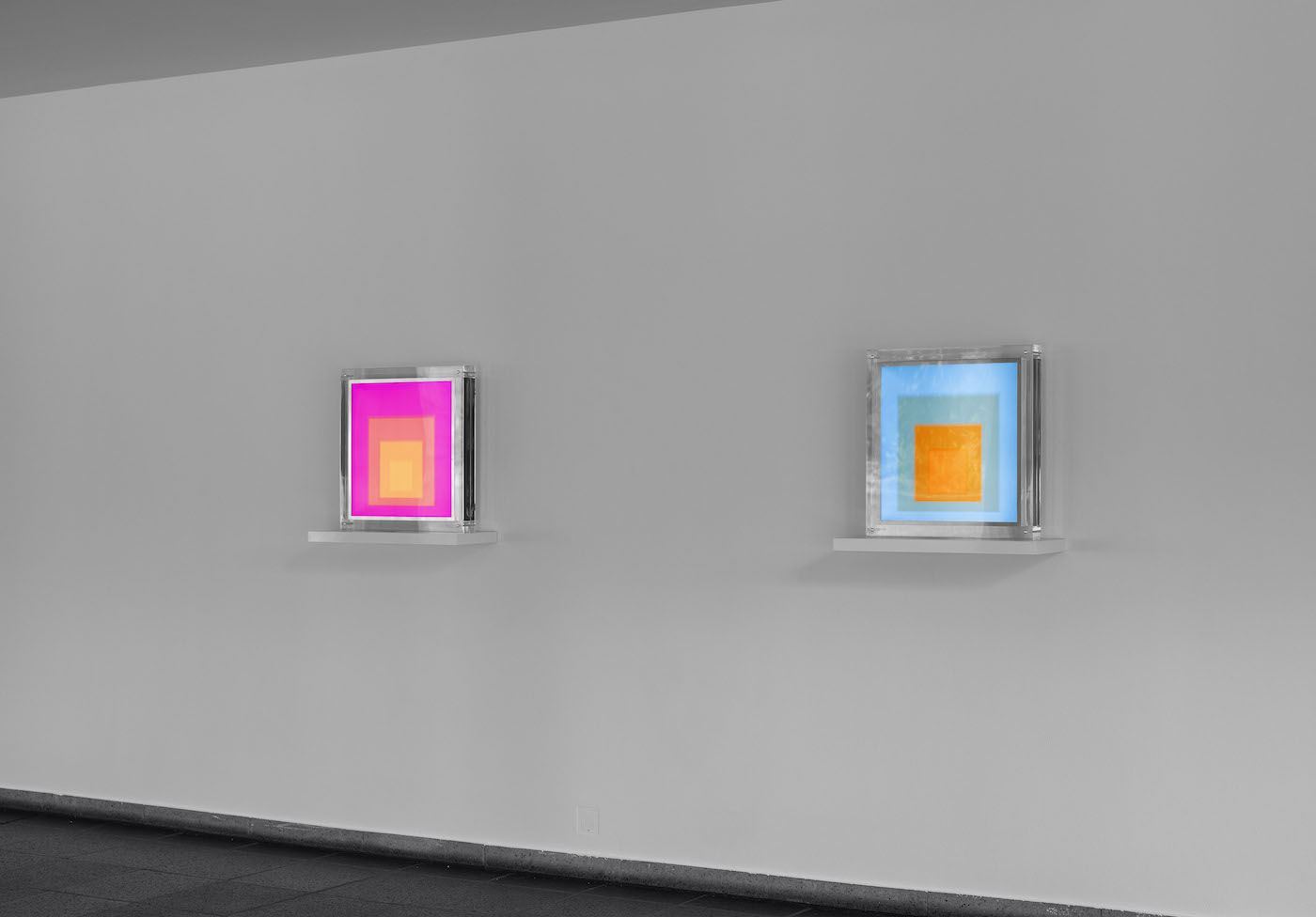
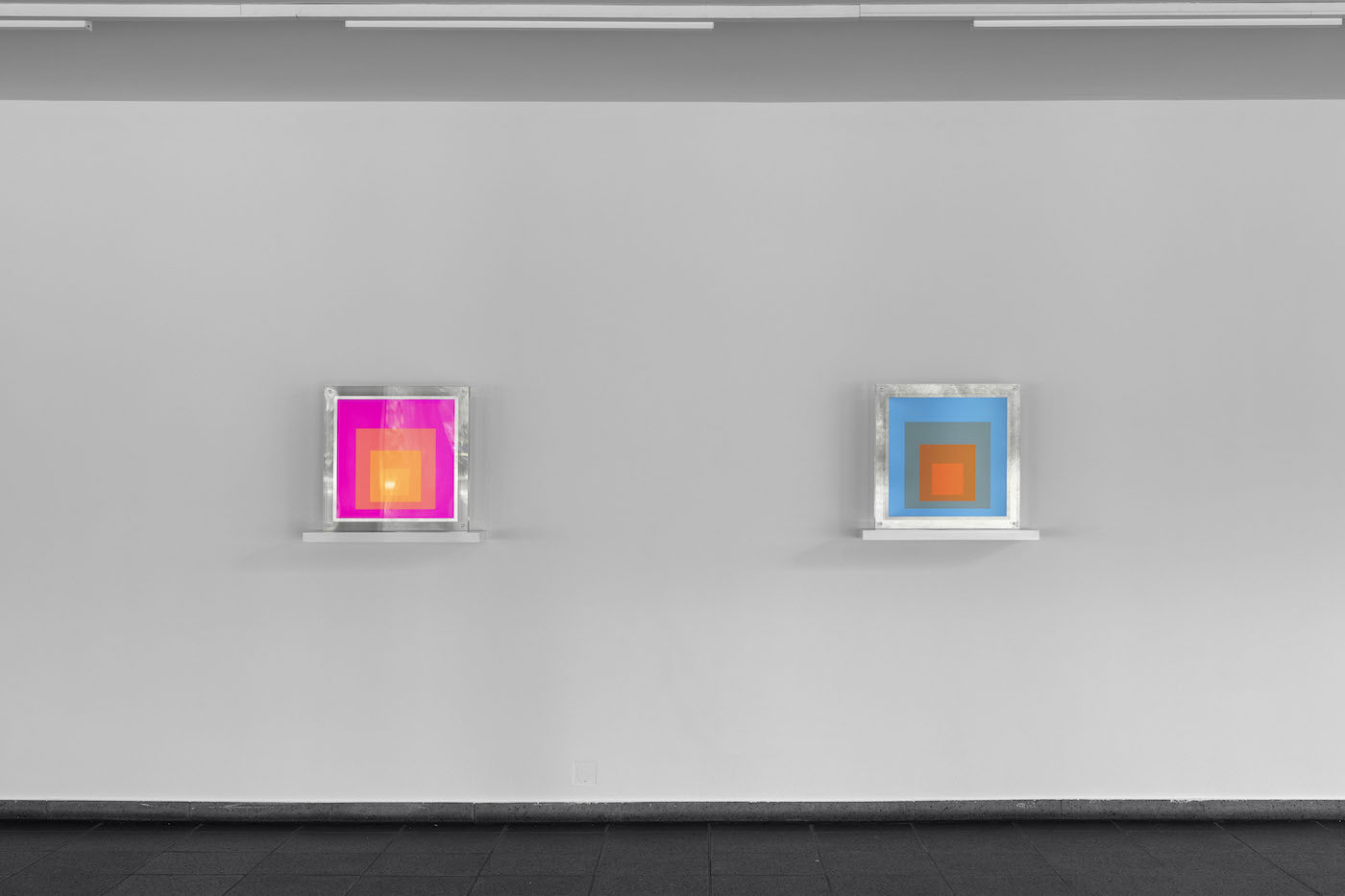
Homage 43 & 49 at Josef Albers Museum Quadrat Bottrop
Photos by Philipp Ottendörfer, 2023
Thank you to
Family Collection Klinkhamer,
Collection Tim Whidden,
Infinite Objects.
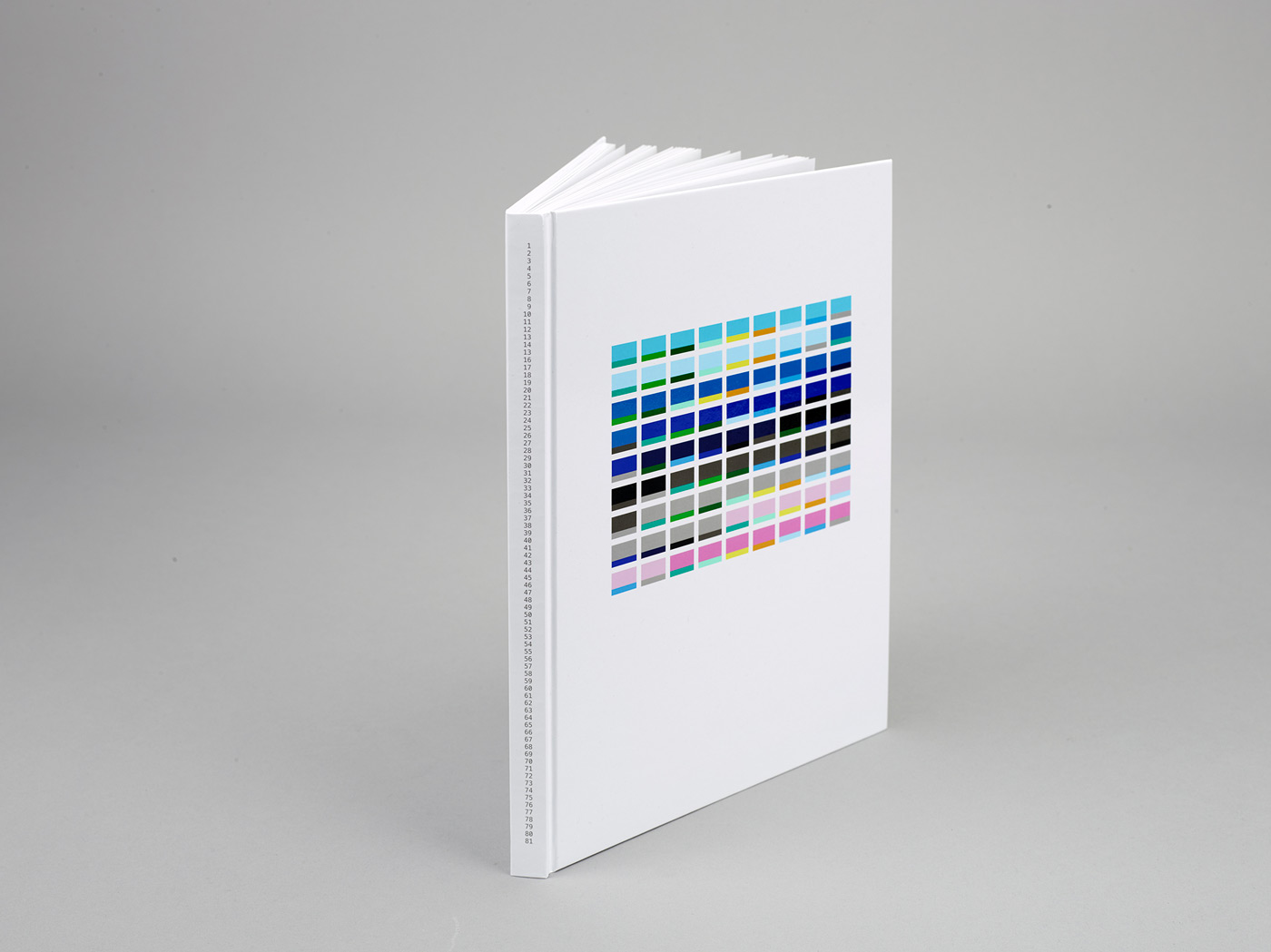
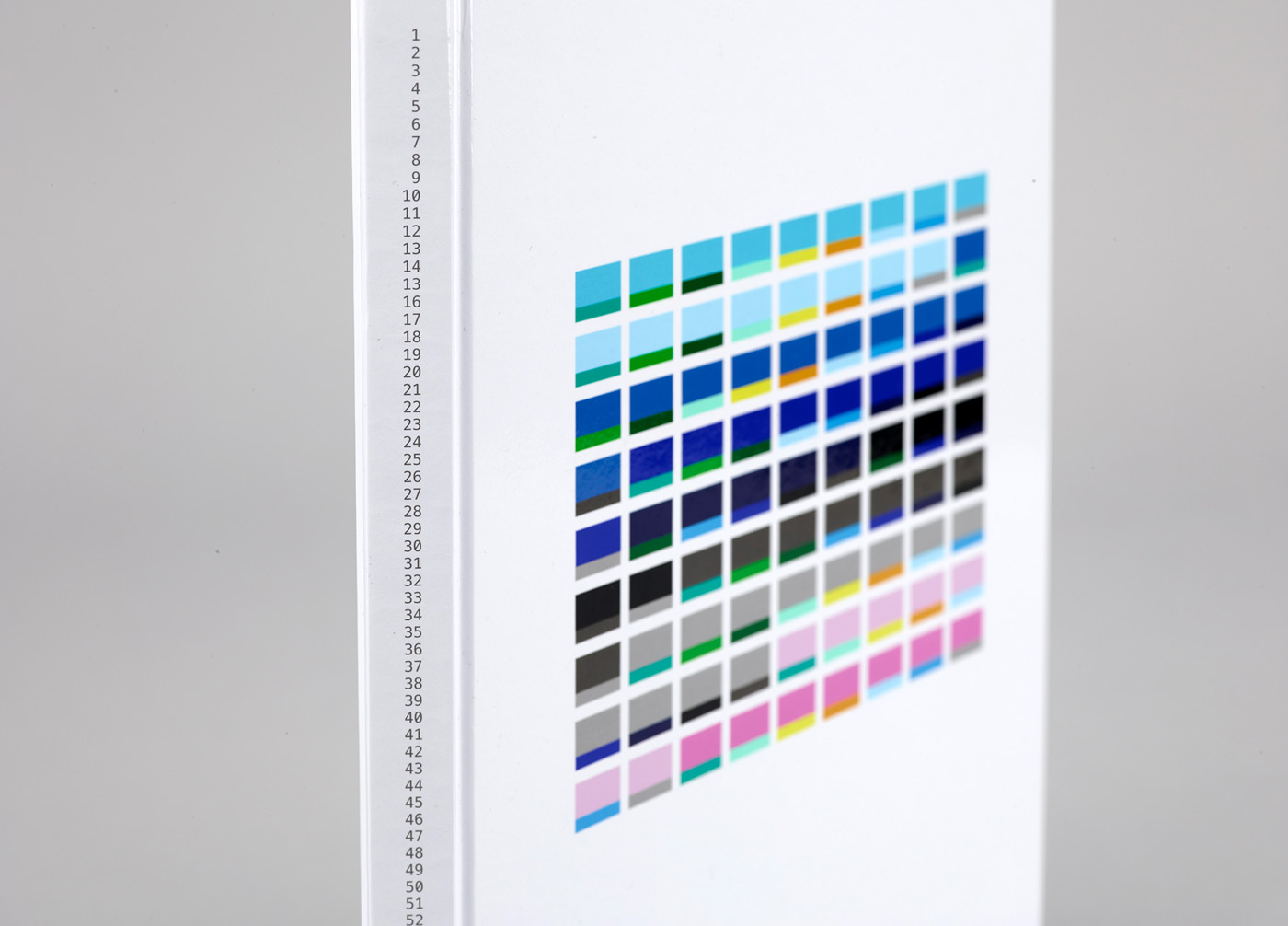
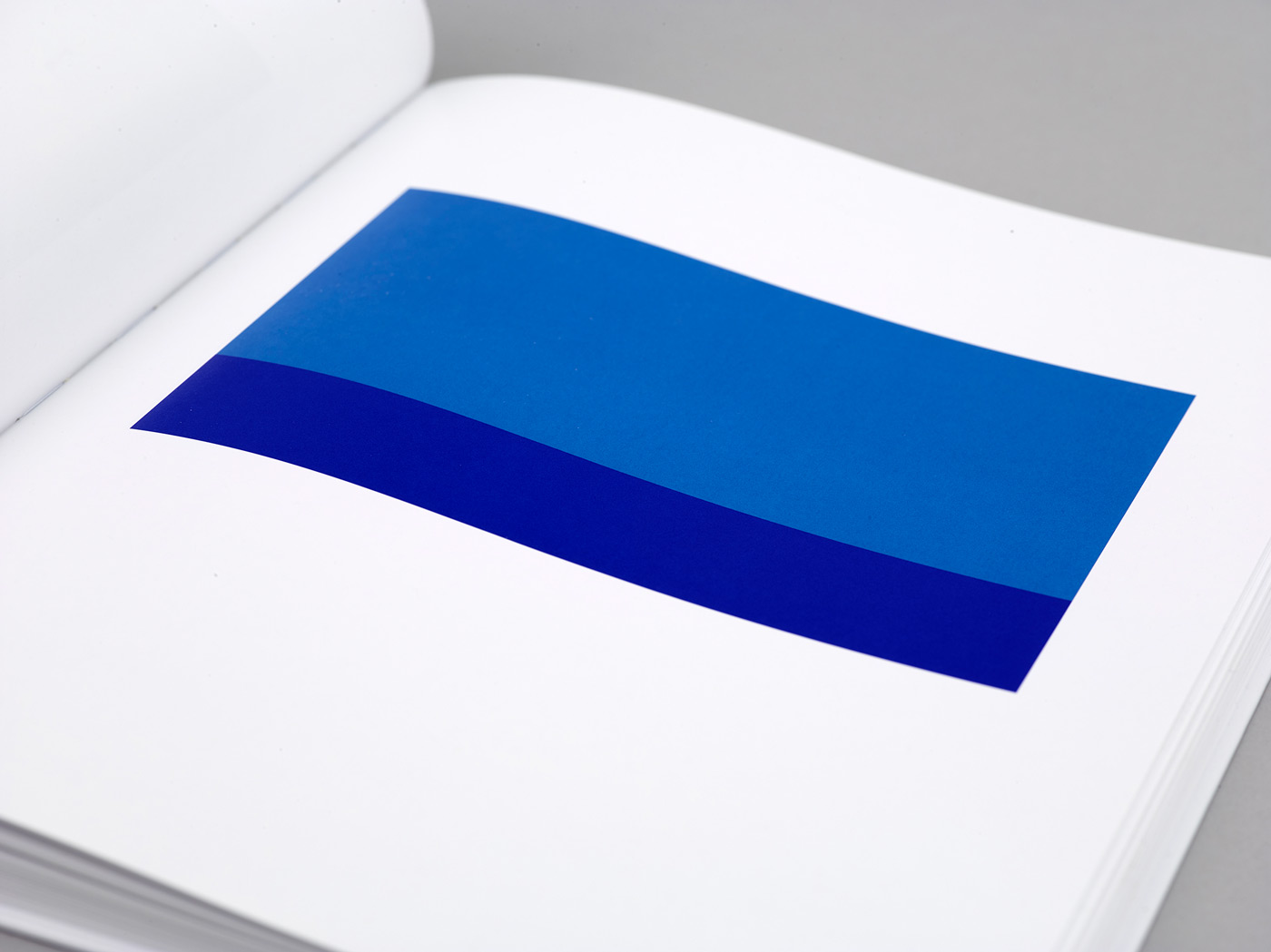
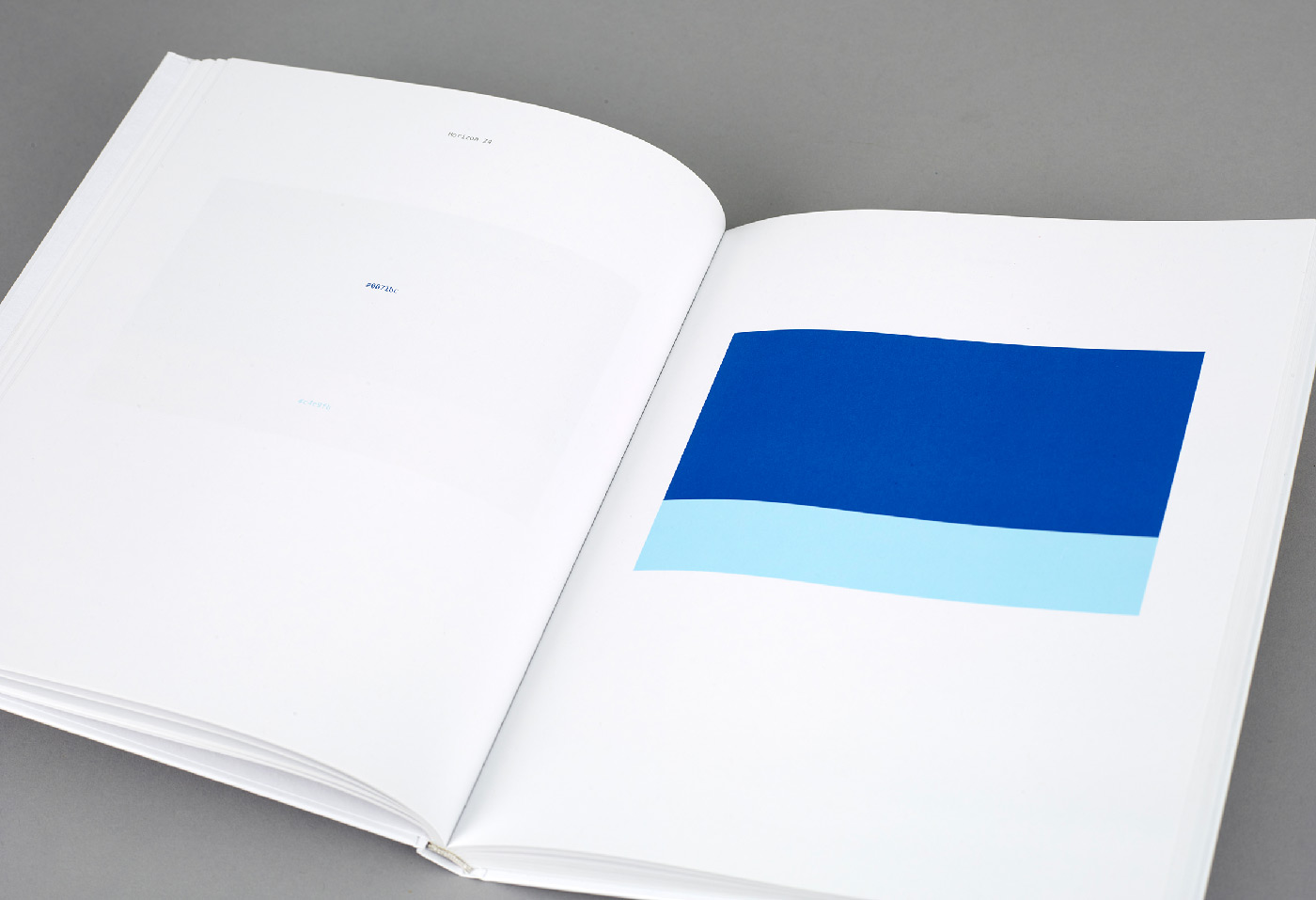
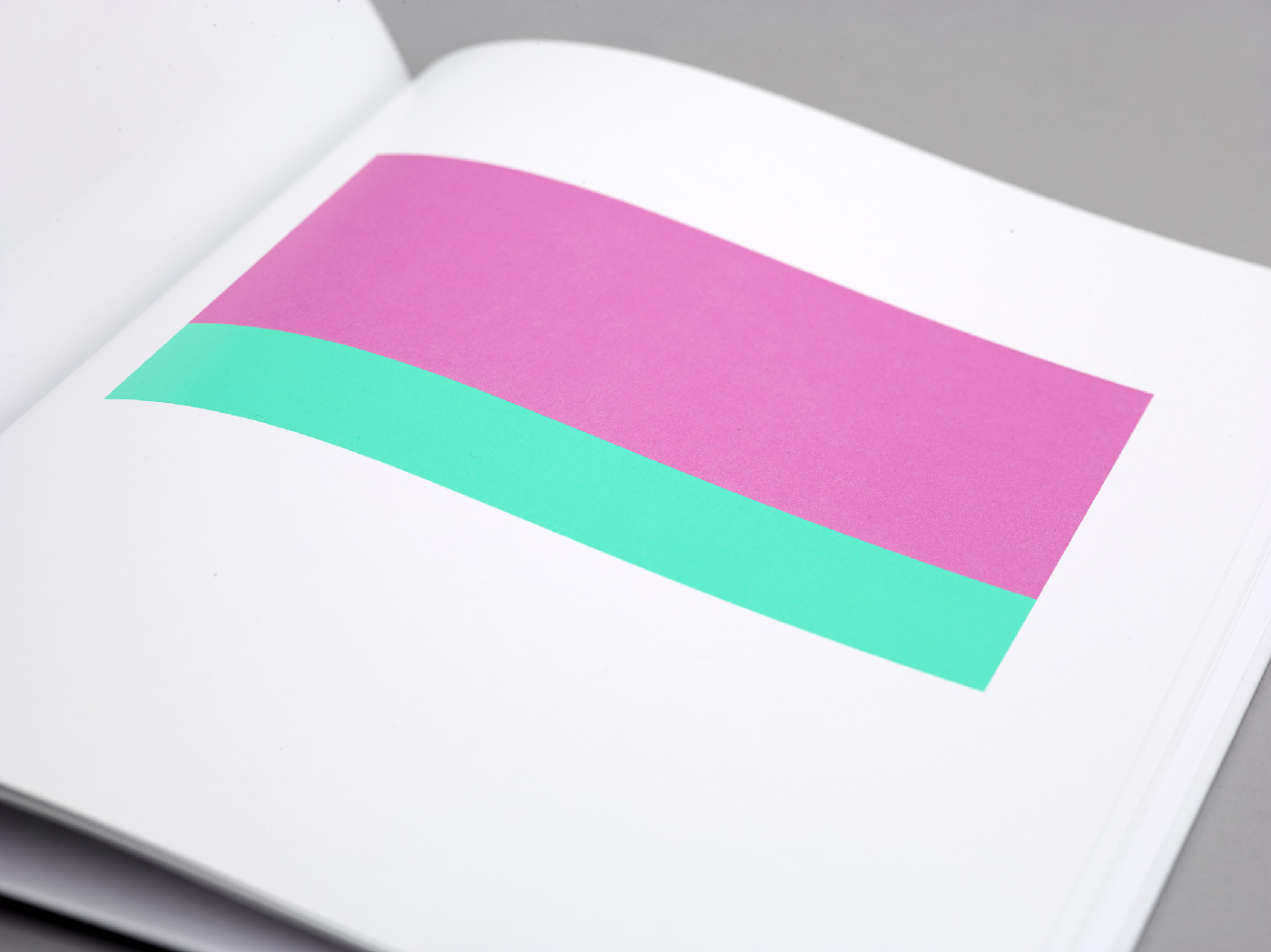
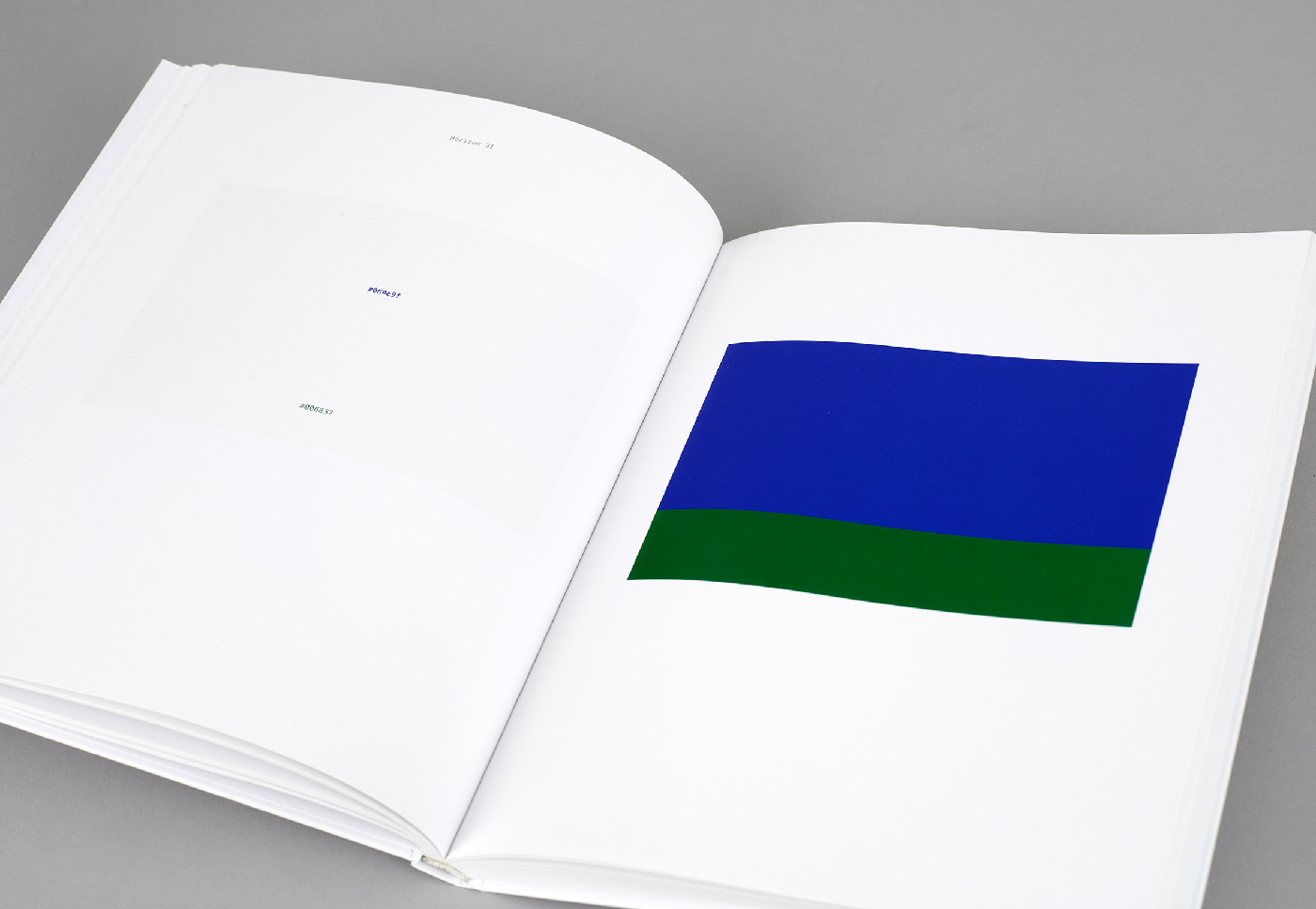
81 Horizons Book (2023)
Design by Thomas Spallek
Photos by Christopher Lützen
Published by Museum Folkwang / Walter König Verlag
if you want to be an artist
do what you want
not what they want
less strategy 👉 more fun
less fear 👉 more joy
less meaning 👉 more energy
less limits 👉 more freedom
less stress 👉 more naps
less opinion 👉 more ideas
less worry 👉 more hope
less doubts 👉 more decisions
a fire?
a door?
a mystery?
an example?
a lightning rod?
a lifestyle?
a religion?
a waterfall?
a storm?
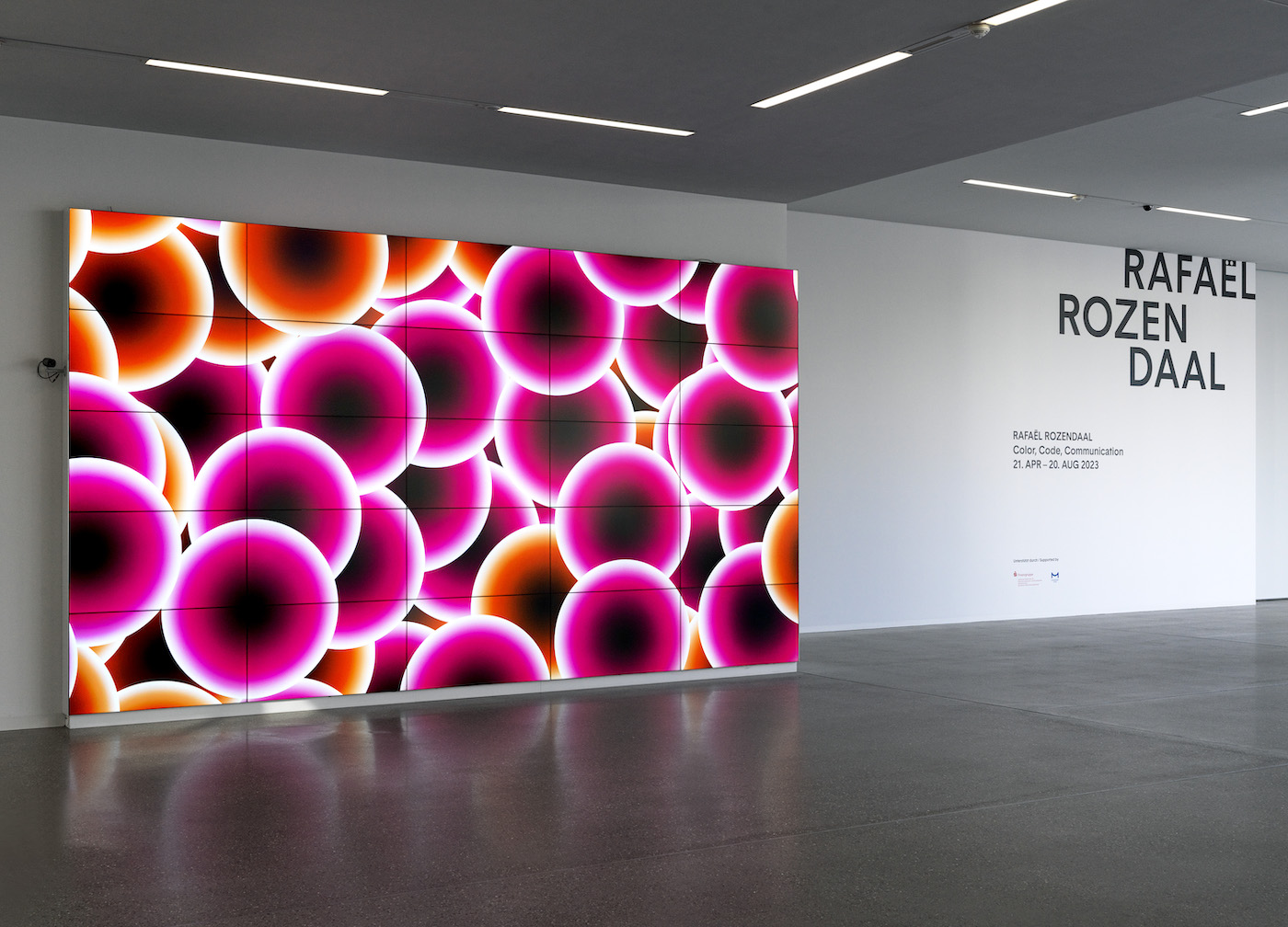
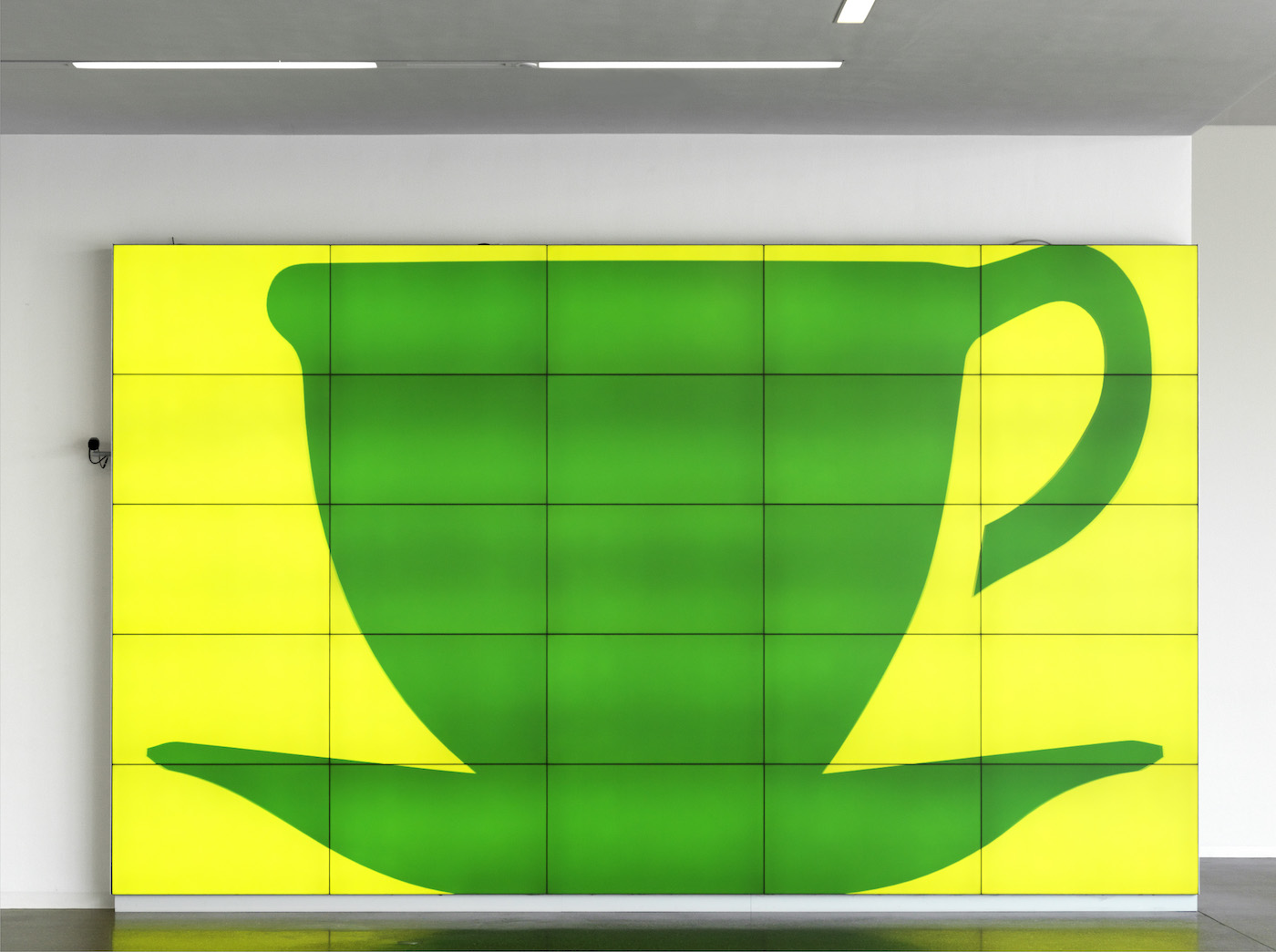
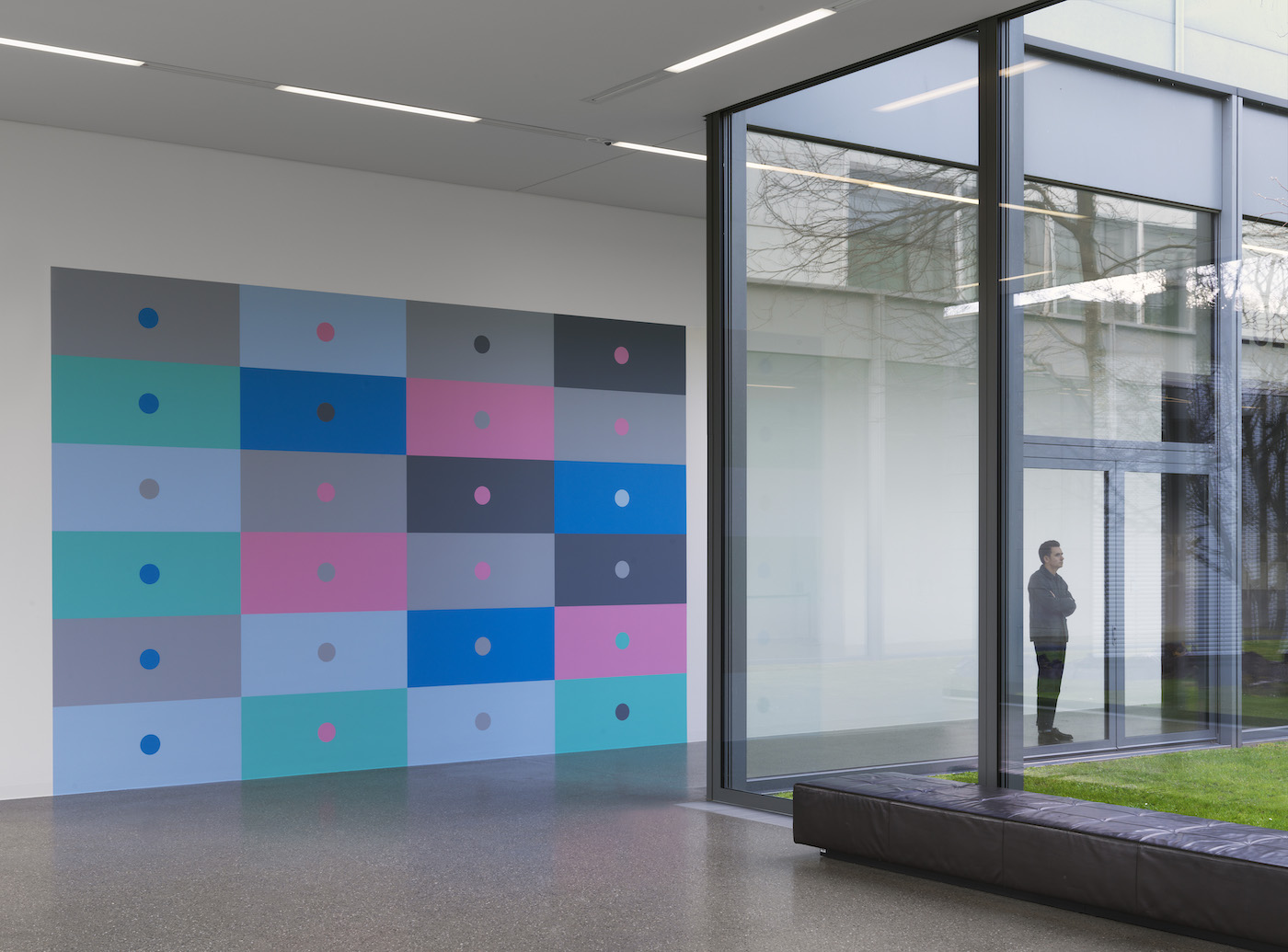
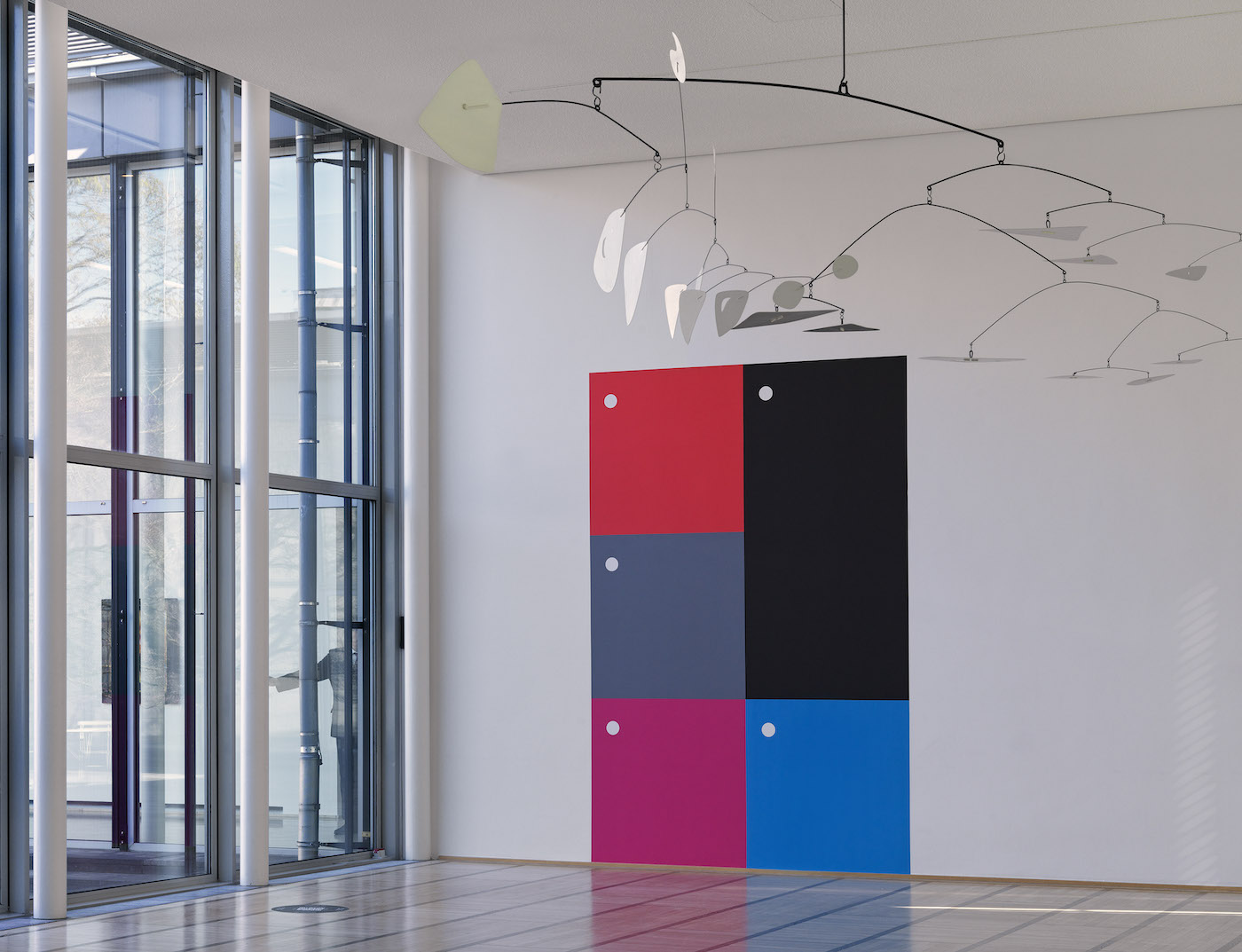
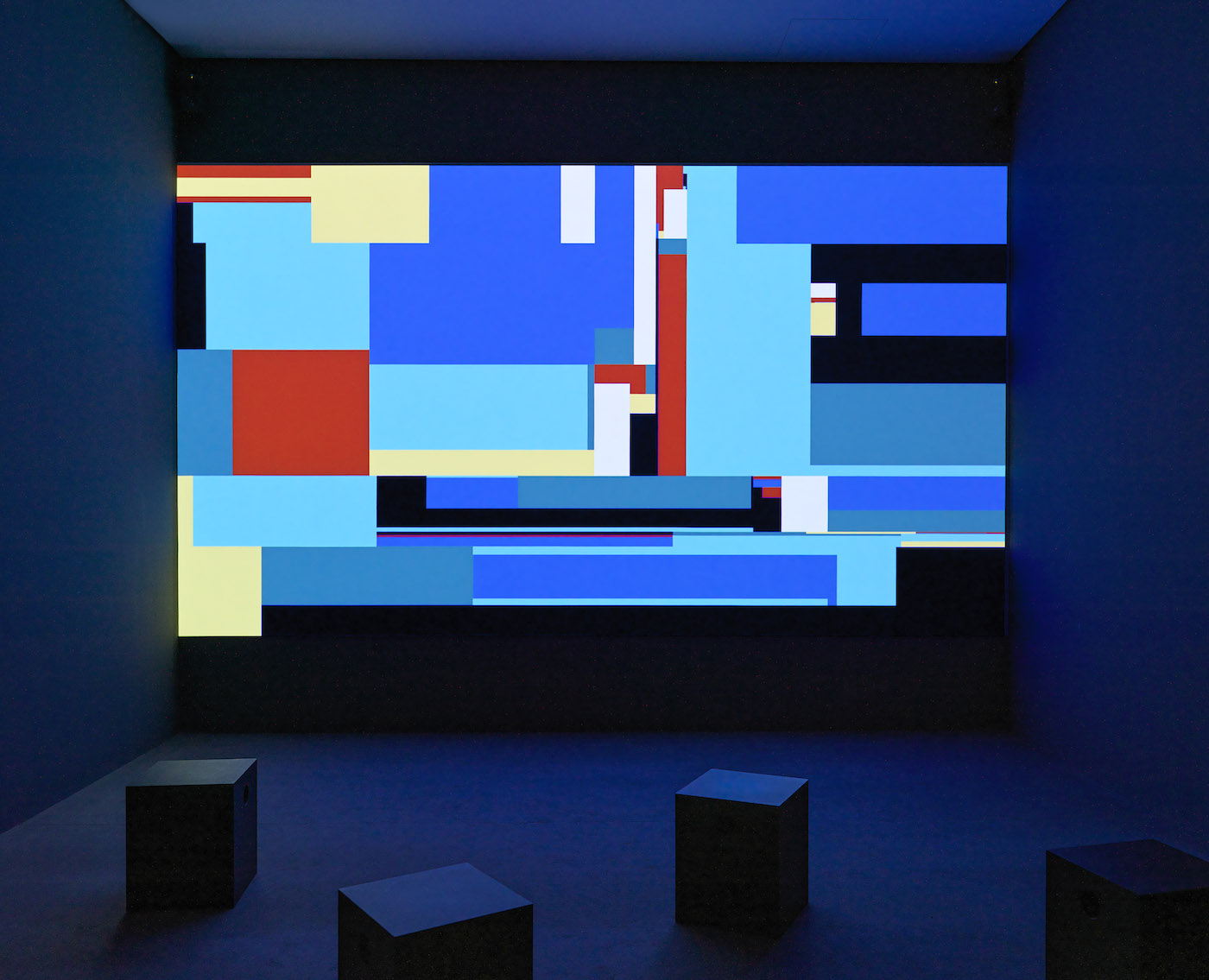
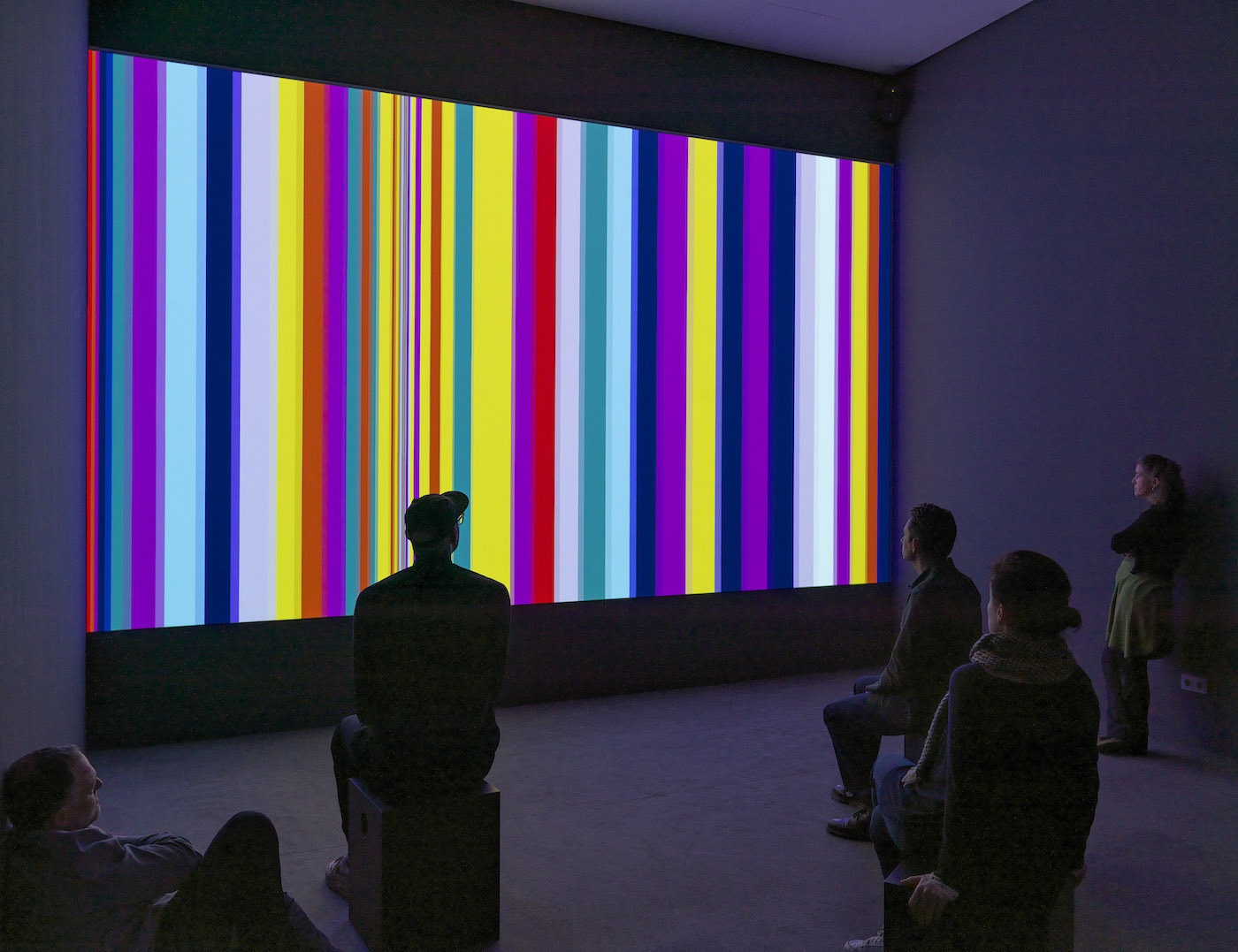
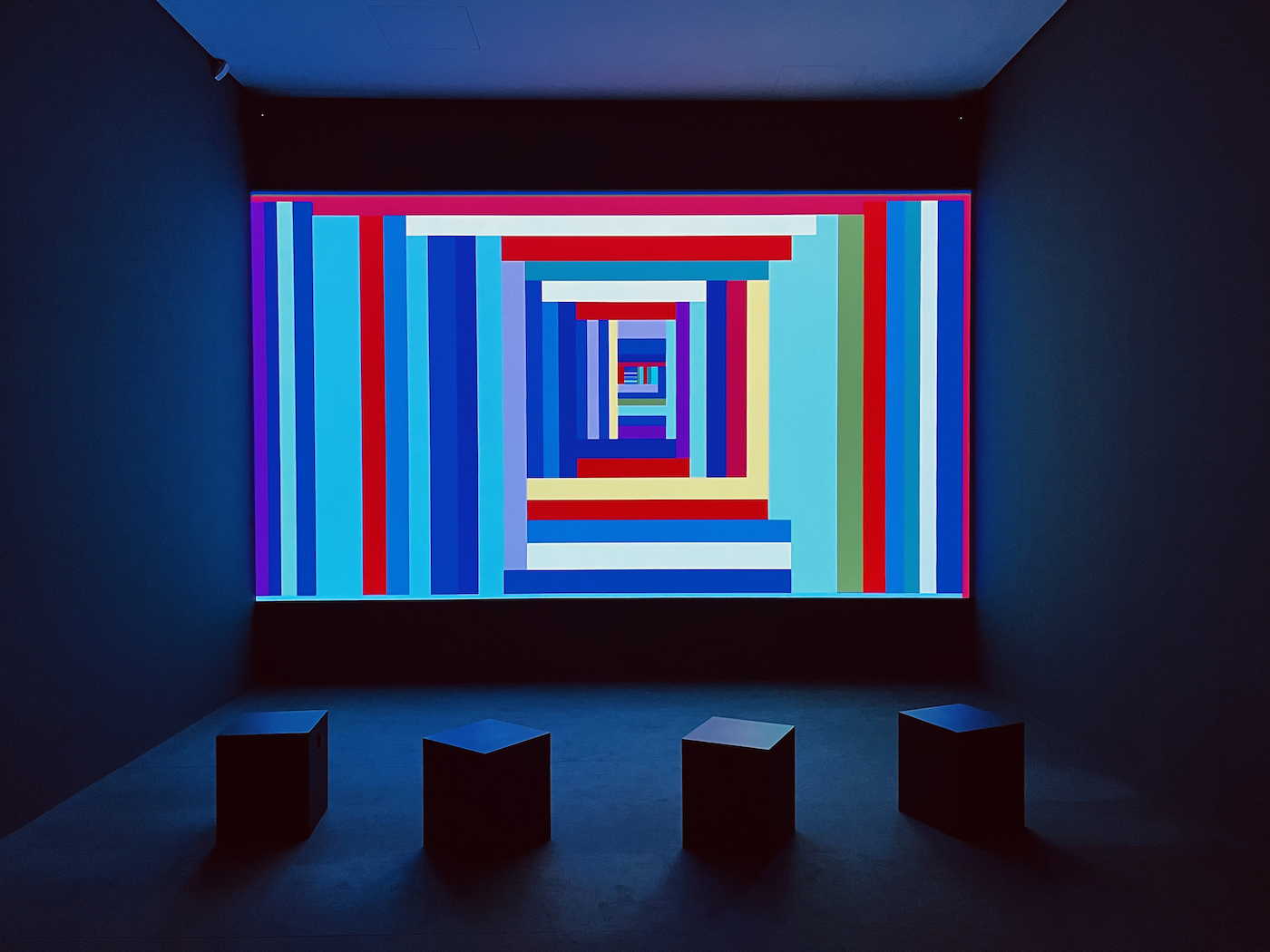
Color, Code, Communication
Curated by Thomas Seelig
Opening: April 20 at 19:00
Live performance by Legowelt 23:00 at Goethe Bunker
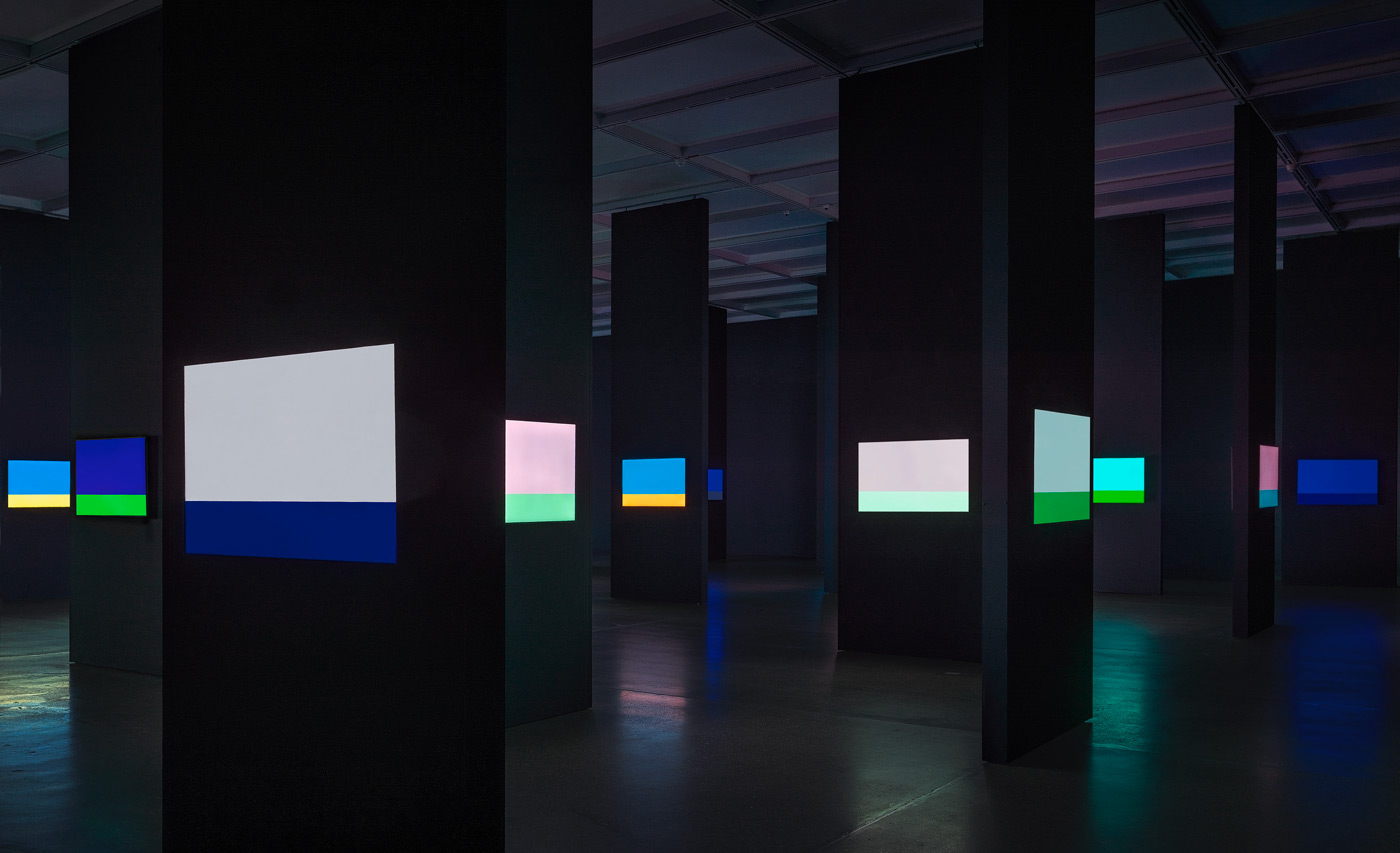
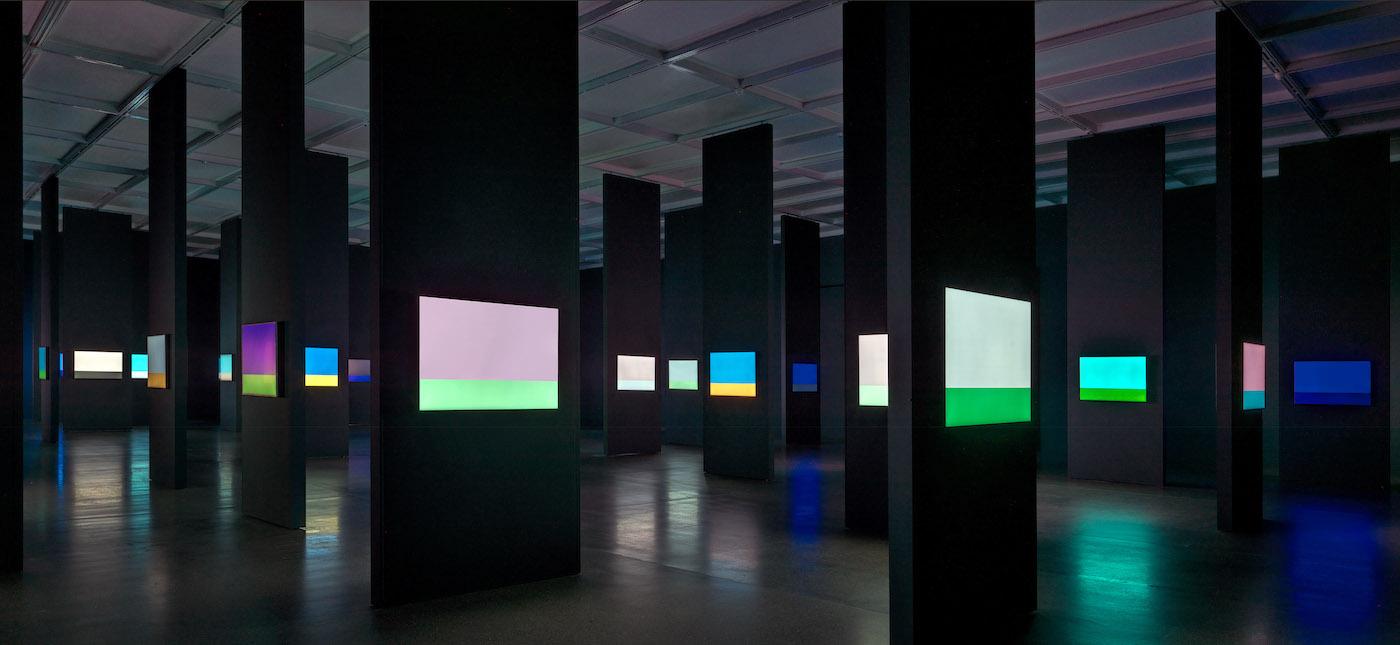
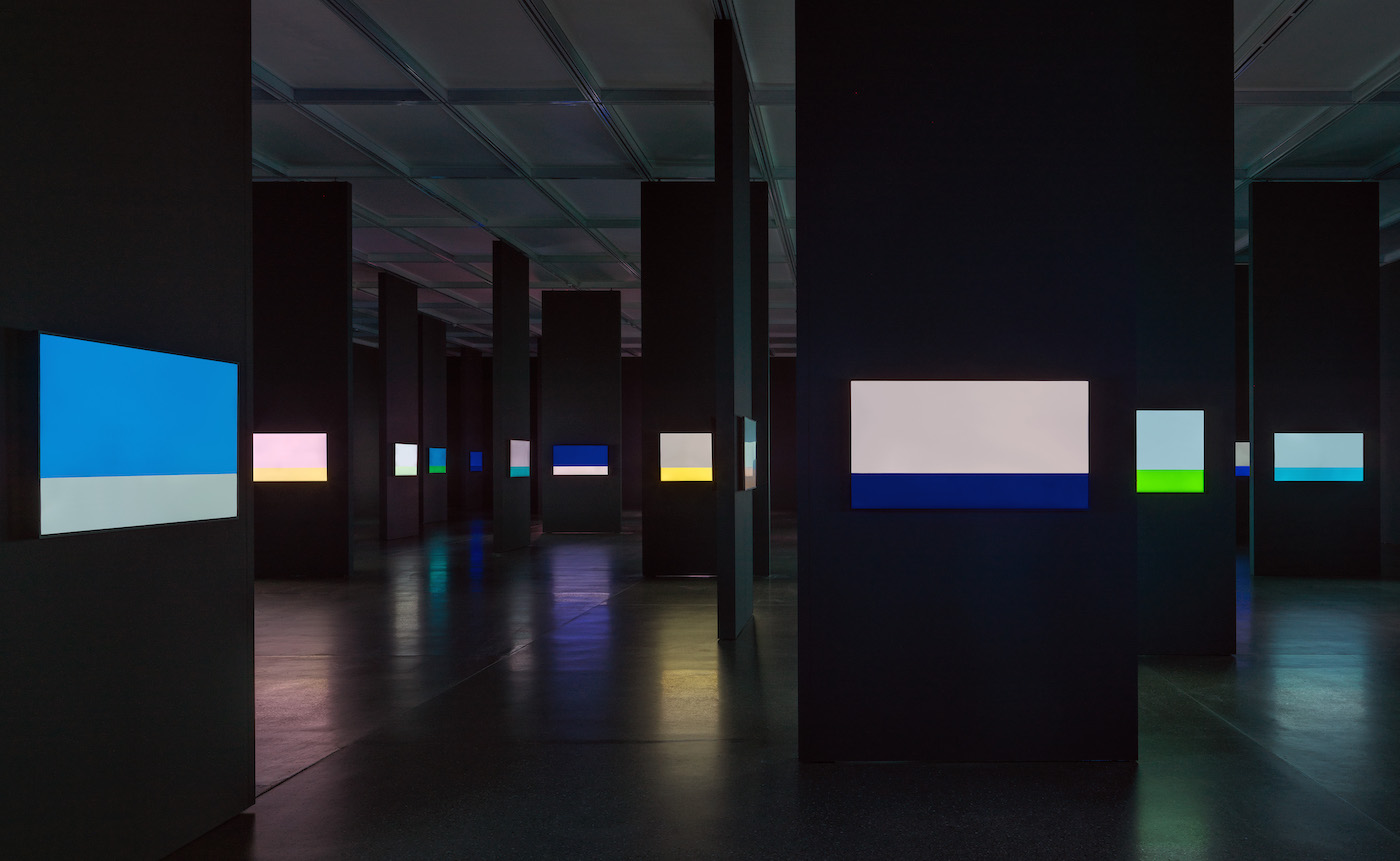
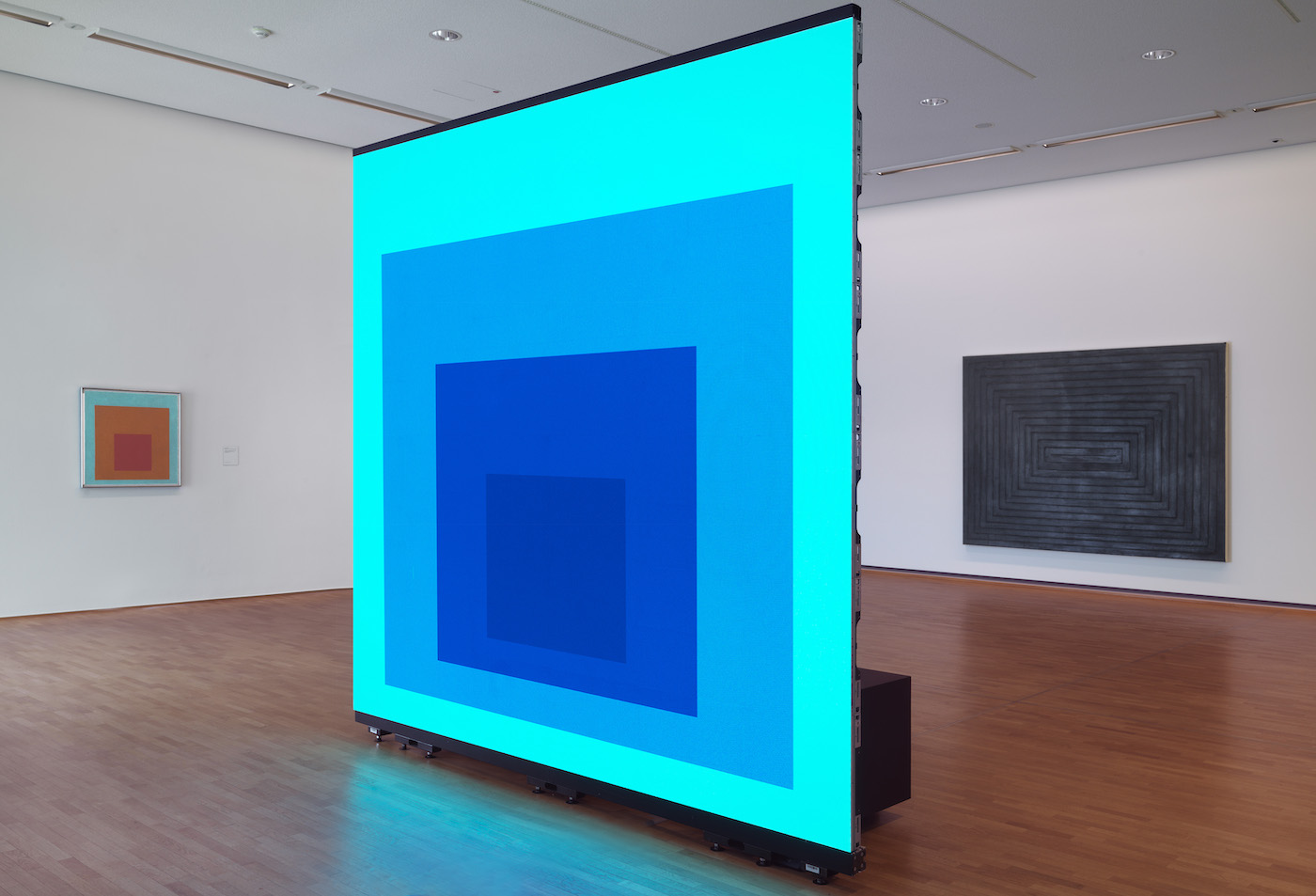
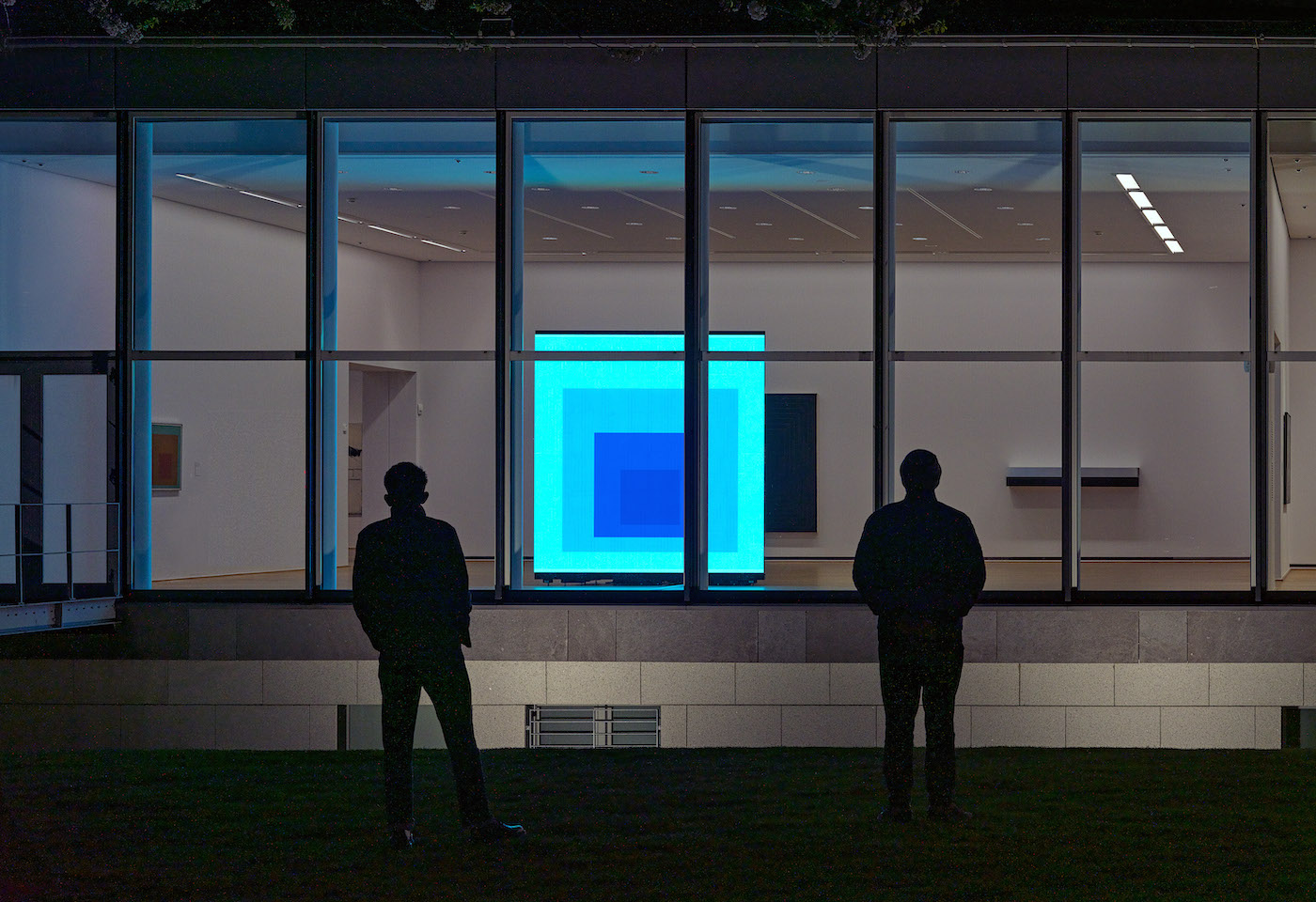
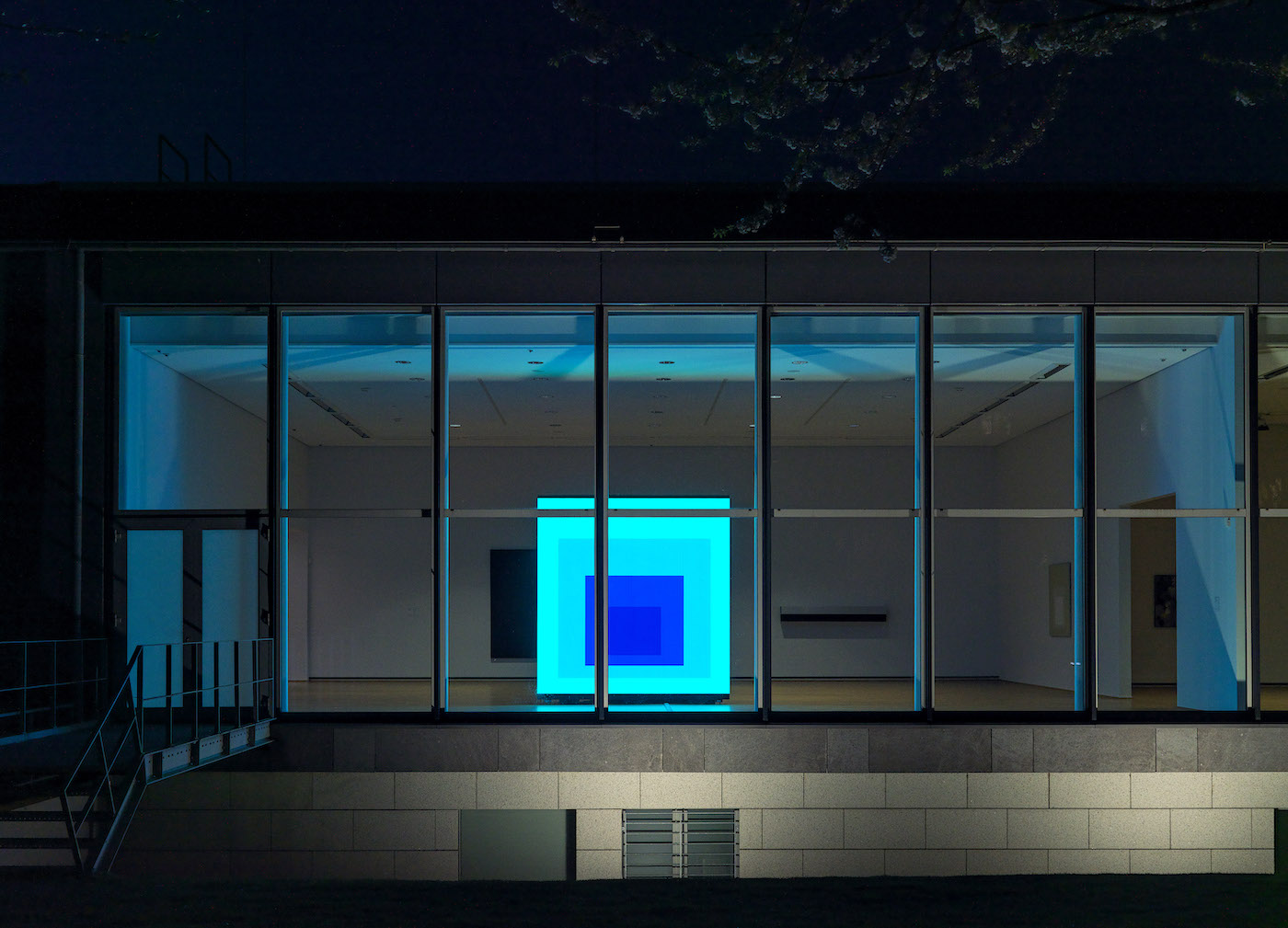
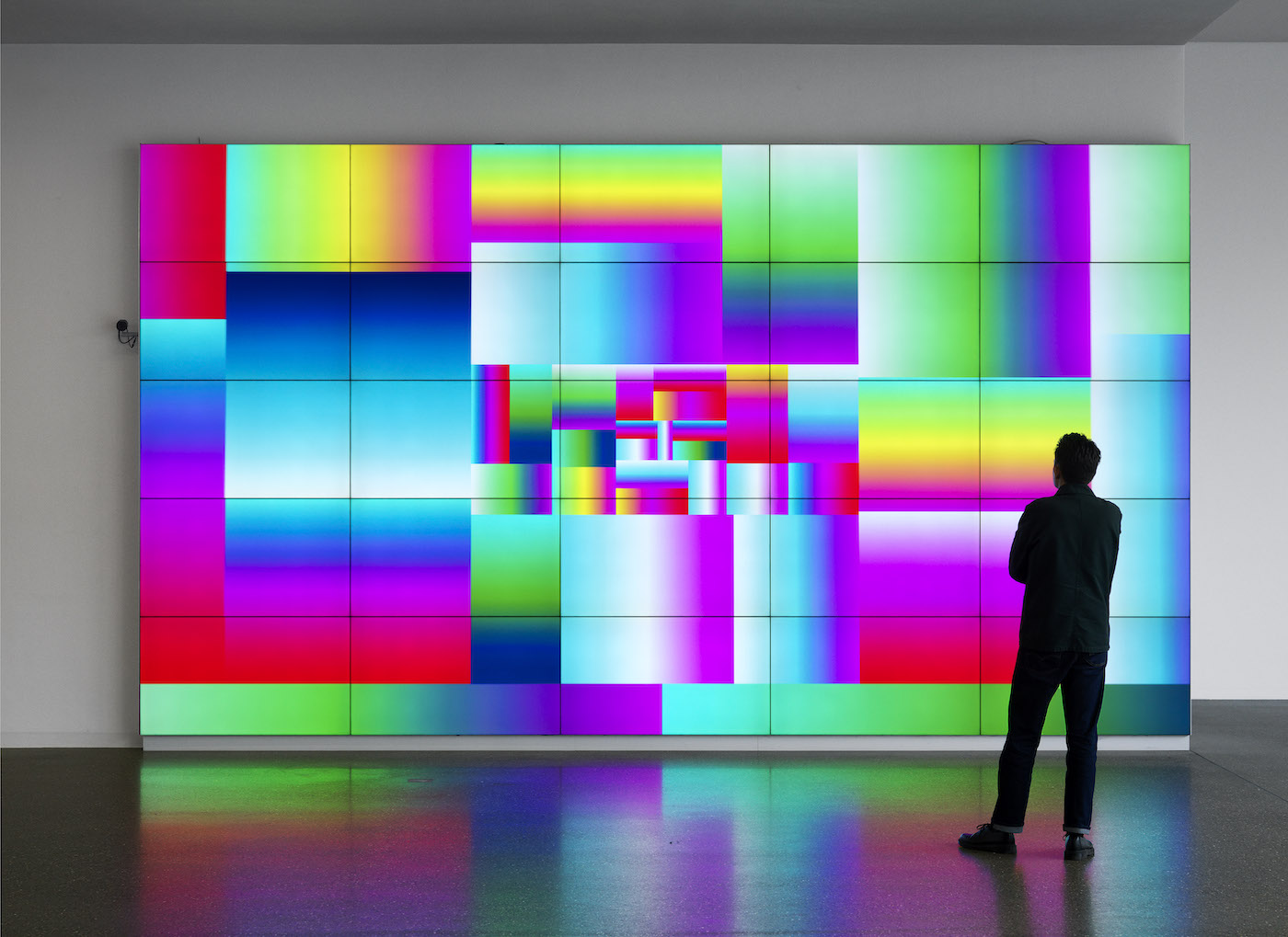
The exhibition consists of various manifestations of immaterial art (projections, screens, murals, instructions, books, happenings, music). My work will also be exhibited at the Josef Albers Museum in Bottrop.
April 21-22: NFT symposium at Museum Folkwang
RAFAËL ROZENDAAL
Color, Code, Communication
Rafaël Rozendaal is one of the world’s best-known digital artists. Already in the early 2000s, he created, presented, and sold works in the form of websites. In his current NFT projects, he also creates references to art history, using generative technologies on the blockchain. Rozendaal’s works exist in multiple forms and locations: as immersive installations, in browser windows, as artist books, and in public spaces. Color, Code, Communication is the first major monographic NFT exhibition in a European museum and is accompanied by a symposium.
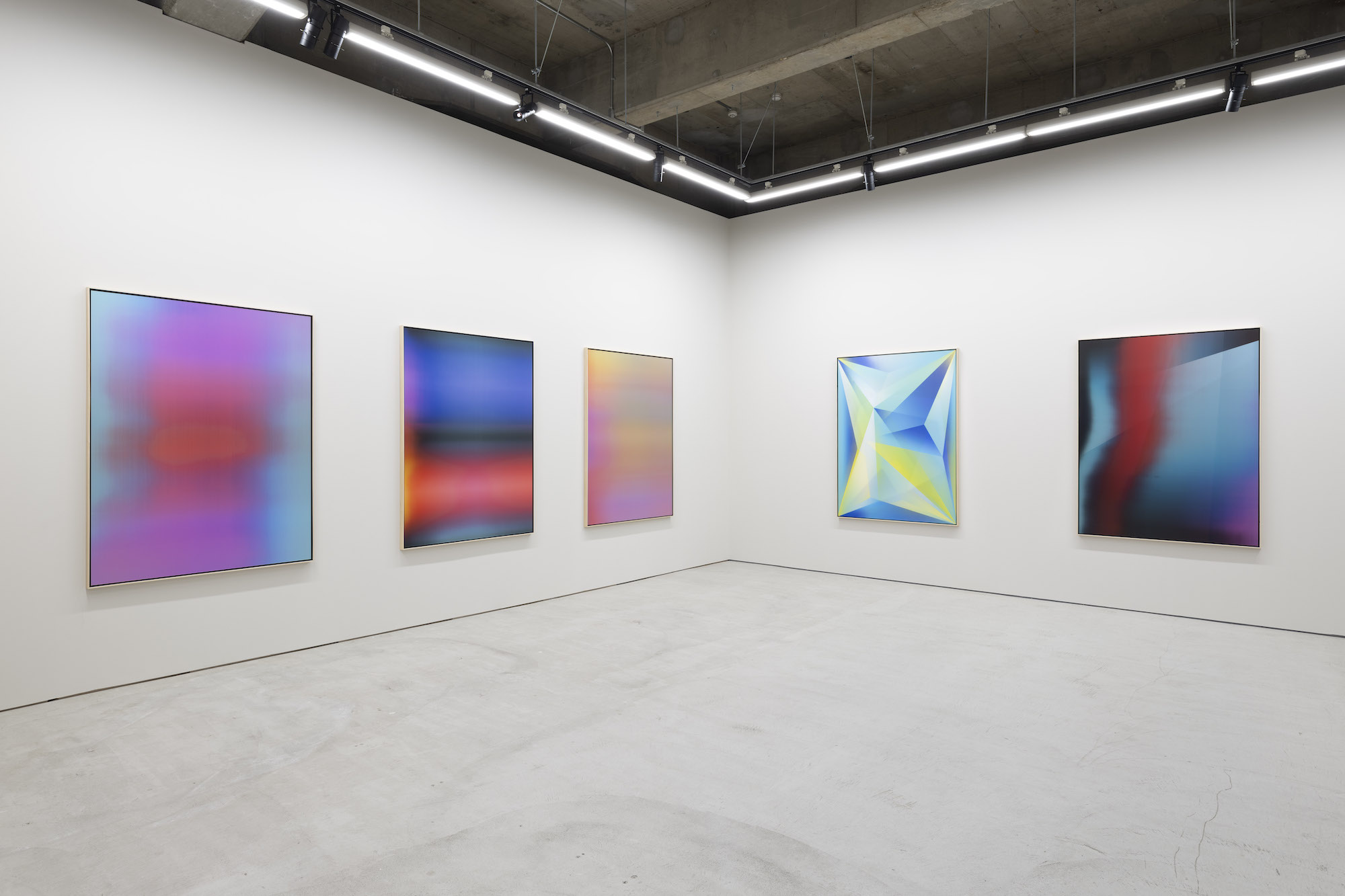
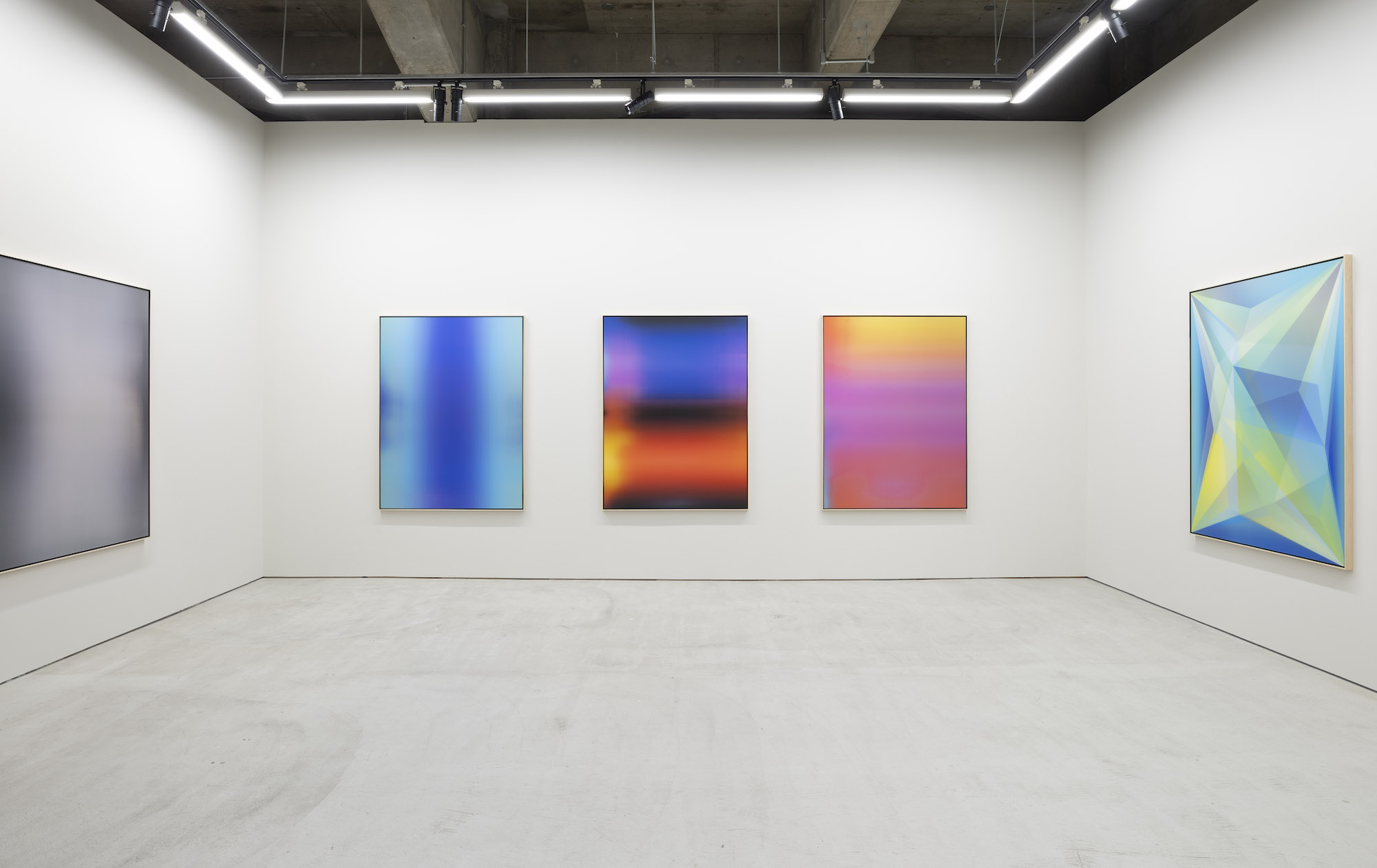
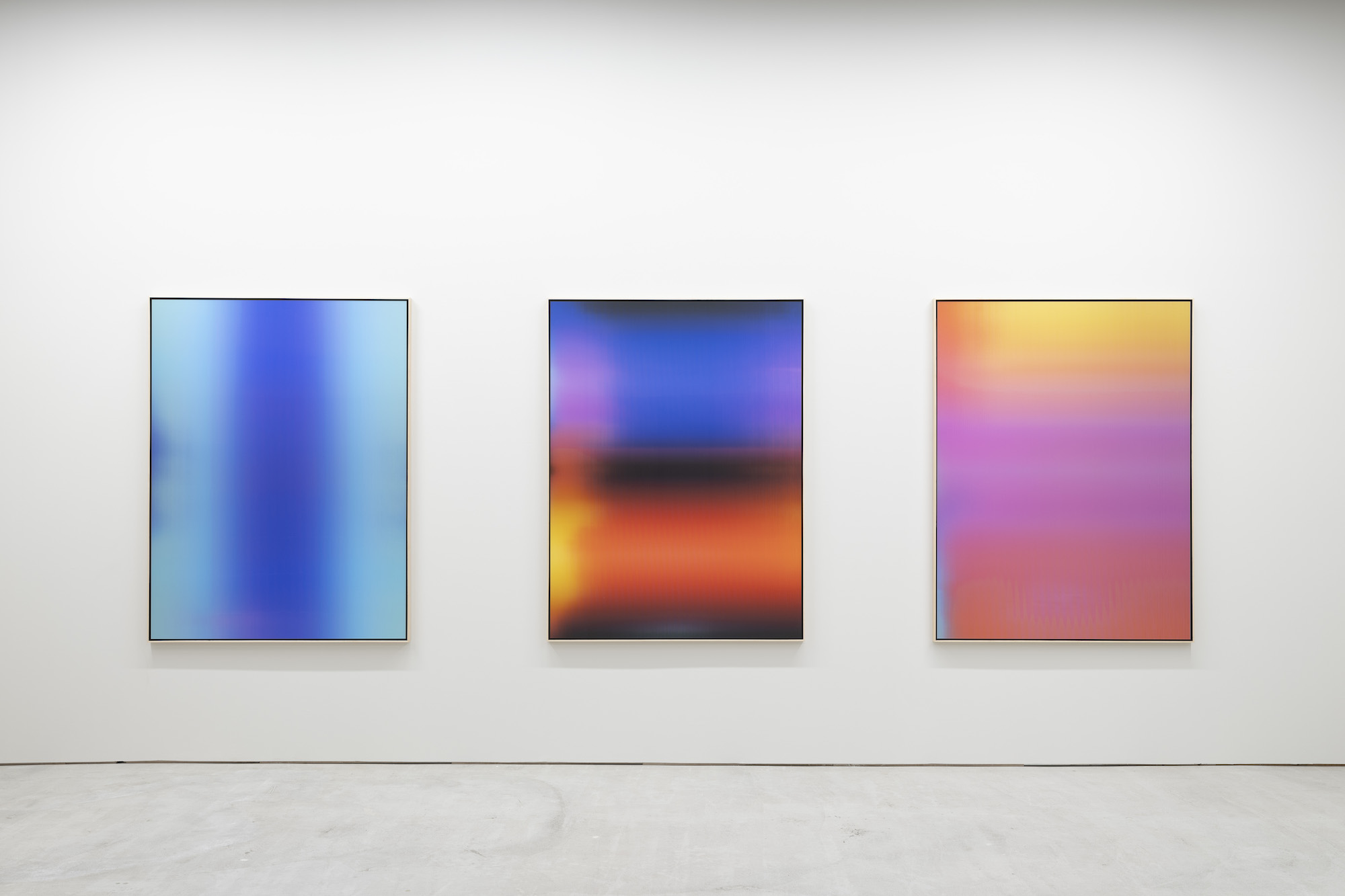
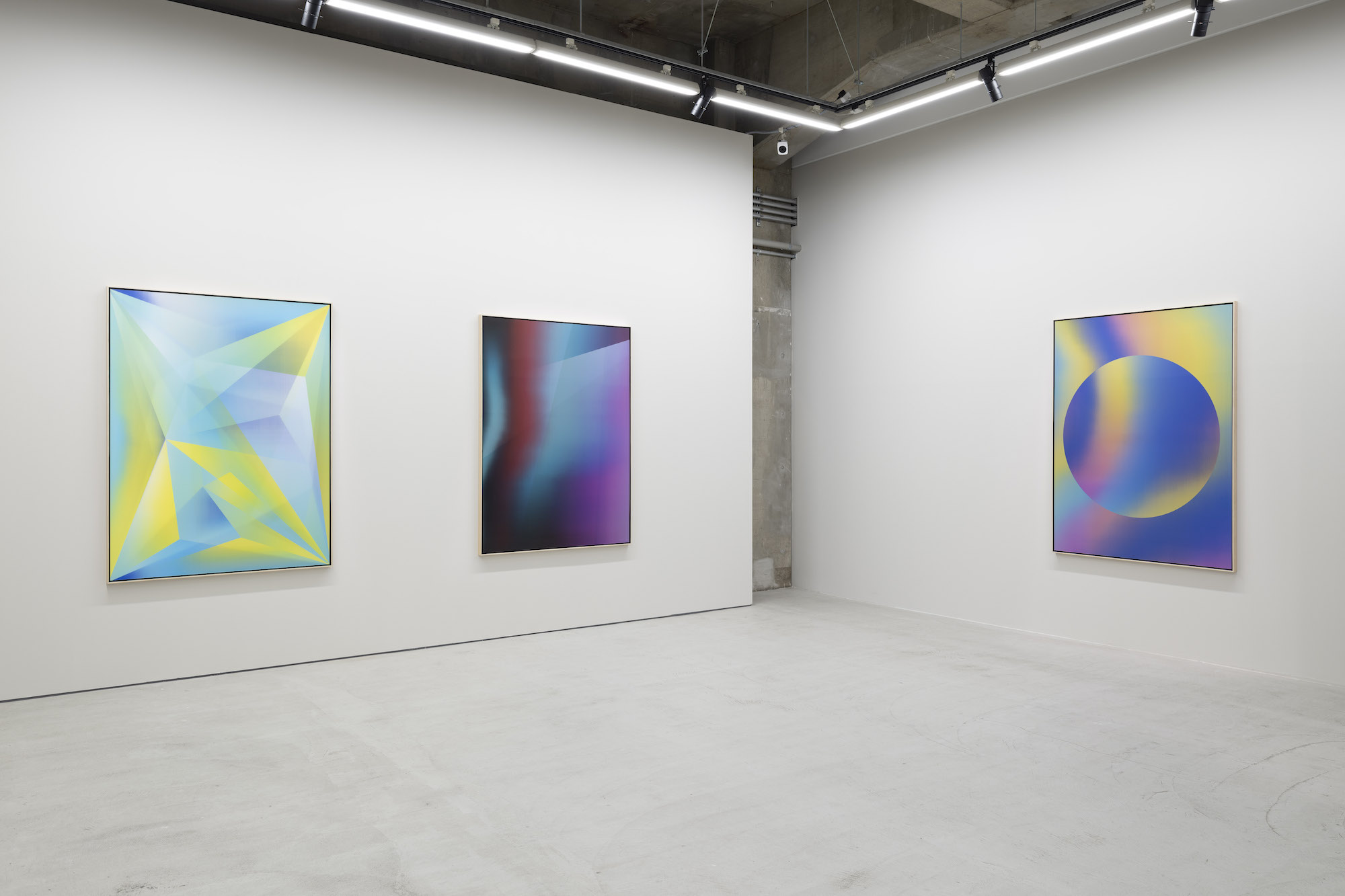
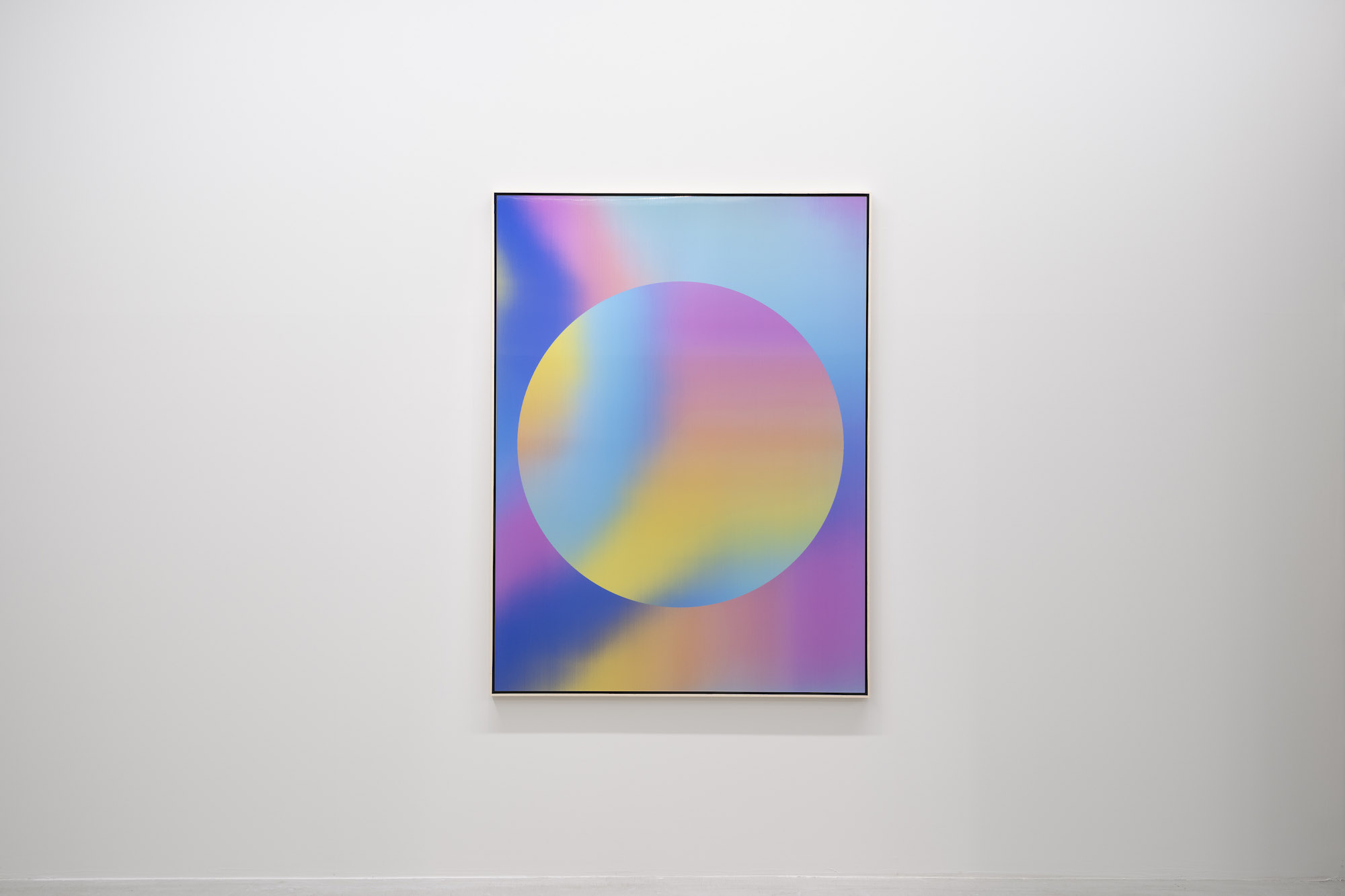
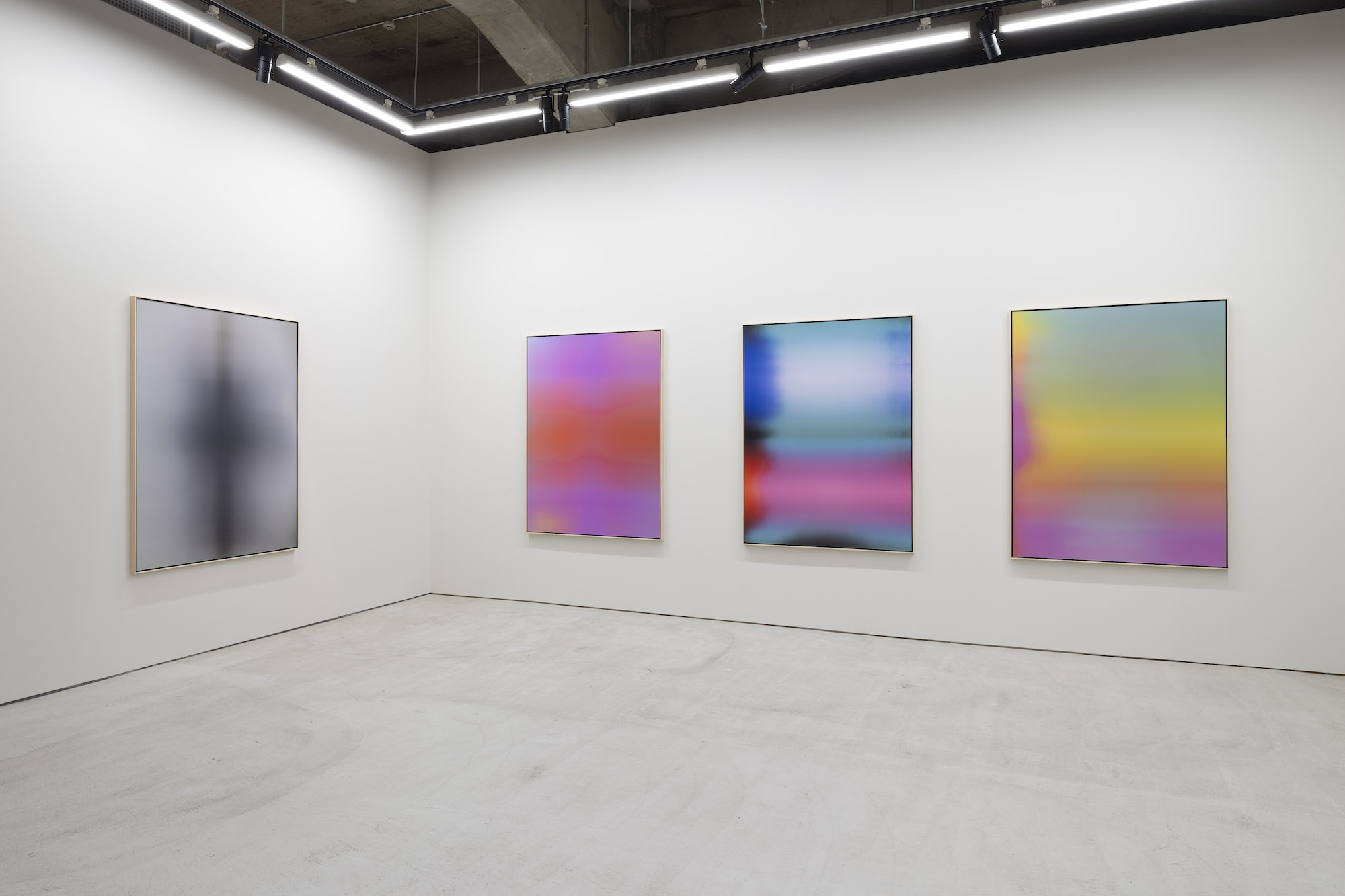
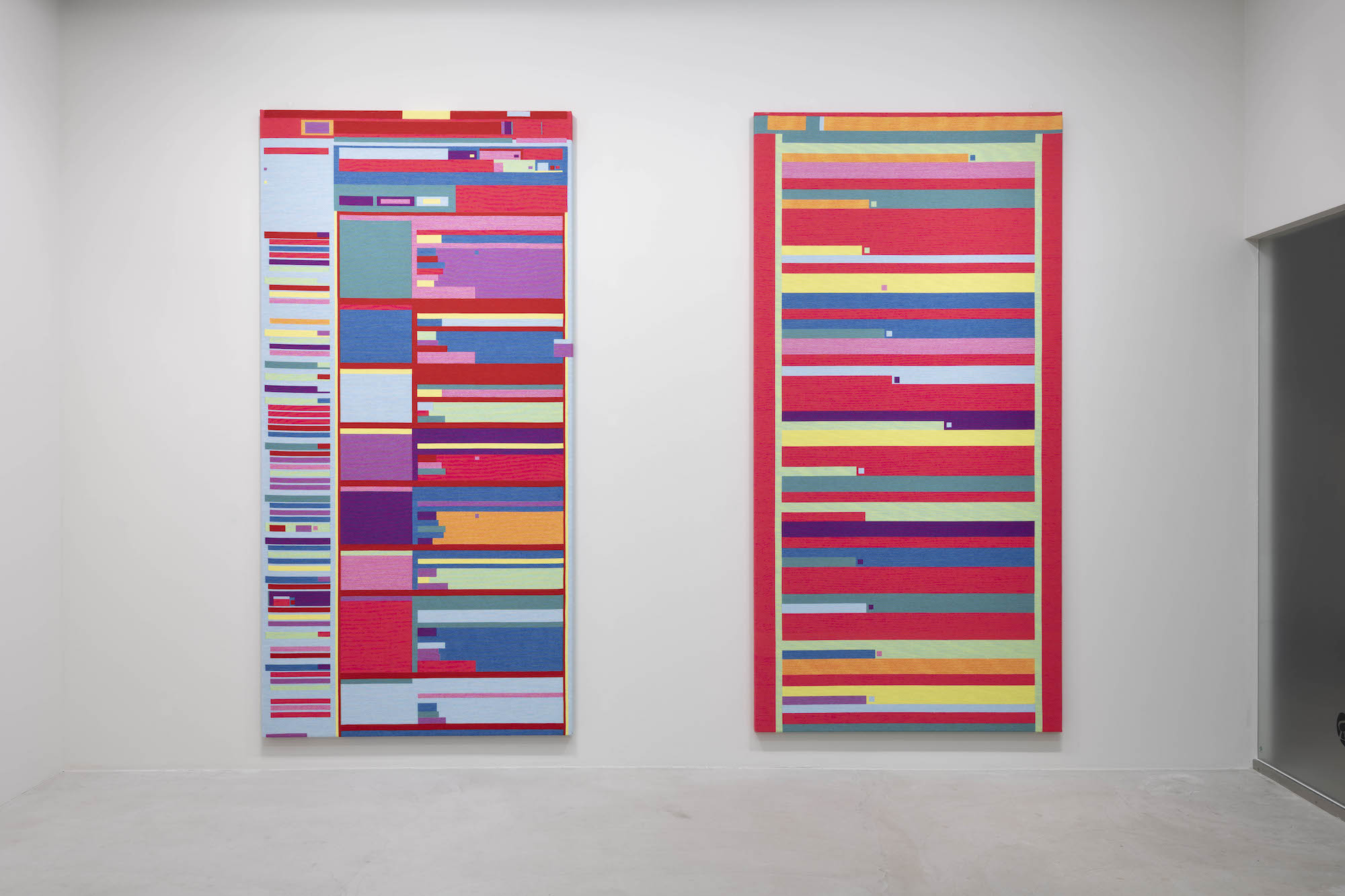
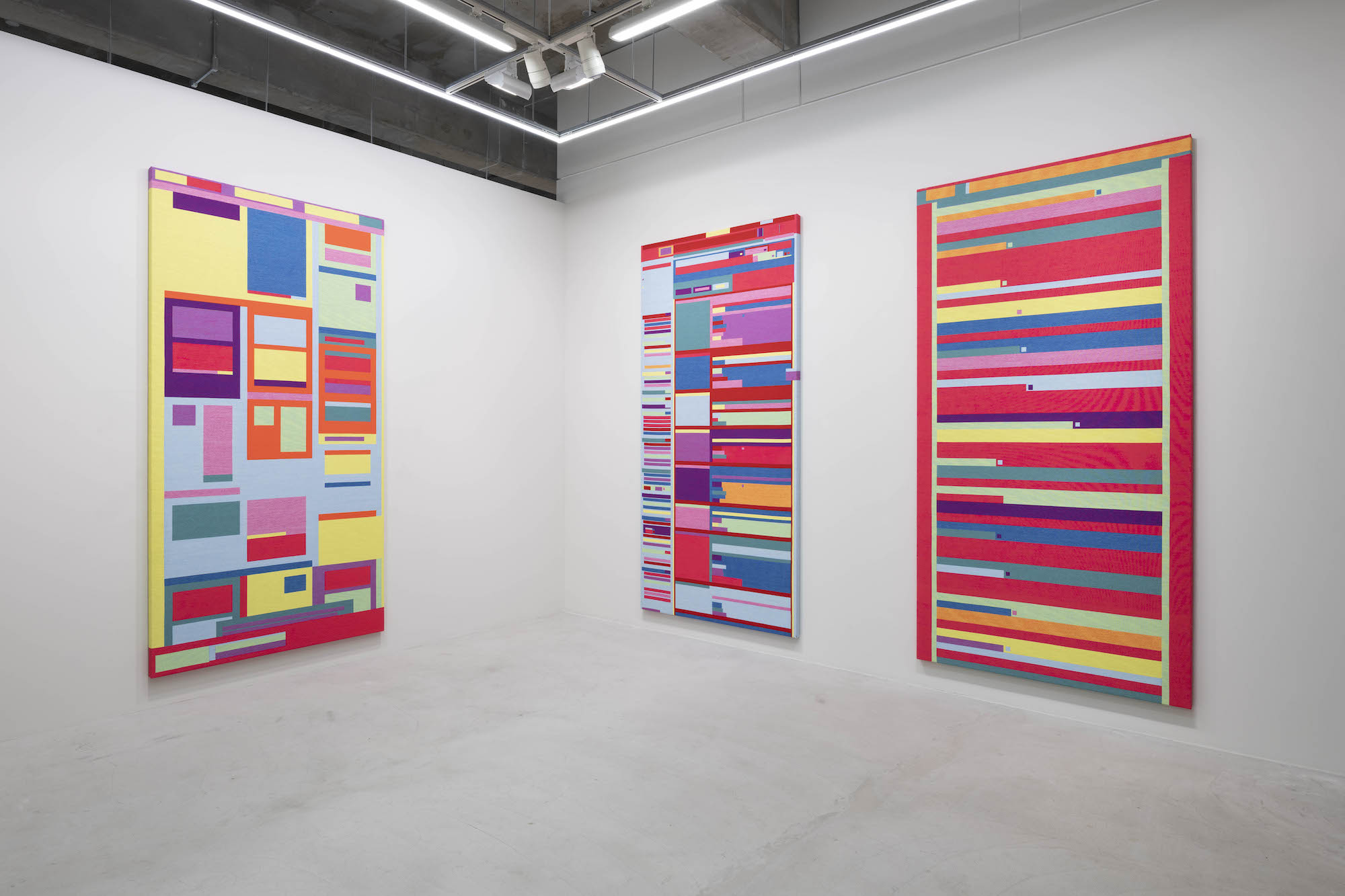
Rafaël Rozendaal – Screen Time
26 November – 24 December, 2022
Takuro Someya Contemporary Art
Photos by Shu Nakagawa
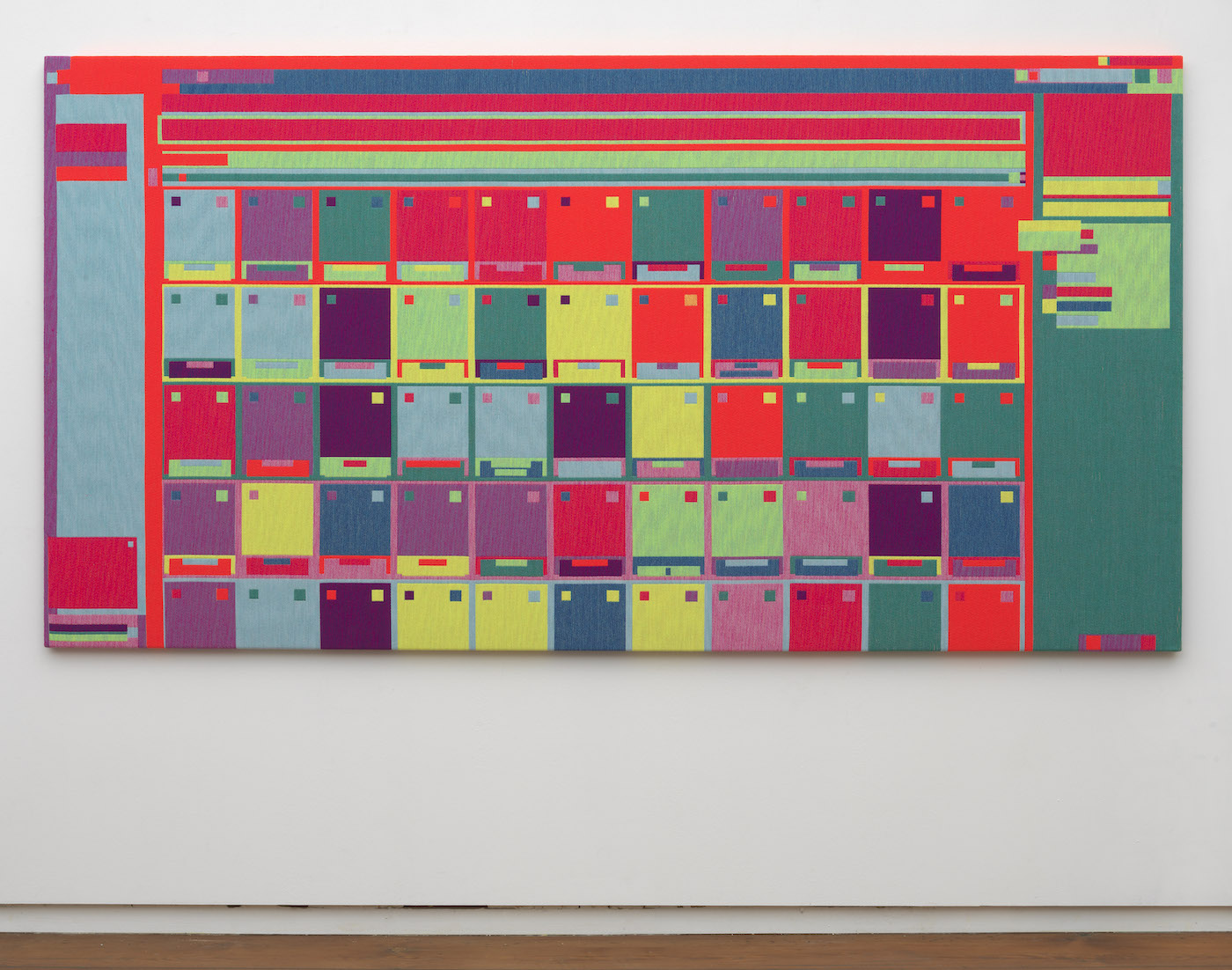
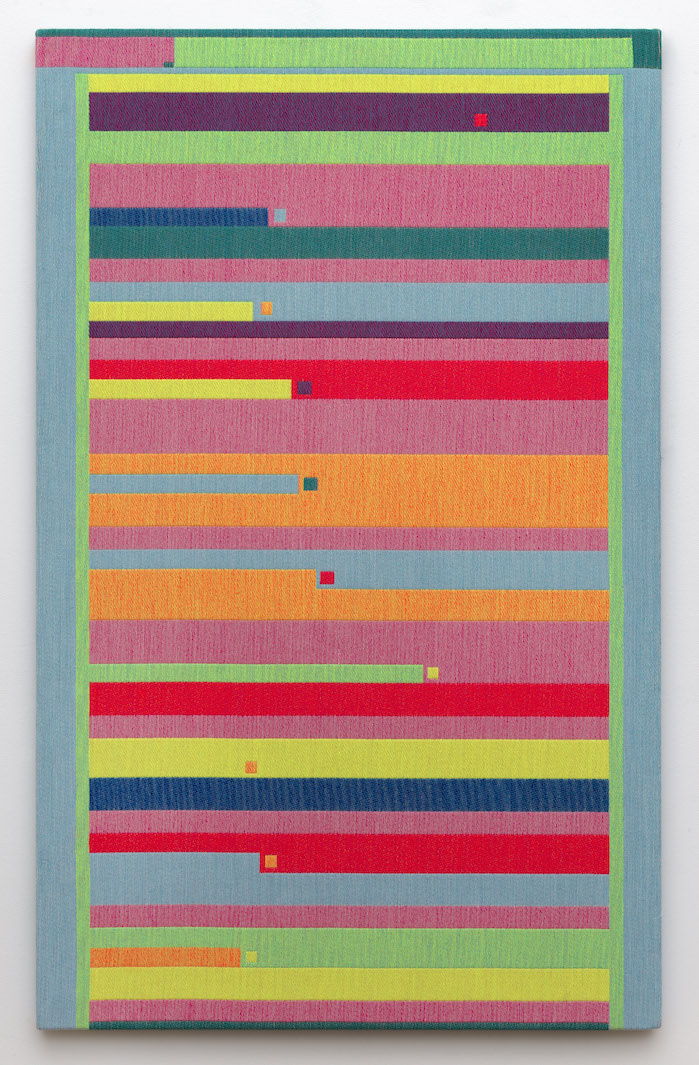
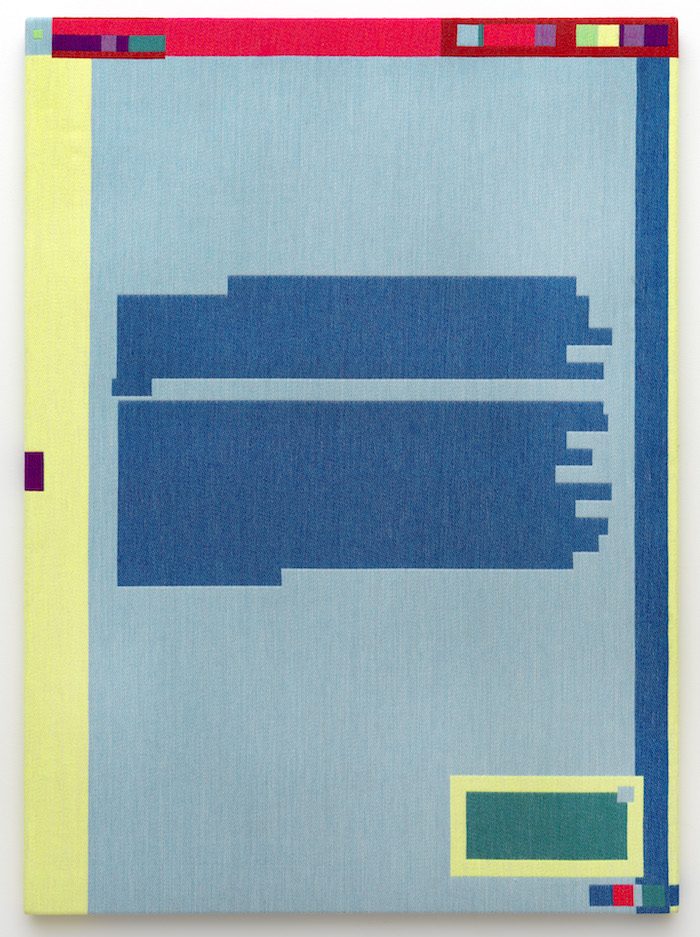
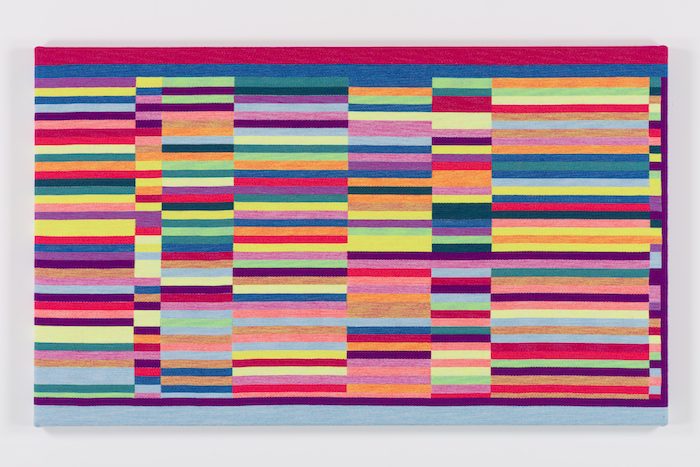
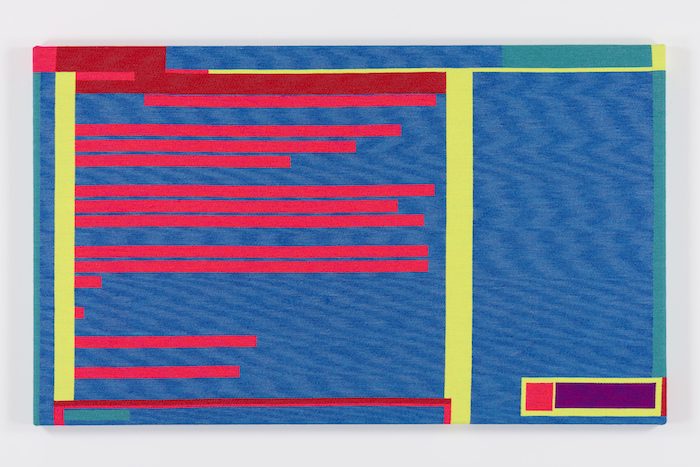
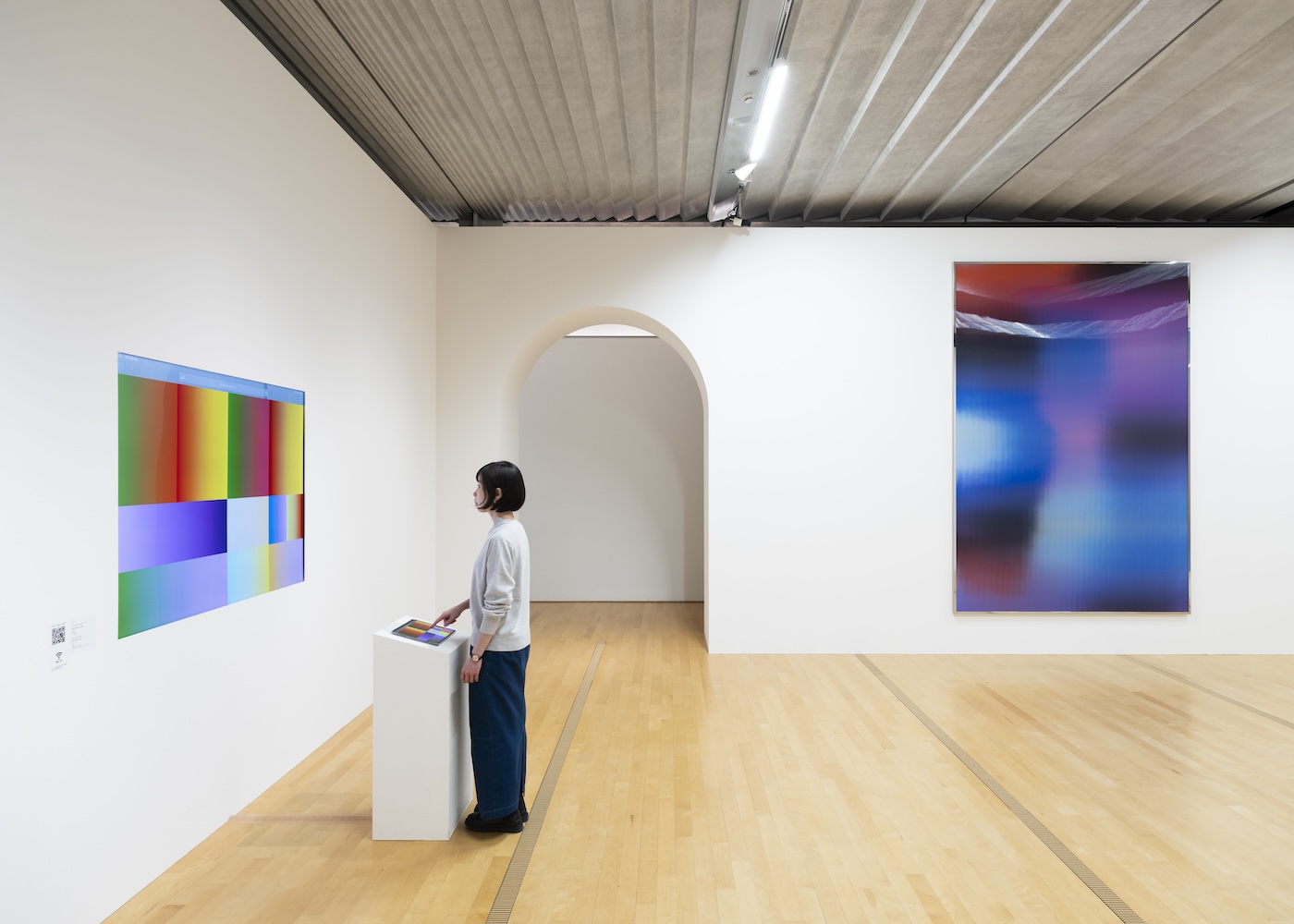
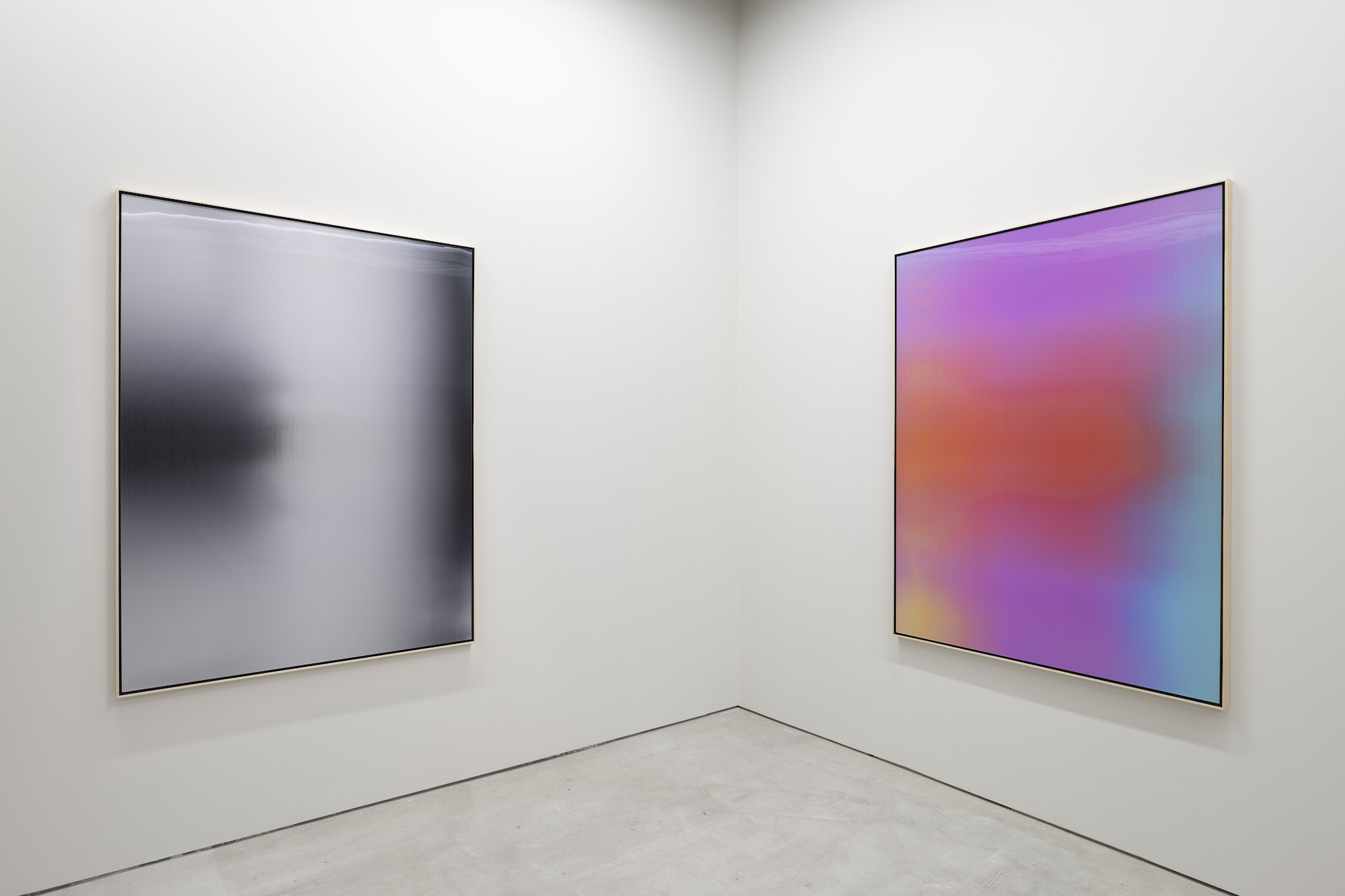
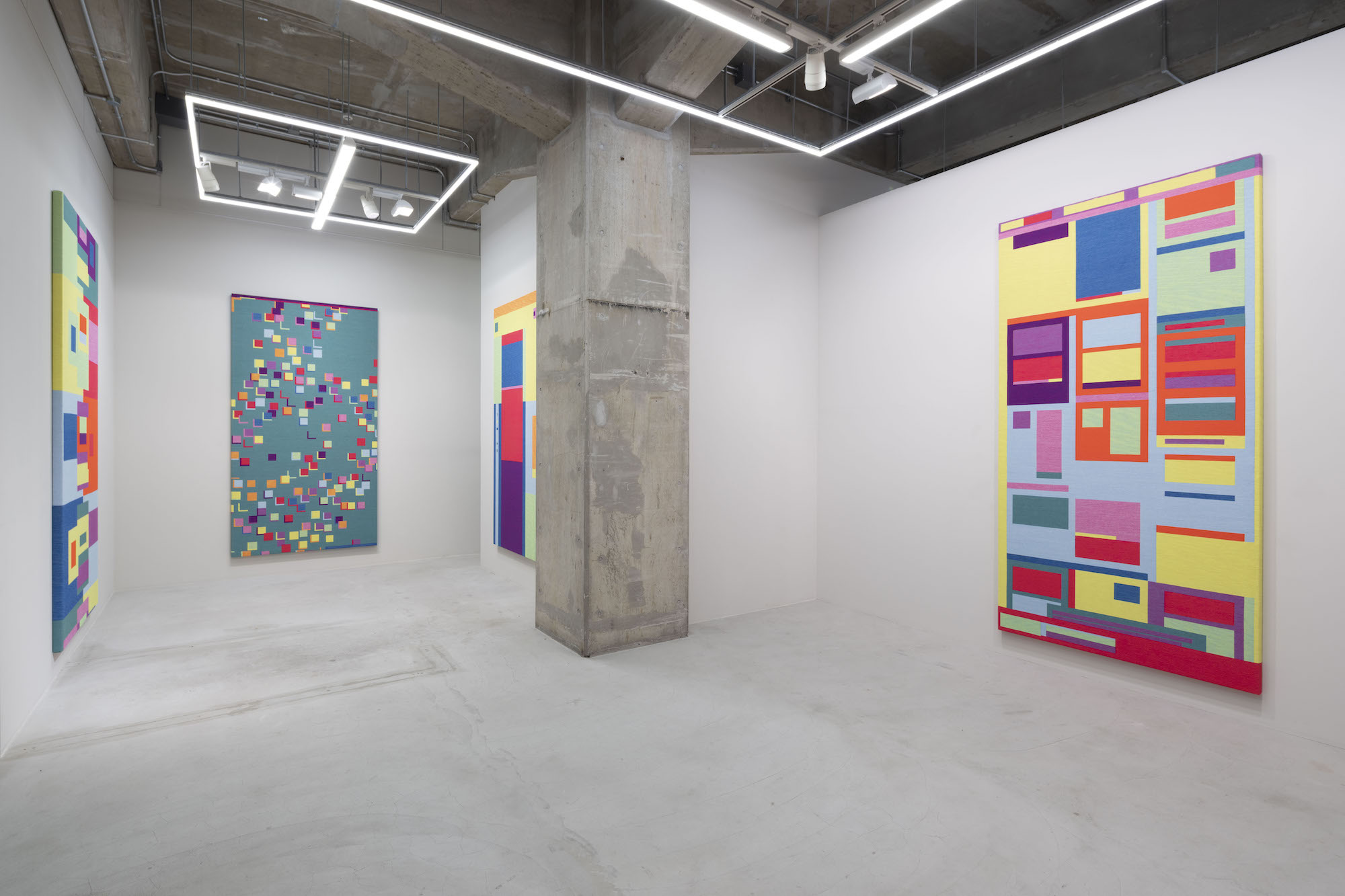
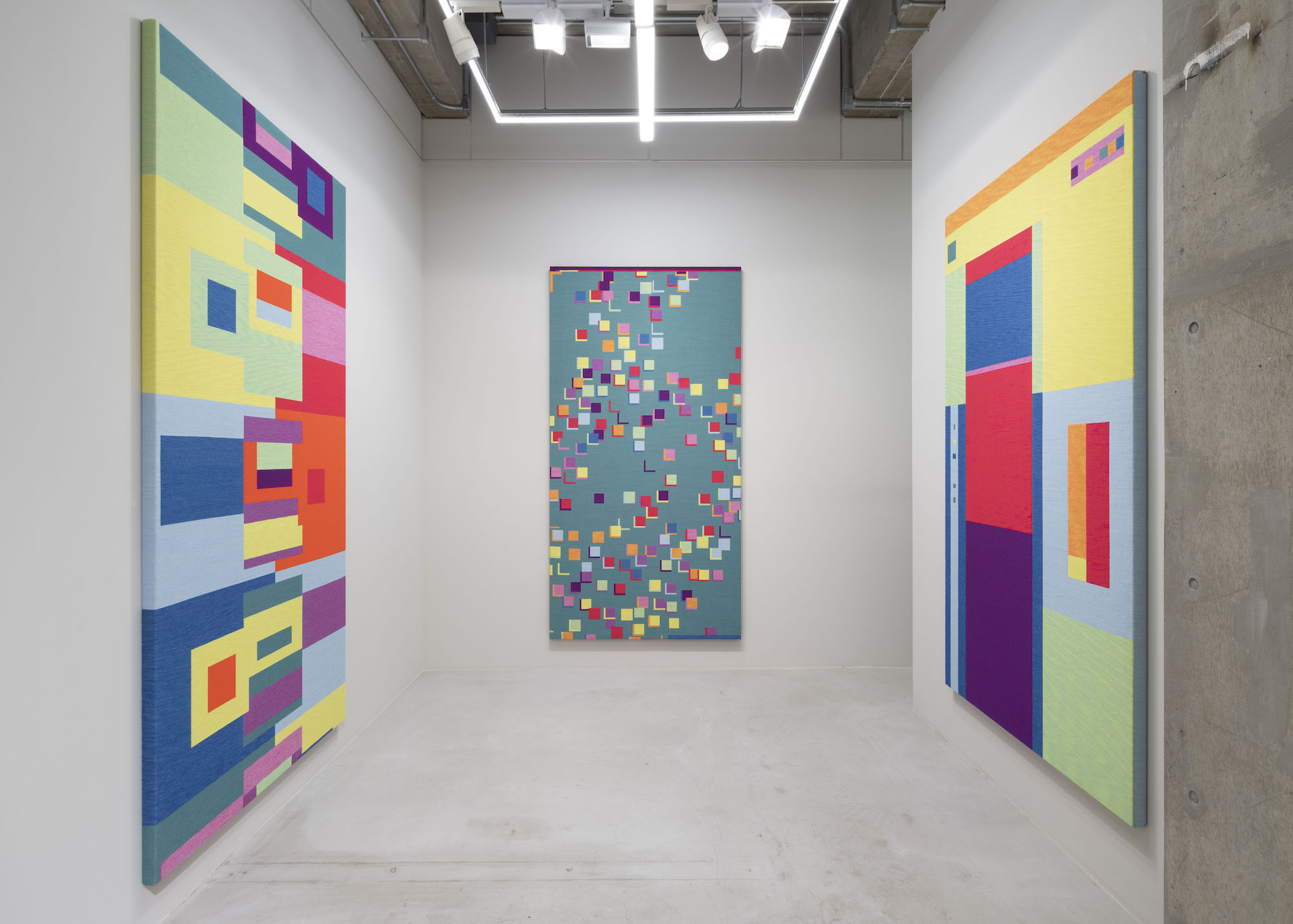
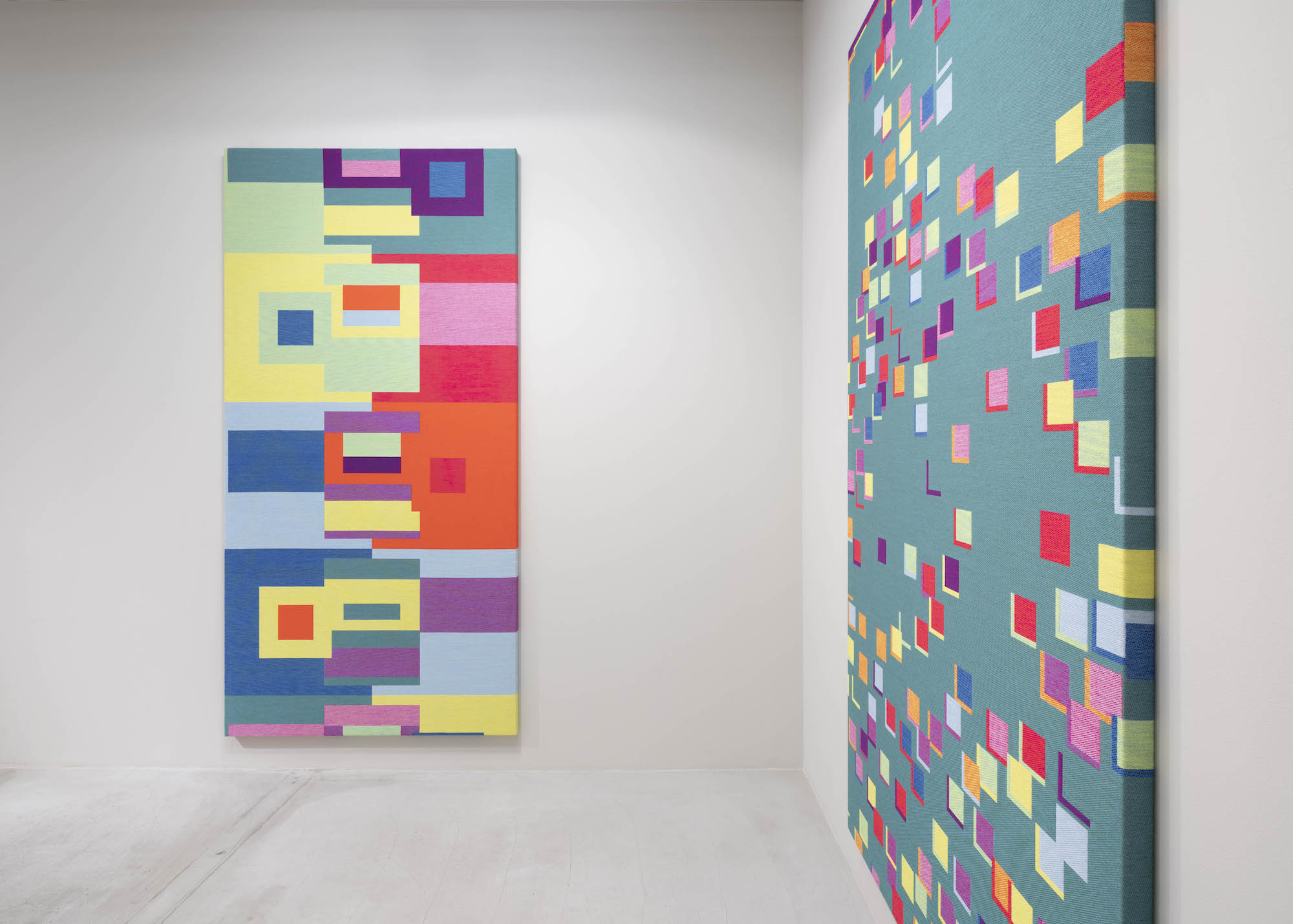
Screen Time comprises two ongoing series of works: Into Time, a series of lenticular paintings, and Abstract Browsing, a series of jacquard tapestries.
As hinted by the title of this exhibition, both Into Time and Abstract Browsing are explorations into the nature of time in its various forms.
Rozendaal has remarked in interviews and writings that the “landscapes” we most often encounter in our contemporary society are seen through the “window” of a screen on our electronic devices rather than an actual window in space. In the context of the history of humans and landscapes, we have shifted from the time when people looked out into the world through physical windows to the time when families gathered around the television set to watch moving images. And now, in this present moment, we have grown accustomed to spending our time on the individual screens of our personal devices, consuming our favorite content when and where we please. If one were to name these different periods on the basis of their visual cultures, perhaps “screen time” would be a fitting one for this most recent iteration. As the title of this exhibition, Screen Time evokes the expanse of time in which the continuum of visual culture is developing.
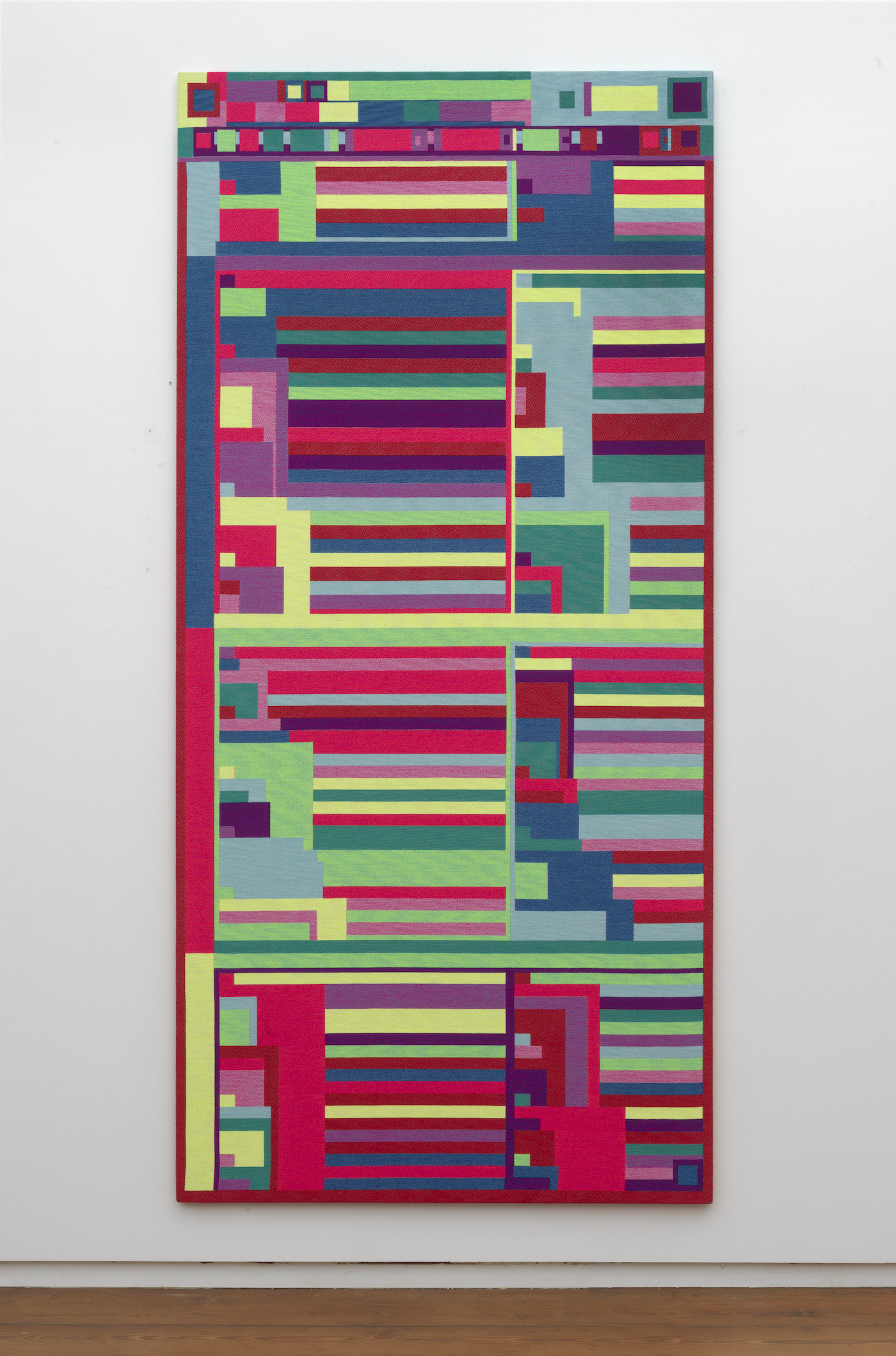
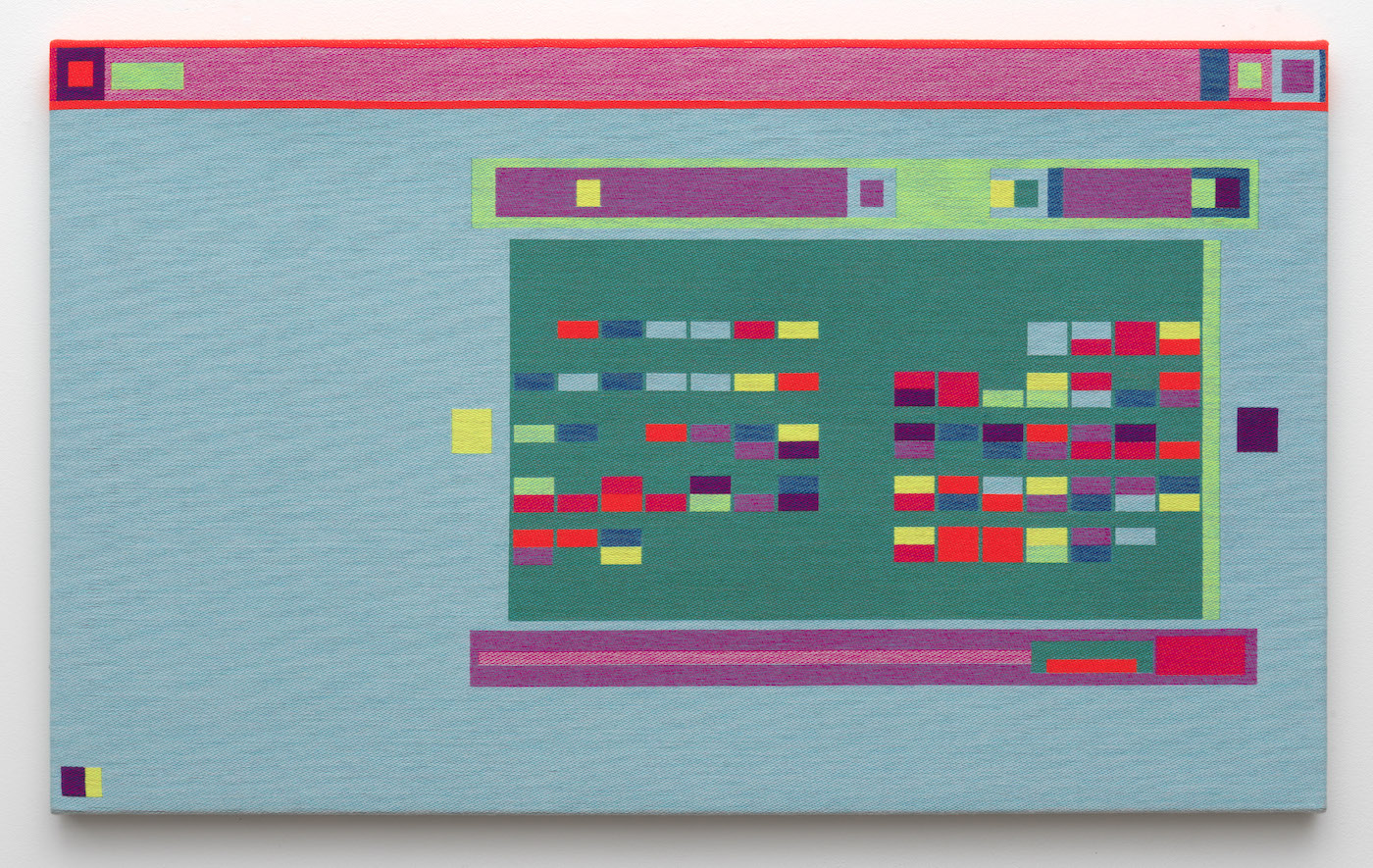
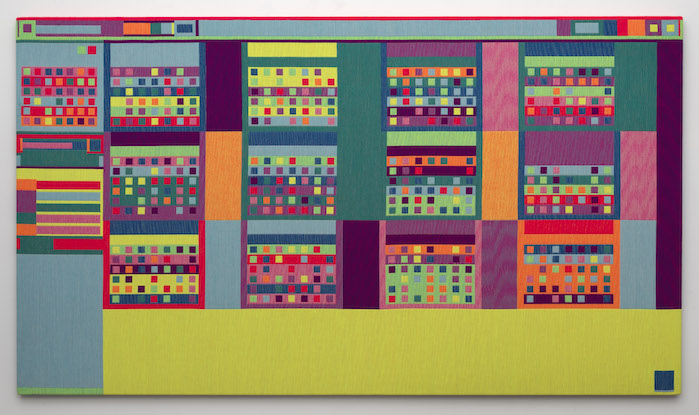
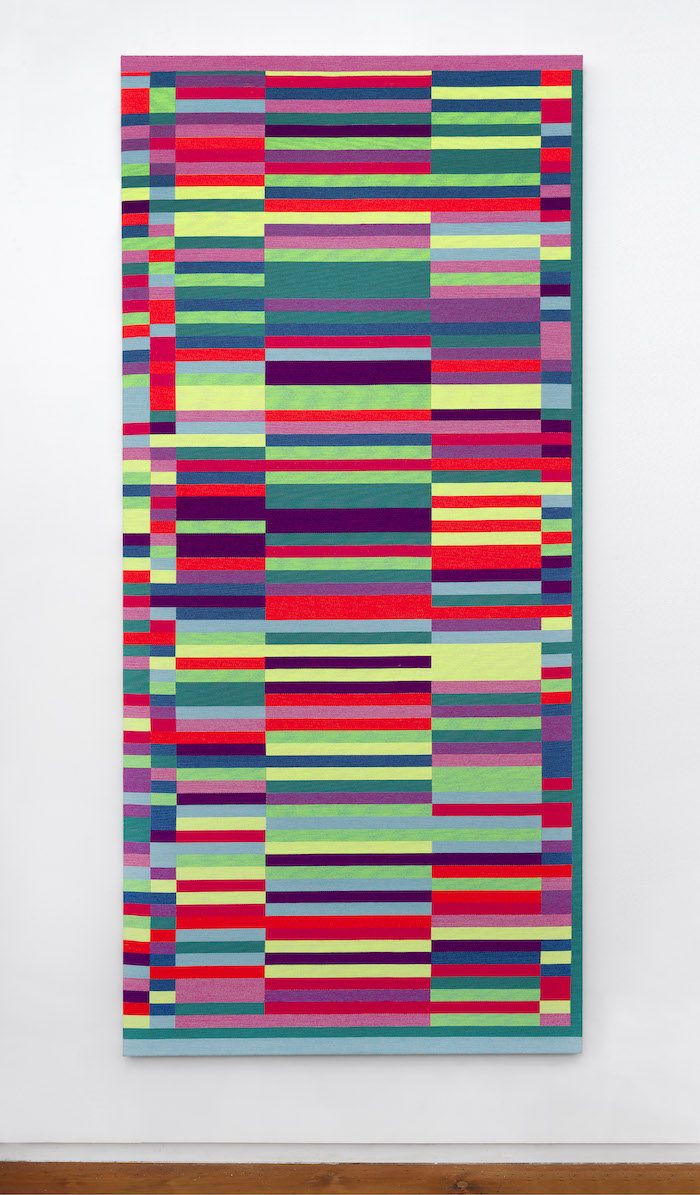
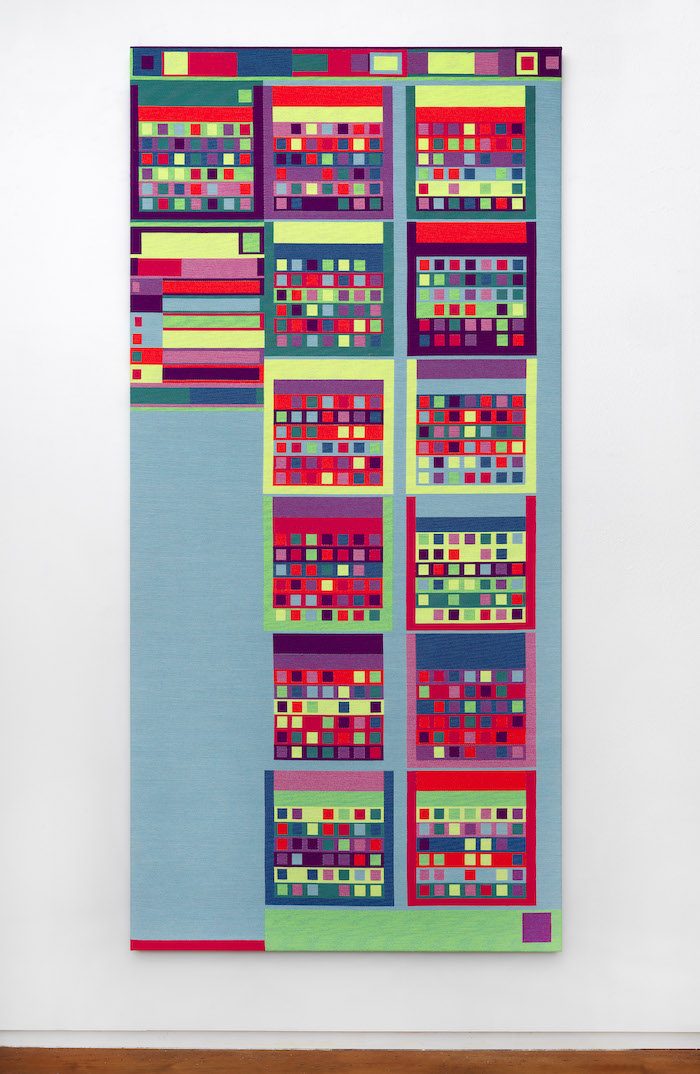
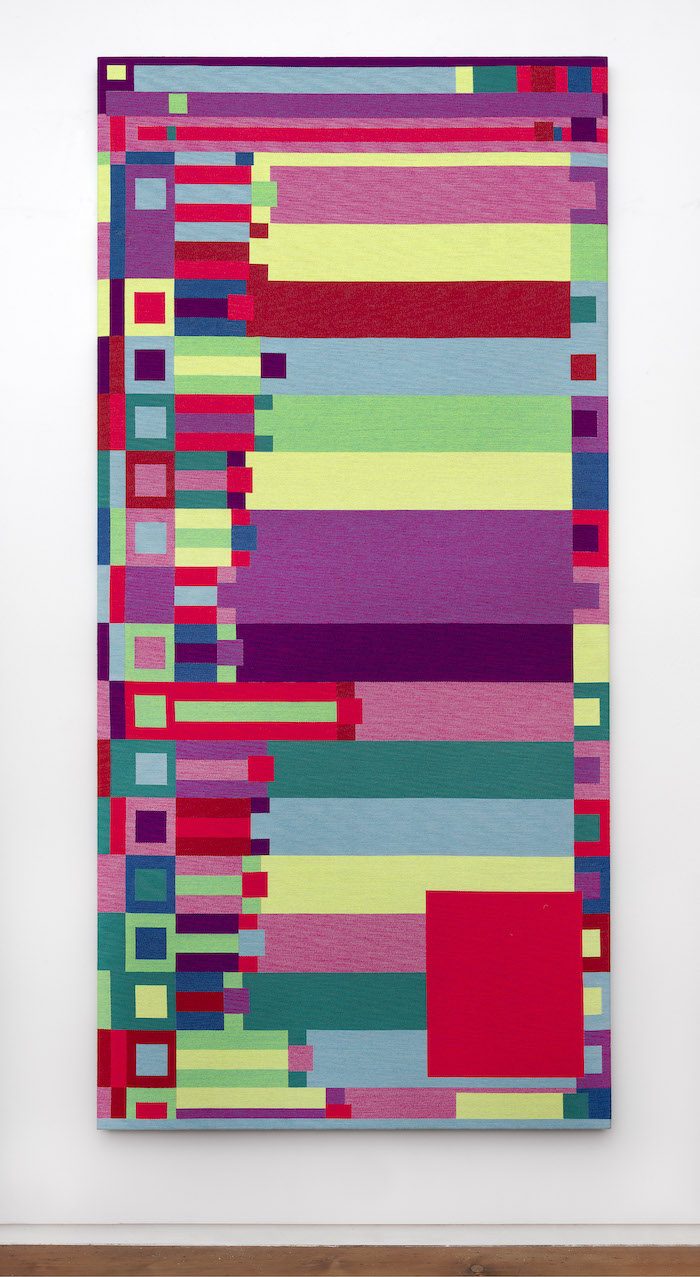
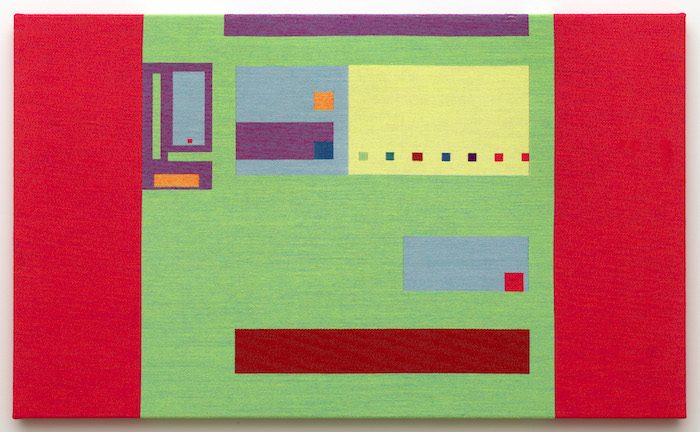
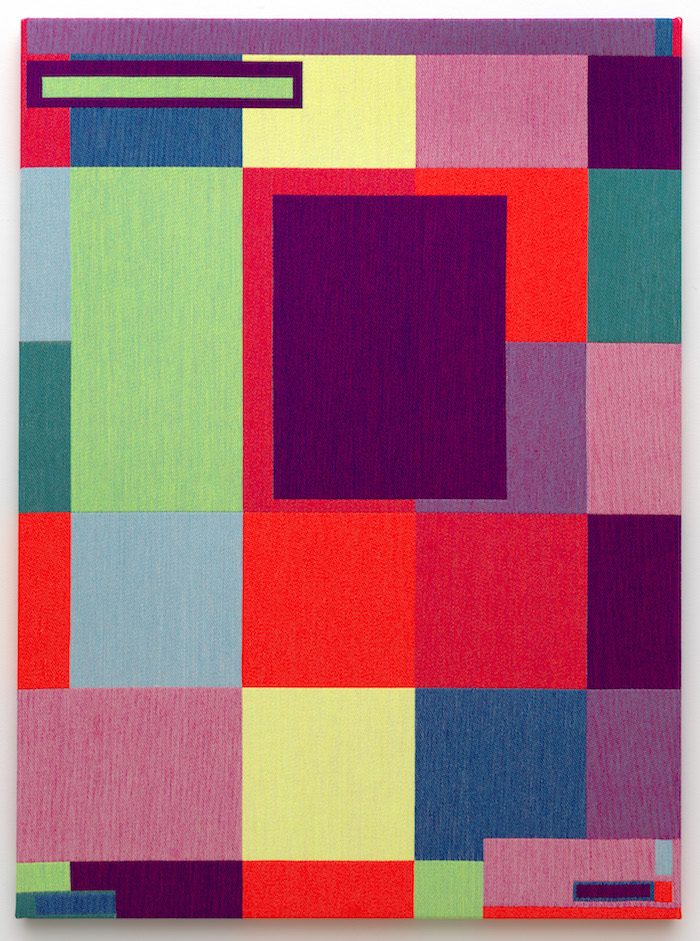
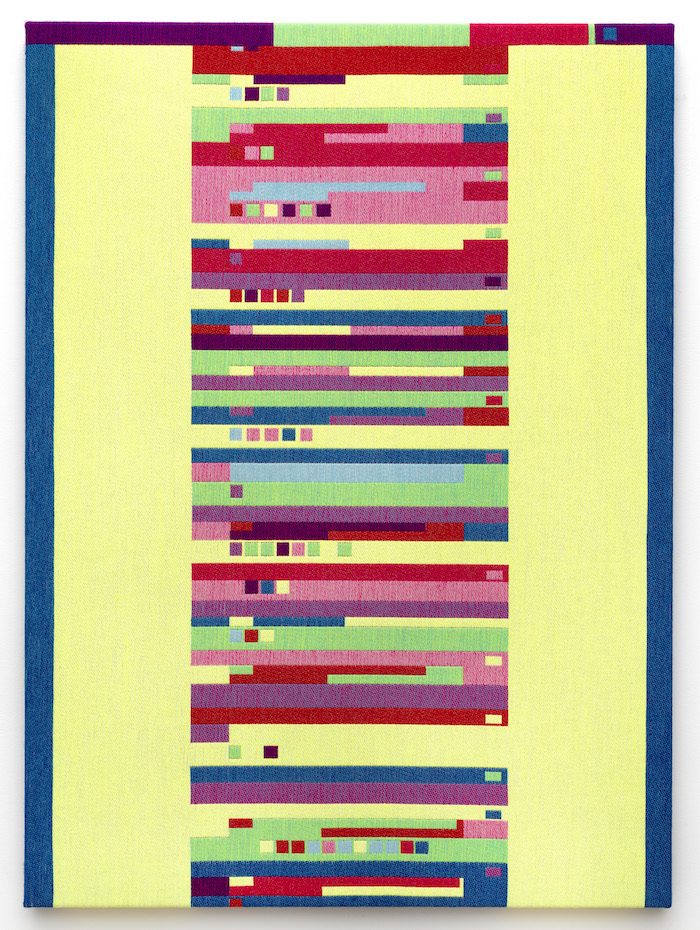
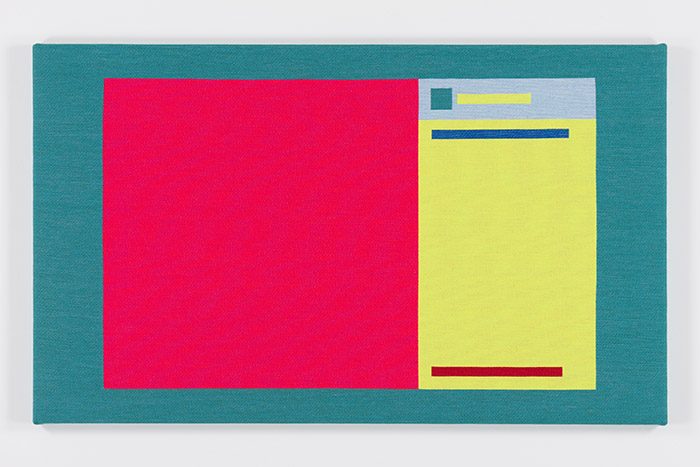
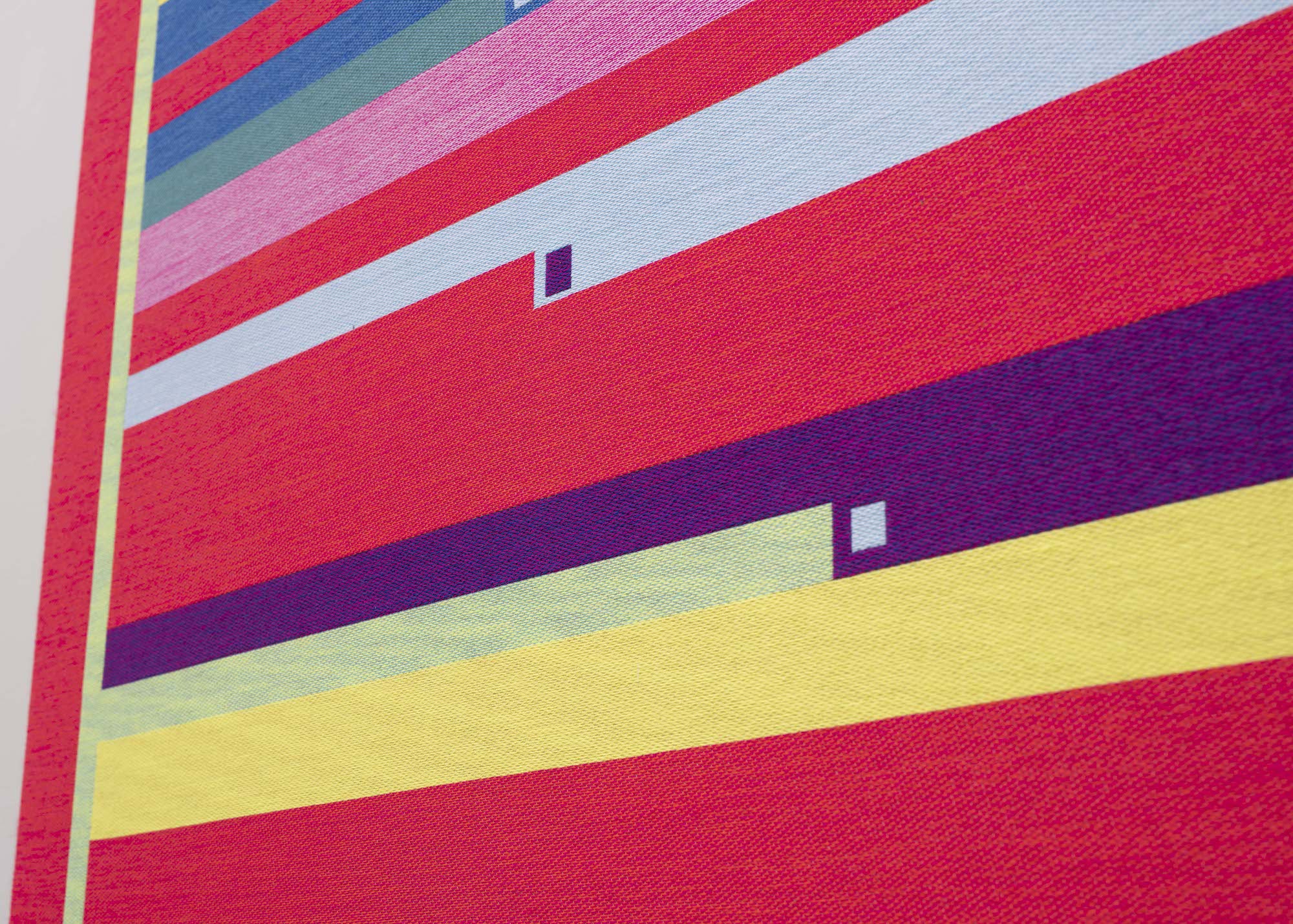
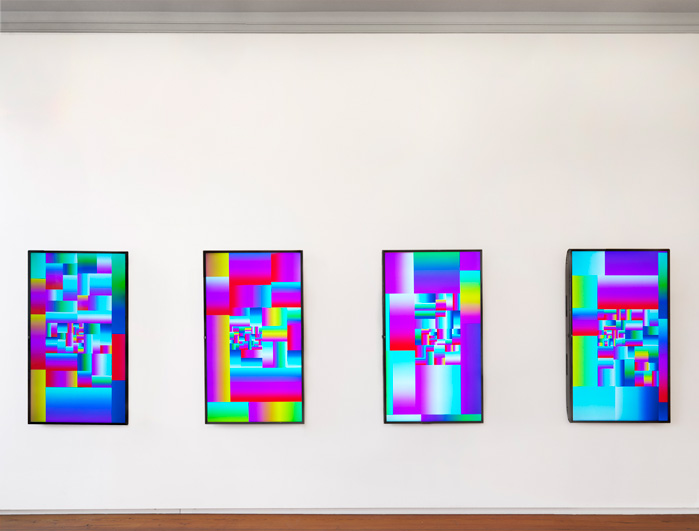
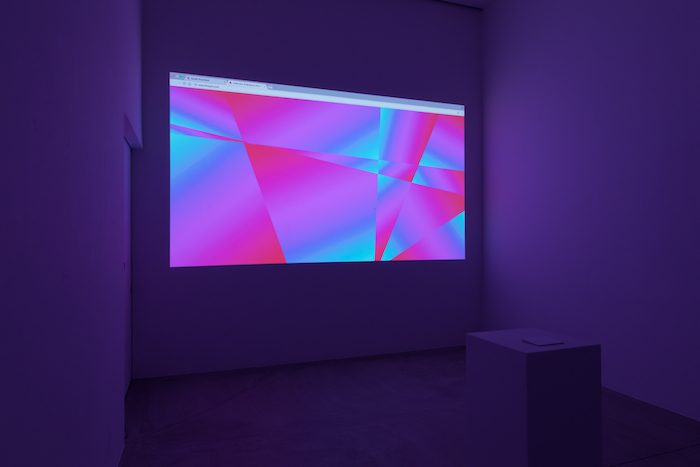
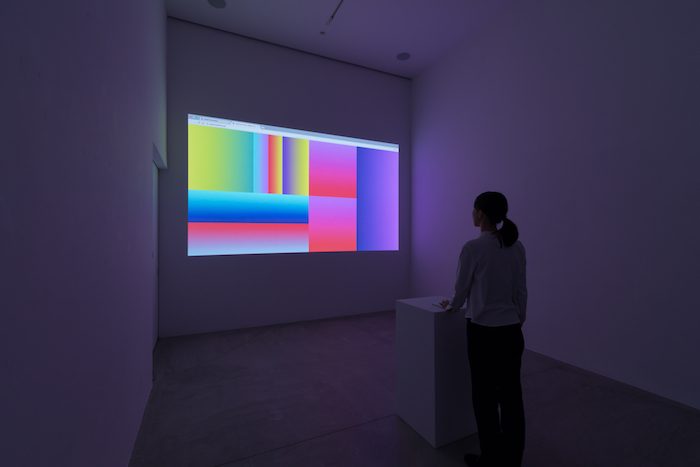
For artists attempting to face the questions posed by our contemporary aesthetics, Rozendaal has long been a pioneering figure. Abstract Browsing is a series of jacquard tapestries based on images of abstracted websites, which are created by “abstract browsing.net,” a browser plug-in developed by the artist in 2014. The tool, available for free on Google Chrome, abstracts all information present on a webpage into geometric units of bright colors. Rozendaal runs this program daily on well-known websites ranging from newspapers to real estate listings, generating thousands of images. From those, he selects compositions that appear striking or unusual in some way to create as paintings through the medium of jacquard weaving. The jacquard loom is an early prototype of the computer; as such, the textile it produces can be understood as both a digital image and a mechanically produced material. With this choice of medium, Rozendaal draws out the connection between digital images and traditional manufacturing techniques to highlight that, far from being a new media, the “digital” has a long history.
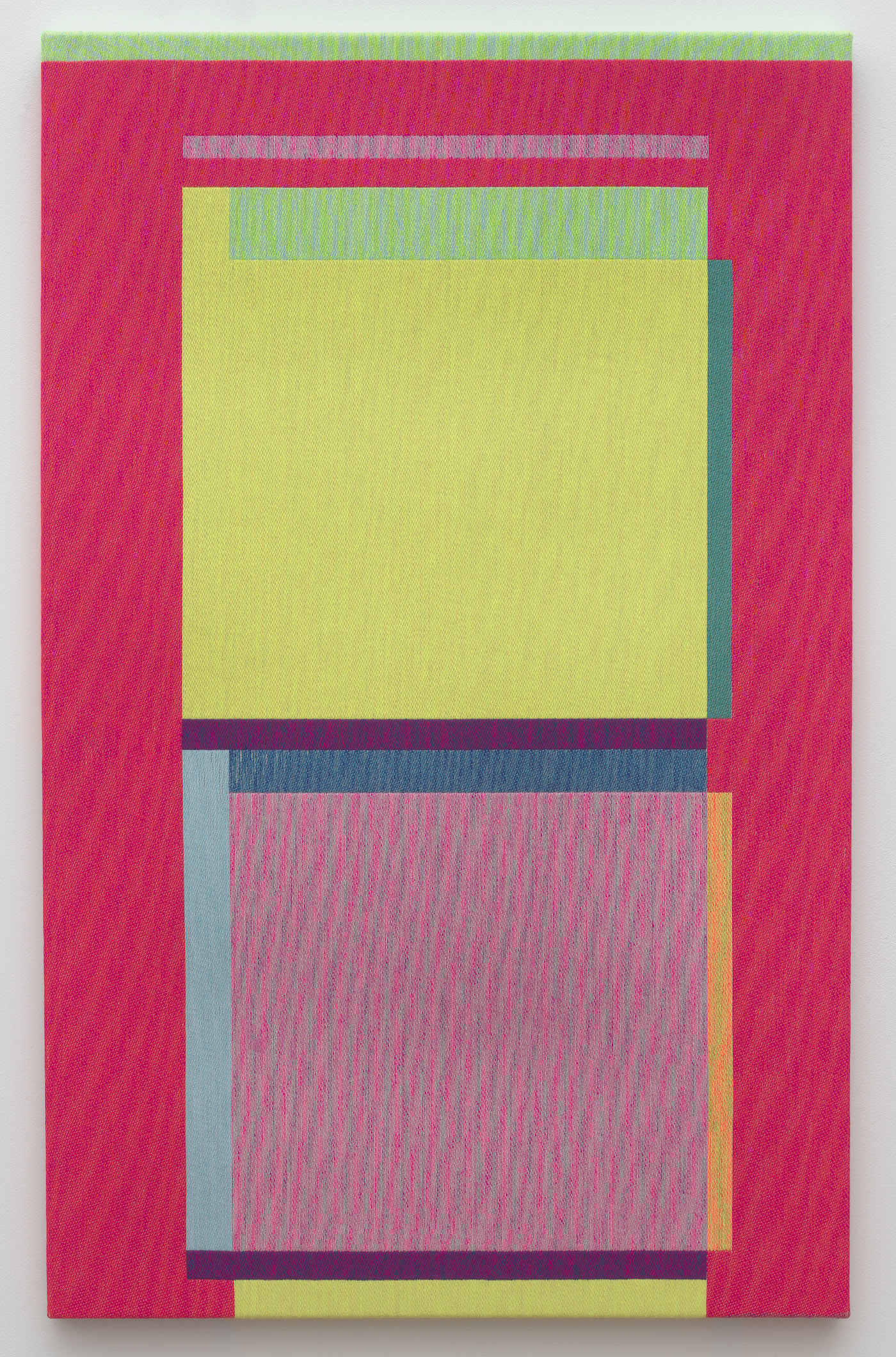
The new tapestries presented in this exhibition are all the same width but vary in height, with some of the tallest approaching three meters. Their exaggerated dimensions recall the vertical format of scrolling through the web on our phones. In this way, these works emphasize the shared verticality of web browsers and the weaving process, in which the fabric takes shape one row at a time. In recent years, however, it has also become possible to take screenshots of entire web pages. Unlike the experience of scrolling and taking in text and information slowly, the screenshot transforms the website into an image that can be seen in its entirety in a much shorter span of time. This is also in stark contrast to the slow unfolding of time that is inherent to the process of creating a tapestry. In these ways, the various textures of time that exist within the screen as a tapestry and among the many other screens that make up our daily lives are interwoven into the tapestries presented here.
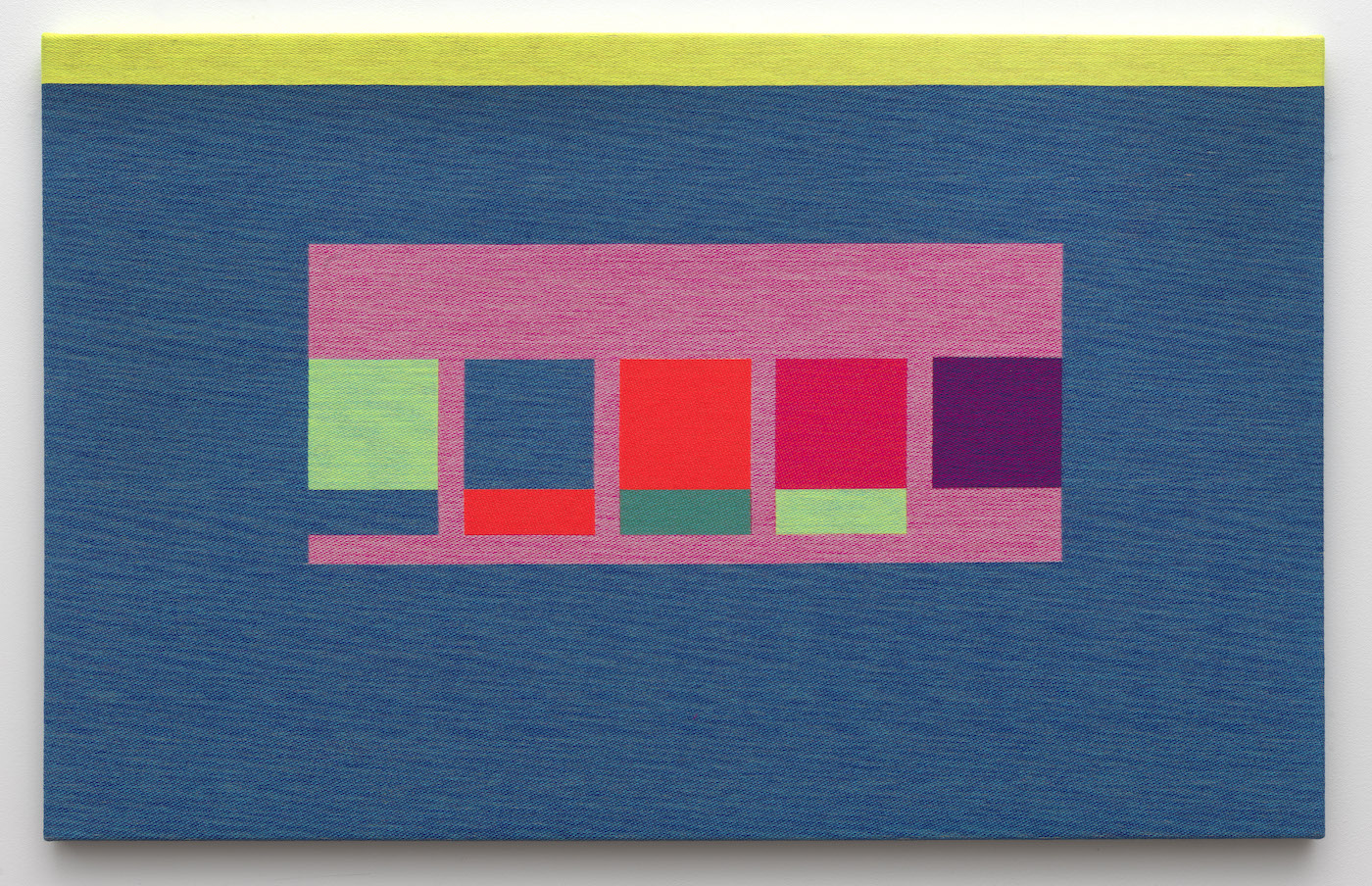
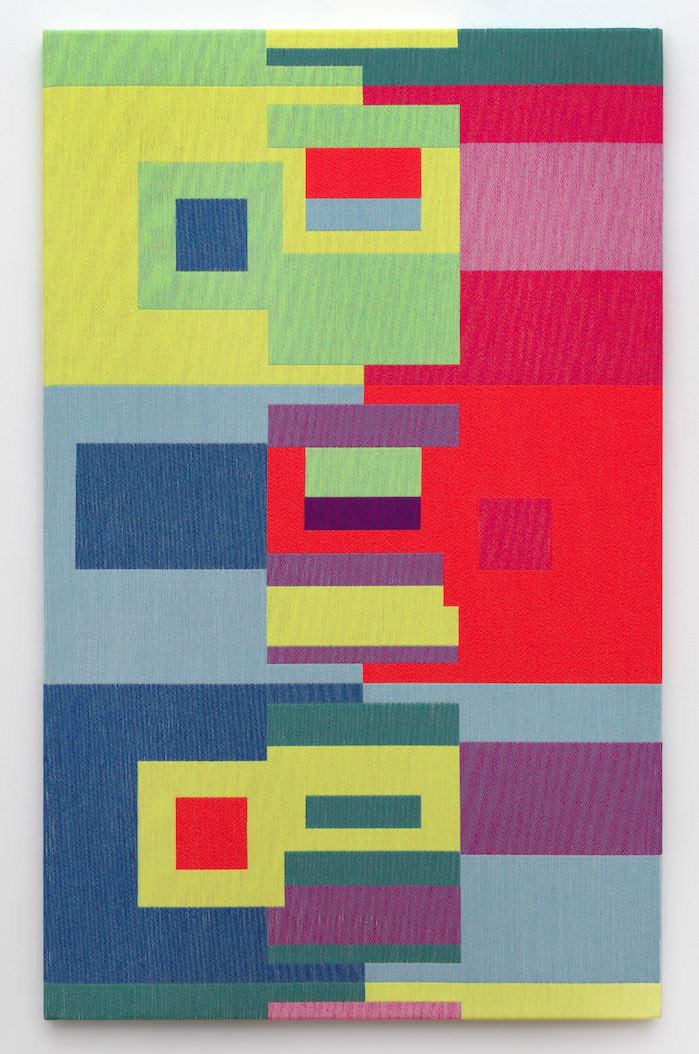
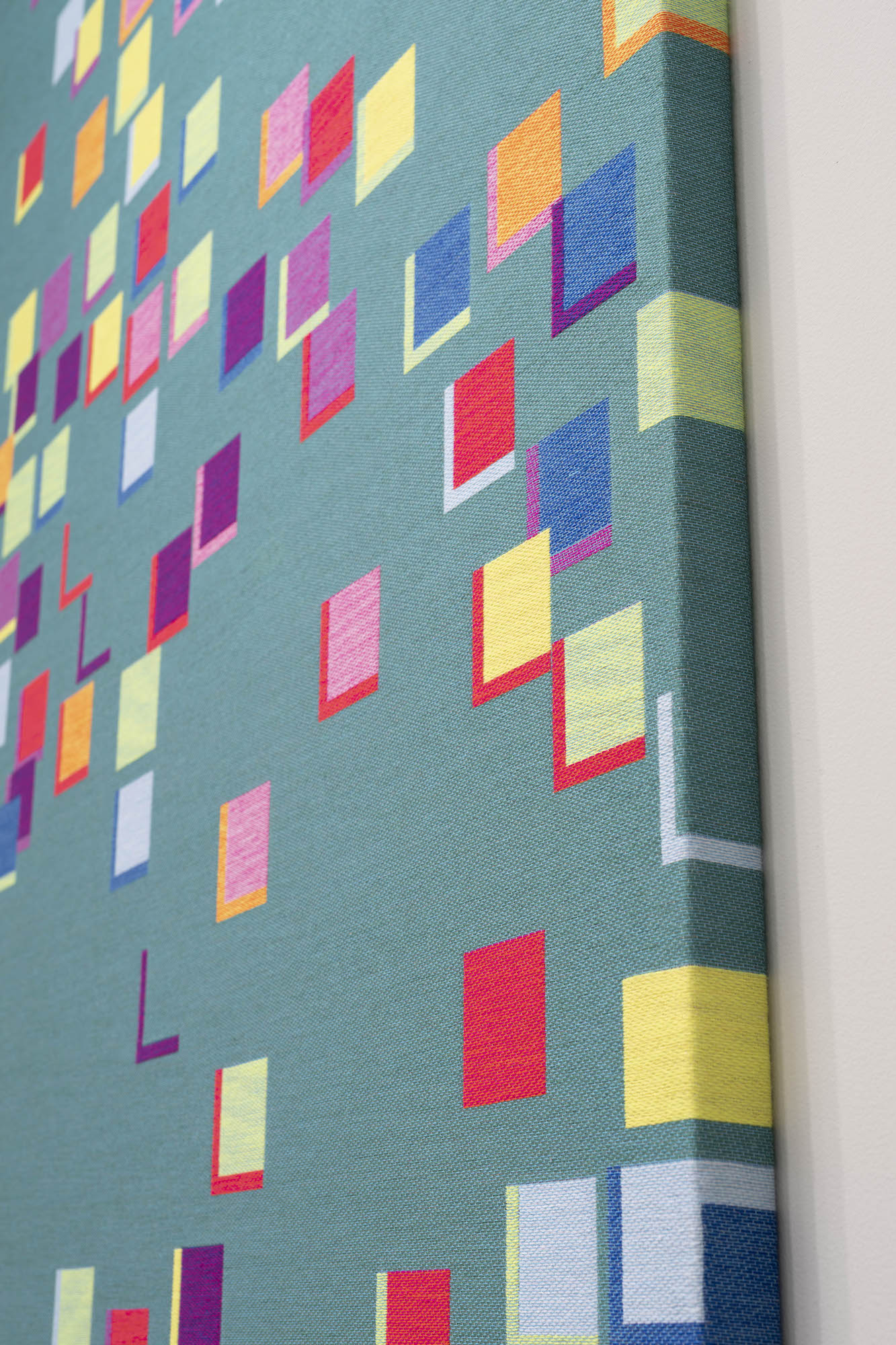
Into Time is a series of lenticular paintings that departs from the traditional concept of painting in that they cannot be experienced instantaneously but must be seen over a duration of time. Some of the works in this series are based on the geometric patterns and color gradations generated through Rozendaal’s website works, intotime.us, intotime.com, and intotime.org.
Rozendaal’s lenticular paintings contain time within them, and as such, it is only by moving our bodies around these works that we can experience them in their entirety. The surface of a lenticular painting functions similarly to that of a screen such as an RGB monitor or an image cast by a projector. But whereas monitors and projectors are media that display images standing in for physical “landscapes” as they change to and fro, the nature of the lenticular medium is such that it becomes the shifting image itself. And just as an actual landscape contains an infinity of views that depend on the position of the viewer, so too does the lenticular. The new lenticular paintings presented in Screen Time reflect the ongoing development of Rozendaal’s sense of colors and their combinations.
Both the jacquard tapestry and the lenticular print are materials with long histories. By selecting them as his media, Rozendaal draws our attention to the largely unknown connection between such traditional techniques and the digital devices and technologies with which he makes images, enabling us to understand these seemingly disjointed elements as points along the continuum of our visual culture. This exhibition, and Rozendaal’s artistic practice as a whole, hints at the diversity of time in its many forms. The expanded scale of Rozendaal’s newest work draws us into a new moment following the many disruptions brought about by the pandemic as well as the rise of NFTs, allowing us again to enjoy the experience of standing before a physical work and letting the time pass us by.
trying
not to think
about money
this one?
that one?
no the other one
no more problems
not one
ever again
i made something, you should see it!
it is great because
– it represents the core of my being
– i worked on it for a long time
– i did a lot of research
– it will go up in value
– it will make the world a better place
– famous people love it
– i am aware of art history
empty pockets
empty phrases
empty gestures
empty calories
empty stomach
empty vessel
empty promise
empty threat
empty house
empty hard drive
empty fridge
empty wallet
empty table
empty bed
empty horizon
empty nester
empty page
empty time
empty mind
In the Before Times, art and culture were clearly separated by museum walls. Within those museum walls, artists kept asking what art is. Is this art? How about this? And this? As long as it happened inside those walls, the answer was always yes.
Now that art has to operate on the same screen as everybody else, the contextual privilege disappears. If you cover a museum wall with peanut butter, it’s art. But what if you do the same thing on Youtube?
Art is something different. There is culture, there is entertainment, and somewhere outside of that is art. Is that true? Is art different? Is art better?
Does art transcend the crowded realm of decoration and entertainment? Does art last longer? Does art show us our true selves? Does art break convention? When culture breaks convention, is it art?
When writing is exceptional, does it become art? When cooking is exceptional, does it become art? Can breathing be art?
Is art only that what is shown in museums? Does the word art mean anything? I’d like to believe there is something valuable that separates art from the rest but I’m not so sure.
free from expectation
free from distraction
free from approval
free from convention
free from obligation
free from utility
free from compromise
free from agreement
free from competition
free from hierarchy
free from fear

81 Horizons is a collection of 81 fully on-chain landscapes. Each work consists of a unique combination of two colored rectangles, hand picked by the artist. Released by Upstream Gallery, smart contract programming by Alberto Granzotto, produced by left gallery.






I don’t really understand the impulse to own art. I love empty spaces. I love being in an empty space. It is the most inspiring to me because there is nothing else to do except finding new ideas. Ownership is a prison of obligations. But I need your money so I can make whatever I want. Because you want to own I can create. I don’t judge your cravings, I am happy that you take on the burden of storage. Take it out of my hands so I can make something new.
Please take care of the work and give me some money so I can buy soba noodles and get back to work. Money makes me happy. Lots of money and few things. Money in the bank makes me feel free. I realize i’m not free at all. The more money I have the poorer I feel. The more there is to lose. I made good money this year, more than I ever have. I have no idea what to do with it other than to keep it in a jar and feed it. The money makes me feel safe yet i’m not.
art is the intensification of perception
art is the moment between realizing and understanding
art is research without aim
art is the area between thoughts and feelings
art is the tension between a personality and a material
art is not mysterious because there is no solution
art does not have any reason to exist
art comes from solitary curiosity
the serious artist does more thinking than doing
the serious artist provokes but does not offend
the serious artist knows everyone but doesn’t talk to anyone
the serious artist does not talk about money but has lots of it
the serious artist is a mystery
the serious artist does not give answers
the serious artist does not create
the serious artist does not explain
the serious artist edits
the serious artist knows how to say no
the serious artist doesn’t need you
the serious artist laughs only at the right jokes
the serious artist does not own a tv
the serious artist only travels for work
the serious artist does research
the serious artist enjoys encounters
the serious artist is often alone
the serious artist avoids public transportation
the serious artist rarely smiles
the serious artist is concerned
the serious artist questions authority
the serious artist is comfortable around power
the serious artist is great at dinners
the serious artist dresses in black
Exhibiting the Internet
An Interview with Rafaël Rozendaal
by Adina Glickstein
November 2021
Rafaël Rozendaal has been making digital art for two decades, and he’s unfazed by the rise of Web3. In this conversation with Spike, he explores how websites are like poetry, dishes some lessons in exhibiting digital work, and argues in favour of keeping the punk spirit alive in NFTs.
Adina Glickstein: What lessons have you learned, throughout your career, about showing net art? Could some of these now be applied to crypto?
Rafaël Rozendaal: I think it’s different for different artists. Cryptoart is often focused on the personal collection, so it’s more of a question of home display. When it comes to physical exhibitions, the goal is not to display works neatly like at an art fair – because their sales are natively digital. So then, why not treat it as a native medium and just go crazy? Don’t be too conservative.
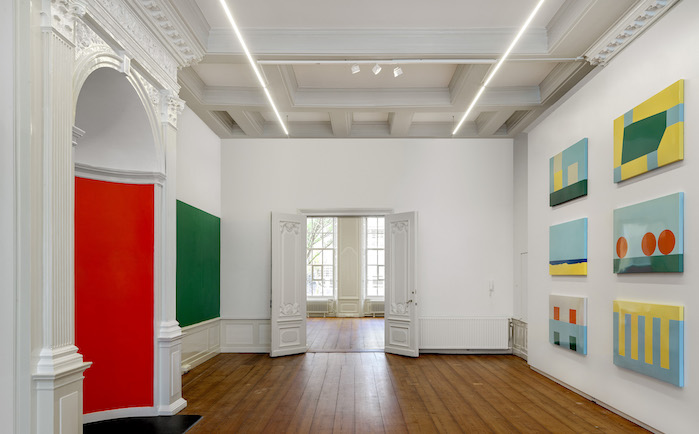
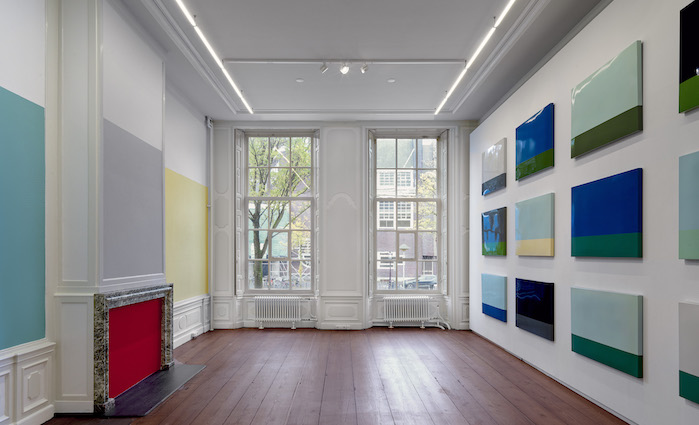
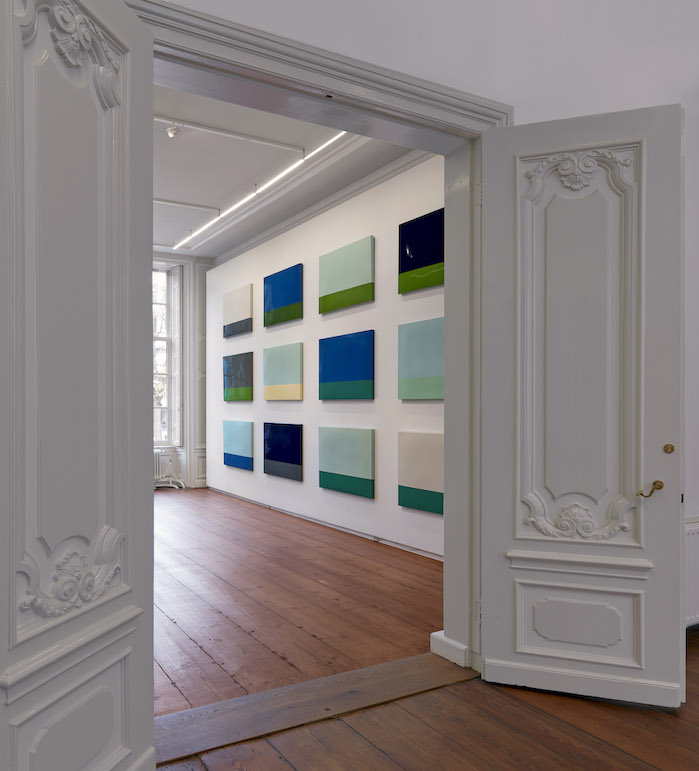
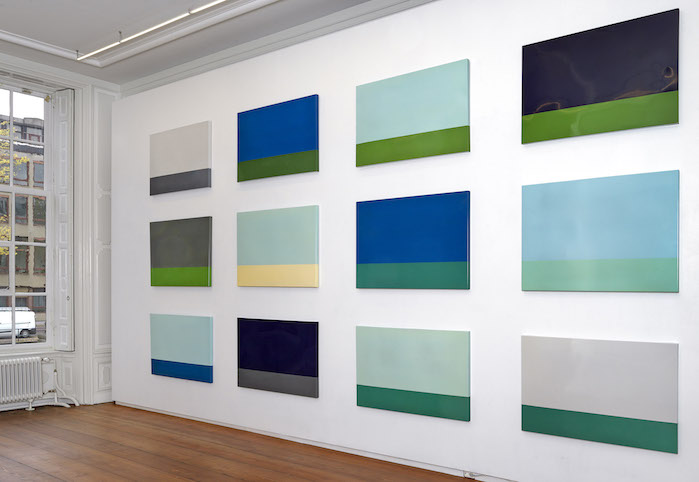
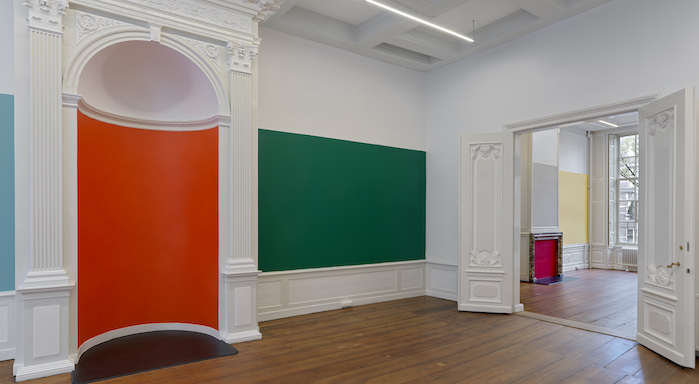
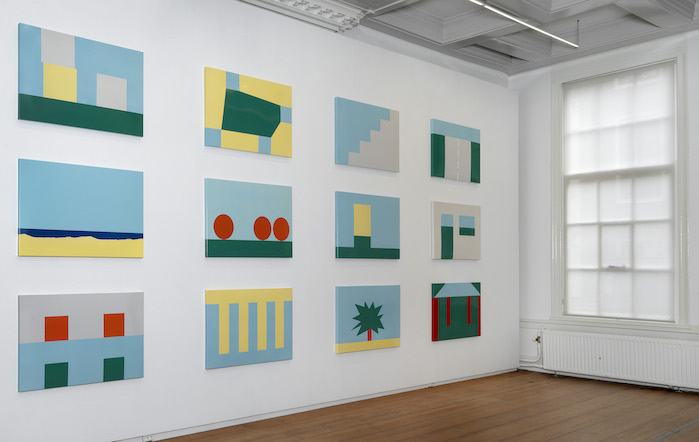
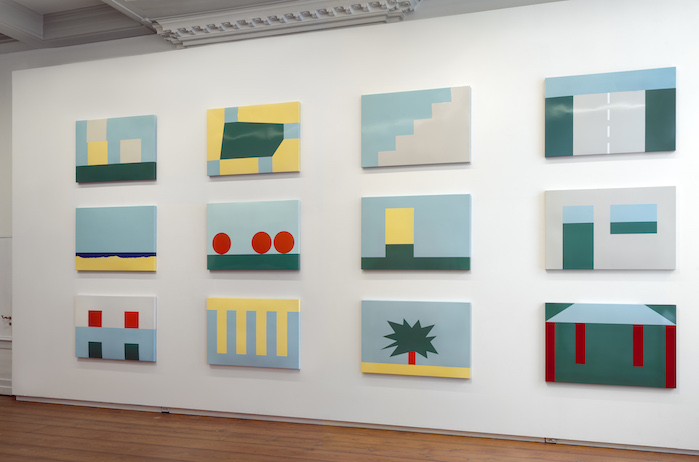
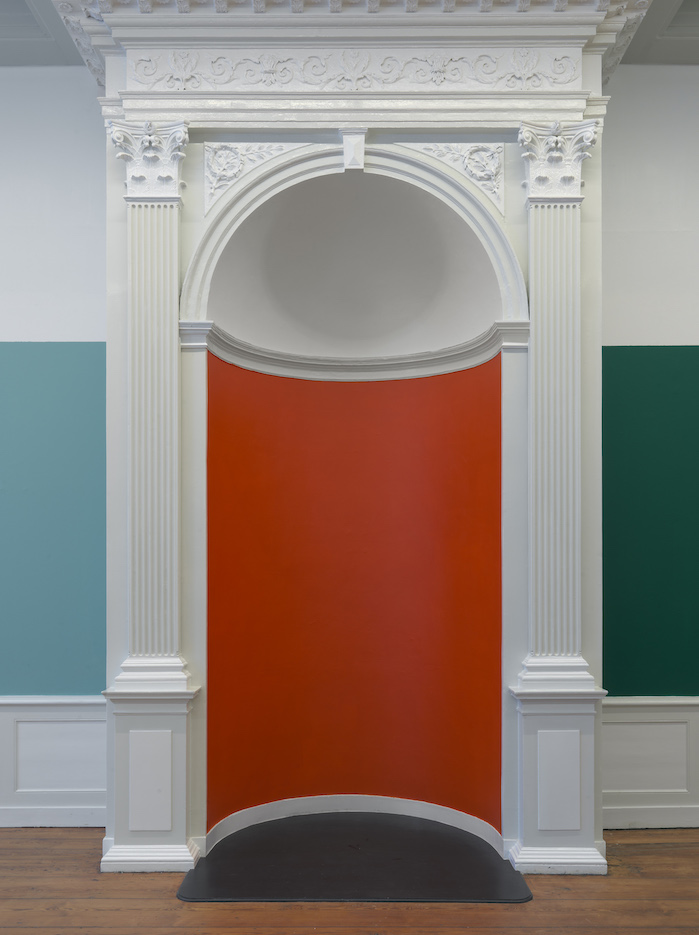
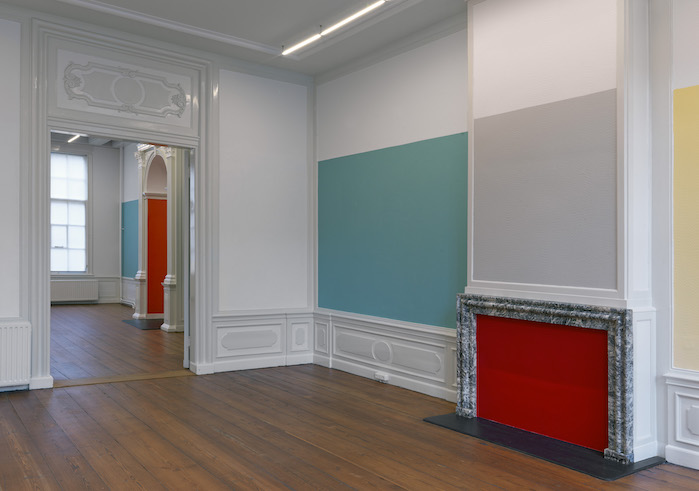
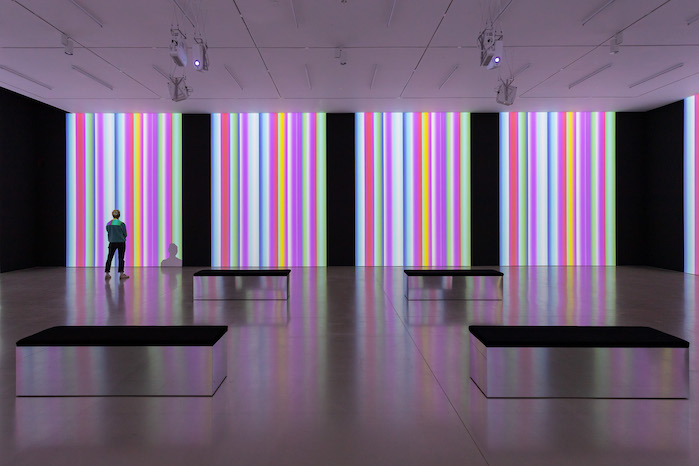
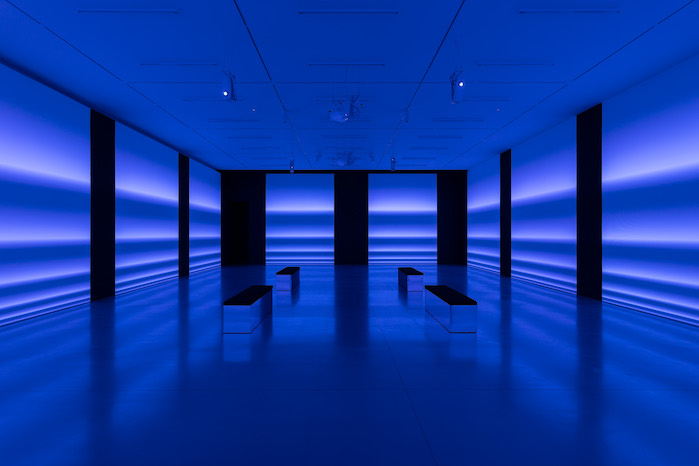
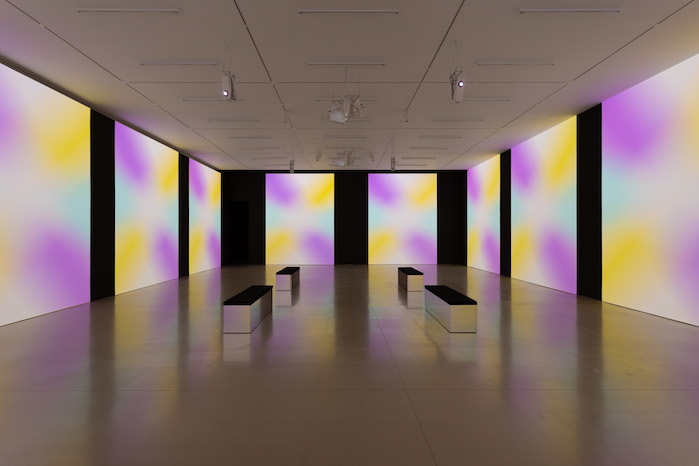
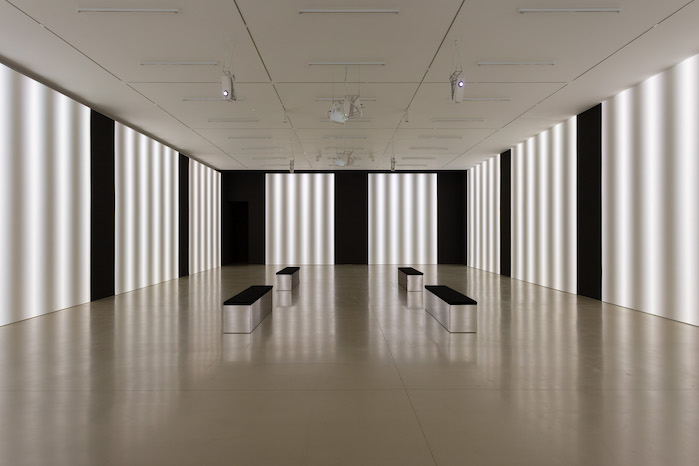
Mechanical Paintings at Upstream Gallery
October 30 – December 18, 2021
photos by Gert-Jan van Rooij
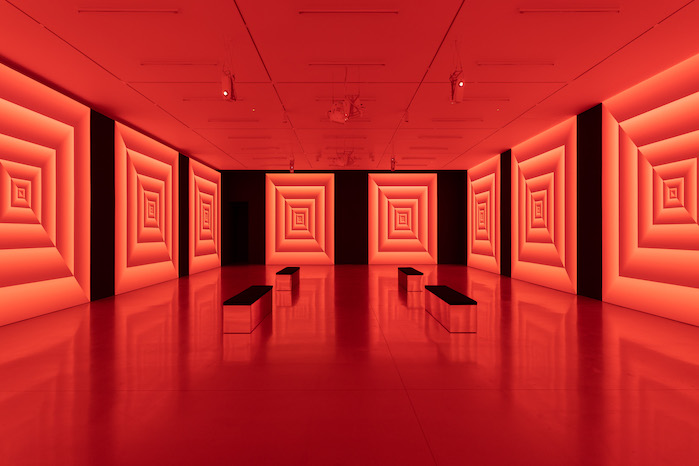
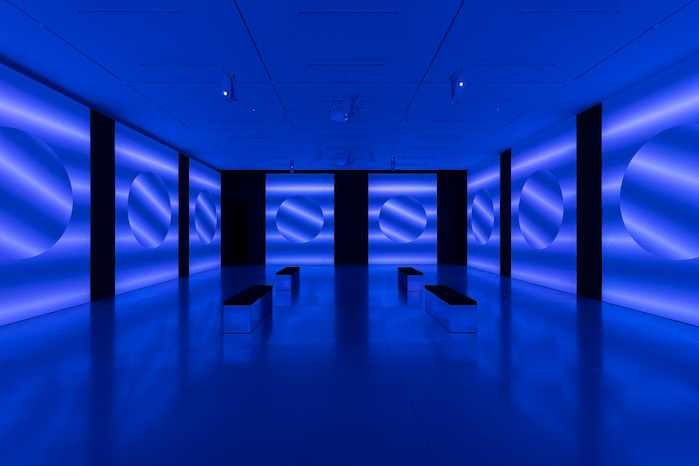
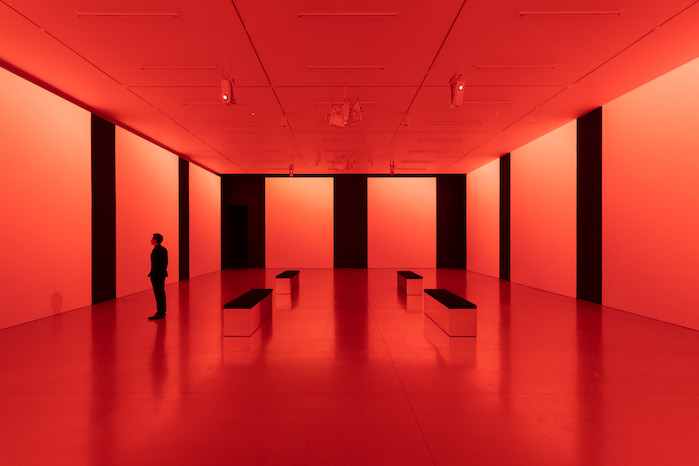
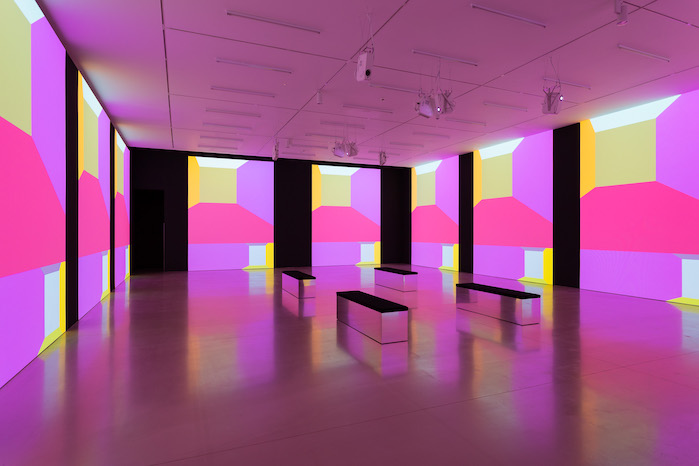
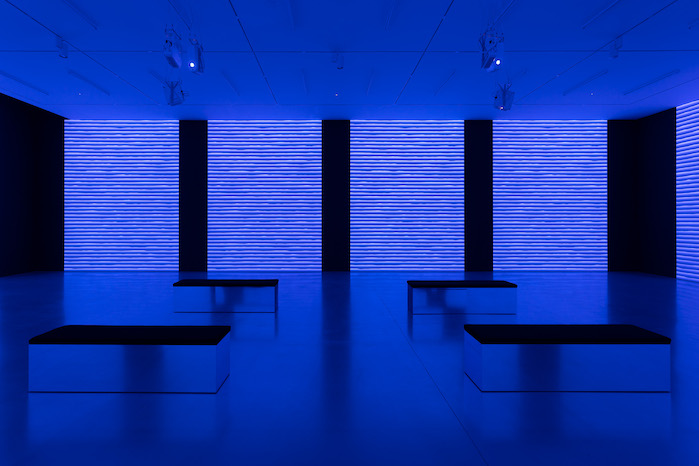
Permanent Distraction
Site Gallery Sheffield
September 23 – December 23, 2021
Photos by Jules Lister
too late to be early
too early
to be late
what they want
what you want
what we want
life
is much scarier
than death
everyone is great
everything is wonderful
joy forever
i am typing
a few words
on my phone
New book/edition/project
available at Three Star Books
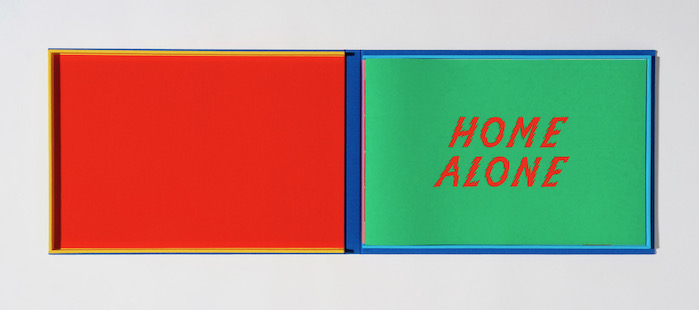
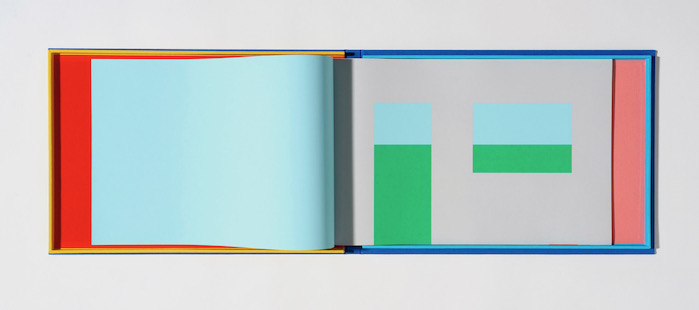
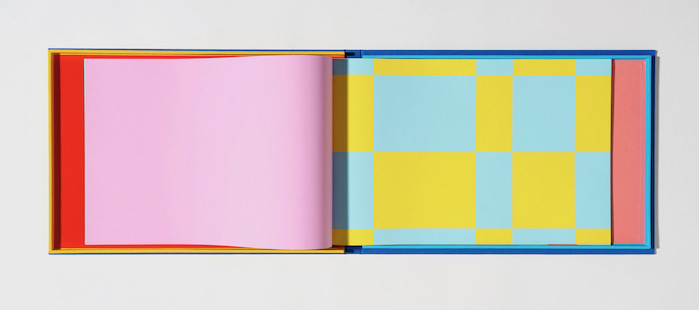
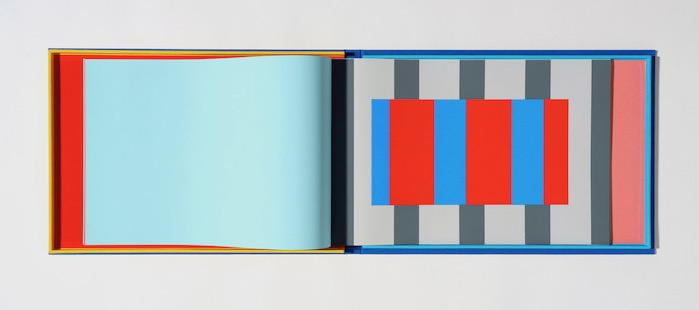
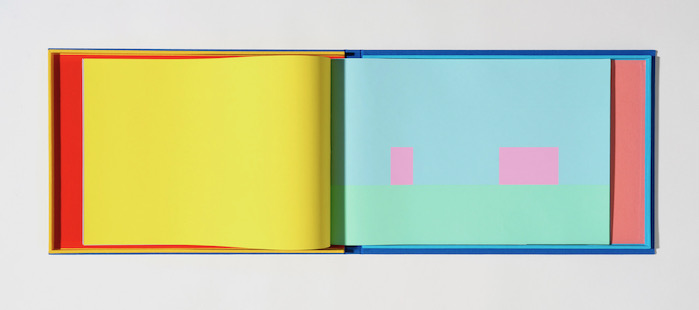
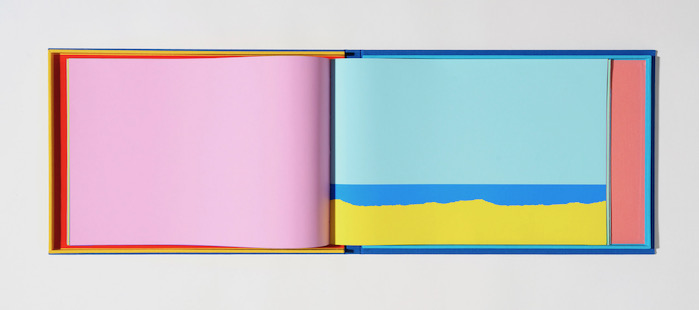
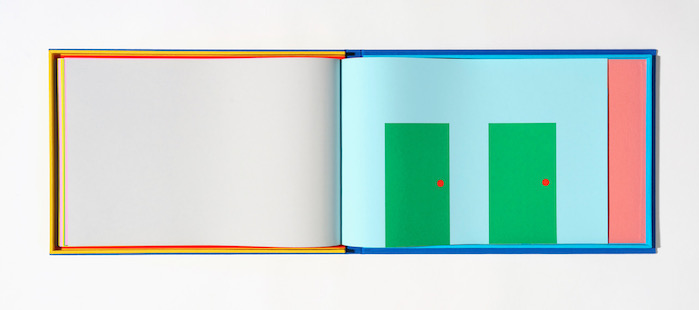
Rafaël Rozendaal artist’s studio is his home and vice versa. Rozendaal lives most of his artist life within hard disks. After designing and programming on a computer the websites he is famous for — Rozendaal’s work is uploaded on distant servers and experienced by millions of internet viewers.
When we met again — many years after the artist collaborated with onestar press in 2003 — we knew that the challenge to publish — what Rozendaal usually proposes to the viewer as an interactive digital experience — was going to be an inspiring one.
Soon after RR posted a video tour of his studio/home on @newrafael and presented the simple colorful vector diagrams the artist is using as starting points for his websites, we asked Rozendaal to think with us on an adaptation of these digital sketches on paper with ink.
Between hard-edge abstraction and representation of landscapes, architecture and usual objects, we determined that RR’s computer drawings would translate well with silkscreen.
Quickly RR sent us a selection of files that we laid out in a large format with a landscape ratio — recalling those of the computer screen — with a selection of plain colors that would face the diagrams on the double page spreads. The very next day the artist sent us the title of his project: “HOME ALONE”. His ability to make things fluid embodies RR’s artistic strength. Now, as the work was transferred to our studio and our our goal to preserve the ethereal and immaterial quality of these digital works, we suggested the artist print on a very soft paper with the minimum bulk possible to create a fifty-six page signature stitched together in a manner that would make the book’s manipulation almost impossible unless the volume is presented flat on a table.
The path between an abstract idea and it’s materialization is a difficult task that every artist has to achieve in order to create a tangible experience for the viewer. In the case of RR this path is reduced to the minimum and the phrase: (coined by Marshall McLuhan) “The Medium Is The Message” seemed perfect and all along the production of “HOME ALONE” it never left us.
The cover and the interior pages are printed on the same paper and bound with a color cotton thread. The book is housed in a hot stamped clamshell custom box (with unique combinations of colors) that also serves as a display device.
Note that the font used on the cover and the colophon of “HOME ALONE” is designed by the artist adapted from an old cartoon.
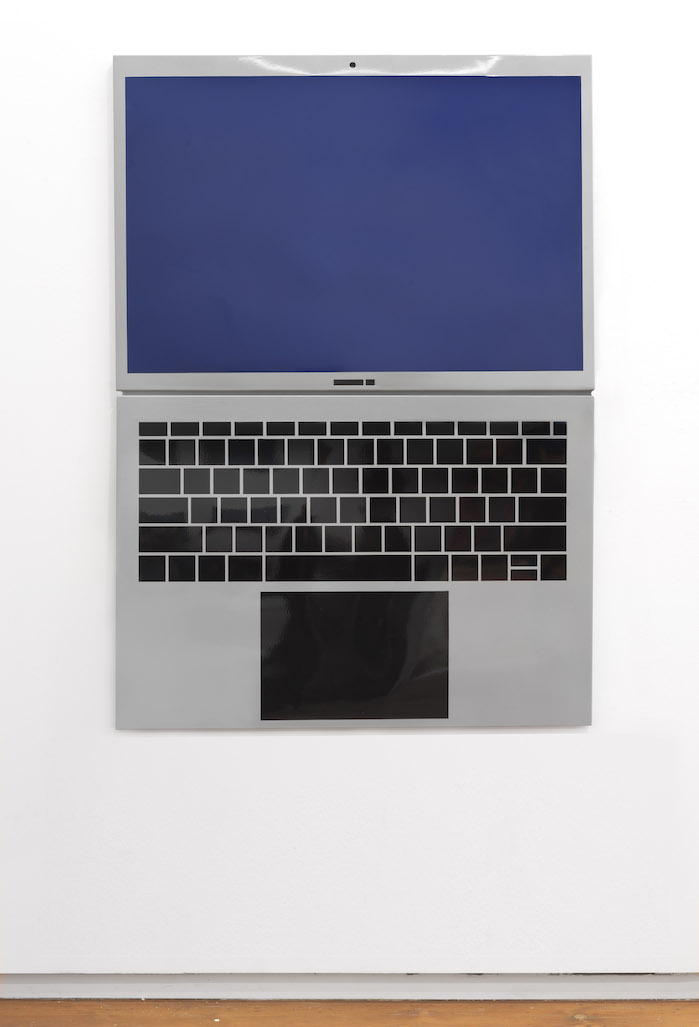
Mechanical Painting 20 03 02 (Laptop)
Enamel on Steel
170 x 120 cm
On view at Deitch Gallery New York until November
alone at the pool
swimming by myself
nobody else
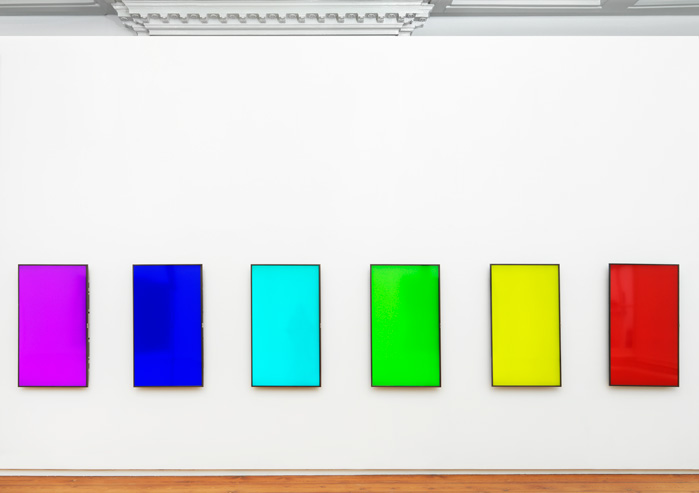
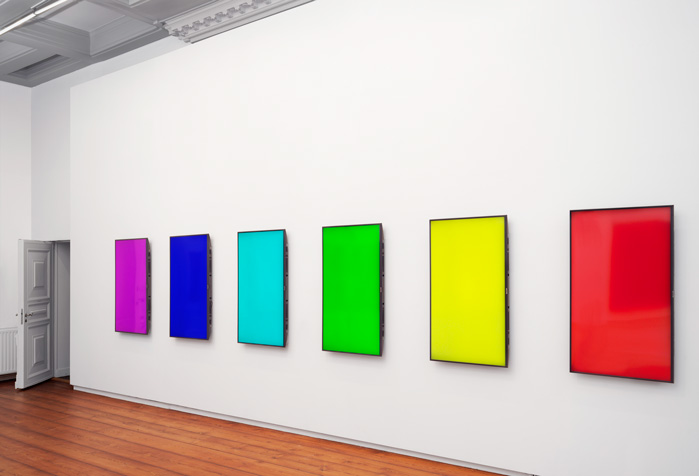
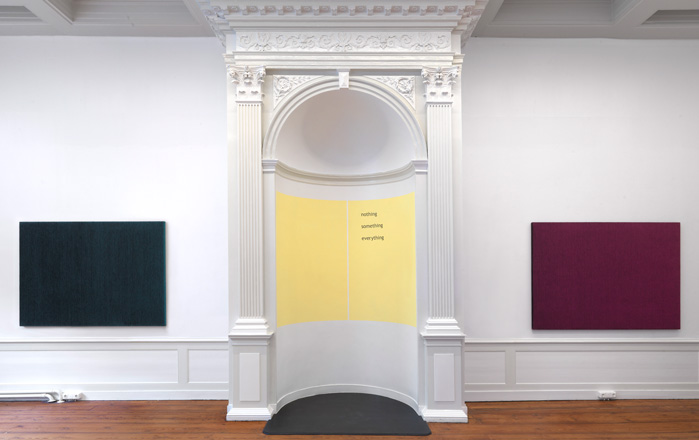
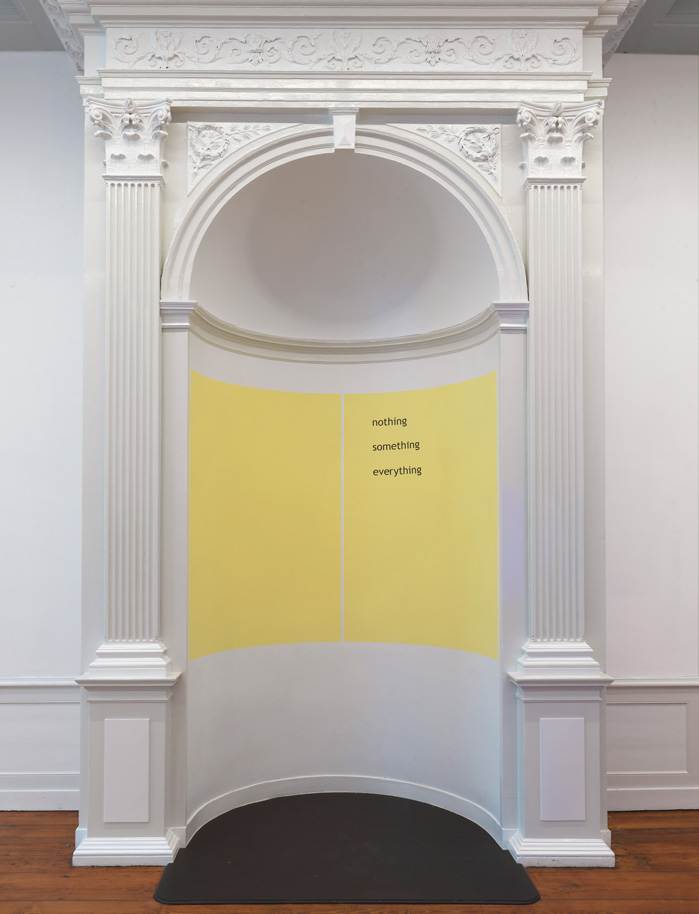
Discrete Objects
Upstream Gallery 2019
Photos by Gert-Jan van Rooij
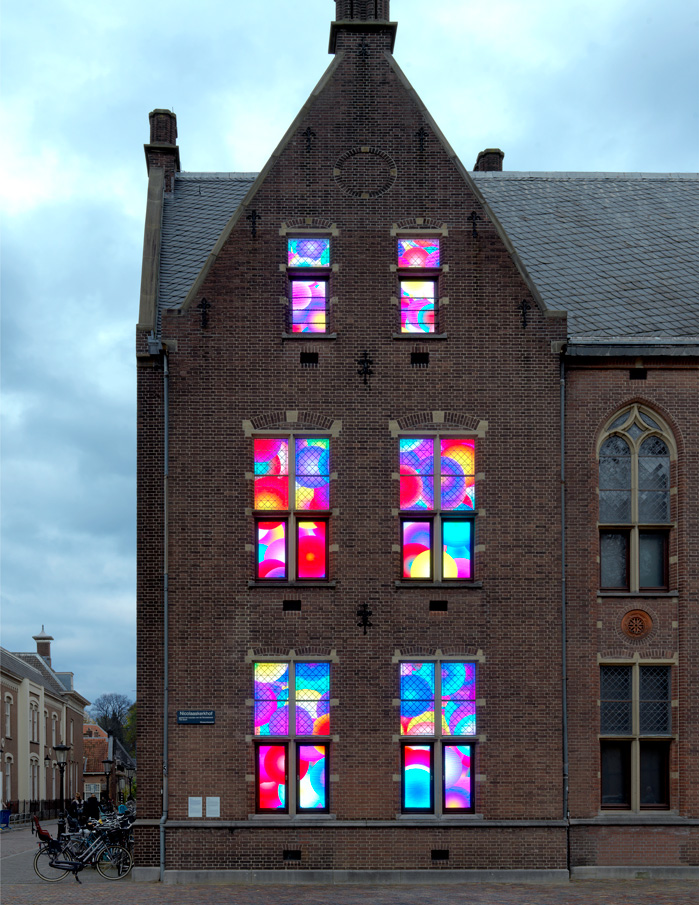
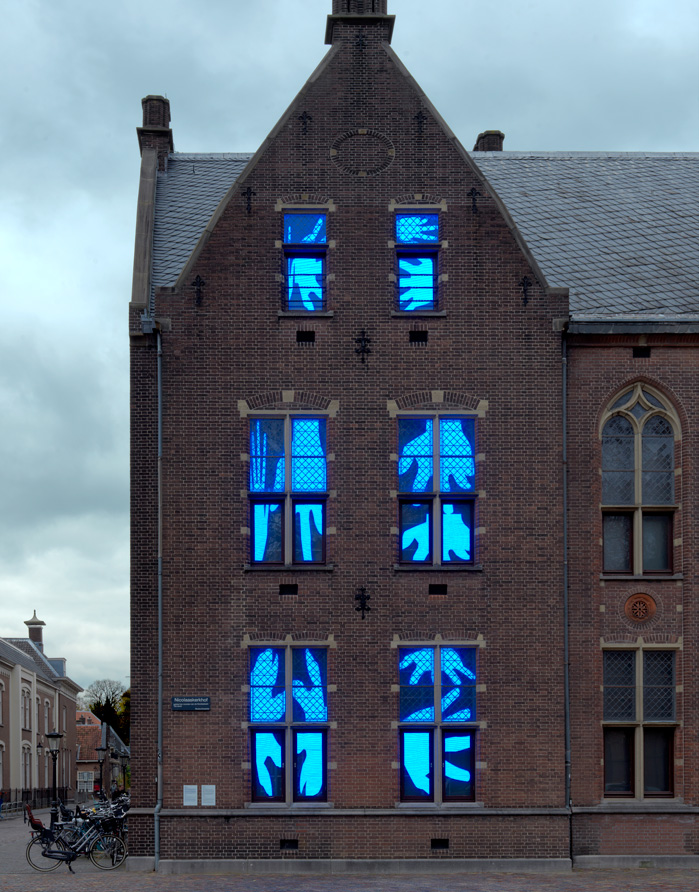
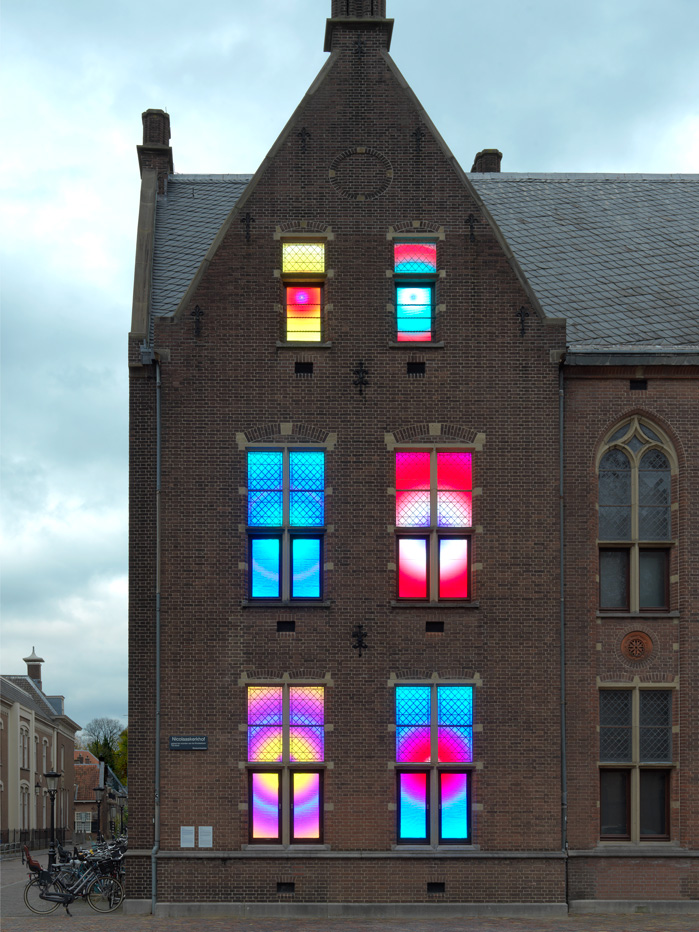
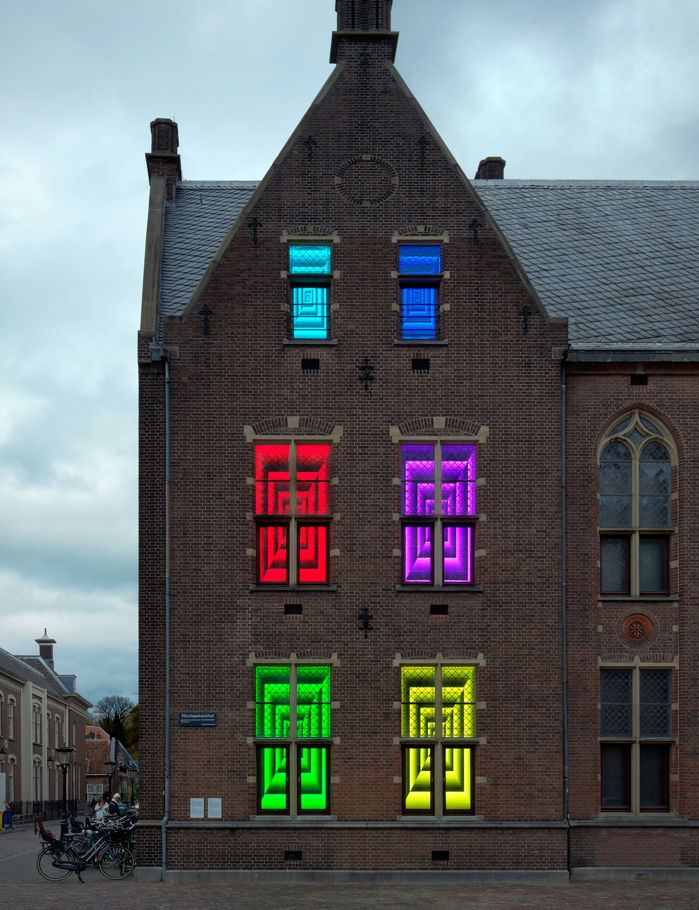
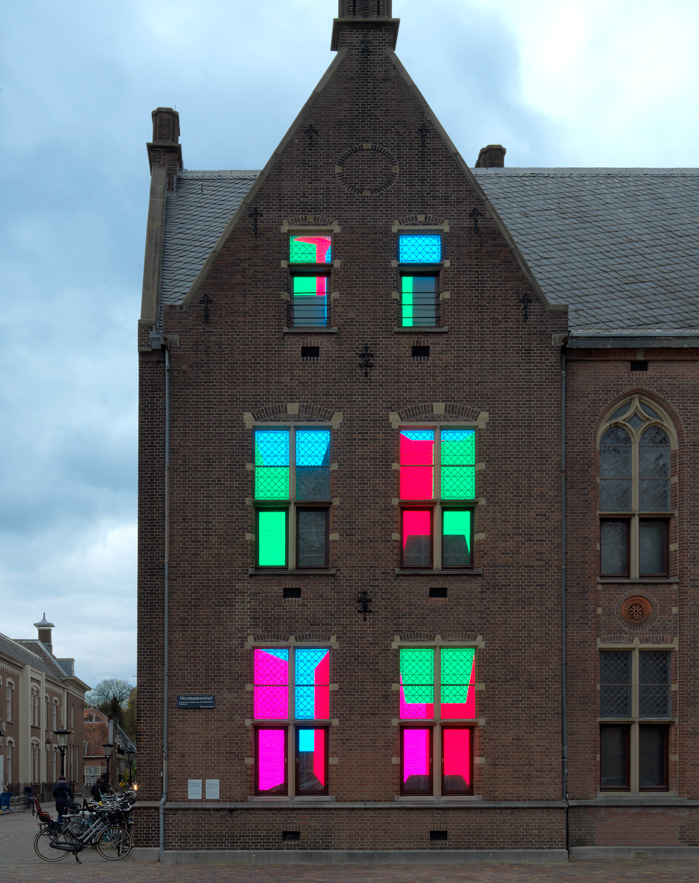
A selection of websites on the facade of Centraal Museum Utrecht
Curated by Bart Rutten
Photos by Gert-Jan van Rooij
first one
only one
no one
nothing
something
everything
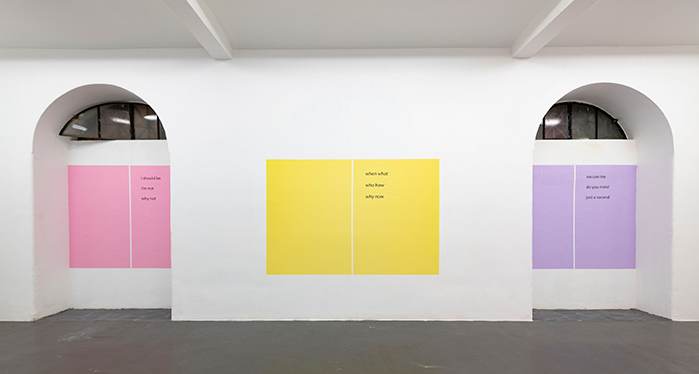
i know
i know
i should
when in doubt
throw it
out
i’m on a diet
for the rest
of my life
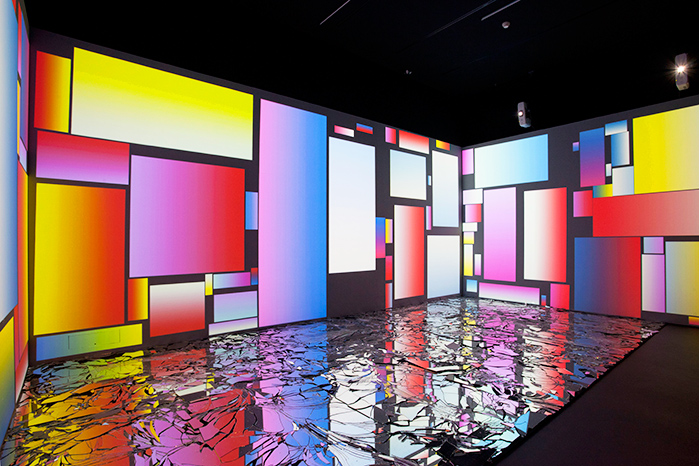
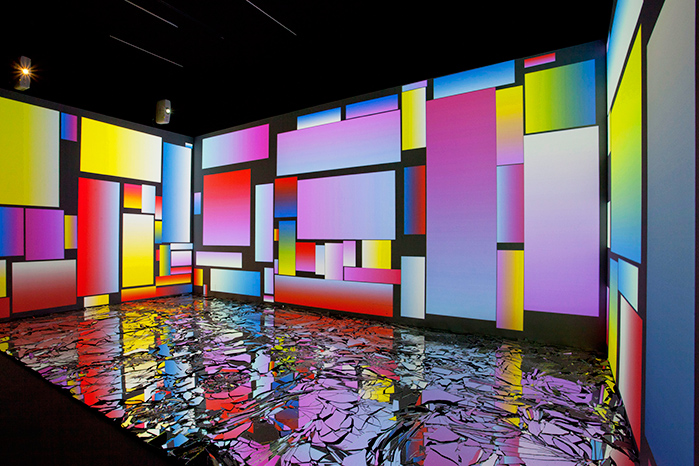
“Random Fear with Mirrors”
at the exhibition “Trouble in Paradise, collection Rattan Chadha”
Kunsthal, Rotterdam
Photos by Job Janssen & Jan Adriaans
if this
and or
why not
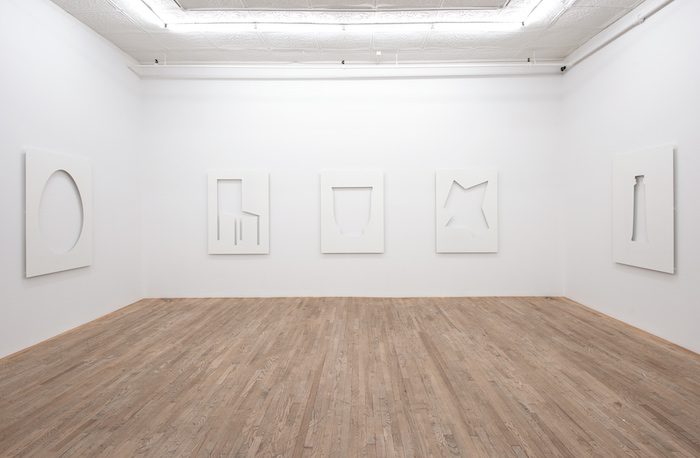
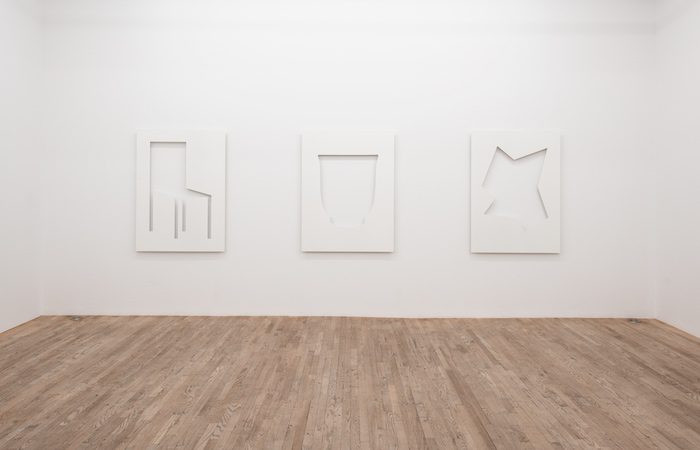
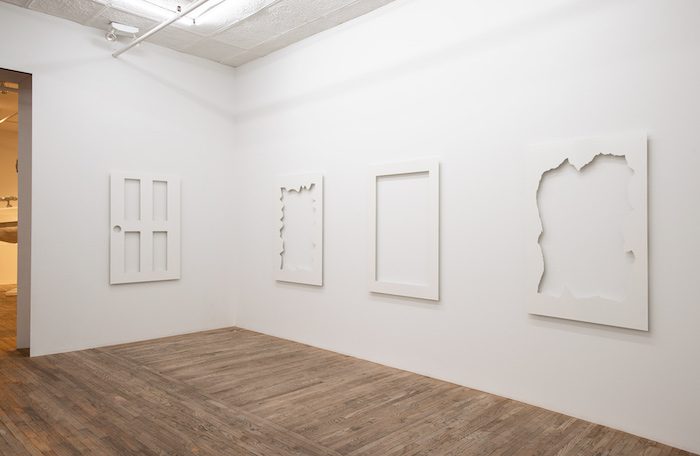
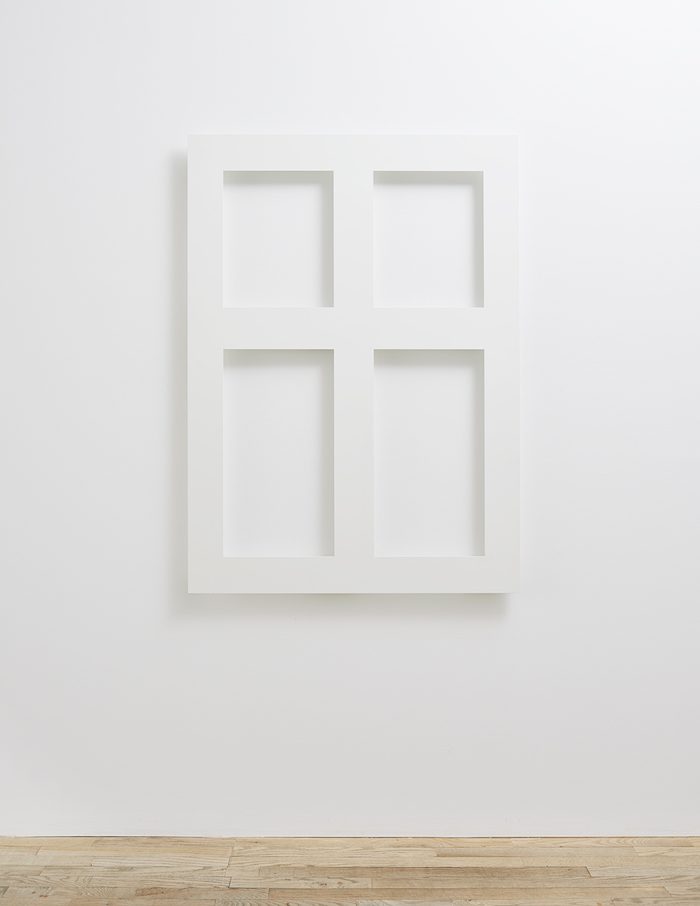
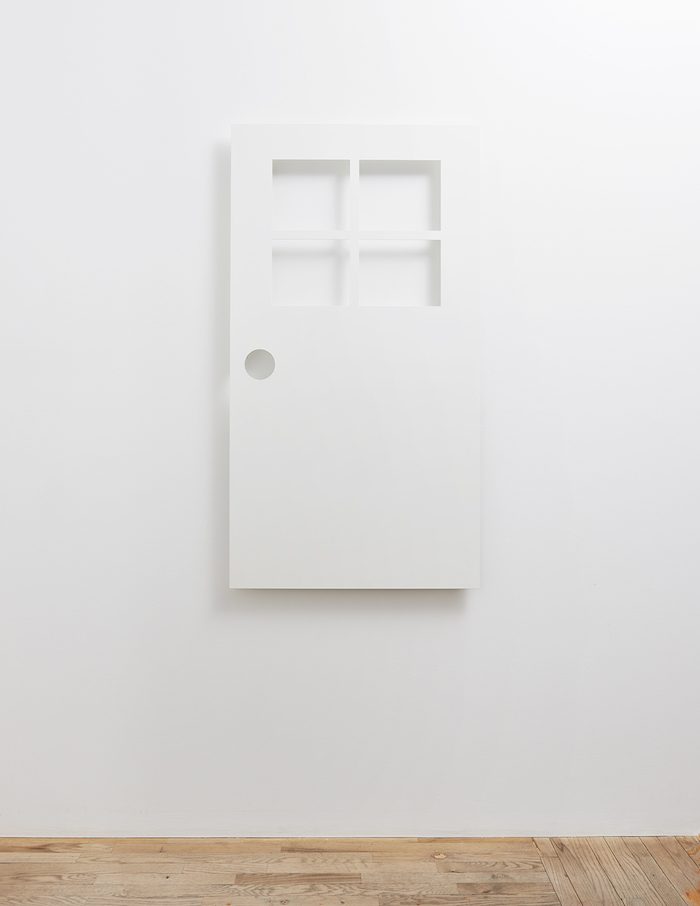
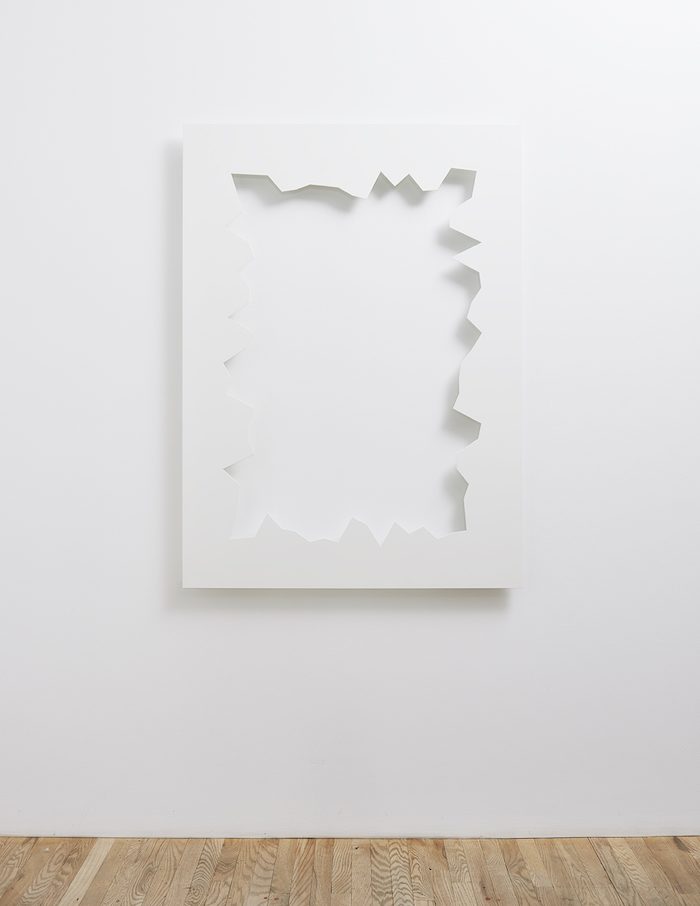
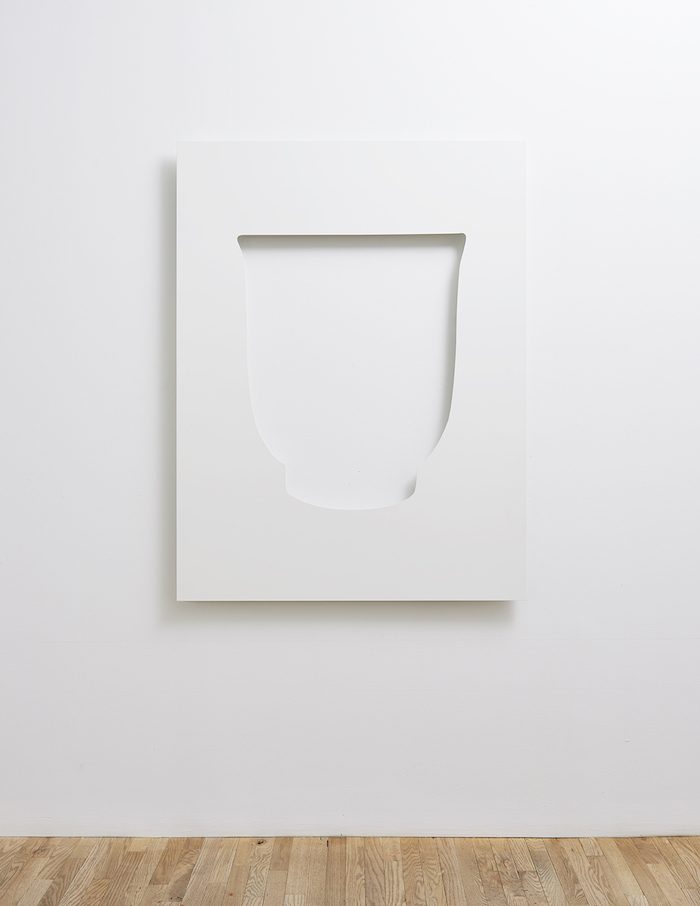
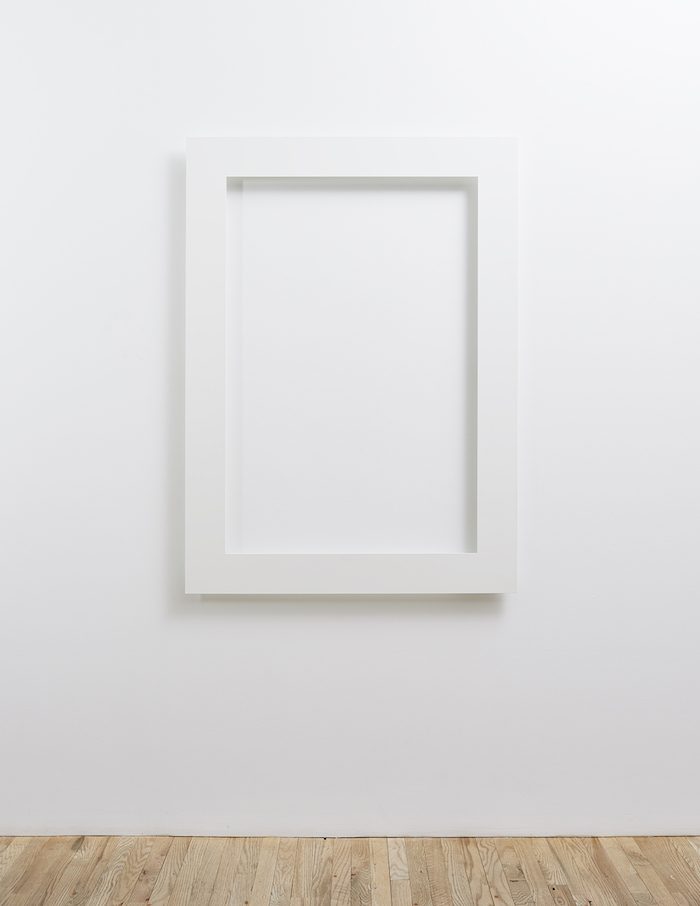
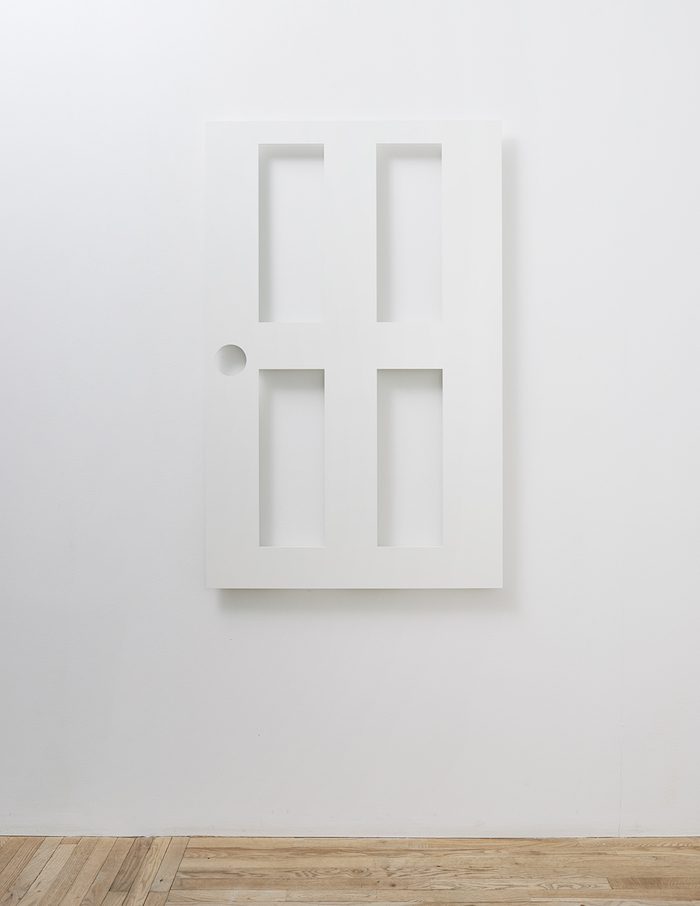
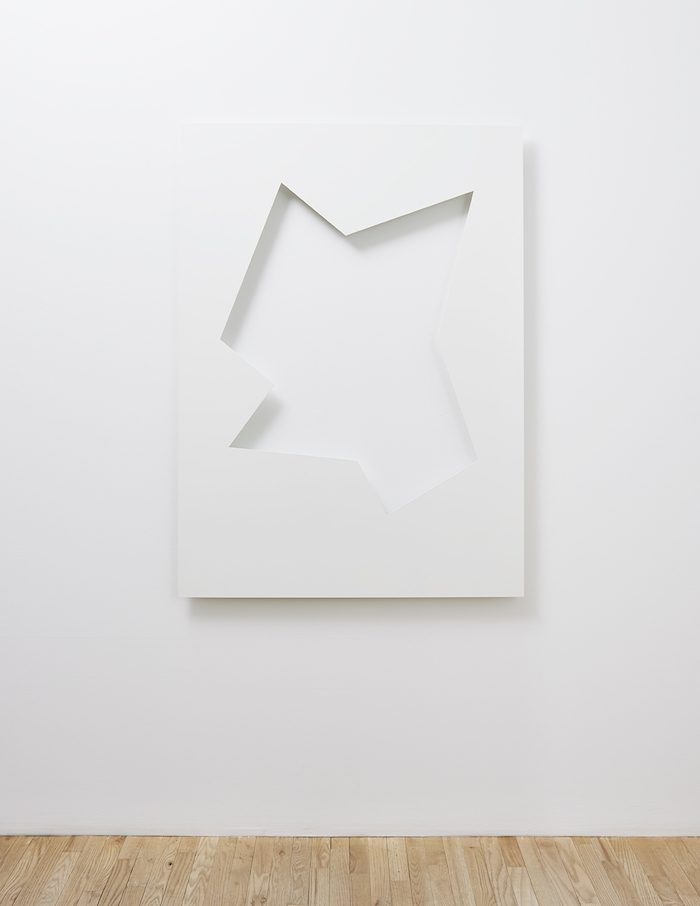
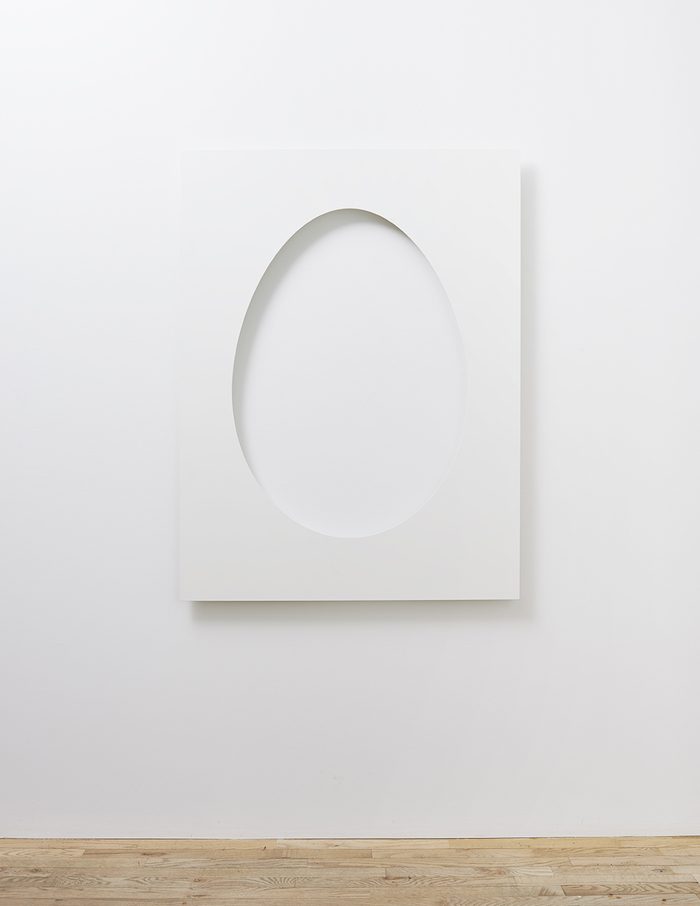
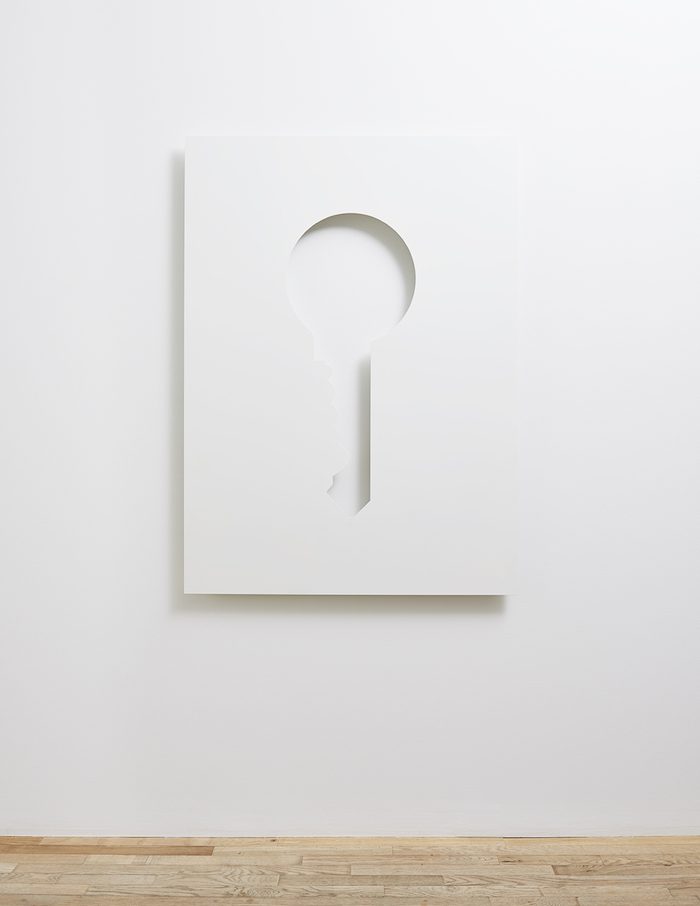
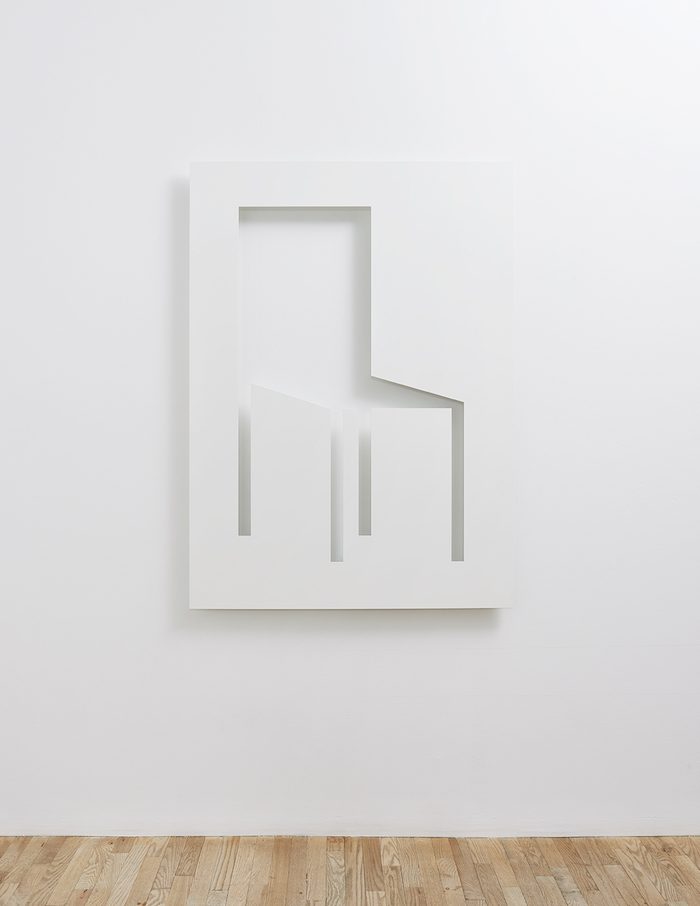
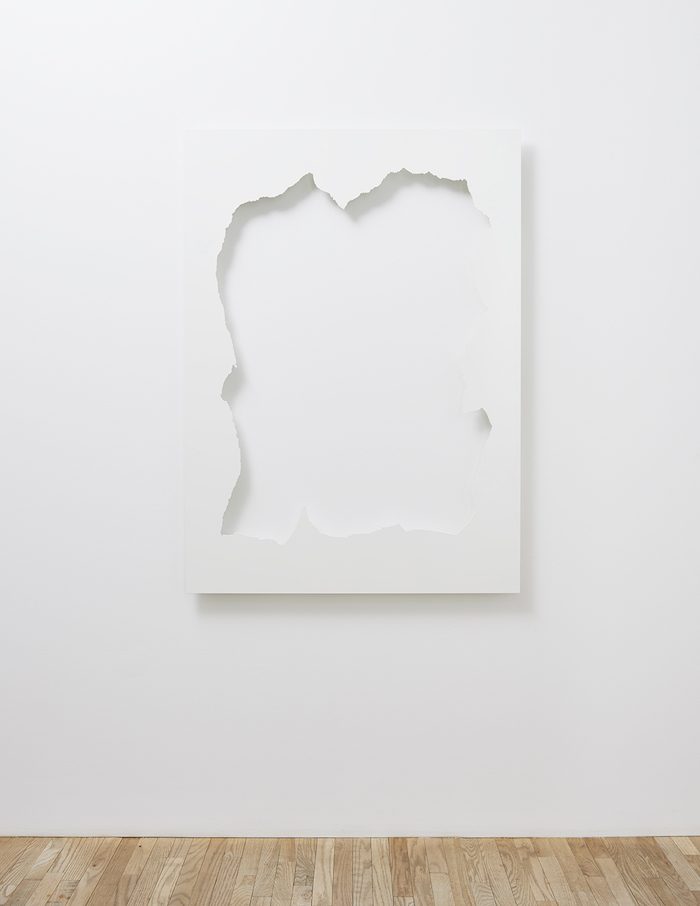
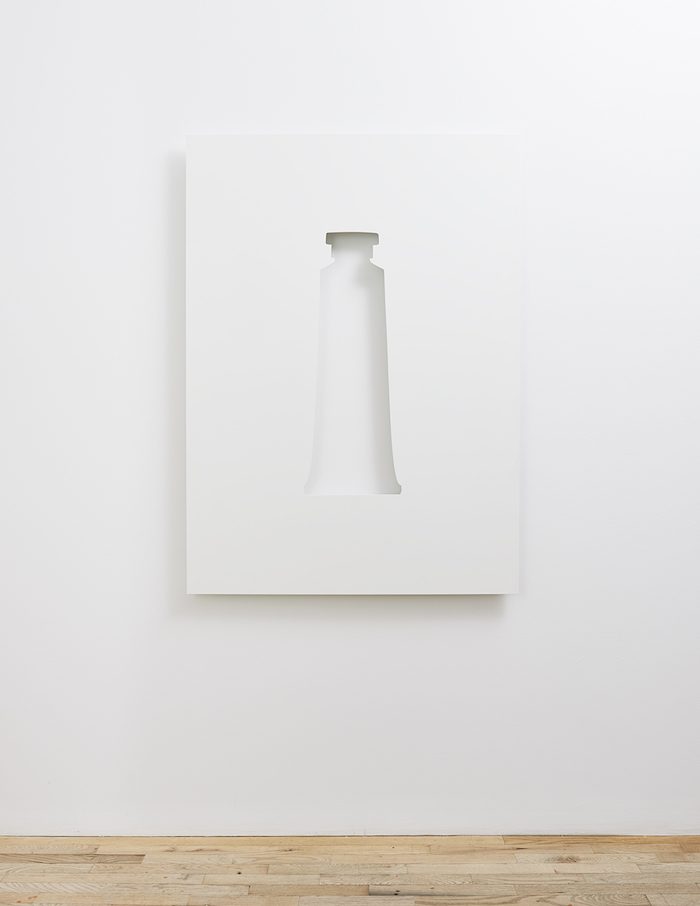
Don’t do too much
exhibition at Postmasters Gallery, New York
2019
Photos by Tamas Banovich & Kyle Knodell
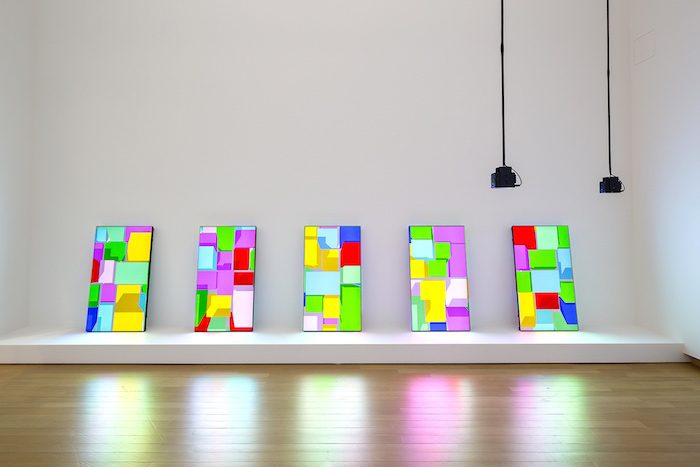
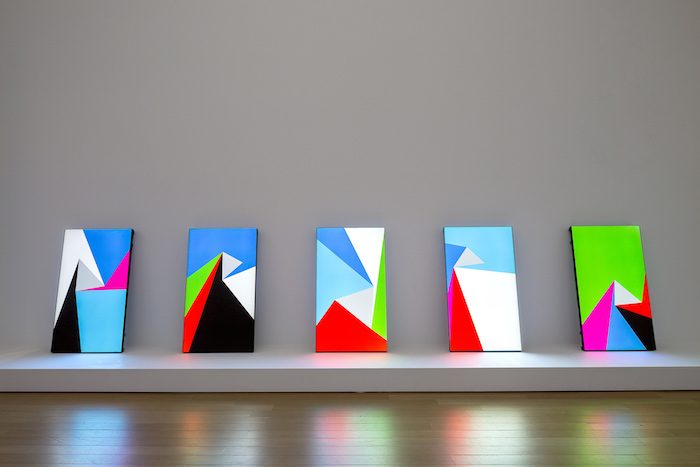
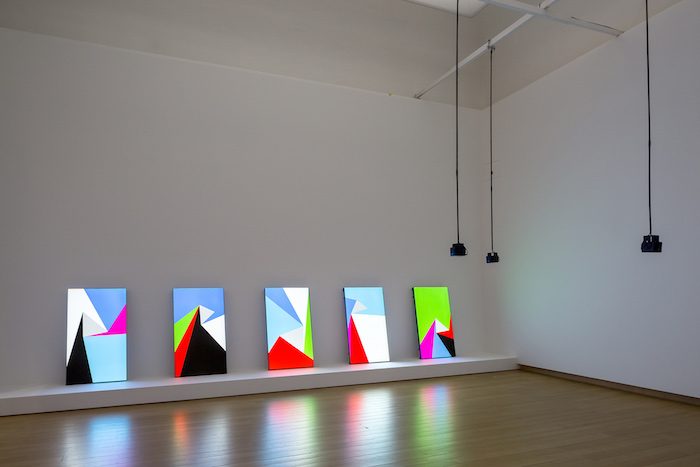
Freedom of Movement, curated by Karen Archey
Stedelijk Museum Amsterdam, 2018
Photos by Peter Tijhuis
tourists here
tourists there
tourists everywhere
will i use this
any time soon
probably not
i’ll do it
real soon
i promise
had to
have to
will do
when
soon
thanks
if you give me
all your money
you are broke
let me just
check that
for a second
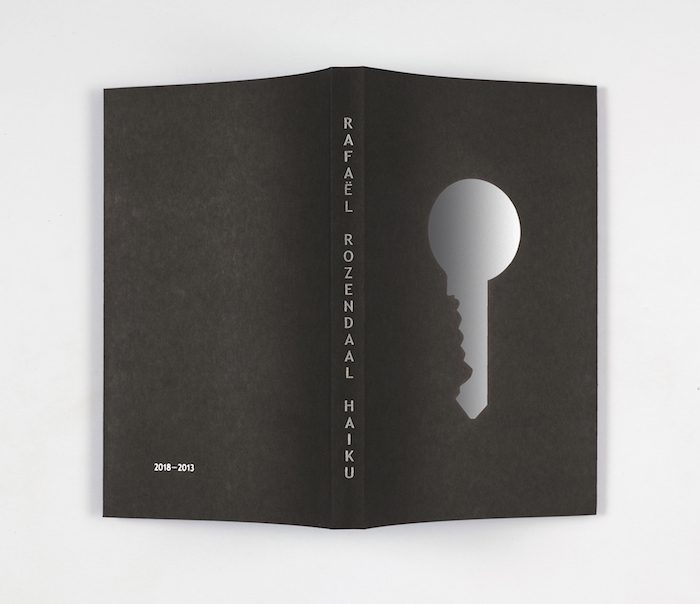
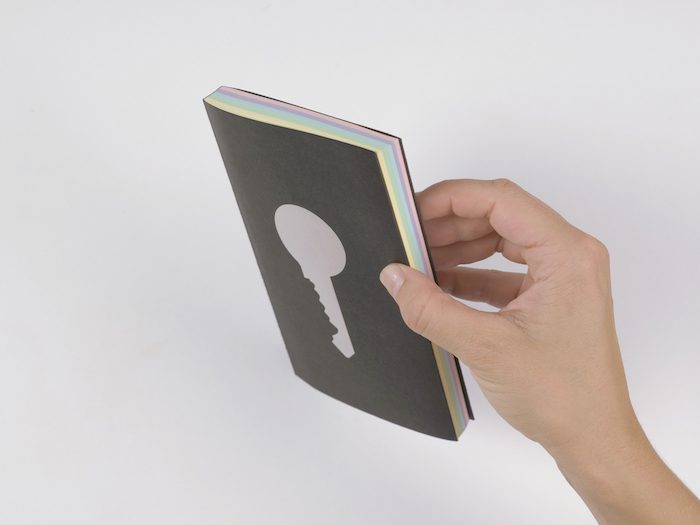
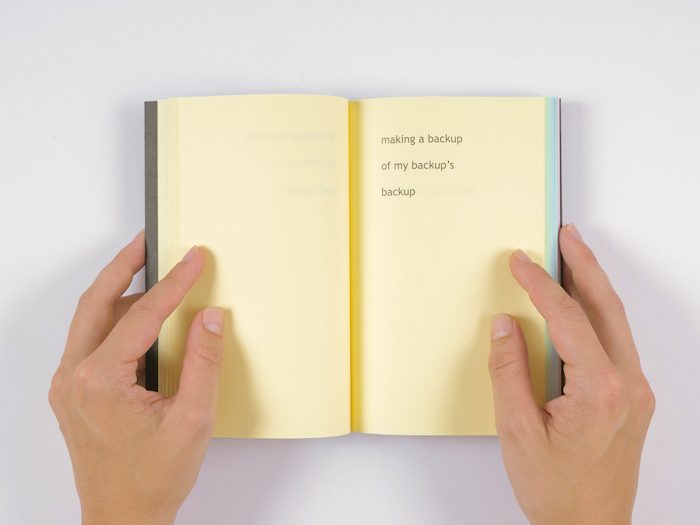
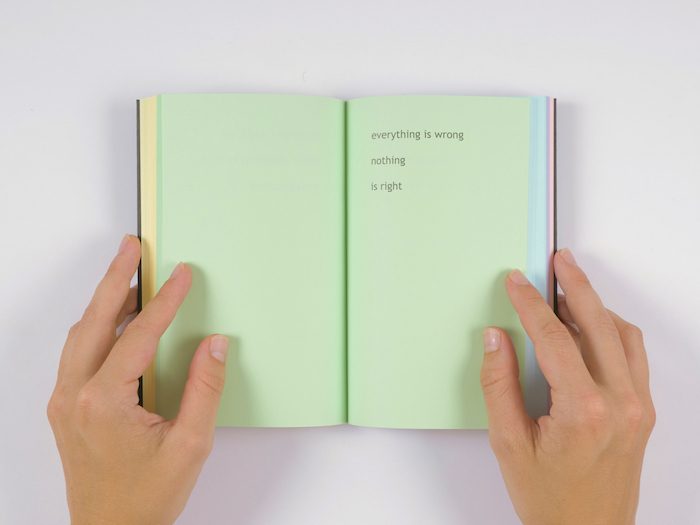
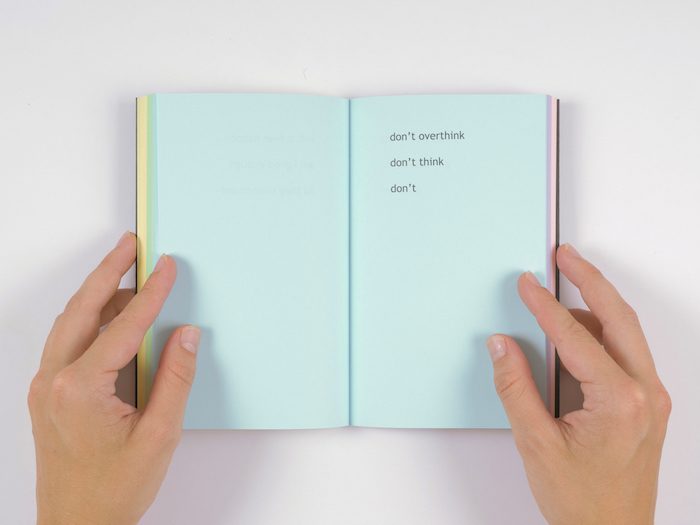
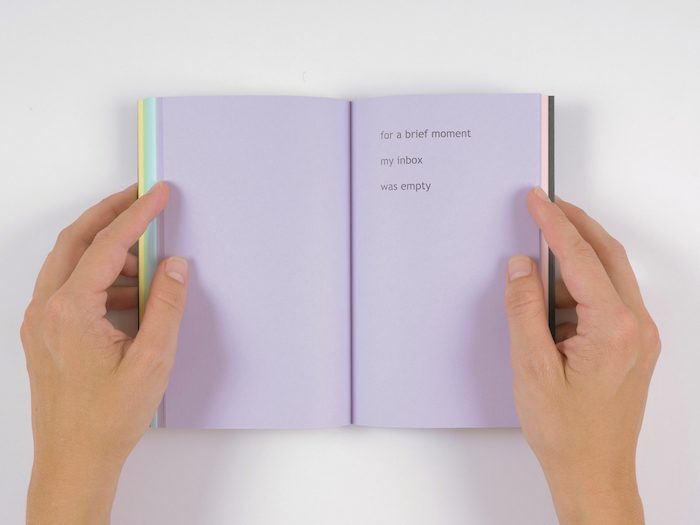
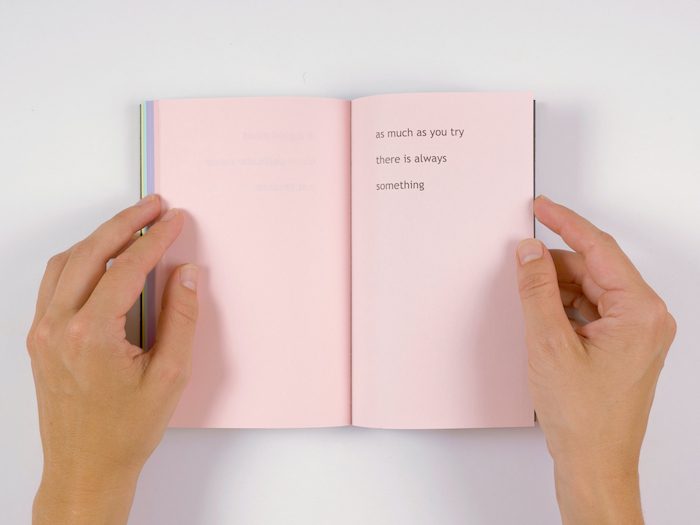
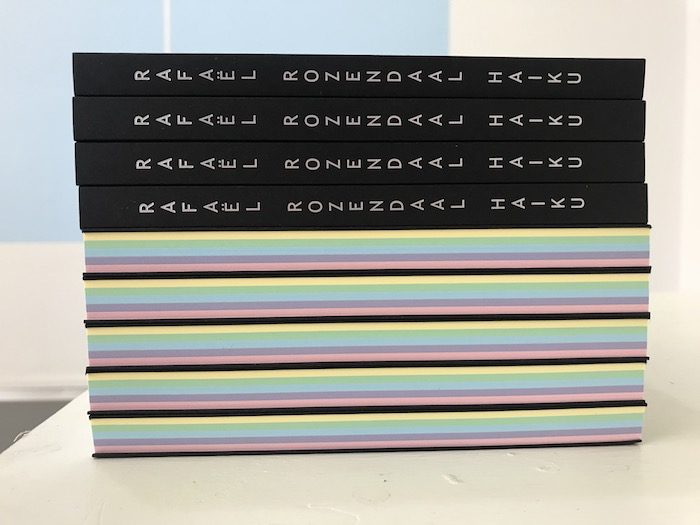
Haiku 2018 – 2013
Available at Spheres Publication
240 pages
10.8 × 17.5 cm
Dark grey softcover with silver foil print, Colored Paper
almost ready
almost there
almost done
be careful
something
or not
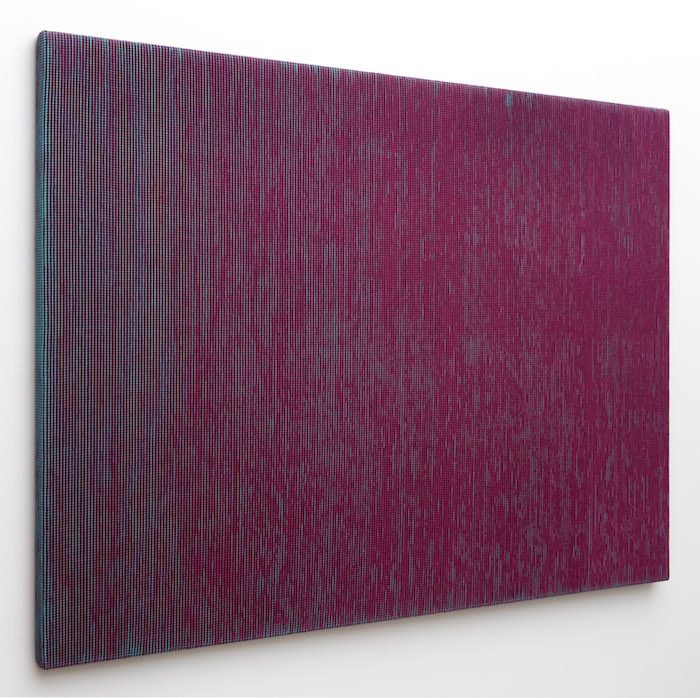
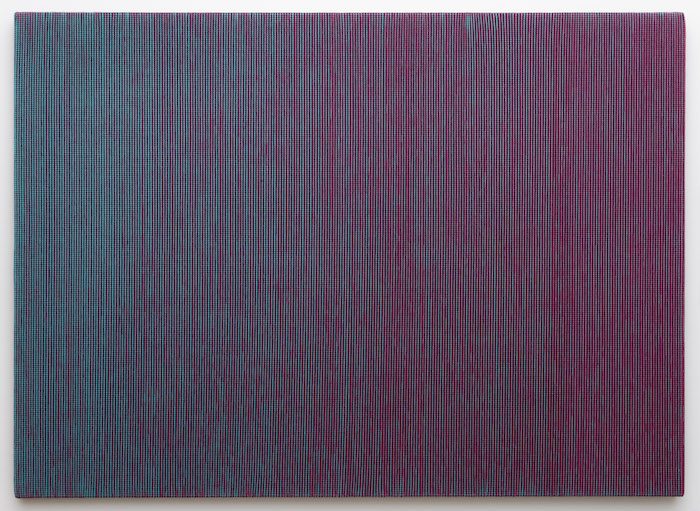
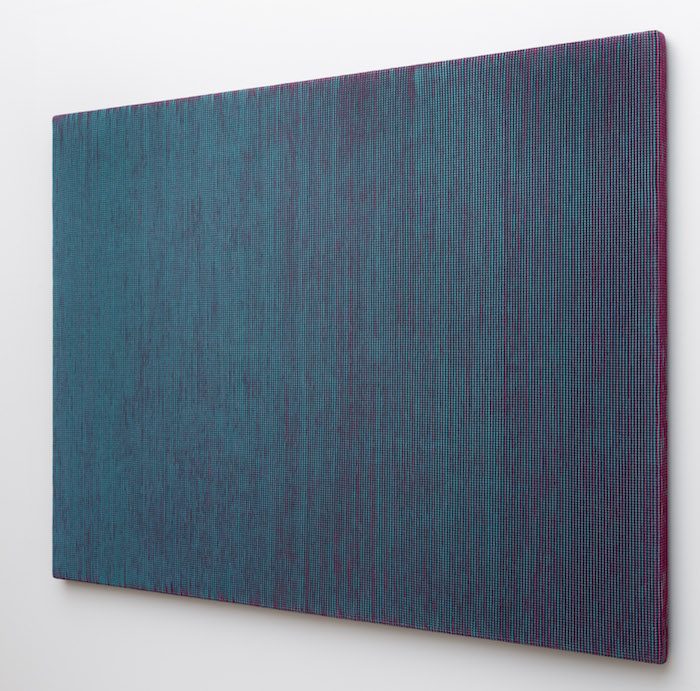
Near Next 17 08 01
Lenticular weaving (linen)
144 x 200 cm
Photo by Gert-Jan van Rooij
i hope
they like
this one
slowly realizing
comprehending
understanding
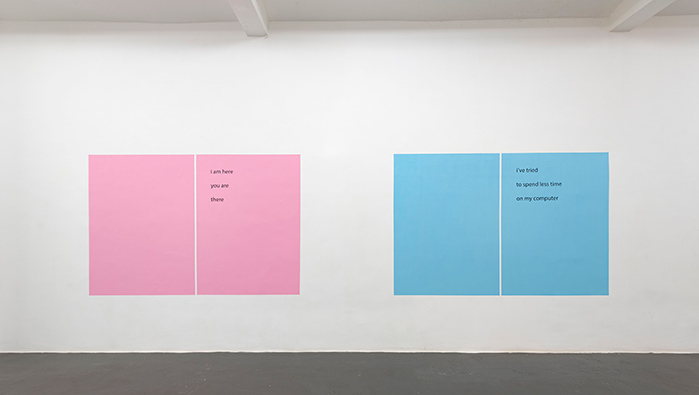
i am here
you are
there
this is
just
for you
not sure
what to do
right now
i hope
this finds
you well
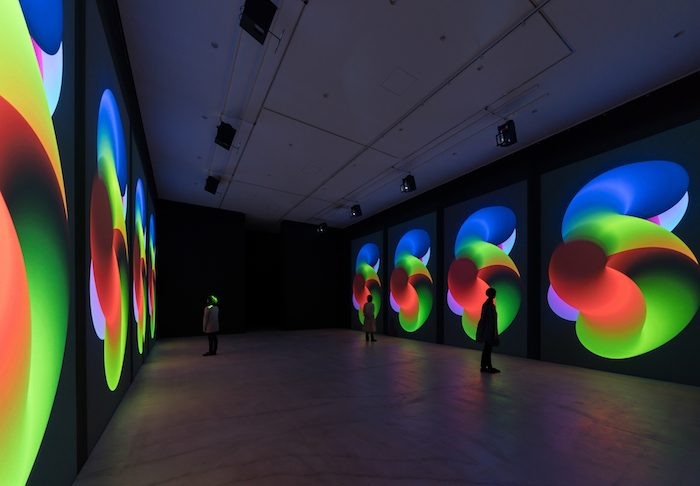
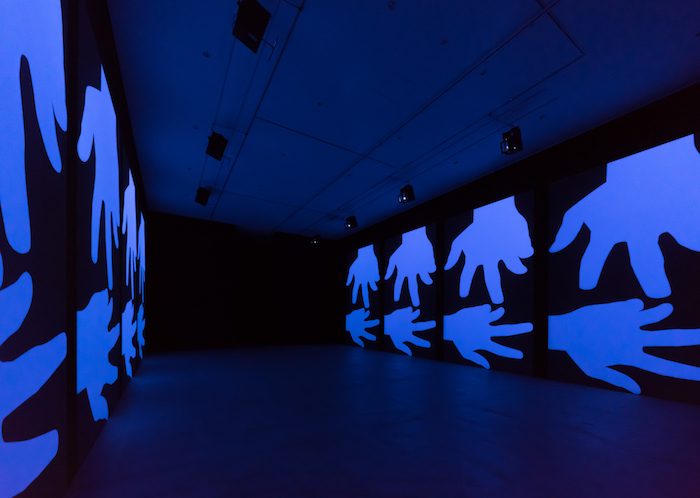
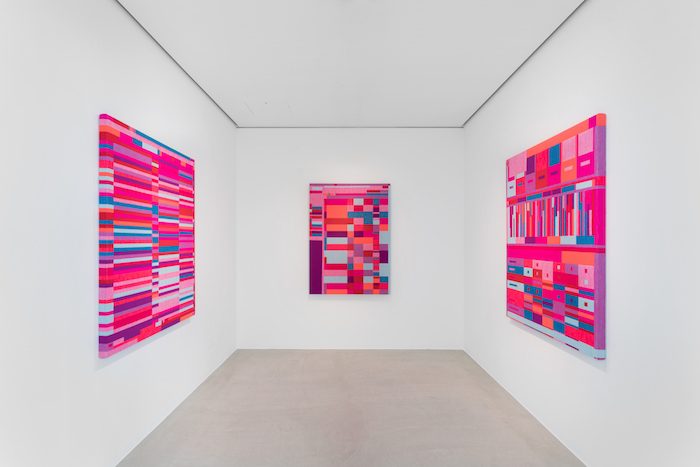
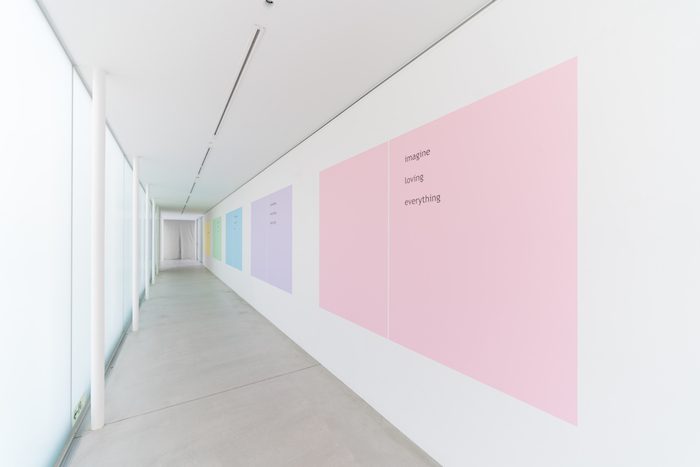
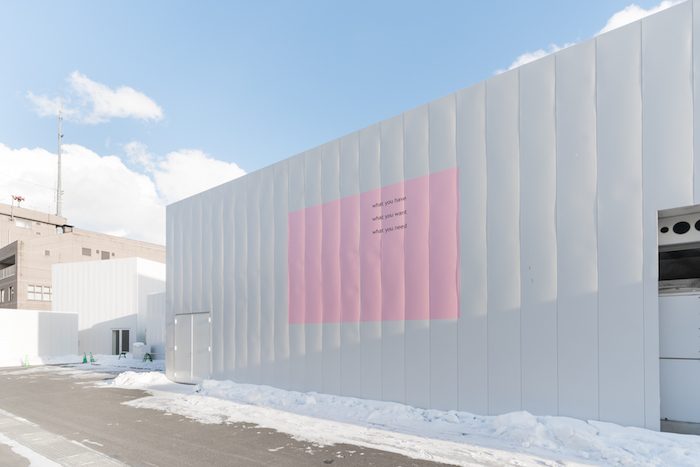
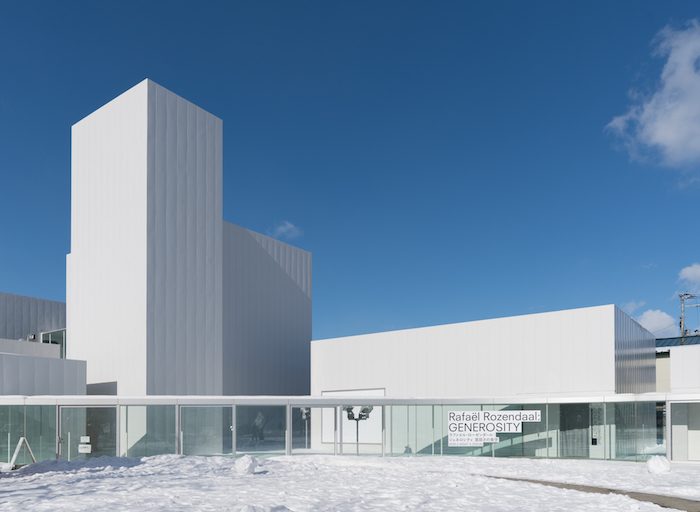
Generosity
Solo exhibition at Towada Art Center
Curated by Kodama Kanazawa
Photos by Kuniya Oyamada
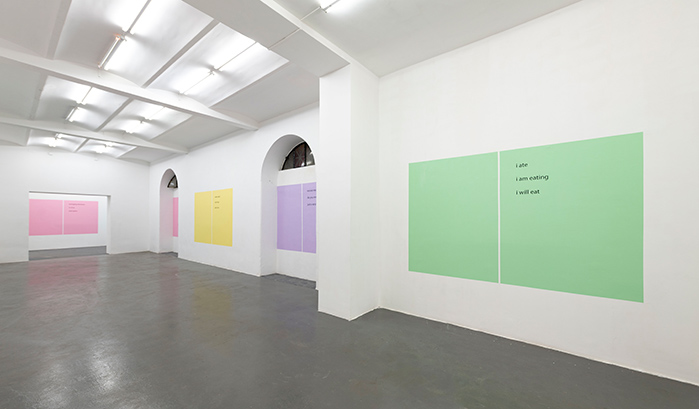
i ate
i am eating
i will eat
i had a headache
for a few hours
not any more
all i want to do
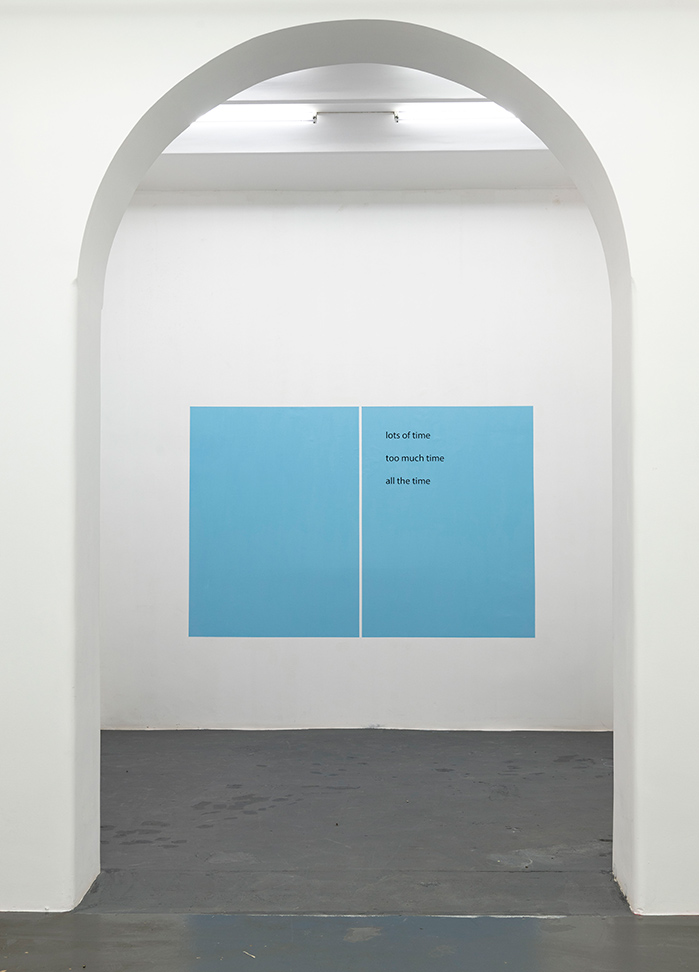
is spend more time
with you
if you have
too much money
i can help
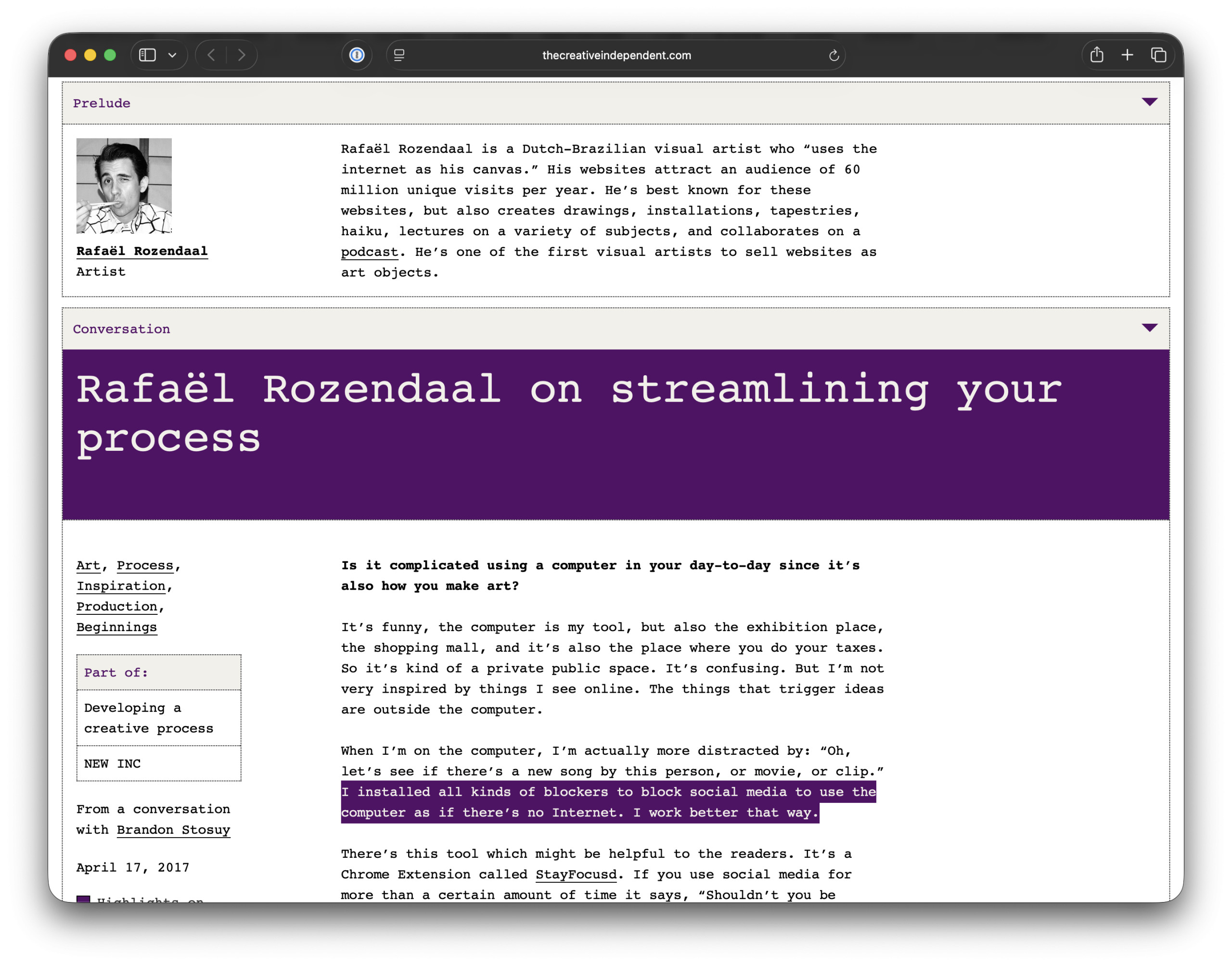
A conversation with Brandon Stosuy for The Creative Independent.
We talk about process and inspiration.
sad and angry
hungry and tired
lost and confused
how much
is
too much
the plural
of haiku
is haiku
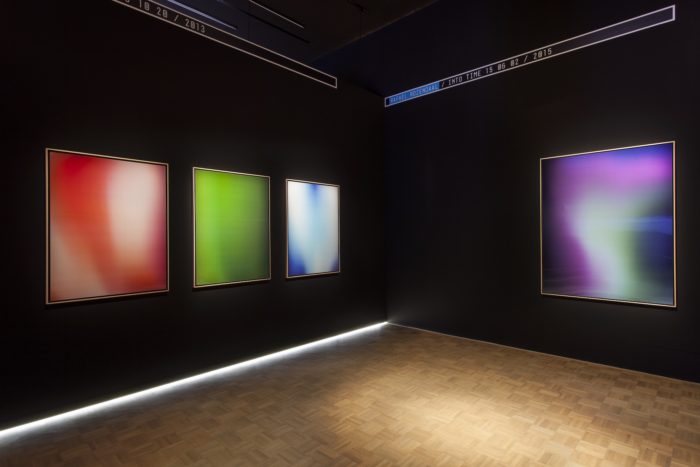
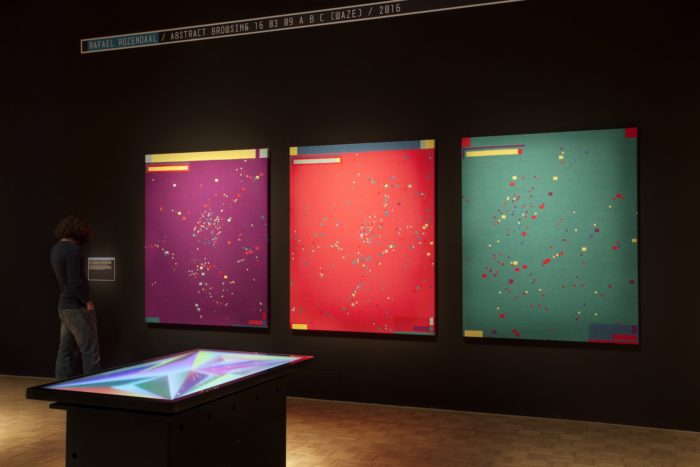
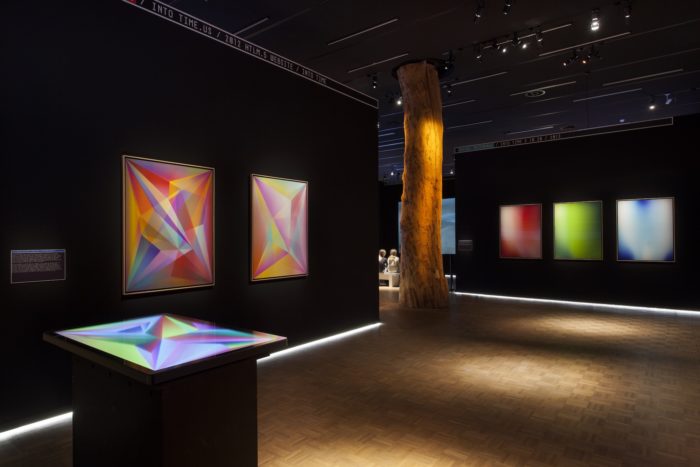
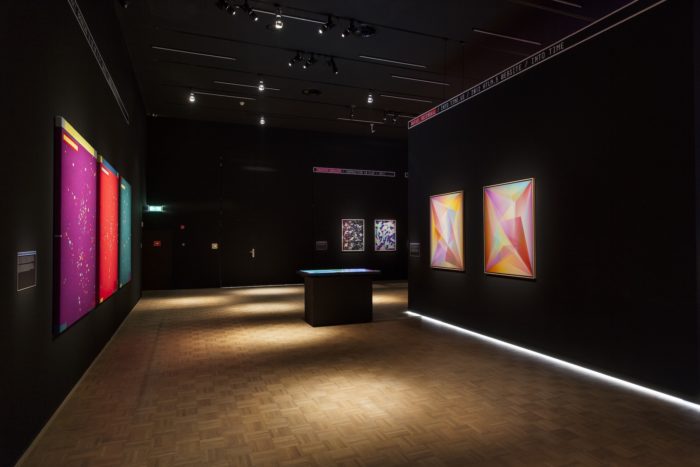
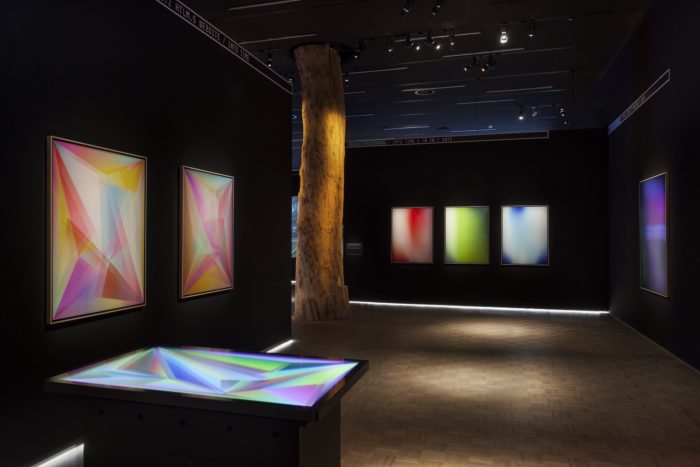
Human / Digital: A Symbiotic Love Affair
Digital Art From The Hugo Brown Family Collection
Kunsthal Rotterdam, 2017
Photography by Job Janssen
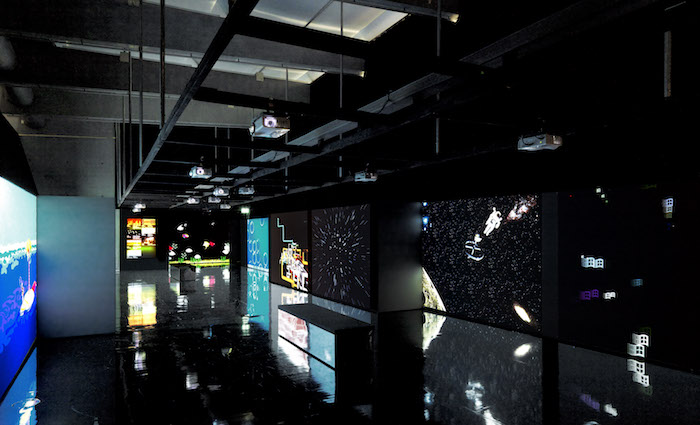
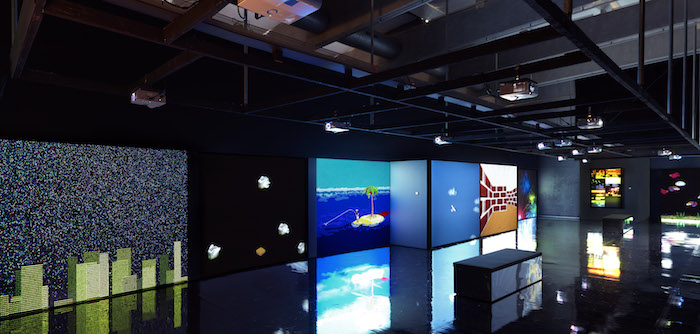
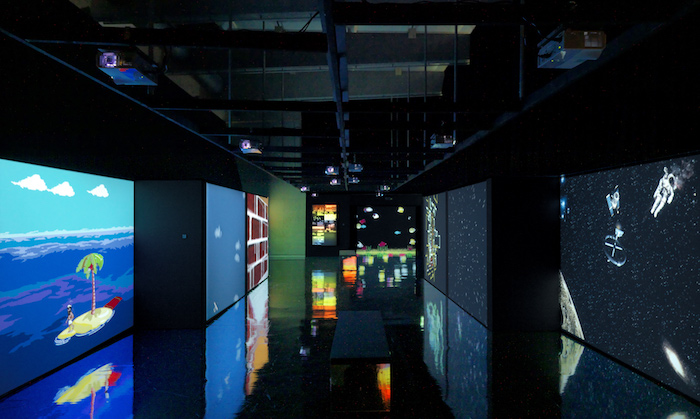
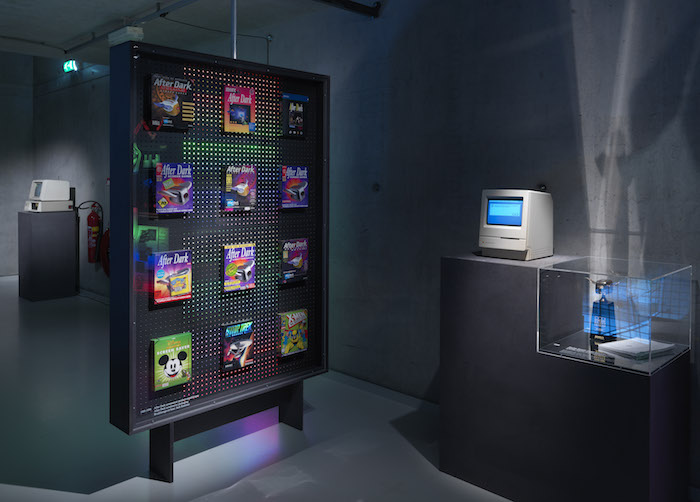
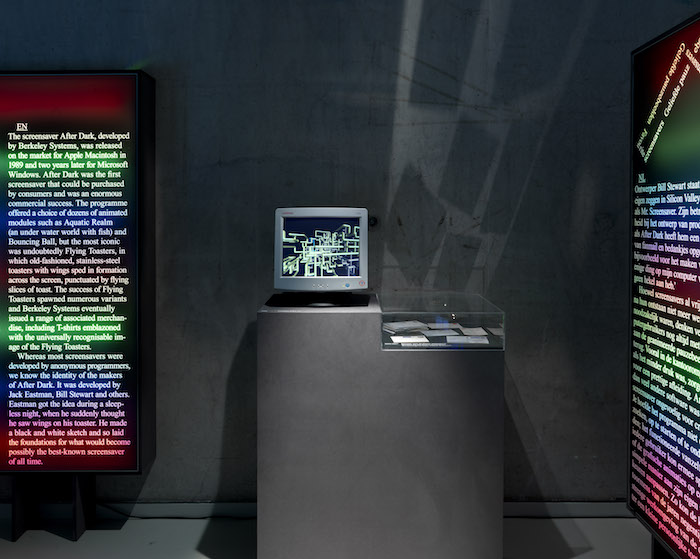
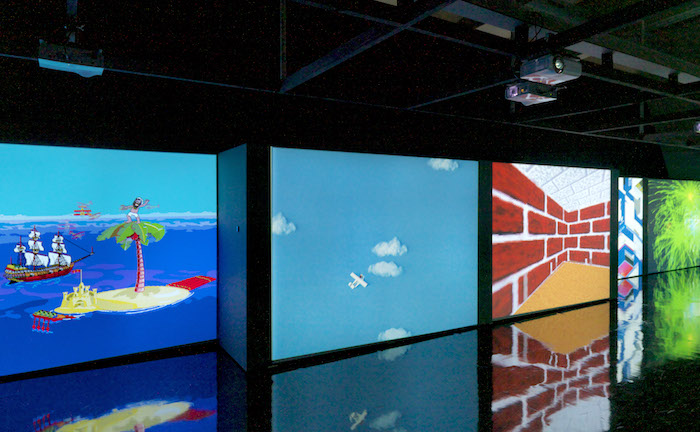
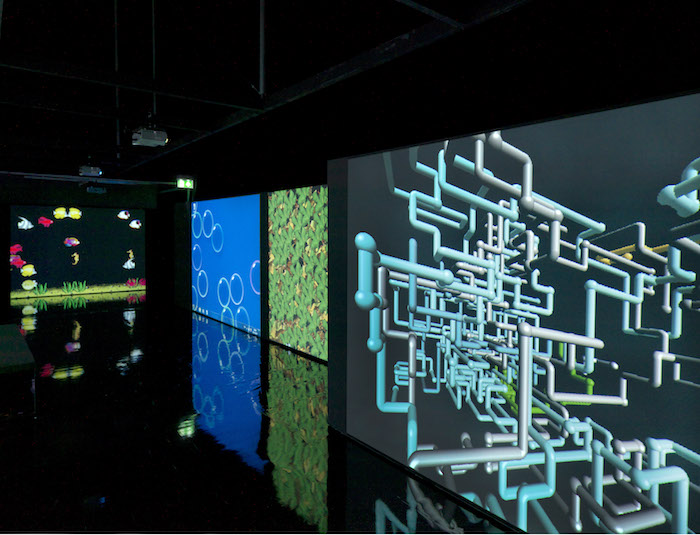
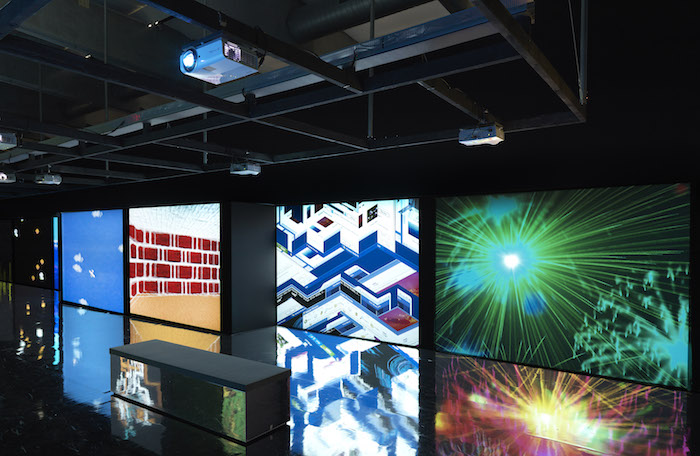
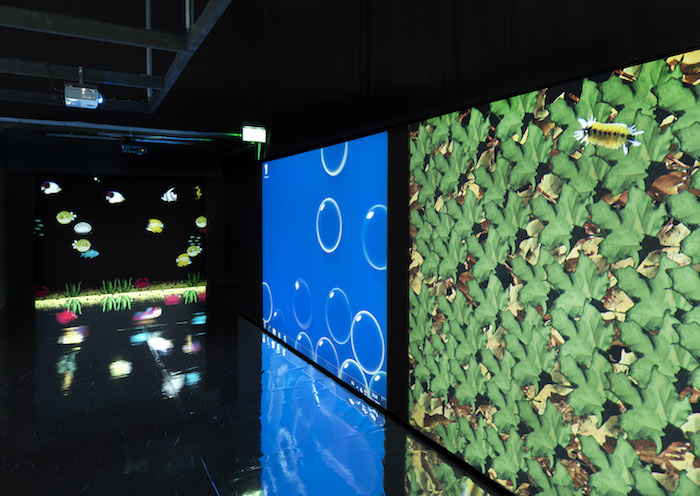
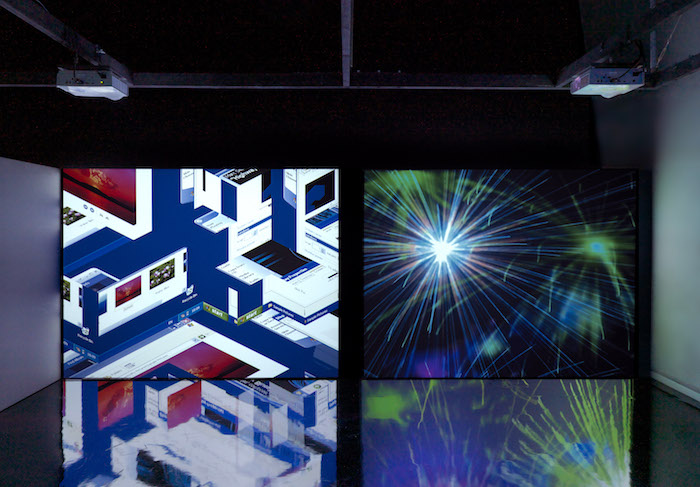
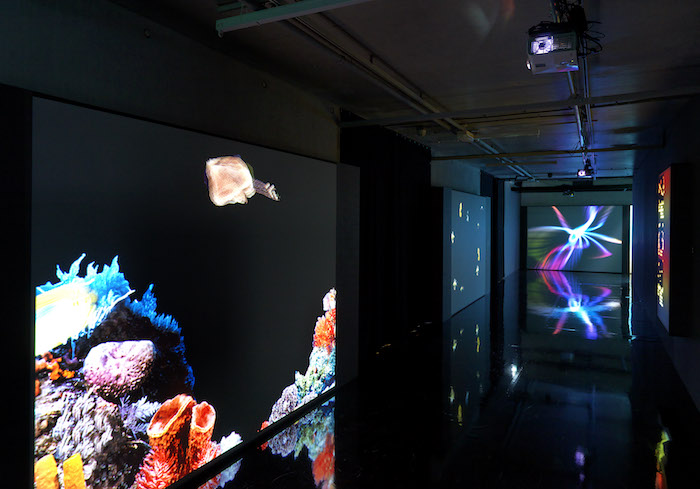
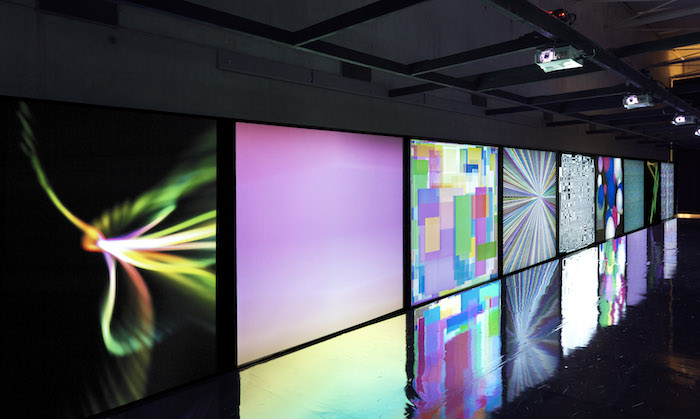
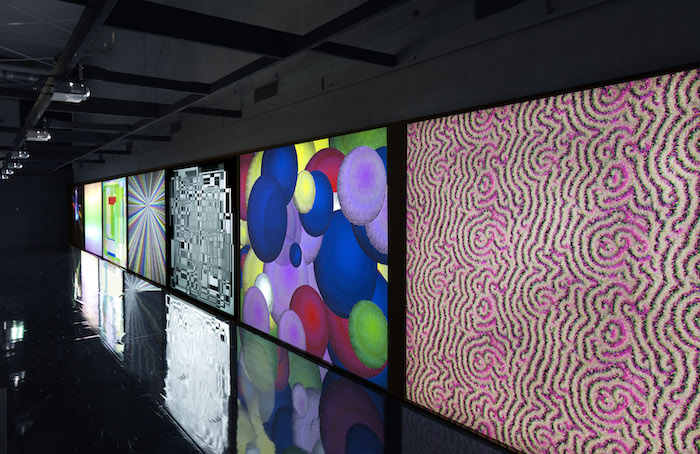
Sleepmode: The Art of the Screensaver
Curated by Rafaël Rozendaal
27 jan — 20 aug 2017
Nieuwe Instituut, Rotterdam
Photos by Gert-Jan van Rooij
i don’t really
want to do
that
not doing anything
in particular
at the moment
sit back
relax
the end is near