RR haiku 063
problems
not fun
sucks
problems
not fun
sucks
It lacks courage. It’s ugly. It’s conformist. It’s safe. It’s too easy. It’s decorative. It’s predictable. Deja vu. It’s obvious. It’s unoriginal. It lacks vision. It lacks emotion. It’s too emotional. It’s too personal. I don’t connect with it. It doesn’t surprise me. It’s dry. It’s pedantic. It’s too logical. It doesn’t make any sense. It makes too much sense. It’s repulsive. It’s nauseating. I hate it. More of the same. No innovation. It looks like vomit. It hurts my eyes. It makes me sad. It’s ignorant. It’s primitive. It’s banal. It’s too glossy. It’s too polished. It needs polishing. It lacks technique. It doesn’t do anything for me. It’s trendy. It won’t last. It’s fragile. It confuses me. It’s design. It’s theater. It’s illustration. It’s an effect. It lacks depth. It’s cold. There’s no content. There’s no concept. Too conceptual. It’s too pretty. There’s no narrative. It’s boring. It’s clumsy. It’s too much. It’s elitist. It’s populist. It’s crap. It’s not art. It’s too artistic. It’s vile. It lacks poetry. I don’t believe in it. It’s empty. It’s awful. I can’t stand it. I never want to see it again. It’s vulgar. It’s retarded. It’s a cliche. I’m disappointed. It’s racist. It’s sexist. It’s classist. It’s nerdy. It pisses me off. It’s too heady. It’s too smart. It’s not gonna go anywhere. It’s academic. It’s dead. It’s irrelevant. It’s not contemporary. It’s uninteresting. It doesn’t have any meaning. It’s too commercial. It’s tacky. It’s a scam. It’s miserable. It’s exploitative. It’s negative. It’s fake. It’s not critical. It’s not aware. It’s too ironic. It’s appalling. It’s derivative. It’s annoying. It’s atrocious. It’s naive. It’s immature. It’s childish. It’s insufferable. It’s lazy. It’s convoluted. It’s contrived. It’s bloated. It’s unnecessary. I don’t trust it. I don’t get it. Whatever.
i wish
i could make a living
from writing haiku
I have always been interested in the space between painting and animation. The concentration of painting, the liveliness of the moving image. I operate in the area between those two.
Our relationship with the moving image is changing. They surround us, a bit more every day.
I imagine we will live in a world where there is no difference between a screen or any other surface. Any surface can change at will.
It is this feeling, or expectation, that drives me to create moving images.
what you have
what you want
what you need
now
later
too late
green tea
in a white cup
with a blue line
sun rises
sun sets
repeat
thank you
for reading
this
hopefully, one day
i will make something truly
amazing
waiting
waiting
waiting
love
money
beach
a calm fire
almost
at its end
so far
so good
so very good
guess what?
i’m working
on my computer
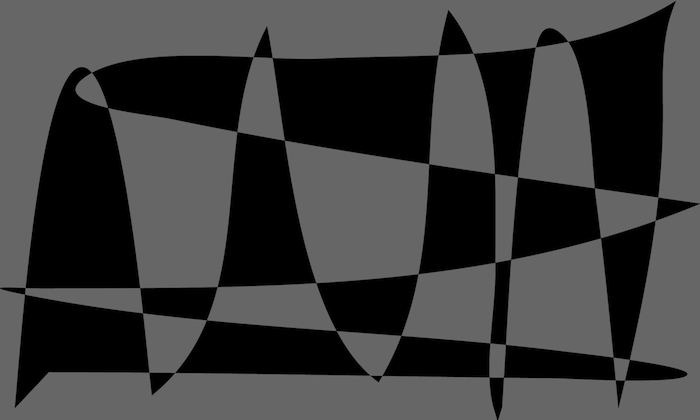
Over the years my work became more abstract. I have no idea why. I have no idea because I have no idea what I’m doing in general. The heart wants what it wants.
An abstract work is a thing, not a picture of a thing. I like both things and pictures of things. Lately I have been making more things than pictures. But it might change in the future. Who knows?
A change of direction is a change of emphasis. There are no absolute directions. There’s always some figuration and there’s always some abstraction.
I follow my interests. I do whatever is most interesting to me at that moment. I don’t have a plan. I’m wandering. I am not in control of my interests. Just think about it… what interests you? Why are you interested in something? Why not something else? I can’t decide where my mind wanders. It would not be wandering if I decided where to go. Wandering is wonderful. You’re just moving around. Not moving to get anywhere, just moving to be in motion.
I like it when I’m somewhere and I’m not thinking too much. Just observing, not making any decisions. Kind of bored and staring at something, looking around, until something presents itself. These moments are the starting points of my work. Whether the work is abstract or figurative, they come from the same “state-of-mind”.
I’m interested in the space between Almost Nothing and Hardly Anything. Something non verbal, sub conscious, non intelligent, not-thinking-too-much. The ideas have no intention other than wanting to exist. Something that exists just because it wants to exist.
the space between
almost nothing
and hardly anything
from here
to there
and back
the most important thing
in life
is oxygen
cursor
blinking
waiting
without technology
we would not be
very human
i never thought i would say this
but i’m starting to like
living in new york
click click
tap tap
swipe
we all want
that special
something
from torment
to anguish
and agony
for a very brief moment
absolute
silence
sweet dreamy fluffy pretty
jiggly fuzzy tender yummy
gentle happy cuddly cozy
out of nowhere
a sudden, unexpected
sadness
that’s not true
that’s what
you remember
the future
is
uncertain
country road
duck crossing
cars waiting
the funny thing about money
it makes you do things
you don’t want to do
last day of summer
train leaving new york
more people than seats
everything
always
everywhere
morning swim
an empty beach
water calm and clear
farts
will always
be funny
life is easy
i’m safe
for now
i’ve never been to iceland
i hope it’s as amazing
as i imagine it to be
once again
staring
at a screen
yes
maybe
no
on a computer
you can truly
delete something
time is passing
right
now
global warming
every time i breathe
it gets worse
a new day
no plans yet
what to do
a thick grey fog
blending city
and sky
everything
you see
is in the past
summer in new york
please
make it stop
going home
to see christina
smile on my face
waiting for an idea
it’s not here yet
still waiting
a room, almost empty
just a table
and a chair
i try not to worry
but sometimes
it’s just too strong
nothing urgent
just saying hi
no big deal
the smell of pancakes
with apple
and cinnamon
that wonderful place
somewhere between
boredom and stress
storm is coming
dark and loud
no rain yet
is it good
is it bad
at least i tried
not too much
not too little
just right
sent an email
still no answer
what’s wrong?
at the beach
under a big umbrella
staring at the sea
money
more is better
some is ok
in a good mood
for no particular reason
just because
as much as you try
there is always
something
waking up
excited about
breakfast, lunch & dinner
a great idea
wait for it
it’s almost here
computers
should make life
easy
all this stuff
i want to get rid of it
but i can’t
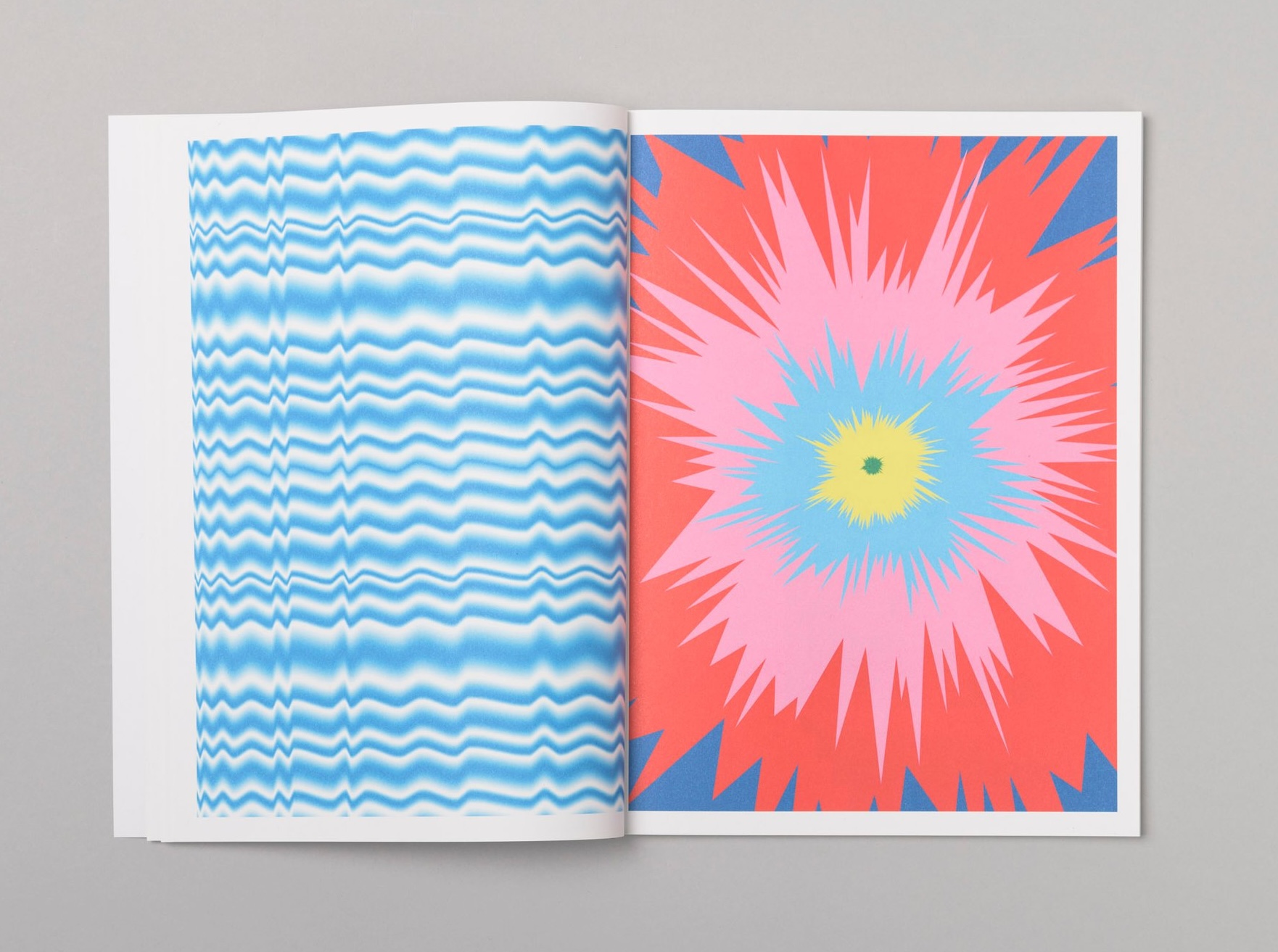
The following conversation was re-published from the book Spheres by Swiss graphic designer Philippe Karrer. Jürg Lehni and I discuss our shared interest in vector graphics, which are based on mathematically-defined geometrical entities such as lines, circles, and points, in contrast with more commonly used bitmap graphics, in which values are assigned to grids of pixels.
Rafaël Rozendaal: Vectors are based on mathematical equations. The equations are perfect. No matter how we try, we can never render a perfect circle in any medium. And even if we did, our imperfect eyes would not be able to register its perfection. Do we have to accept that such shapes can only exist in our mind?
Jürg Lehni: What a start of a conversation! This distinction between the abstract mathematical formulation of geometric shapes, and their realization into concrete, physical forms is pretty much at the core of my fascination (or shall I say obsession?) with vector graphics. The shift is always there, whether it is illuminated pixels being turned on or off, a mark-making tool being moved by motors, or a laser beam being guided by electronically-moved mirrors, burning a line permanently into a physical surface. What it boils down to is the difference between the abstract idea behind something on one hand, and its concrete form when it becomes reality. Plato’s theory of forms comes to mind, with its ideal or archetypal forms that stand behind and define the concrete, physical things.
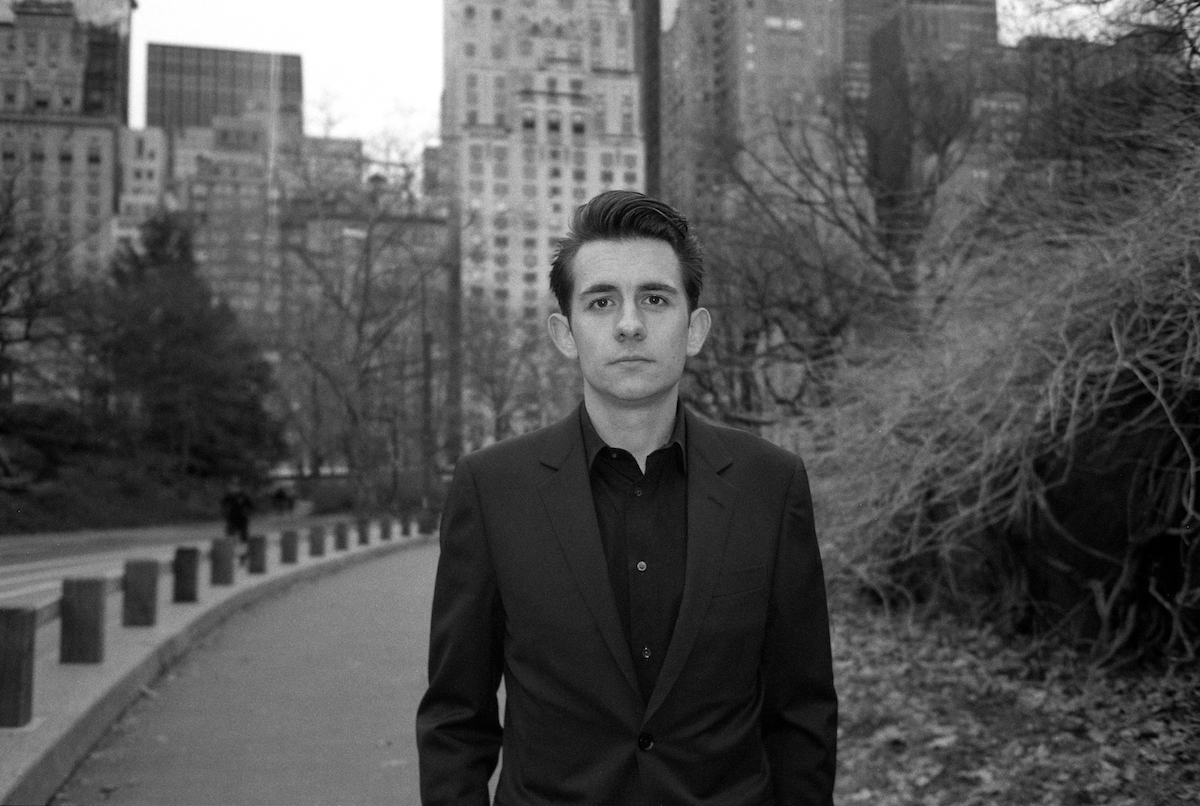
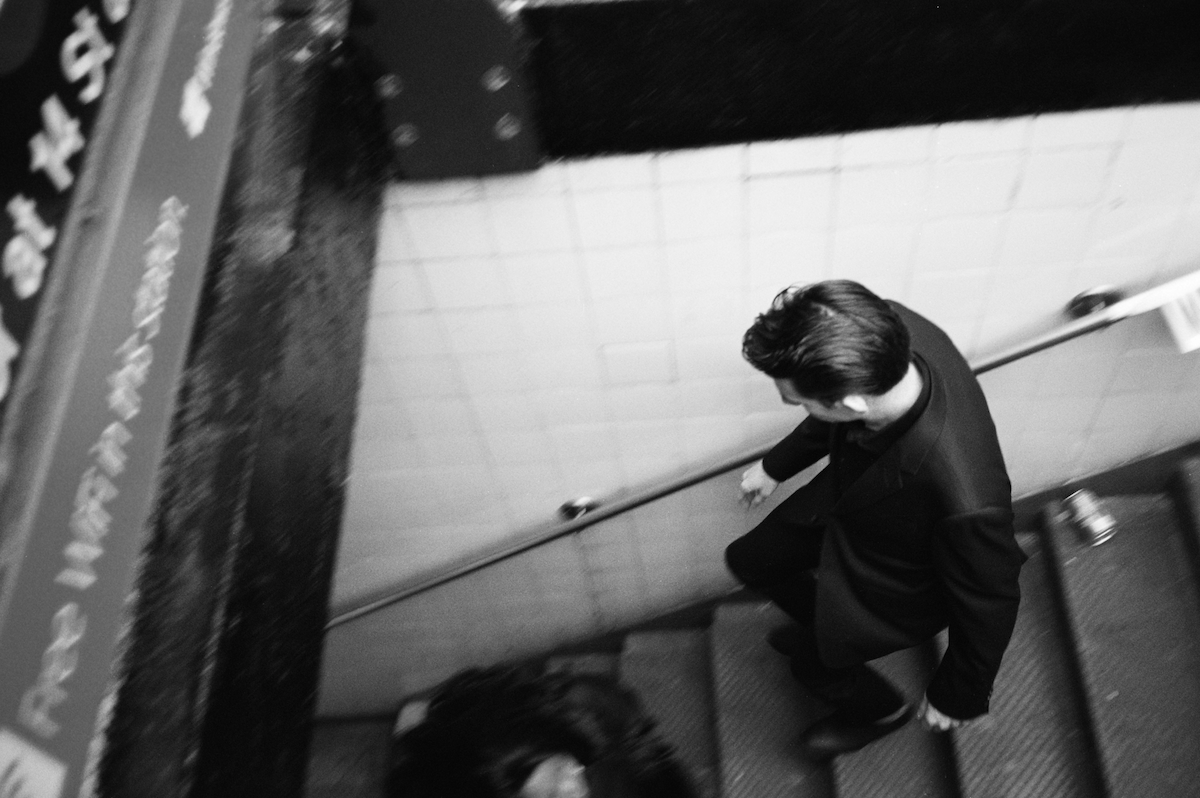
Modern Matter is a magazine focusing on art & fashion.
In this issue a number of artists (Maurizio Cattelan, Bjarne Melgaard, me, …) are interviewed,
talking about what it is like to live and work in New York.
Photos by Phillipe Gerlach.
Composition: the arrangement of elements in time and space.
The browser is very different from other media, especially when it comes to composition. I believe we are at the very beginning of the aesthetic potential of the networked image.
This is an (incomplete) list of compositional characteristics of the browser.
The internet presents artists with challenges, opportunities, and best of all, a lack of history.
The size of a browser can change at any moment. There is no fixed dimension or ratio. Think of an image, that can shrink or expand at any time. Ideally the artwork anticipates every possible dimension. Colors are rendered differently depending on hardware, software and usage. Websites are ubique yet inconsistent in appearance.
There are many kinds of devices. Some have big pixels, some have small pixels. A 1 pixel line on a smartphone is different from a 1 pixel line on an old CRT monitor. The physical experience of each device is unique.
The user is present in the pictorial space. There might be a cursor or finger that can influence the composition. Interaction is not unique to the browser but it is something that is natural to internet users.
Many people at the same time can influence an image. There is a potential for social images that change over time by allowing users to modify an image, like a wikipedia article.
Computers are good at generating random numbers. I’m not sure if those numbers are truly random, but it’s good enough. Each time the artwork is viewed, it can be slightly or dramatically different.
The networked image can keep pulling information from the web. The elements of composition can change all the time, because the web’s content changes all the time.
In the early days of the internet, bandwidth was very limited. This digital frugality created a new visual language.
Browsers do not have the same rendering power as native applications. This is a limitation and an opportunity at the same time. Challenges like these force artists to come up with new solutions.
I work a lot with geometrical images. They are shapes based on mathematical instructions.
You can write down the equation of the circle, and imagine the circle in your mind. In your mind, the circle is absolutely perfect. It is absolutely round.
Unfortunately there is no screen, printer, or natural phenomenon that can render a perfect circle. There will always be some particles bouncing out of place. And even if we did somehow manage to create perfection for a brief moment, our imperfect eyes would not be able to perceive it. Our eyes show us a distorted image that our mind corrects.
Geometrical images are conceptual images, they only really exist in our mind.
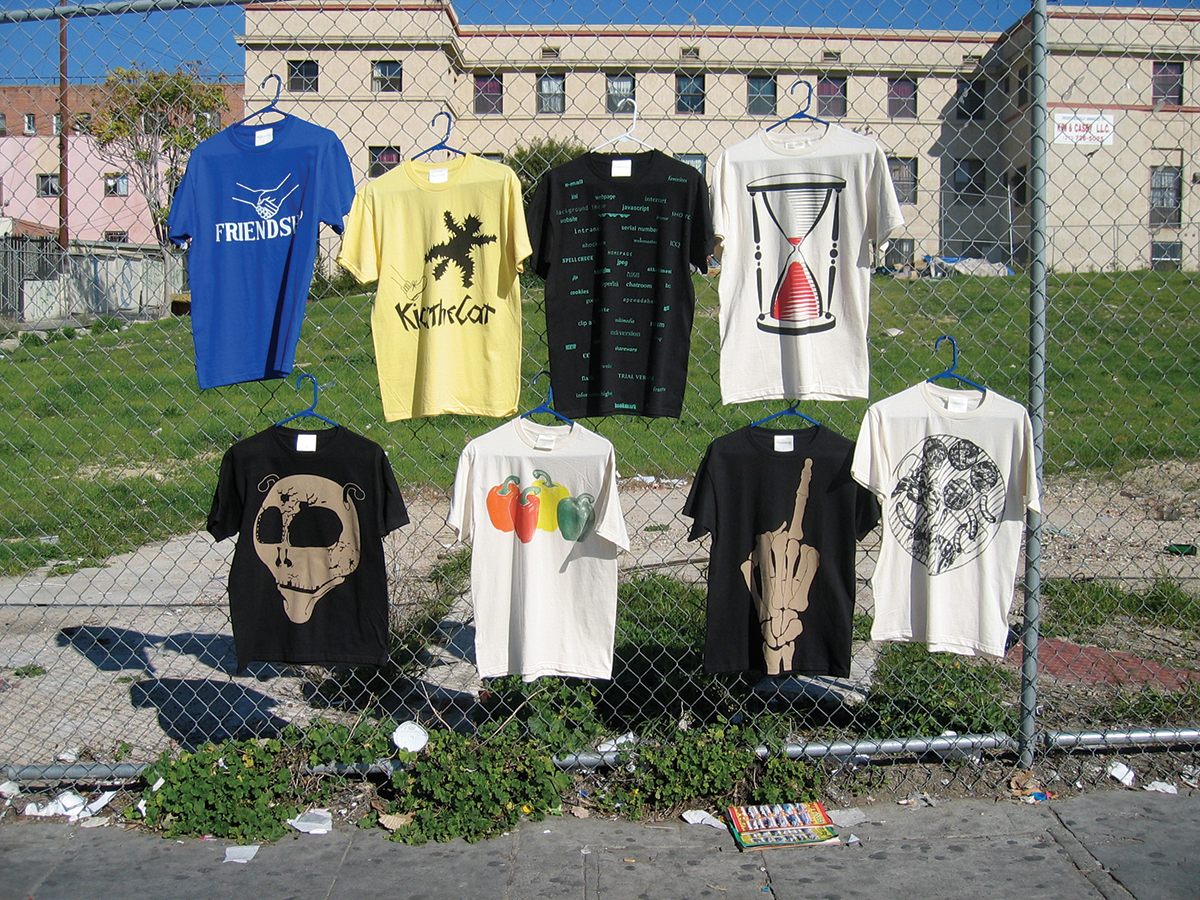
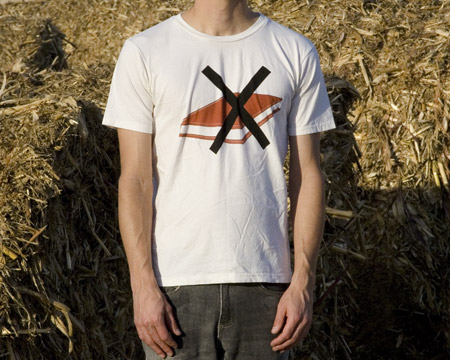
Back in 2004 I moved to Los Angeles. I shared a studio with Jonathan Maghen and we started a T-shirt line called Tagbanger.
As artists, we were most excited about creating images. It was a nice form of collaboration, we both created and found images and then we would sit together and review the ideas. Sometimes we would execute the ideas together, sometimes separately. We found a great printer who used waterbased inks, we found a great T-shirt manufacturer, and we had nice labels made.
What we underestimated is that a business requires a lot more than just creating a product.
I tried going to stores to offer them our shirts but I would just feel awkward. And the logistics were not easy either.
We sold quite a few shirts but it never became a big thing that we could do fulltime. I really admire artists who are able to create a business of consumer oriented art products. In simple words: affordable art that anyone can buy.
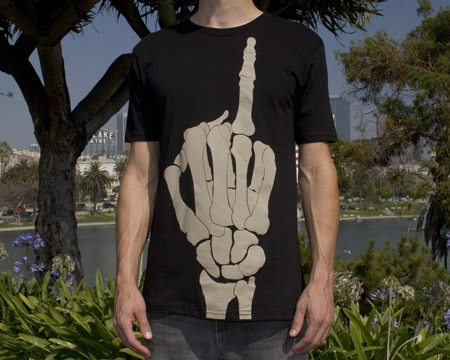
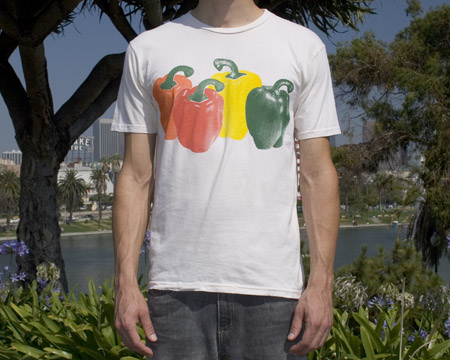
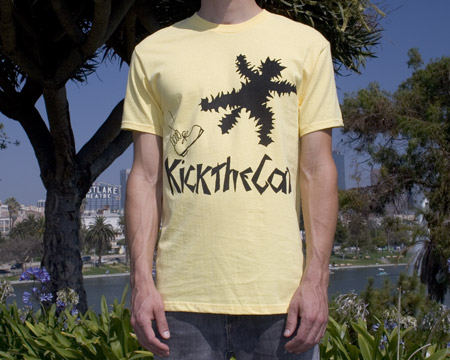
Below are all the T-shirts we made. It was great fun and we made some money, and I learned a lot.
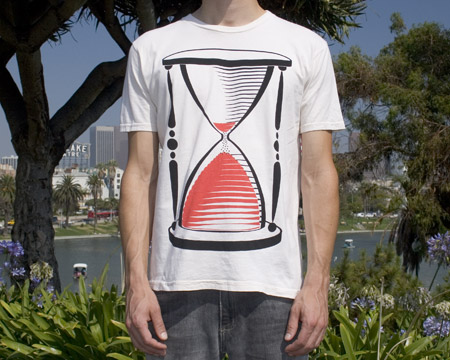
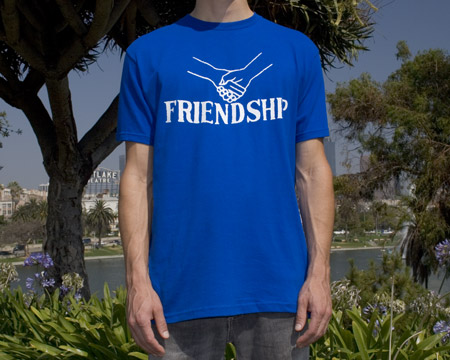
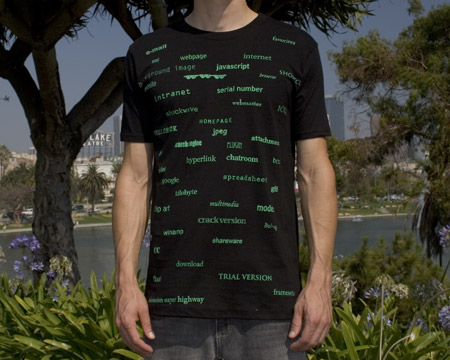
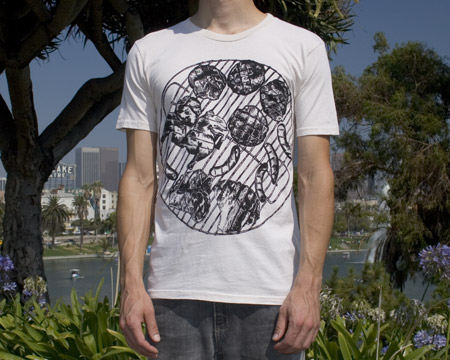
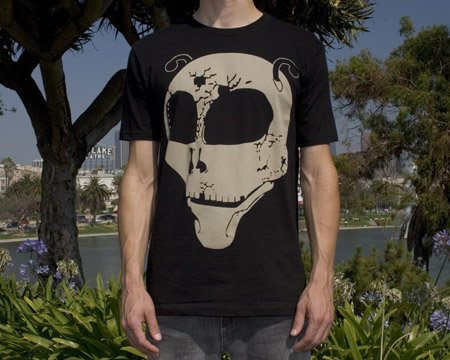
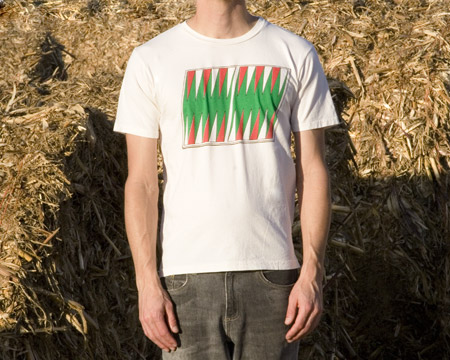
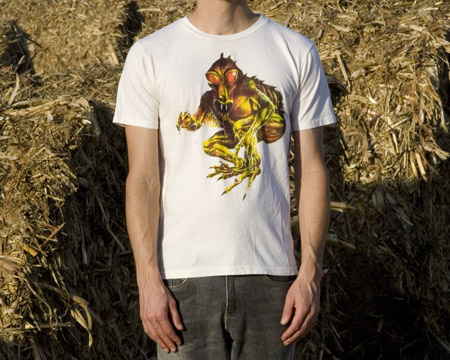
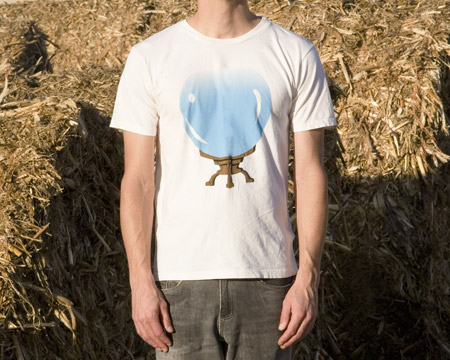
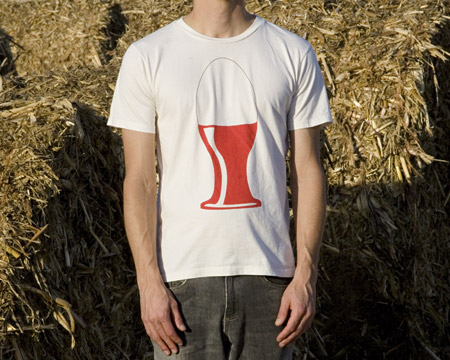
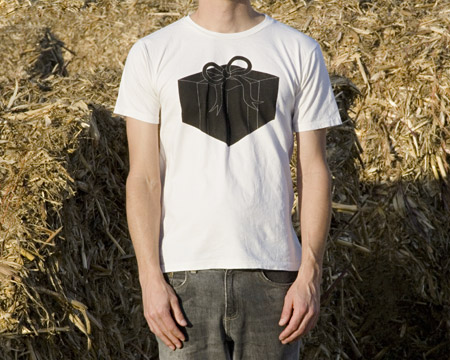
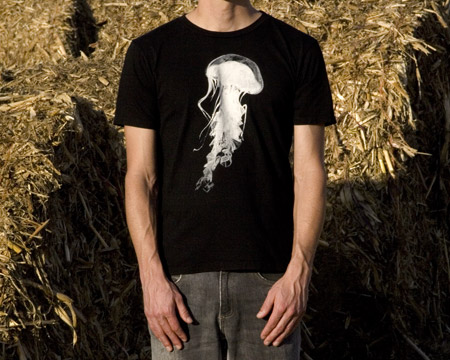
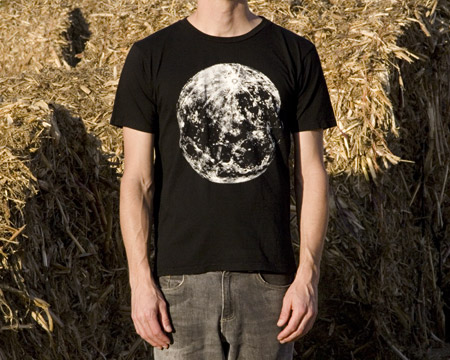

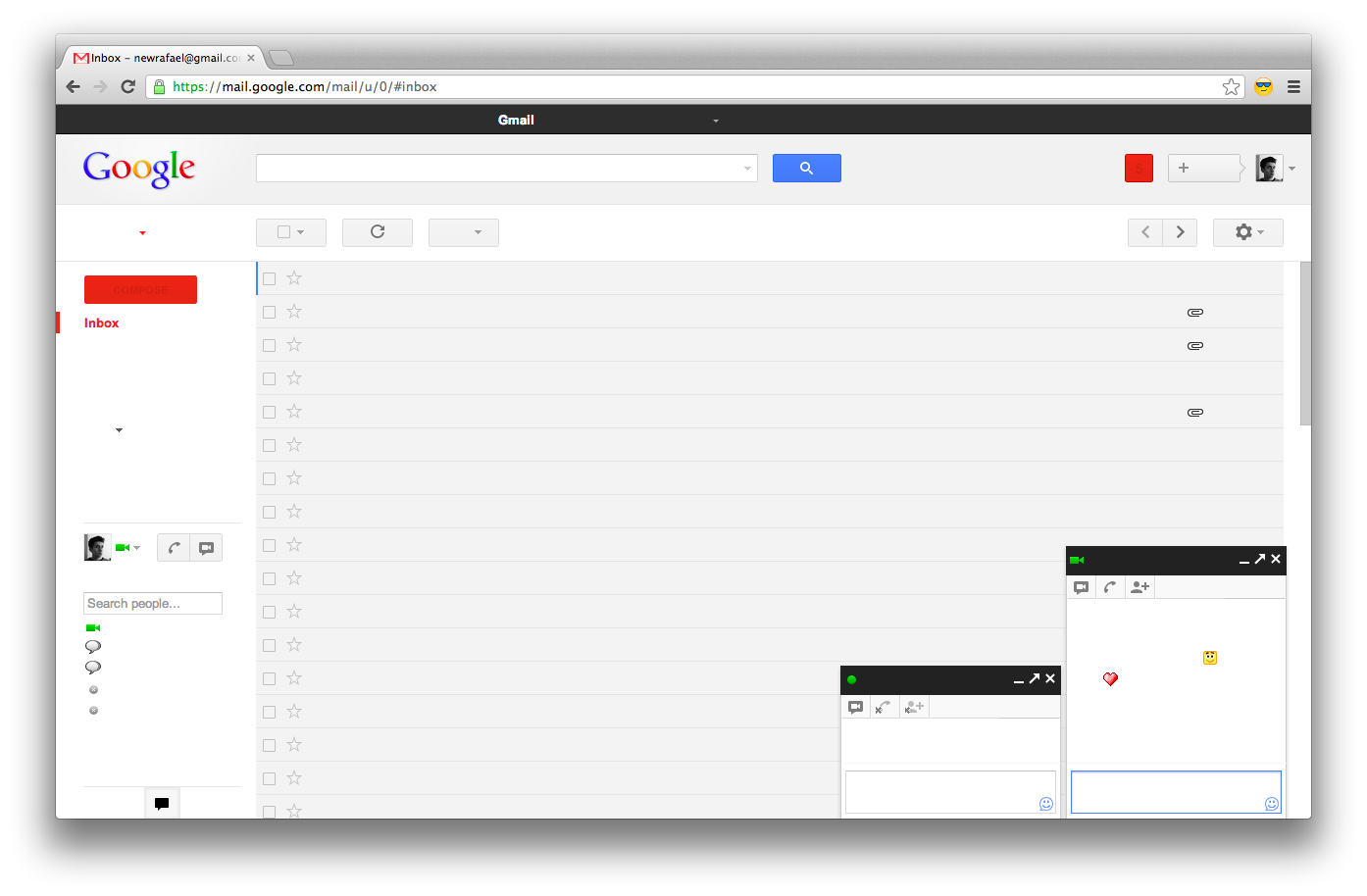
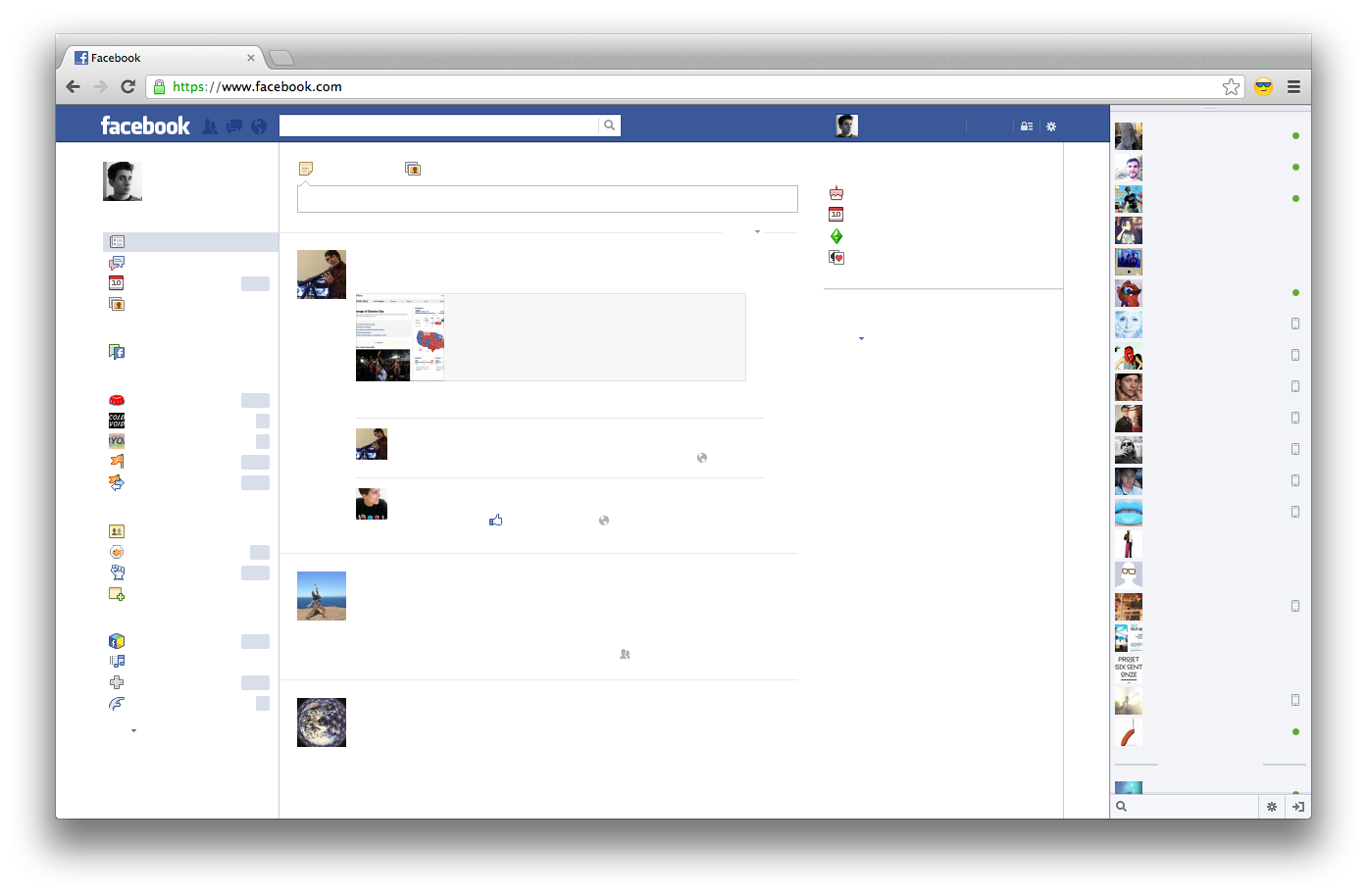
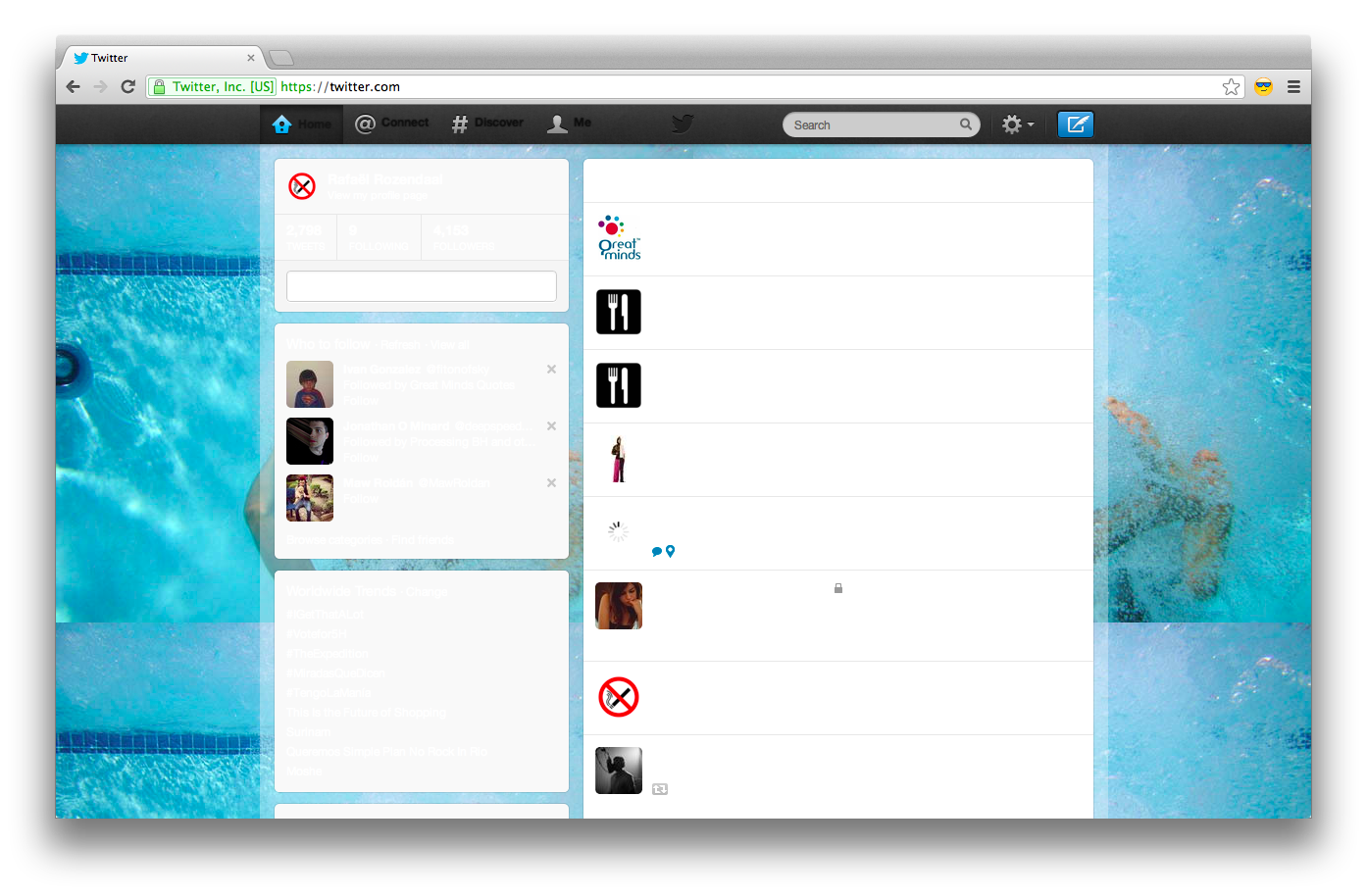
Brand New: Text Free Browsing, a chrome extension by Rafaël Rozendaal & Jonas Lund.
Text Free Browsing does what the name says: once you install it, you can click on a little nerdy face to turn off all text on the internet. You can turn TextFree on and off on at any moment. Try it!
You can download it for free in the Chrome Web Store
eat more vegetables
eat less meat
make more money
work on my posture
spend more time in nature
have a political opinion
give to charity
fix my parent’s computers
not worry
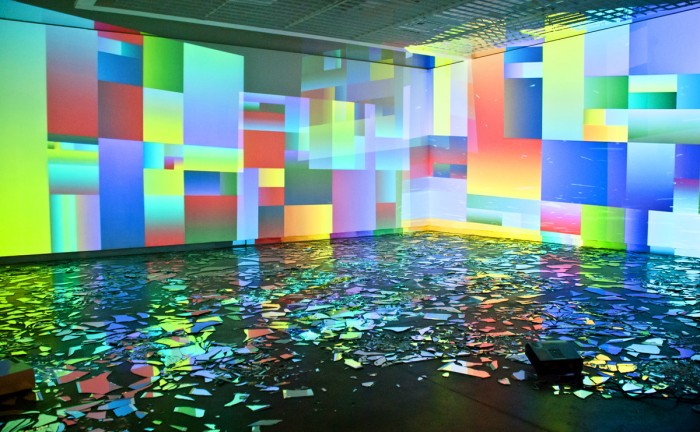
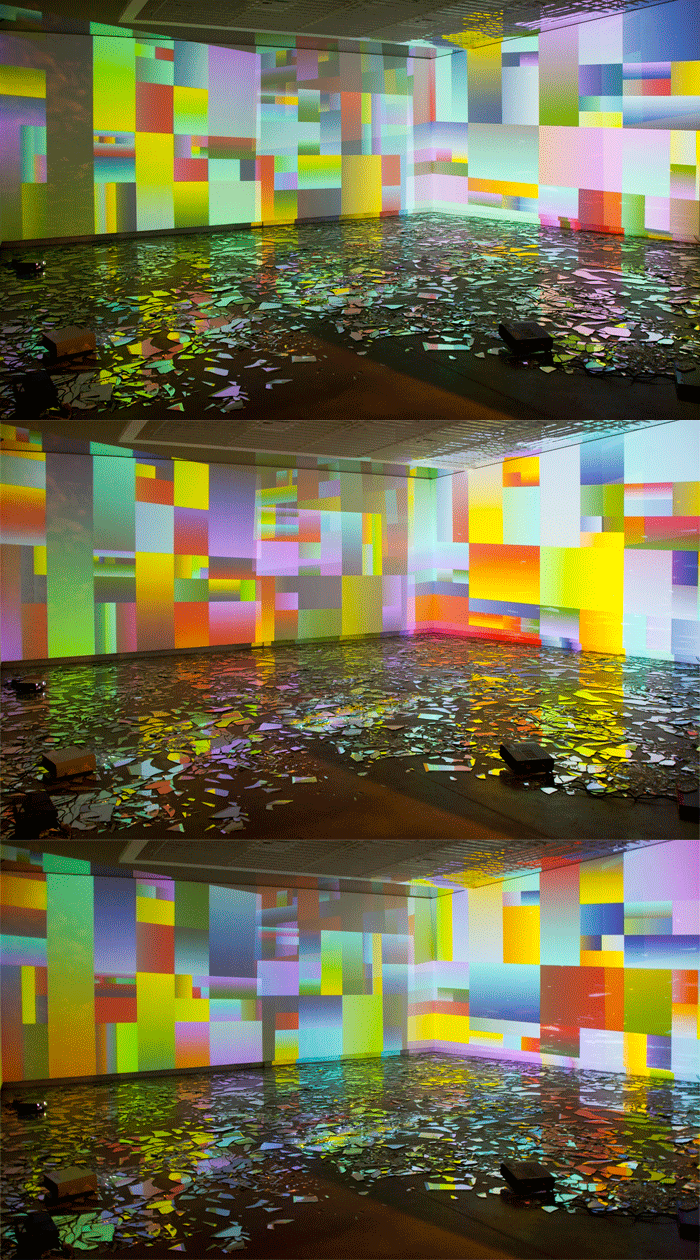
Installation by Rafaël Rozendaal
Mirrors, computers, projectors.
Museu Imagem e Sol, Sao Paulo, 2012
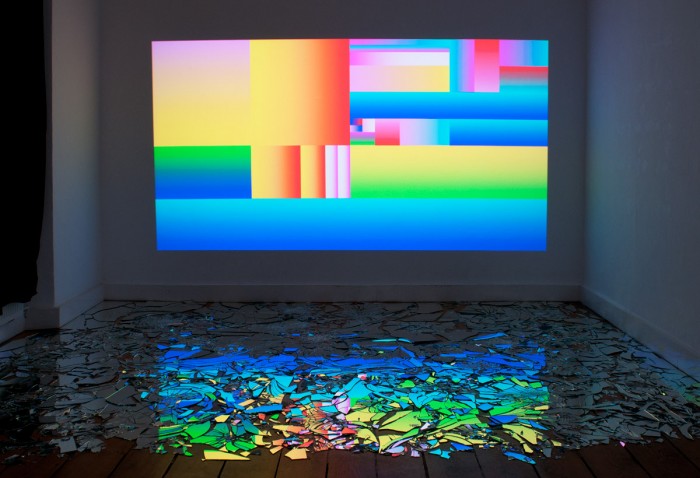
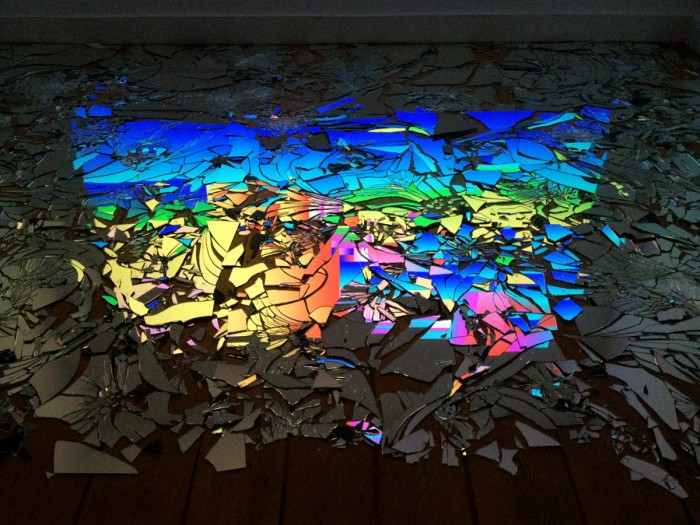
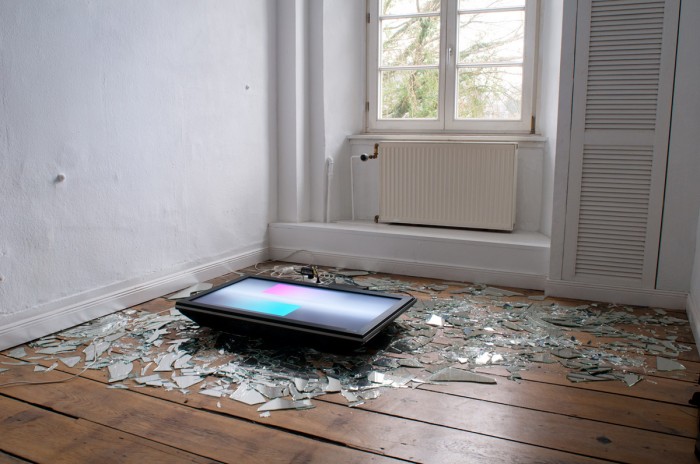
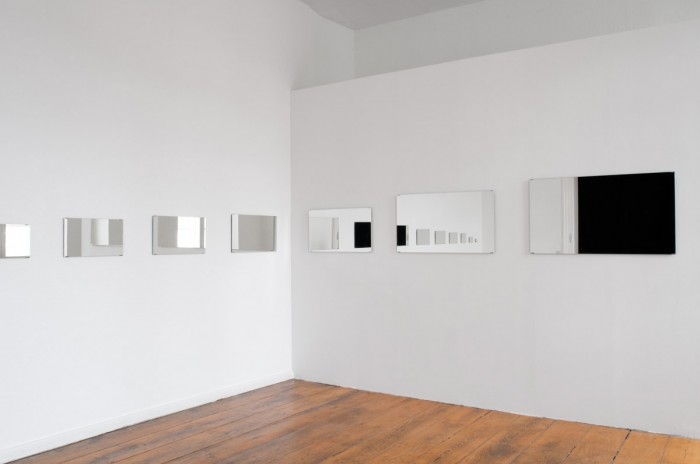
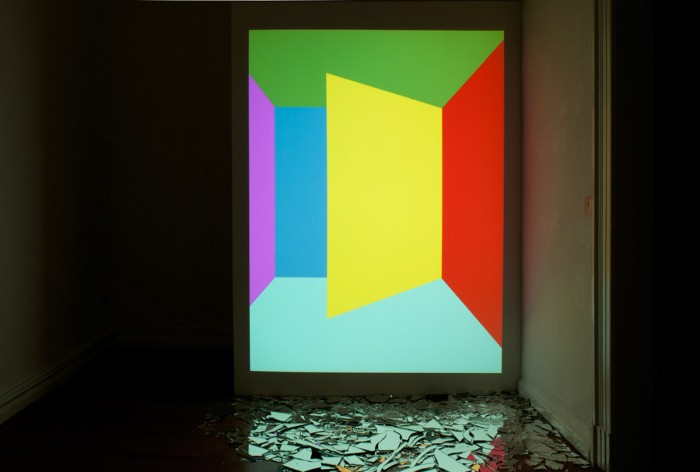
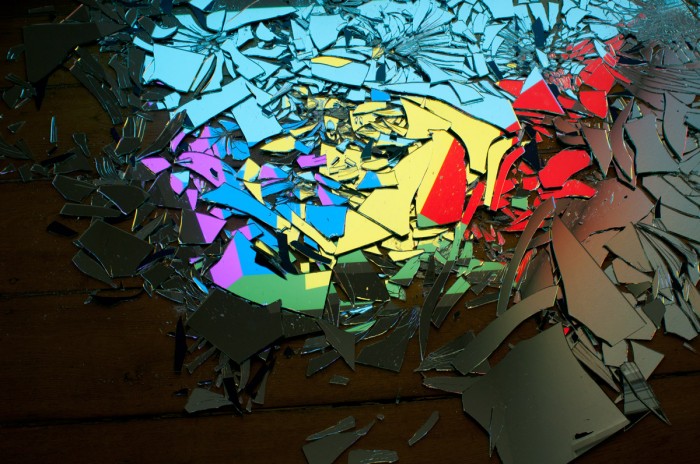
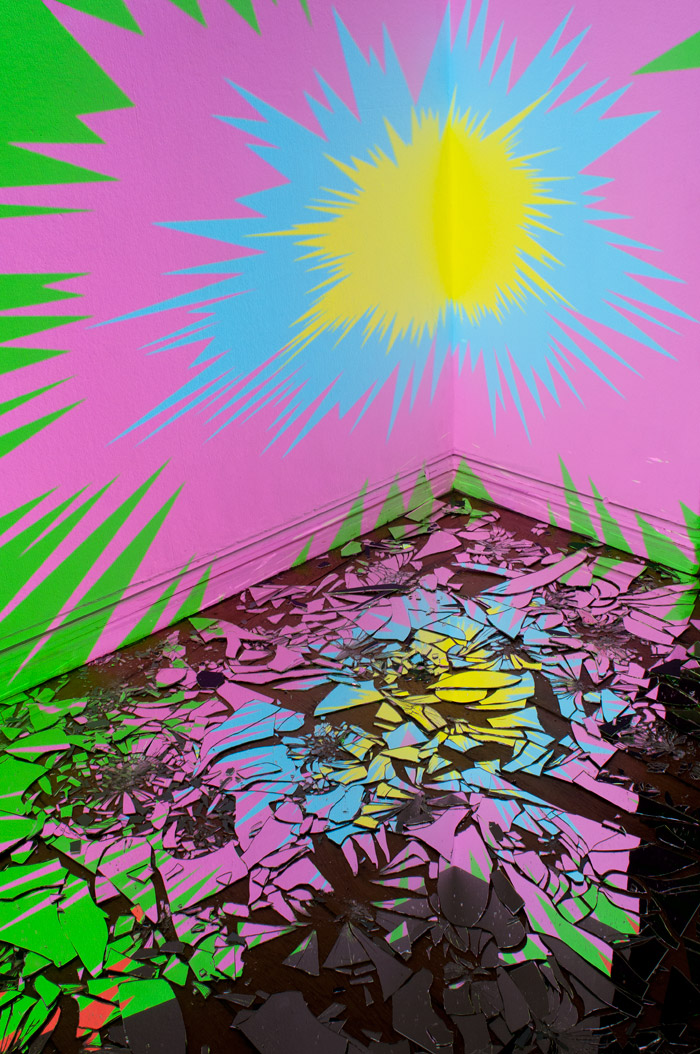
“Everything Dies”
Exhibition by Rafaël Rozendaal at Kunstverein Arnsberg,
curated by Vlado Velkov, April 2012.
What was the art that captured the spirit of the industrial age?
What will be the art that captures the spirit of the information age?
Should art capture things, freeze them?
A lot of art freezes reality, it makes time stand still so we can have a better look.
Can today’s time still be frozen? Or are things moving too fast?
Or perhaps things are not even moving that fast? Is today that different from 10 years ago?
classic subjects in new formats
new subjects in classic formats
new subjects in new formats
classic subjects in classic formats
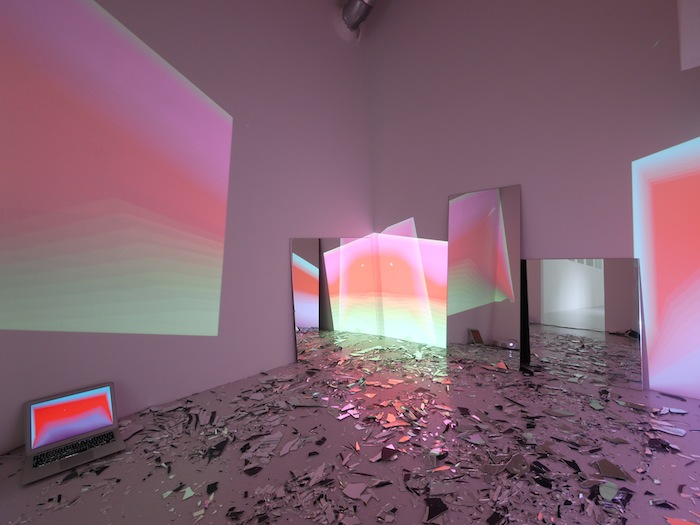
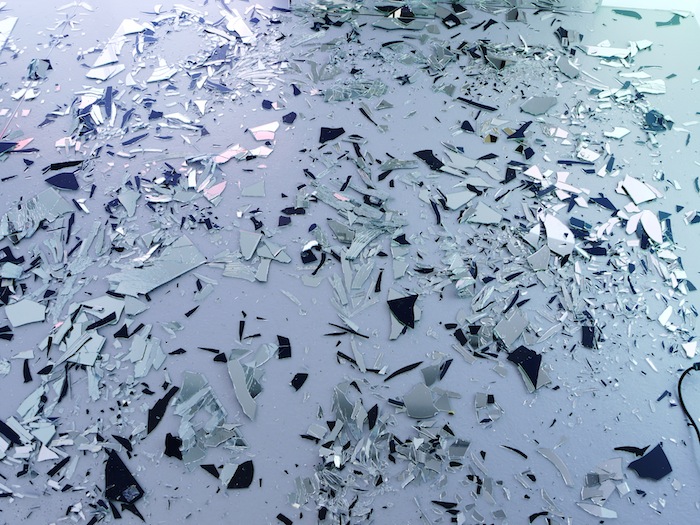
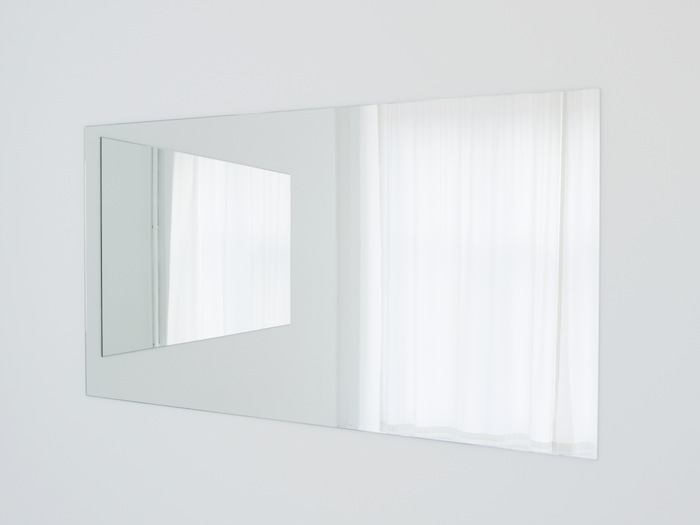
Falling Falling with mirrors
installation by Rafaël Rozendaal
at Nordin Gallery Stockholm, November 2011.
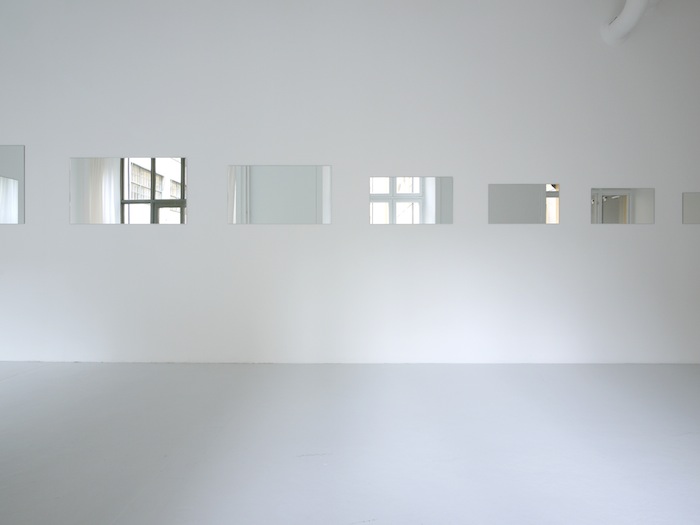
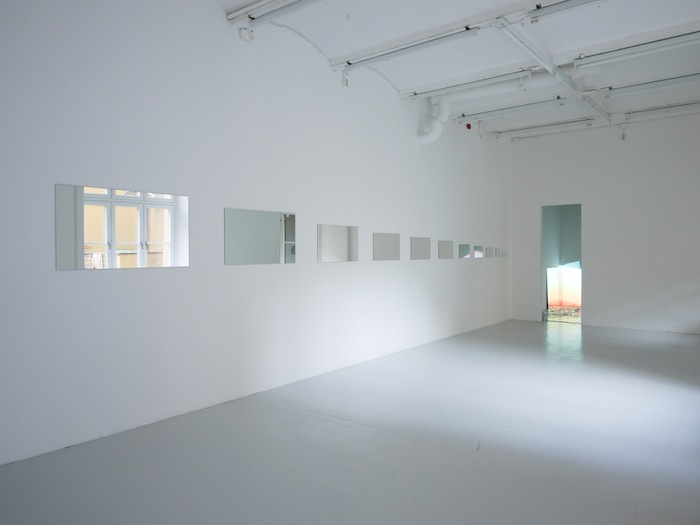
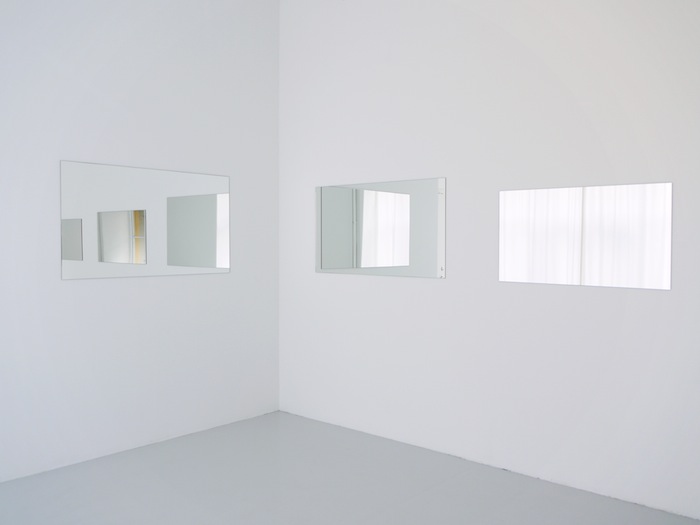
Popular Screen Sizes (60″, 55″, 46″, 40″, 32″, 27″, 24″, 21″, 17″, 15″, 13″, 10″, 7″, 3.5″)
installation by Rafaël Rozendaal
at Nordin Gallery Stockholm, November 2011.
Ideally the work is not a manifestation of an idea, the work is the idea.
Am I drawn to it?
Do I feel a strong attraction or connection?
Does it trigger a series of thoughts?
Does it change my thoughts?
Does it set a mood?
Does it amplify my emotions?
Does it encourage me to make something?
Does it provide new information?
Is it beautiful?
Does it intensify perception?
What is the level of abstraction?
Does it awaken memories?
Does it make me curious?
Do I want more of it?
Does it summarize an era?
Is it innovative?
Does it stand out?
Do I remember it after 10 minutes?
Does it surprise me?
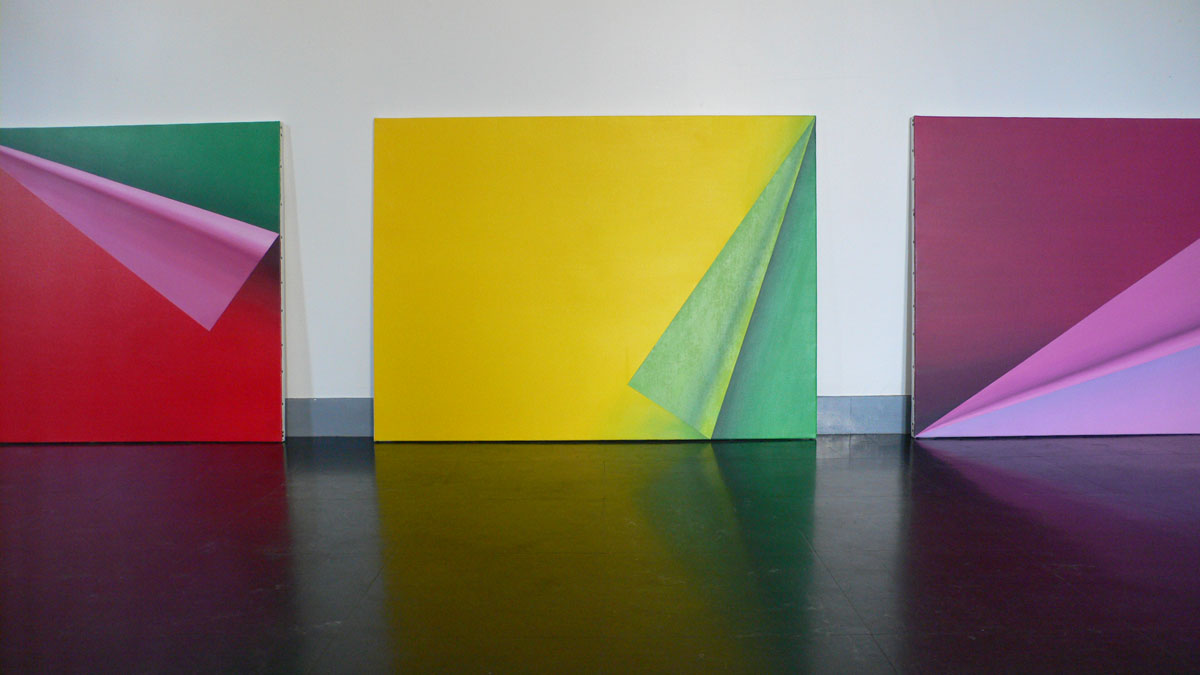
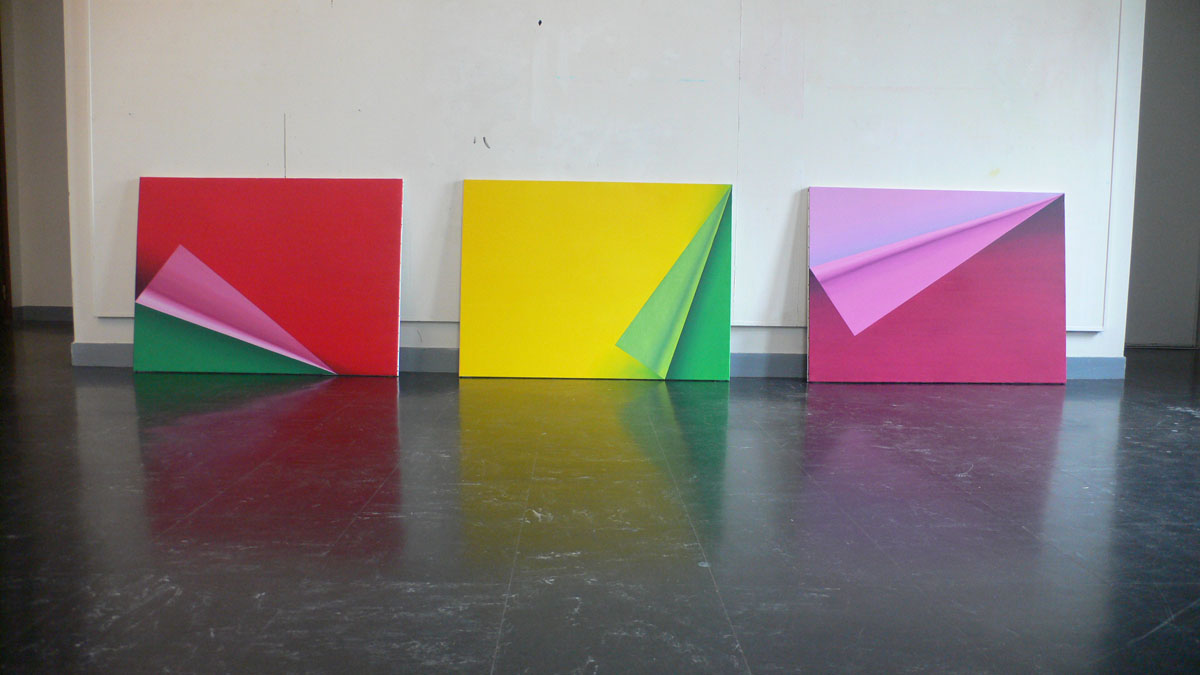
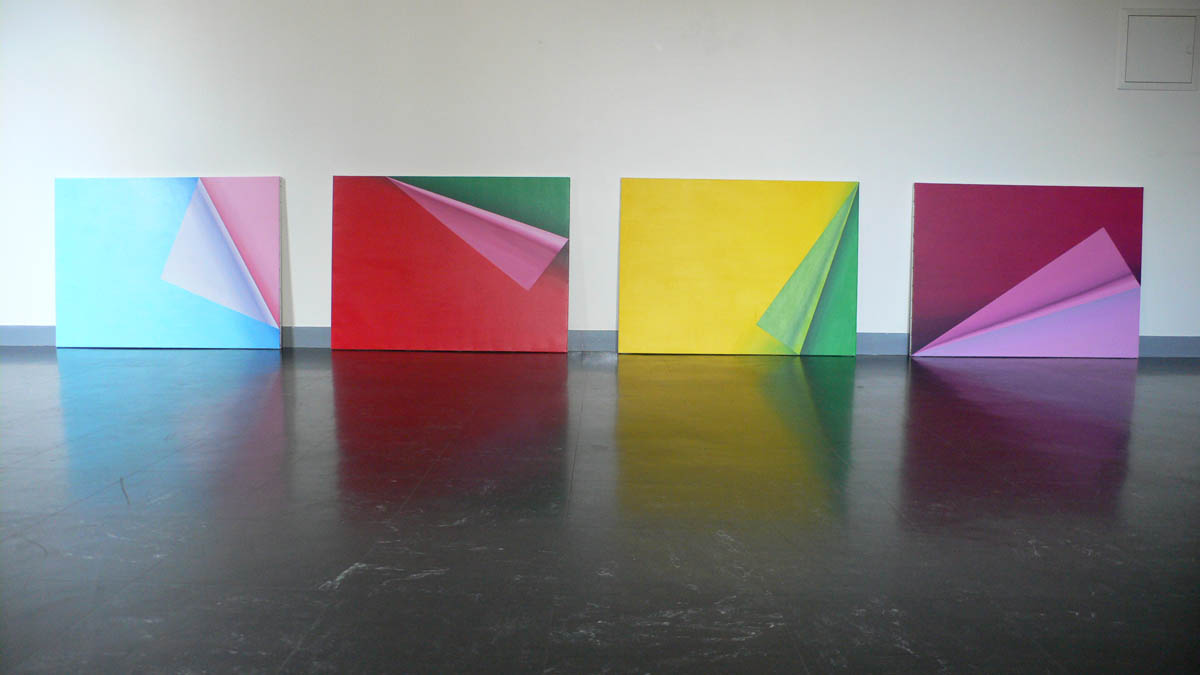
oil on canvas, 130 x 89 cm.
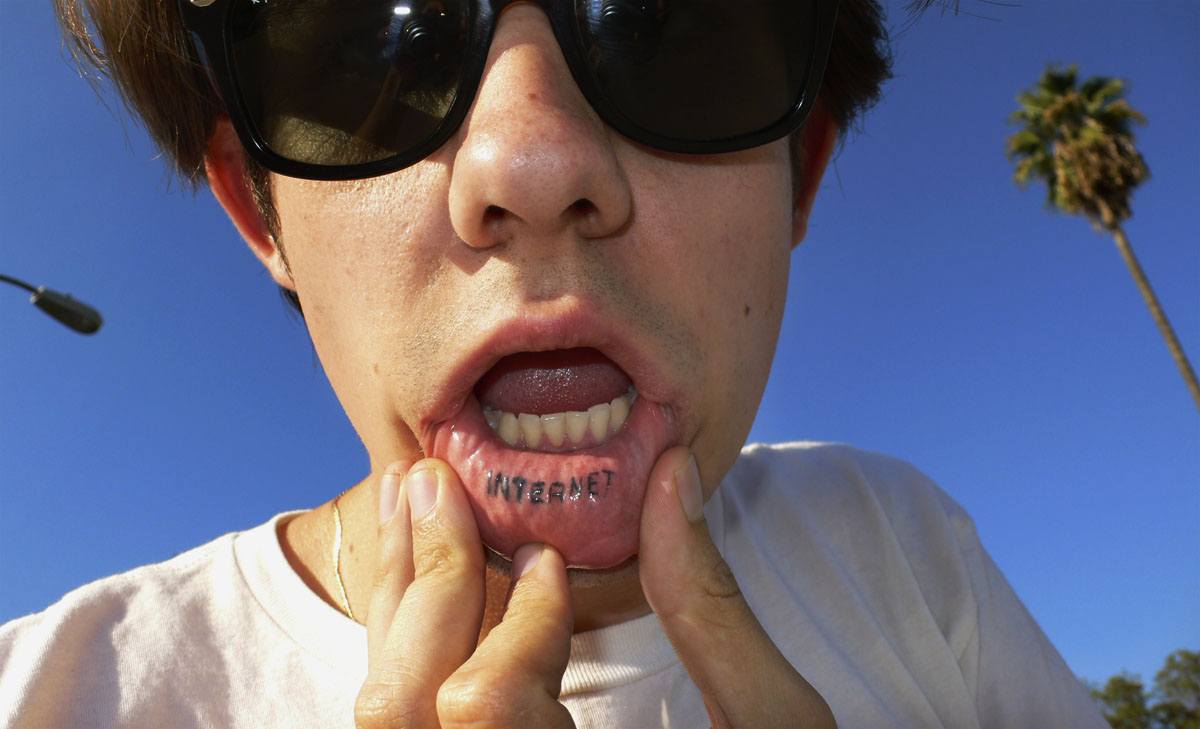
Self portrait on Sunset Blvd, 2007